Applications
Printed Metal That Has to Fly
A light lattice is not a flight part until the powder, the recipe, and the inspection travel with it.
- 3 min read
- Applications
- Eight more stories
Aerospace teams print metal because it can remove joints, shorten a buy, or put material only where the load goes. None of that matters to a released part until the process is frozen. The machine, the parameter file, the powder lot, the heat treatment, and the inspection plan are the part. Change one without a review and you have a different part that happens to share a shape.
Lattices and the places they hide
A lattice can cut weight. It can also hide unmelted powder, trapped supports, and thin struts that look fine and then crack. If you cannot inspect the region, do not put a clever lattice there to win a screenshot. Solid sections with a known scan plan are less glamorous and easier to release. Coupons should see a similar thermal history to the thickest real section, or they are a souvenir.
This is not a guide to certifying hardware. It is a map of why the quote looks large. You are buying discipline. A shop that talks only about laser speed is selling a build, not a flight part.
- Trace powder from the container to the build and back to storage.
- Record who approved the parameter set and when it changed.
- Machine the datums. As-built faces are rarely the interface.
- Keep the scan and the coupon result next to the serial number.
Do this next
- 1
Start from the requirement: load, temperature, and what failure costs.
- 2
Lock the machine, the parameter revision, and the powder specification together.
- 3
Put witness coupons where the thermal history resembles the real section.
- 4
Choose an inspection that can see the defect you actually fear.
More from the desk
Eight other notes from the rest of the bench.
 ApplicationsWhat Kitchen Printers Actually DepositA kitchen printer pushes paste through a nozzle. It does not invent a recipe, and it does not clean itself.
 GuidesMesh Checks Before You SliceMost bad prints of downloaded files are scale, holes, or walls the nozzle cannot make.
 SoftwareFrom a Sentence to a Printable MeshA model generator can hand you a shape in a minute. The slicer still needs a closed, scaled, thick-enough solid.
 NewsA Desk That Prints, Washes, and Cures ResinThe print is the tidy part. Washing and curing are where a small resin setup usually spills.
 ApplicationsPrinted Models for Clinics and Dental LabsA model for a conversation is a different object from a guide that touches a patient. The resin decides which one you printed.
 MaterialsPLA, PETG, and ABS After the Part Leaves the BedThe easy spool is not always the one that survives a warm car, a clamp, or a weekend outdoors.
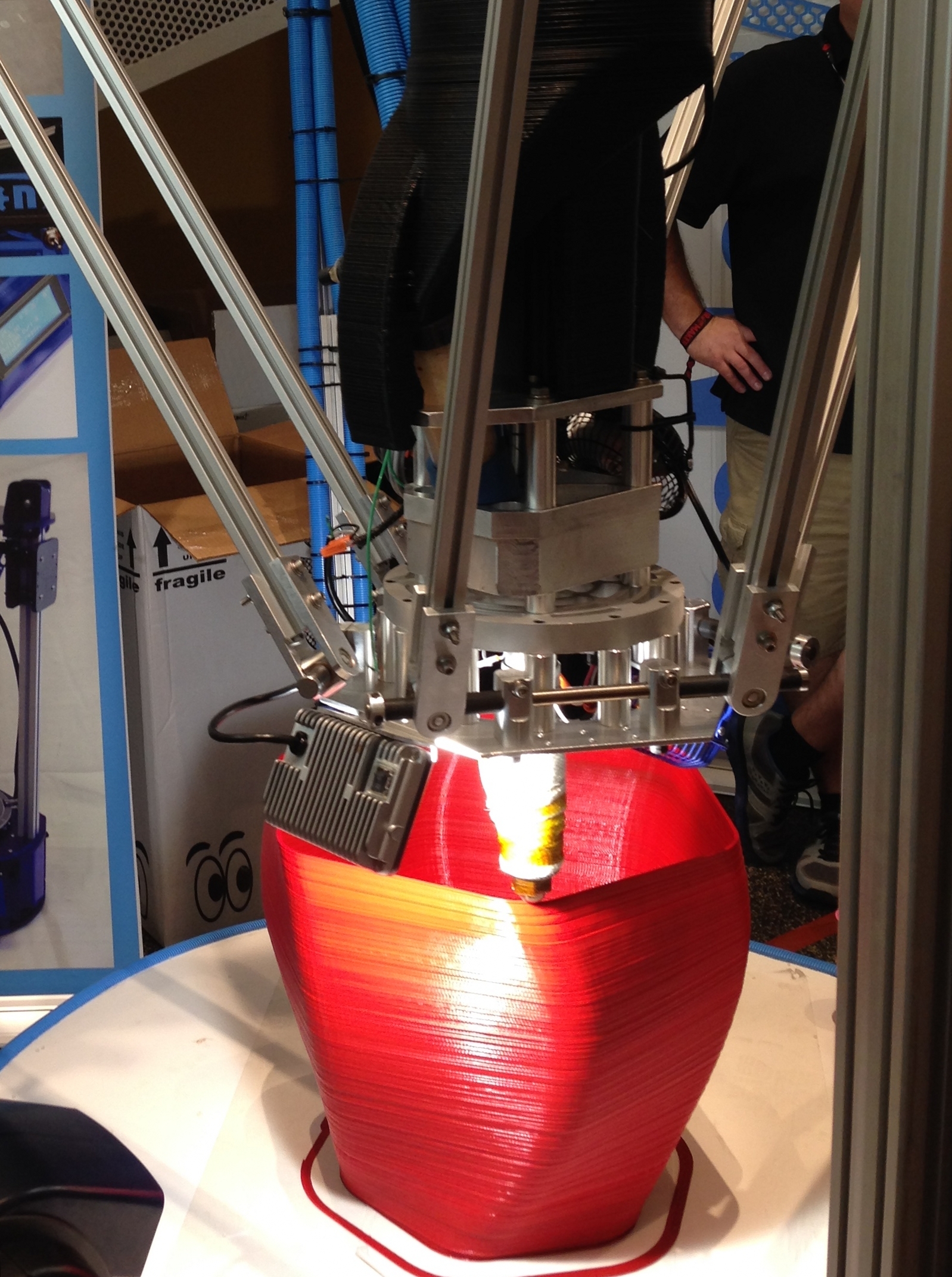 PrintersWhat a Larger Resin Vat ChangesA bigger vat is not a small vat with more room. The peel, the pour, and the wash all get heavier.
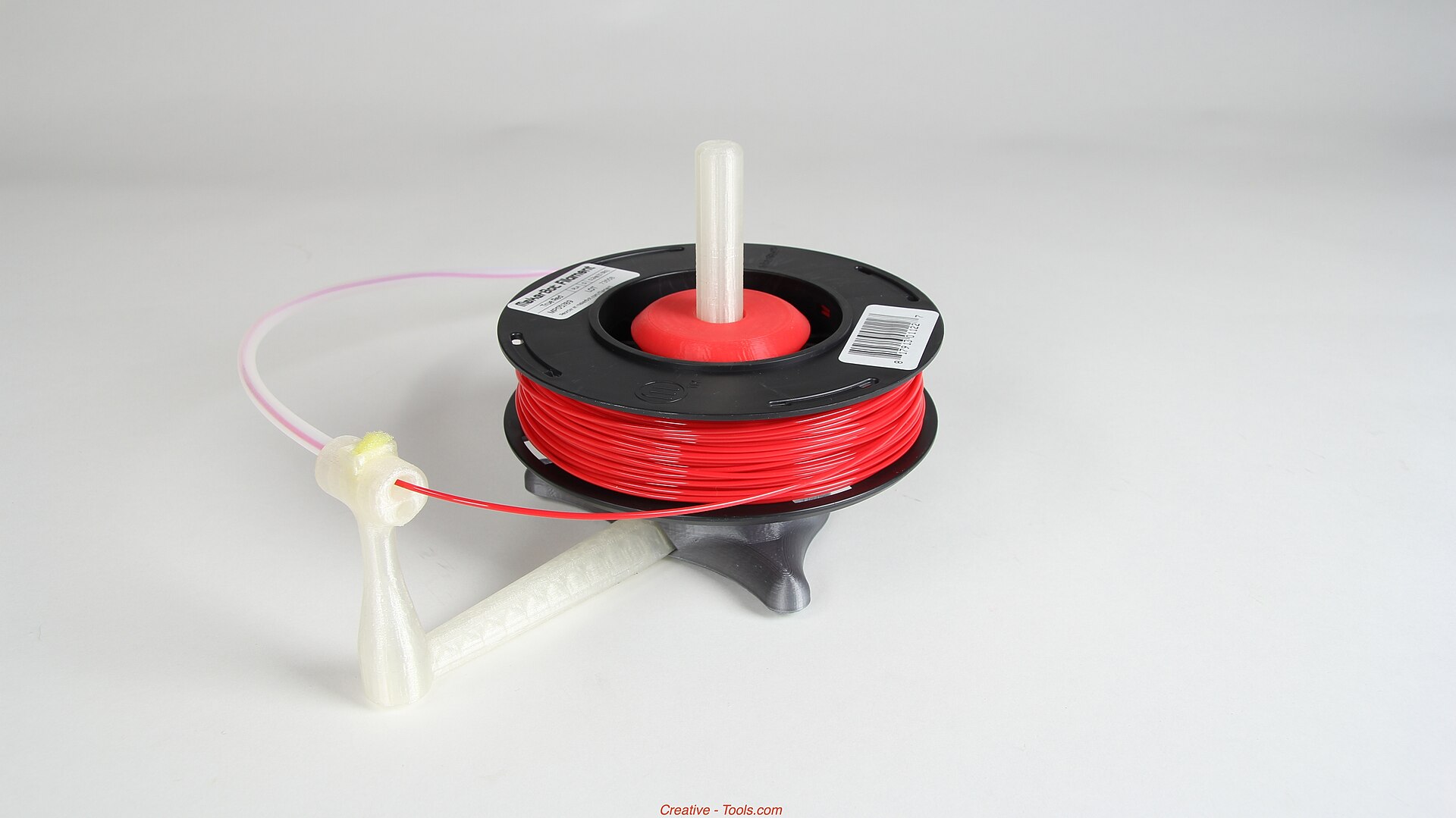 MaterialsFlexible Filament Without the GuessworkFlexible filament buckles when you rush it. Shore hardness and a short path to the nozzle matter more than a secret profile.