Materials
Flexible Filament Without the Guesswork
Flexible filament buckles when you rush it. Shore hardness and a short path to the nozzle matter more than a secret profile.
- 3 min read
- Materials
- Eight more stories
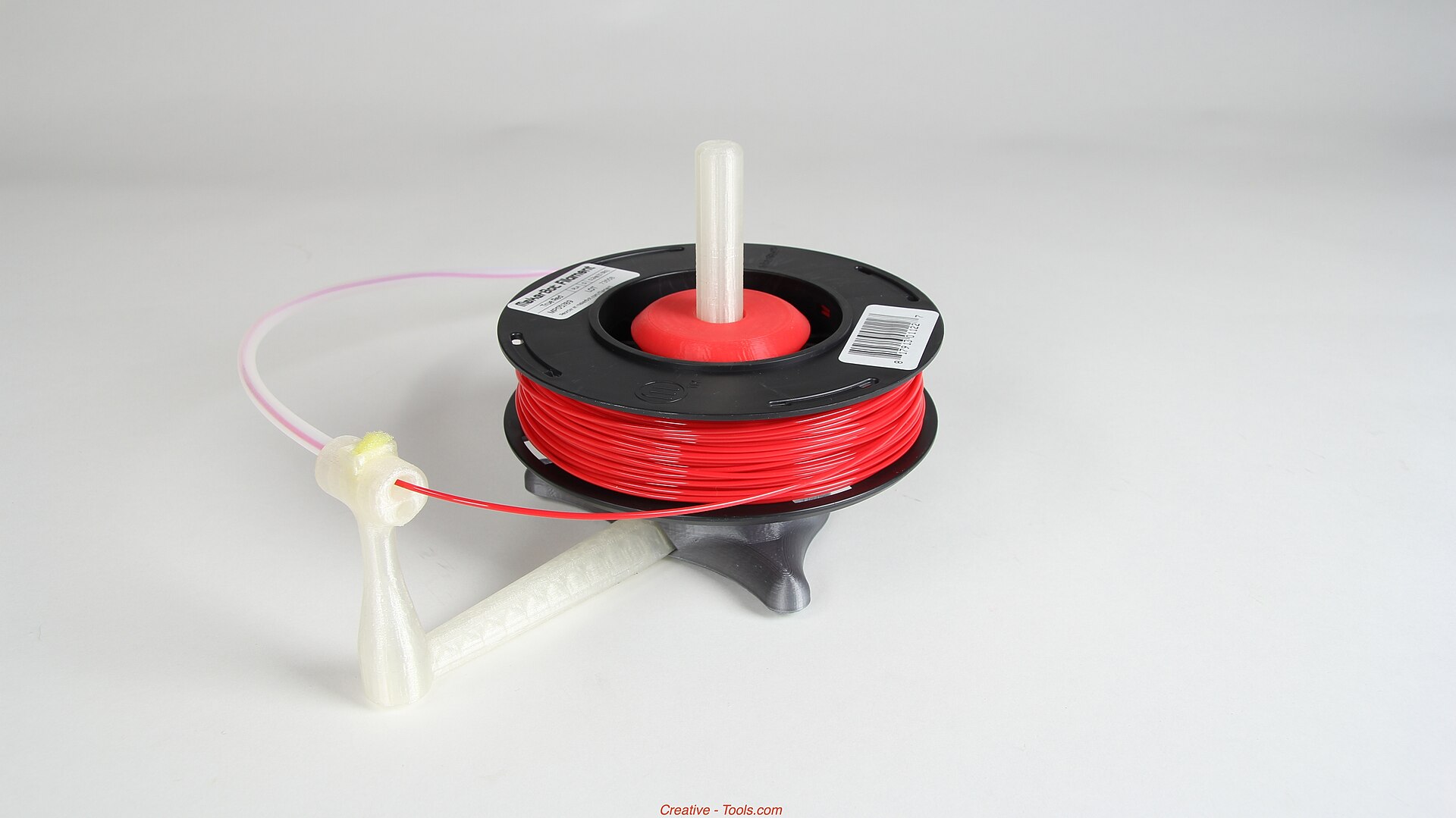
TPU and TPE are the families people mean by flexible filament. The Shore number tells you how soft the result is. A 95A TPU is firm, closer to a shoe heel, and it is the sensible first spool. Softer grades collapse in the extruder, string across the part, and stick to themselves on the spool. There is no prize for starting there.
Give the strand less chance to escape
Flexible filament buckles if the extruder pushes harder than the nozzle can melt, or if there is a gap between the drive gear and the hot zone. Direct drive shortens that gap. A Bowden tube can work with firmer TPU if the tube is tight and the speed is humble, and it will fight you as the spool gets softer. Print slowly. Use less retraction than you use for PLA, because a long retract pulls soft plastic into a place it can jam. Squash the first layer enough to stick, then do not baby the cooling. These parts often want less fan than you expect, or they refuse to bond between layers.
Dry the spool. Moisture shows up as pits, strings, and a rough surface that looks like a mechanical fault. Keep the spool in a sealed box with desiccant between prints. And design the part for flex: thin sections where it should bend, thick sections where it should hold a screw, and no sharp inside corner at the hinge.
- Disable a long coast or wipe until the basic cube is clean.
- Keep the path from gear to melt as constrained as the printer allows.
- Do not print flexible filament on a sheet you also use for food.
- Test a living hinge with the grain of the layers, then against it. Keep the winner.
Do this next
- 1
Read the Shore number. Softer is not a beginner setting.
- 2
Use a direct-drive extruder if you have one. A long Bowden tube invites a buckle.
- 3
Slow the print and shorten retraction until the jam stops, then leave it there.
- 4
Dry the spool if the surface pops or foams. Flexible grades drink moisture.
More from the desk
Eight other notes from the rest of the bench.
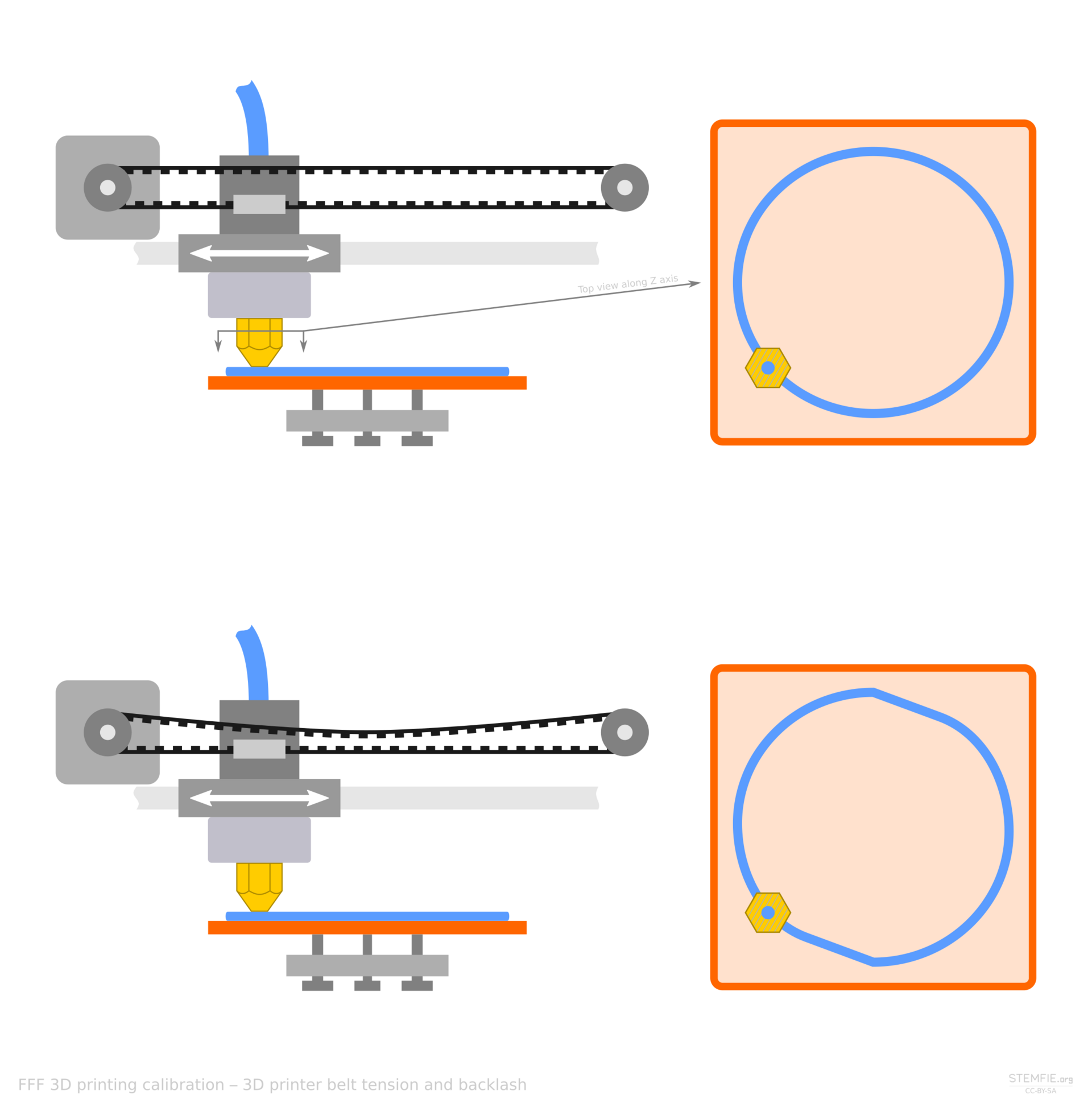 PrintersBelts, Lead Screws, and Linear MotorsMost desks move with belts. Screws trade speed for stiffness. Linear motors remove the belt, and the modest price.
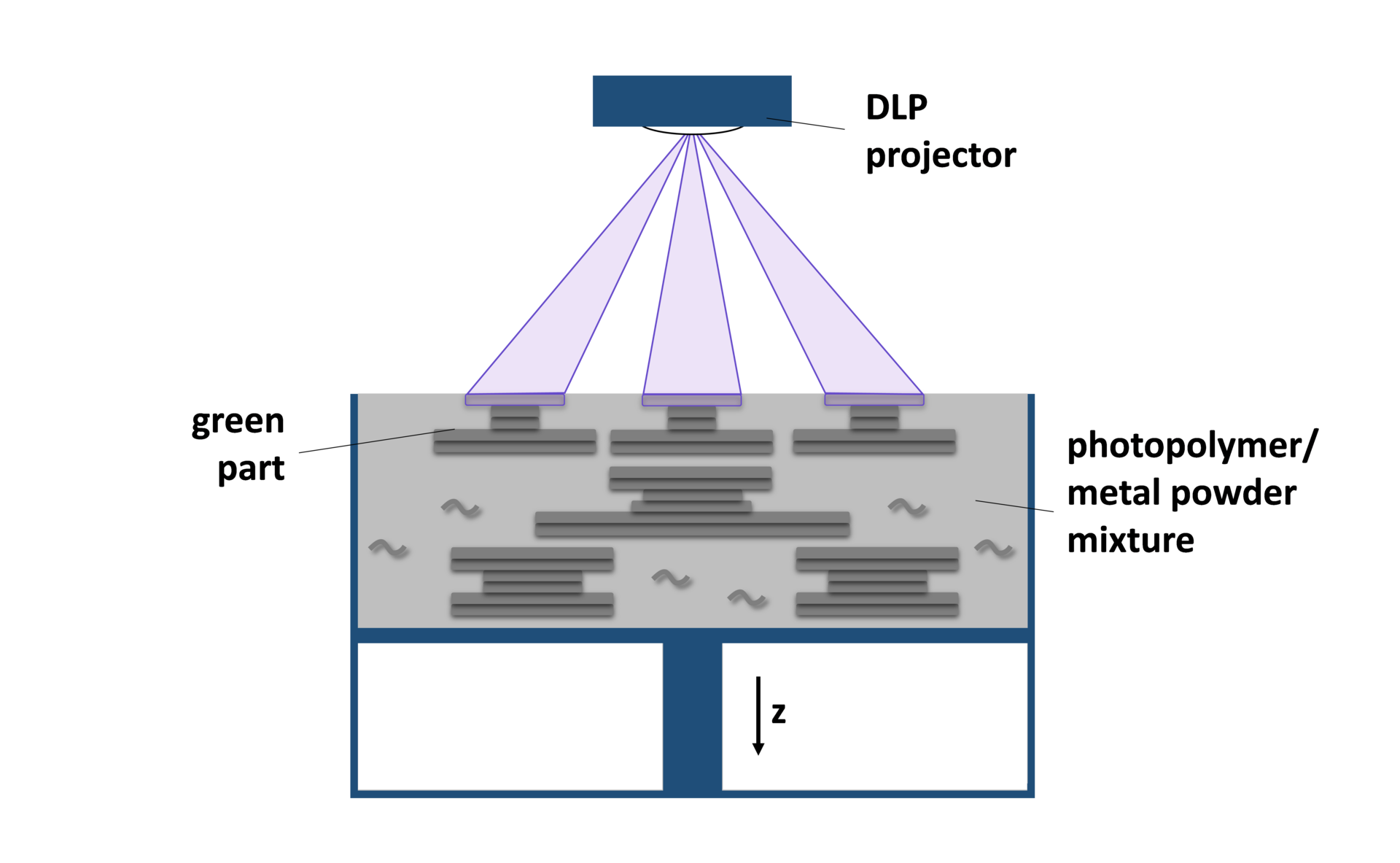
 NewsWatching a Metal Build While It Is Still RunningStopping a bad metal build early saves powder and hours. It does not replace the inspection after the door opens.
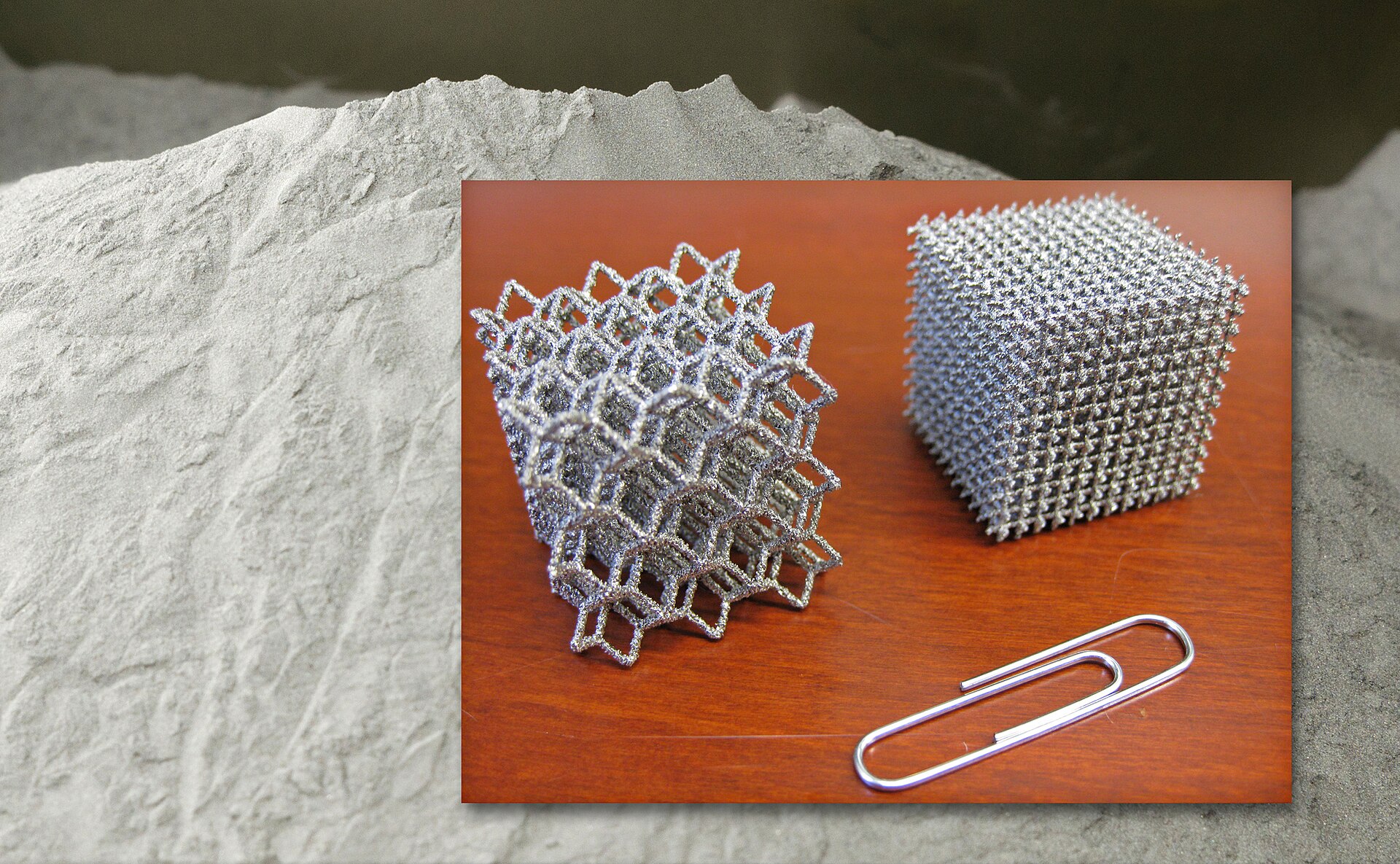
 MaterialsCopper Alloys on a Laser Powder BedCopper shrugs off heat and throws light back. That is why it is useful, and why the laser struggles.
 GuidesHow to Read a Metal Printing QuoteThe machine rate is the small line. Heat treat, supports, and inspection are where the quote gets honest.
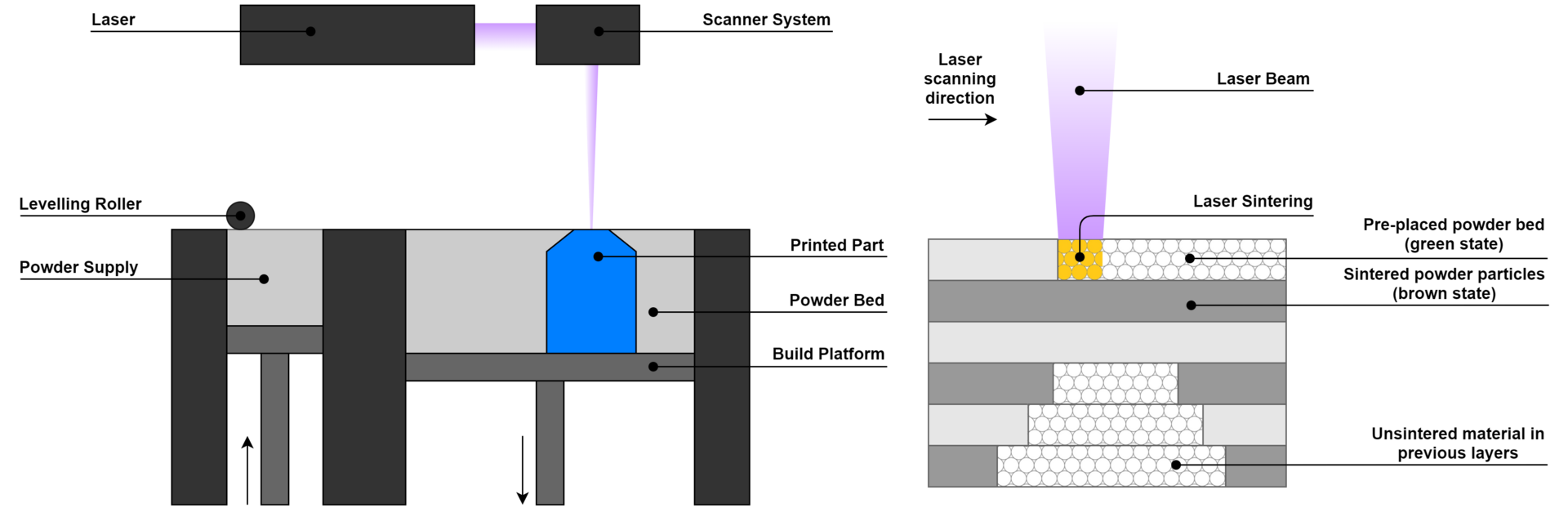 PrintersWhen Powder-Bed Nylon Beats FilamentPowder supports itself. That is the gift. Cooling time, refresh rate, and a sandy surface are the bill.
 MaterialsPLA, PETG, and ABS After the Part Leaves the BedThe easy spool is not always the one that survives a warm car, a clamp, or a weekend outdoors.
 GuidesVolumetric Printing in Plain LanguageInstead of drawing a part one layer at a time, volumetric printing tries to cure the whole shape in one exposure.
 ApplicationsPrinted Models for Clinics and Dental LabsA model for a conversation is a different object from a guide that touches a patient. The resin decides which one you printed.