Applications
What Kitchen Printers Actually Deposit
A kitchen printer pushes paste through a nozzle. It does not invent a recipe, and it does not clean itself.
- 3 min read
- Applications
- Eight more stories
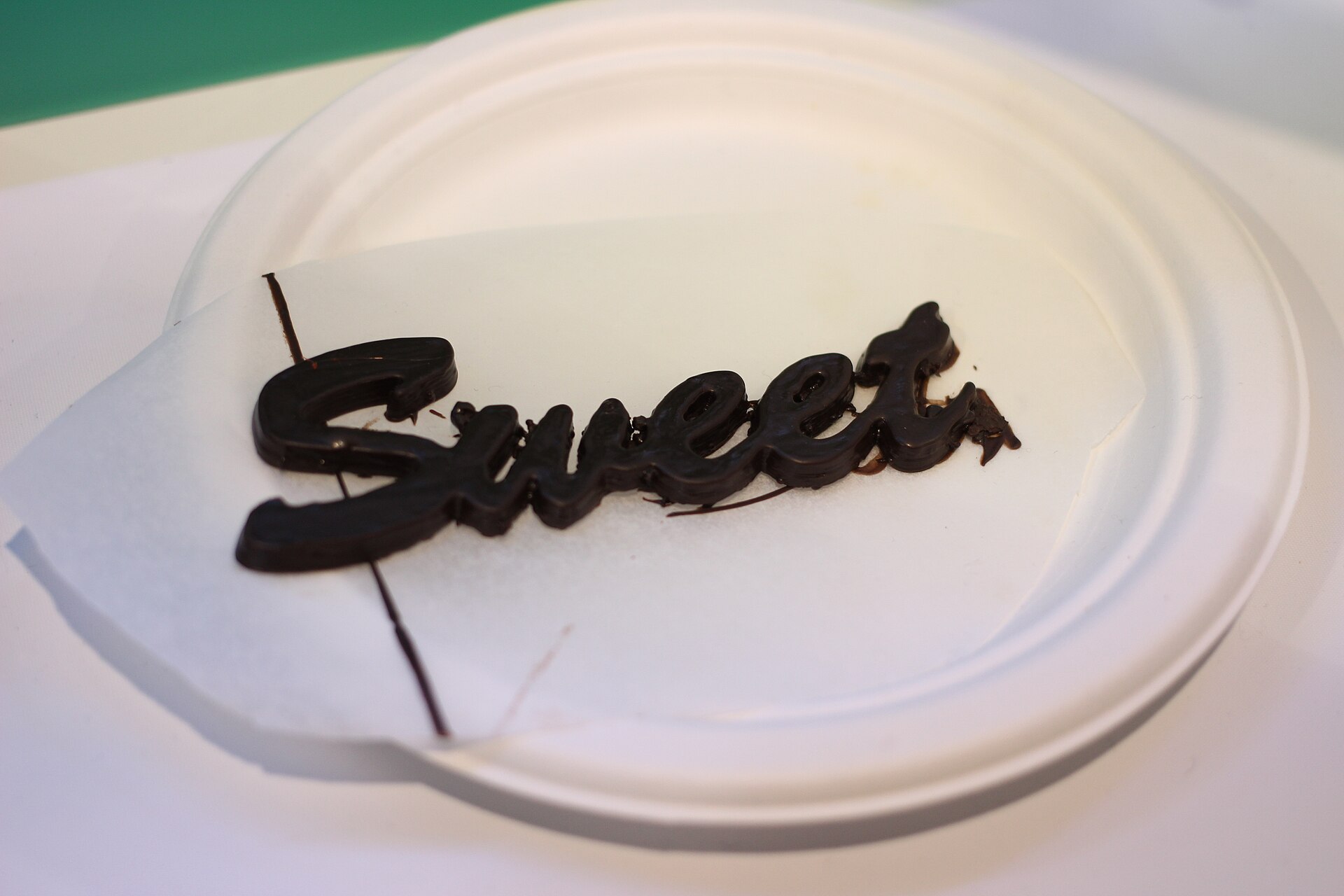
Food printers in restaurants are paste extruders with a nicer frame. A syringe or hopper pushes chocolate, dough, puree, or a soft mix through a nozzle while the head traces a path. The machine does not bake the part and it does not make a formula safe. If the paste was wrong before it entered the syringe, the printer will deposit that same paste in a precise shape.
Where it earns a place on the pass
The useful jobs are repetitive and visual: a chocolate lattice, a dough texture, a row of identical garnishes. Tall shapes slump if the paste is warm or wet. Chocolate still needs to be tempered if you want snap, and a warm kitchen will undo a thin wall. Plan the printer as a station with its own cloths, not as a gadget at the back of the filament shelf.
Cross-contact is the failure that matters. A nozzle that saw a nut paste in the afternoon cannot quietly switch to a dairy garnish. Give each allergen family its own contact parts, and wash them the way you wash a piping tip. The rest of the printer, the rails and the screen, should stay out of the food.
- Keep the food machine away from resin, solvent, and shop towels.
- Chill or set the paste on a plan, not as a surprise at service.
- Write down nozzle size and speed when a shape finally holds.
- If cleaning takes longer than the plate, the shape is not worth it.
Do this next
- 1
Pick one paste and learn its temperature window before you design a tall shape.
- 2
Use a food-contact syringe and nozzle, and do not borrow them from a resin bench.
- 3
Clean for the next allergen as if the machine were a piping bag. Because it is one.
- 4
Print onto a surface you can chill or serve from, not onto a bare machine bed.
More from the desk
Eight other notes from the rest of the bench.
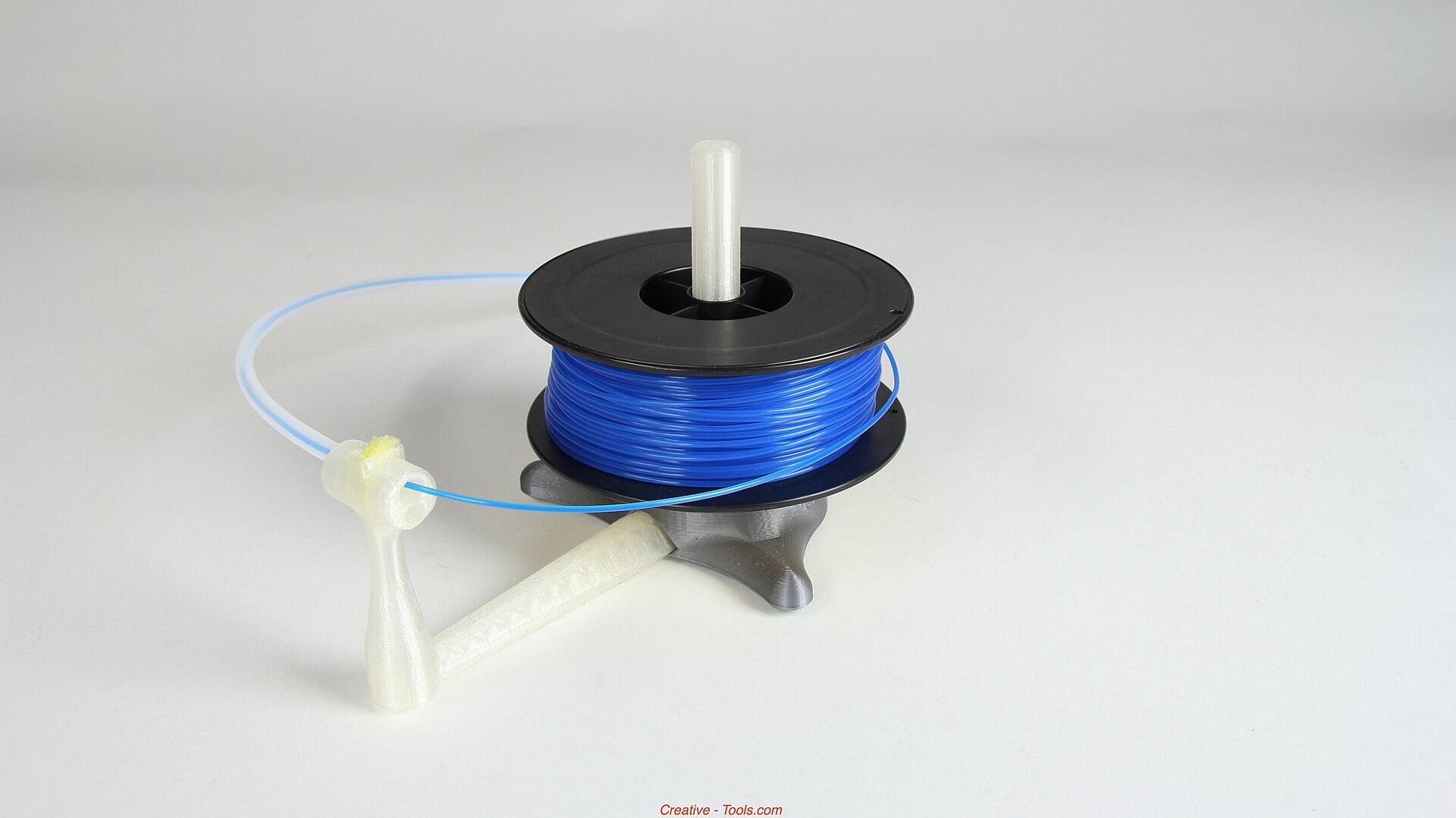 MaterialsPLA, PETG, and ABS After the Part Leaves the BedThe easy spool is not always the one that survives a warm car, a clamp, or a weekend outdoors.
 GuidesMesh Checks Before You SliceMost bad prints of downloaded files are scale, holes, or walls the nozzle cannot make.
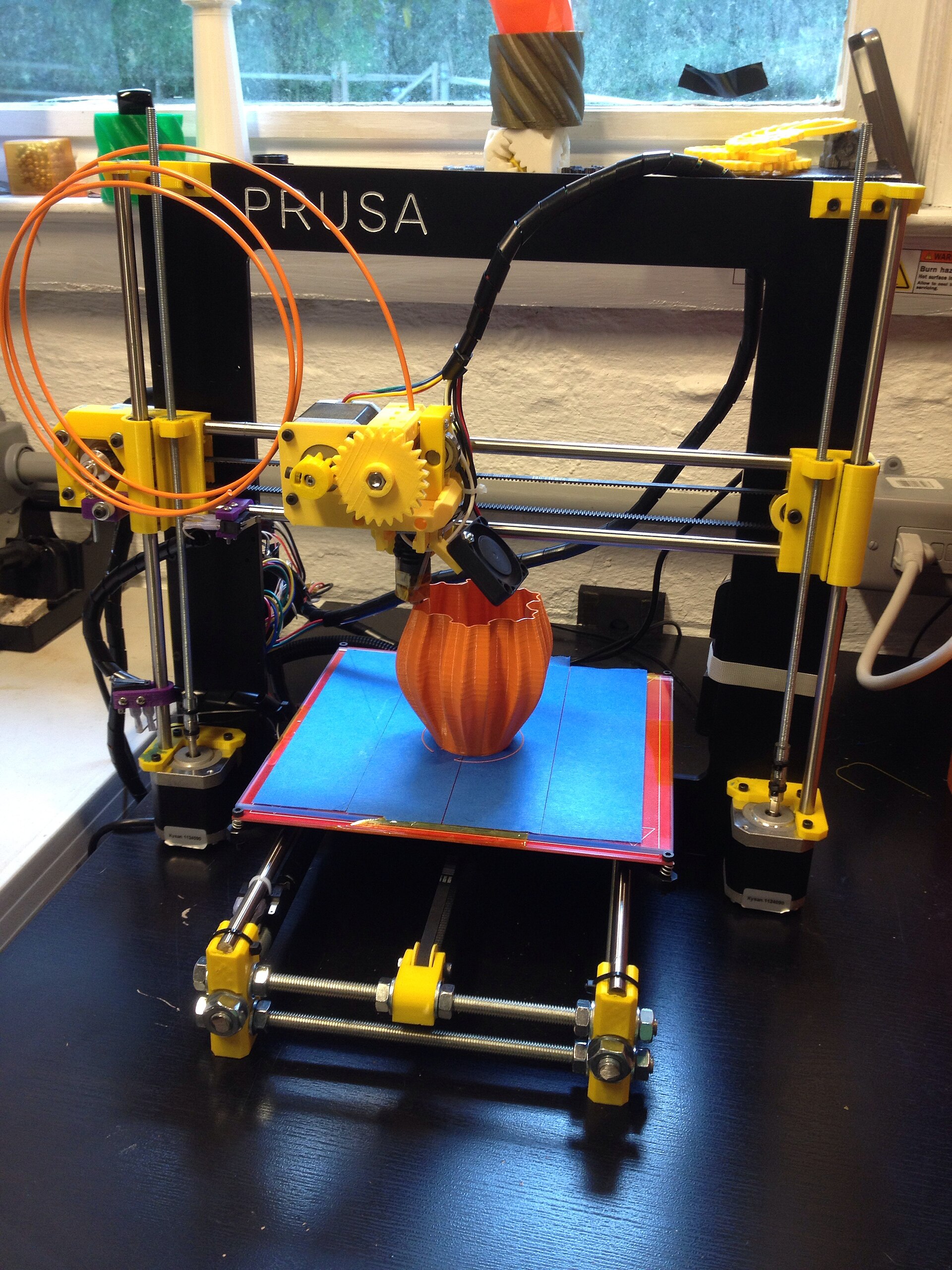 PrintersContinuous Fiber on a Desktop MachineA strand laid into the part is strong along its length. Across the strand, you still have plastic.
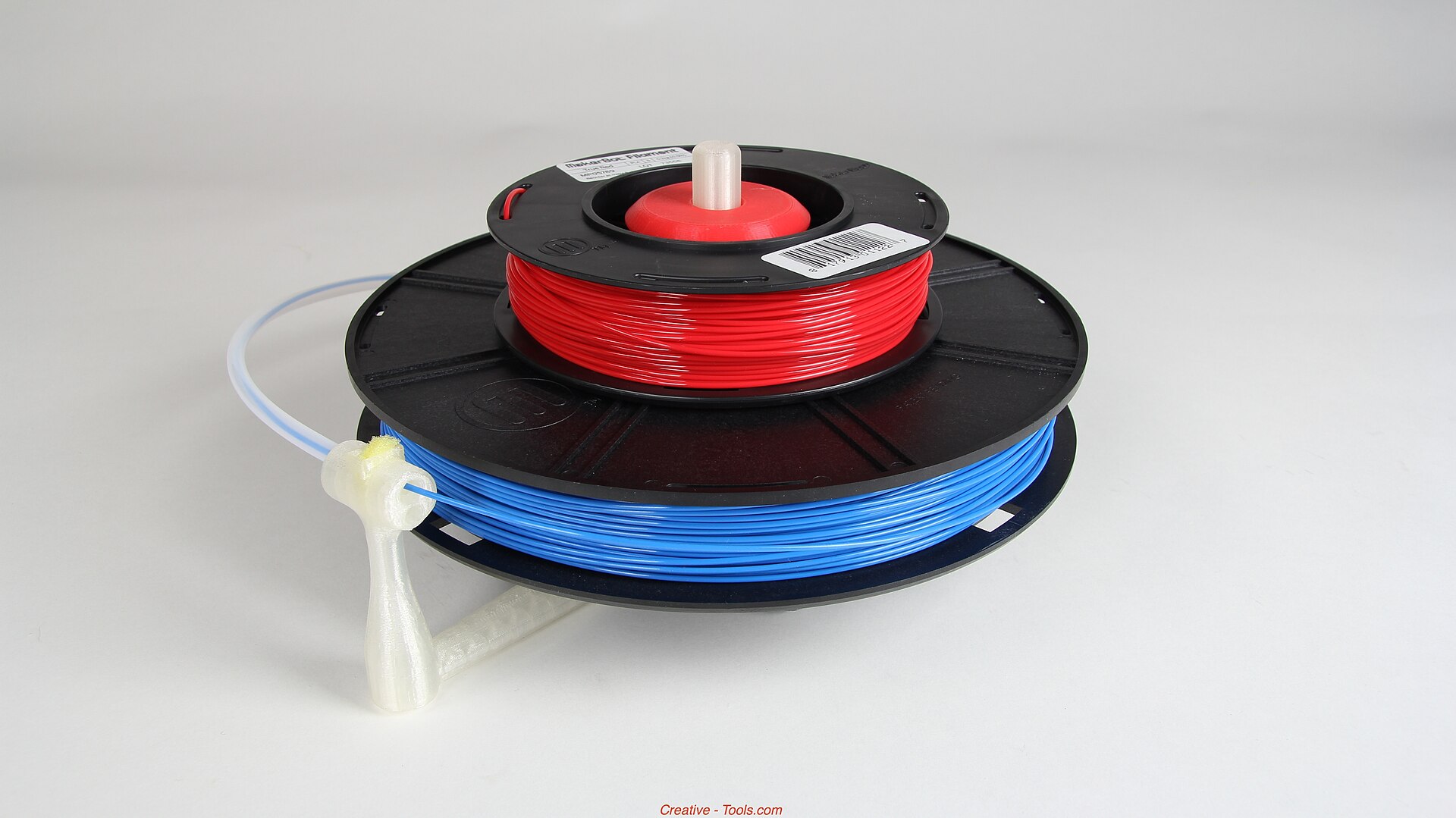 MaterialsTurning Scrap Plastic Into FilamentA filament extruder can reuse one clean plastic. Mixed scrap, wet flake, and a wandering diameter will not.
 ApplicationsPrinted Models for Clinics and Dental LabsA model for a conversation is a different object from a guide that touches a patient. The resin decides which one you printed.
 PrintersHow to Compare Resin Printers Without the Spec FogResolution numbers are the loud part. The vat, the film, and the smell decide whether you live with the machine.
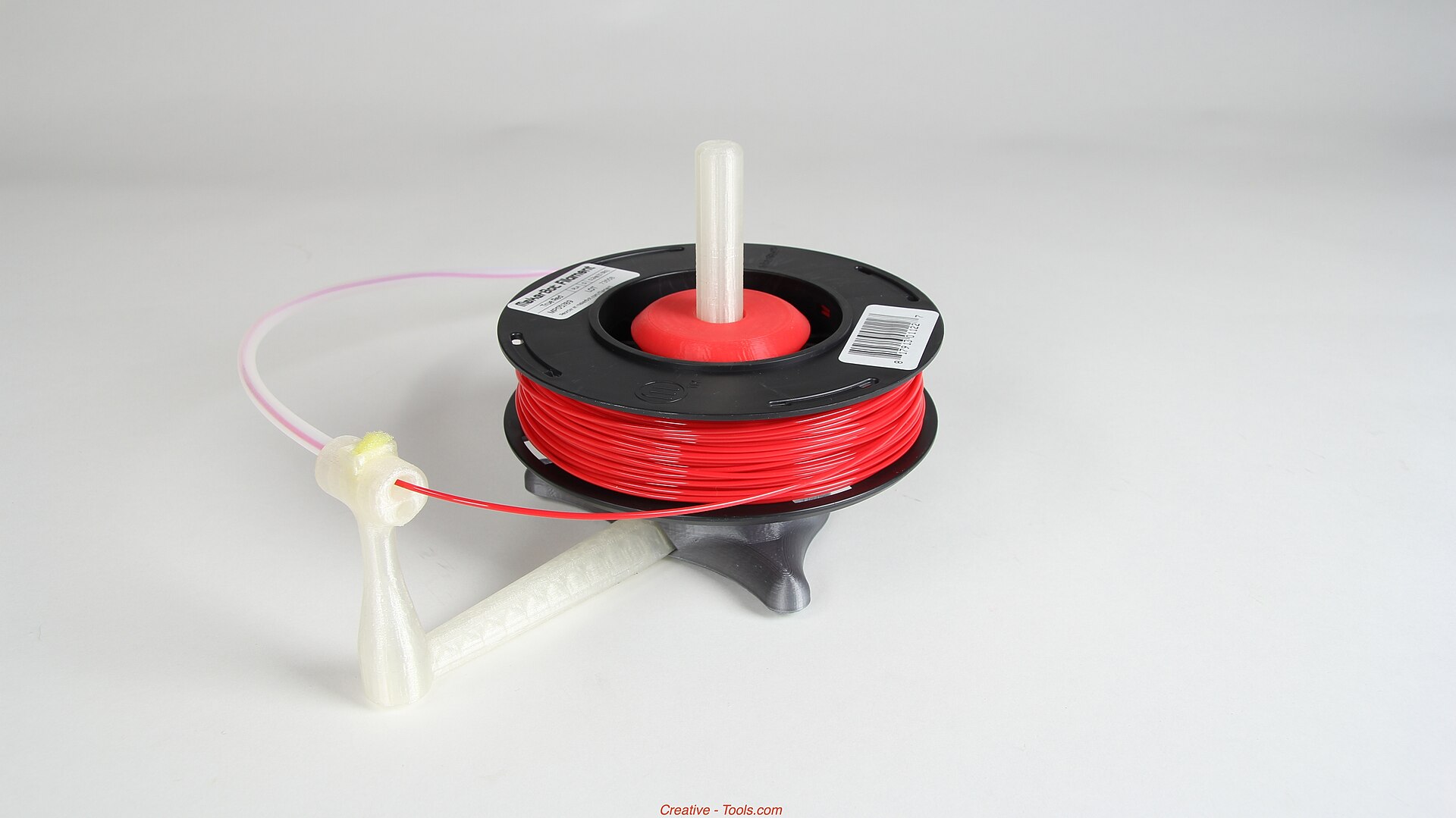 MaterialsFlexible Filament Without the GuessworkFlexible filament buckles when you rush it. Shore hardness and a short path to the nozzle matter more than a secret profile.
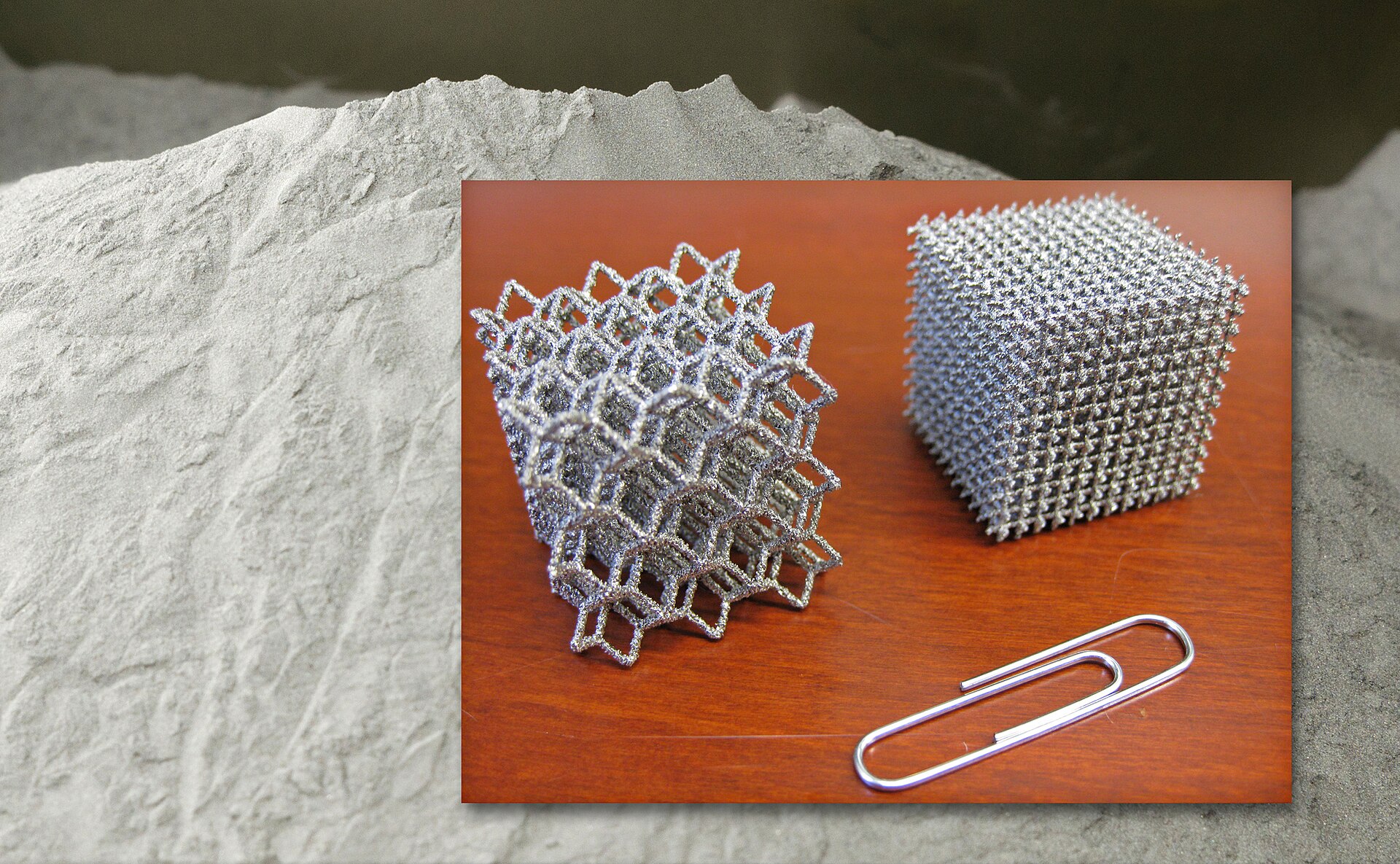 NewsWatching a Metal Build While It Is Still RunningStopping a bad metal build early saves powder and hours. It does not replace the inspection after the door opens.