Materials
PLA, PETG, and ABS After the Part Leaves the Bed
The easy spool is not always the one that survives a warm car, a clamp, or a weekend outdoors.
- 3 min read
- Materials
- Eight more stories
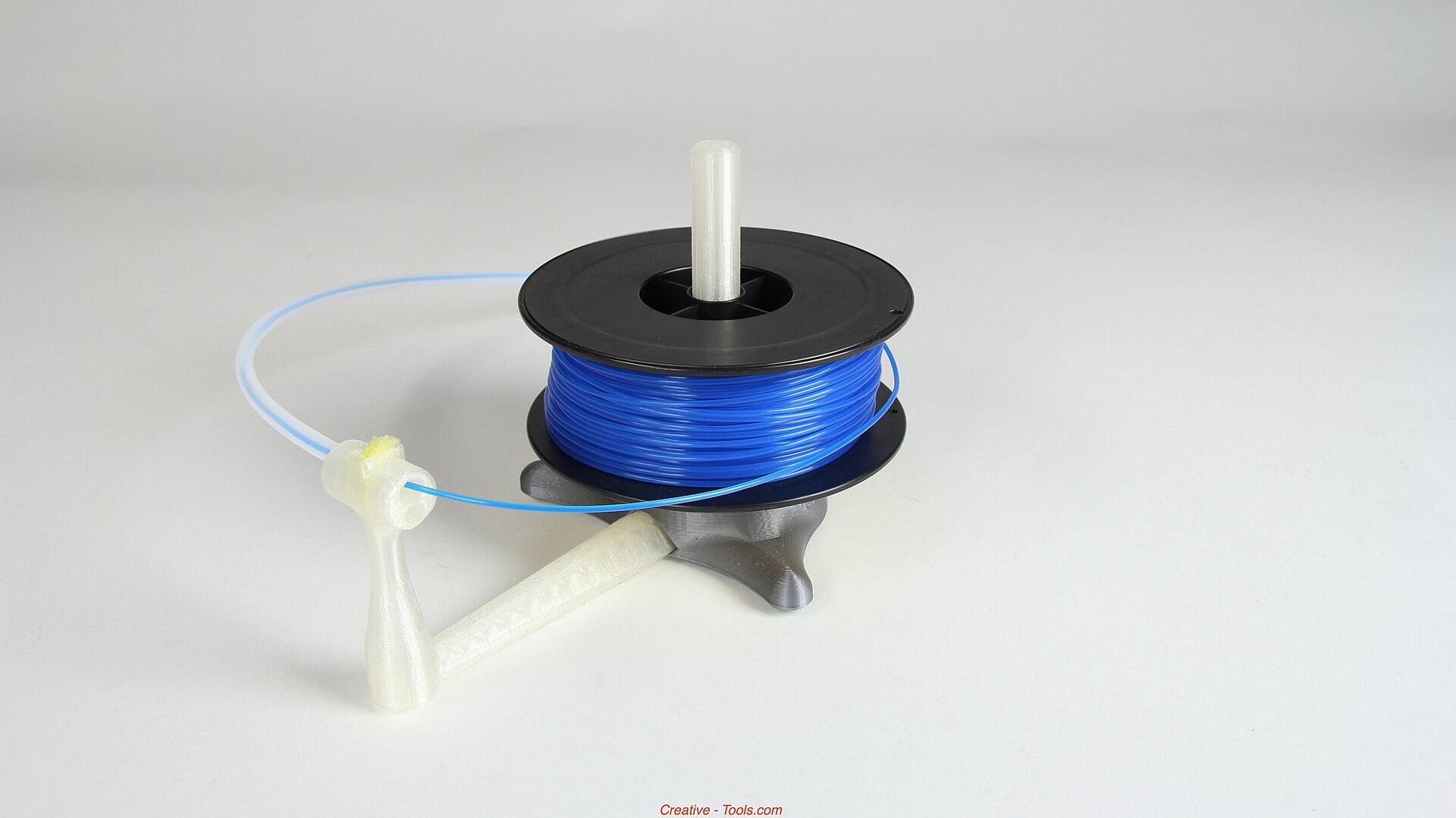
PLA is the spool that makes a new printer look competent. It melts at a friendly temperature, holds detail, and then softens in a sunny window or under a lamp. Use it for jigs that stay indoors and cool, for models, and for anything you can reprint without grief. Do not use it for a clip on a heater, a hook in a car, or a fixture next to a motor.
When the part has to keep its shape
PETG takes more heat and more abuse, and it strings if it is wet or too hot. It can bond to a bed so well that it takes the coating with it, so use a release layer the maker of the bed agrees with. ABS goes further on heat and can be smoothed with a solvent process in a controlled setup, but it wants a warm enclosure and it puts fumes in the room. If you cannot enclose and vent, choose a different polymer instead of hoping a cracked window is a system.
None of the three is a metal. Layer lines are the weak plane. A bracket printed flat may snap in a way the same shape, printed on its side, resists. The material choice and the orientation are one decision.
- Match nozzle and bed temperatures to the spool label first.
- Keep spools dry, especially PETG, and re-dry if the surface foams.
- Do not mix a shop food surface with any of these melts.
- Reprint in the stiffer orientation before you switch brands.
Do this next
- 1
Write the hottest temperature the part will see, including a closed car.
- 2
Dry PETG before you blame the printer for strings.
- 3
Print ABS in an enclosure and vent the room. Do not sniff it for sport.
- 4
Orient layers so the load does not peel the part apart at the seams.
More from the desk
Eight other notes from the rest of the bench.
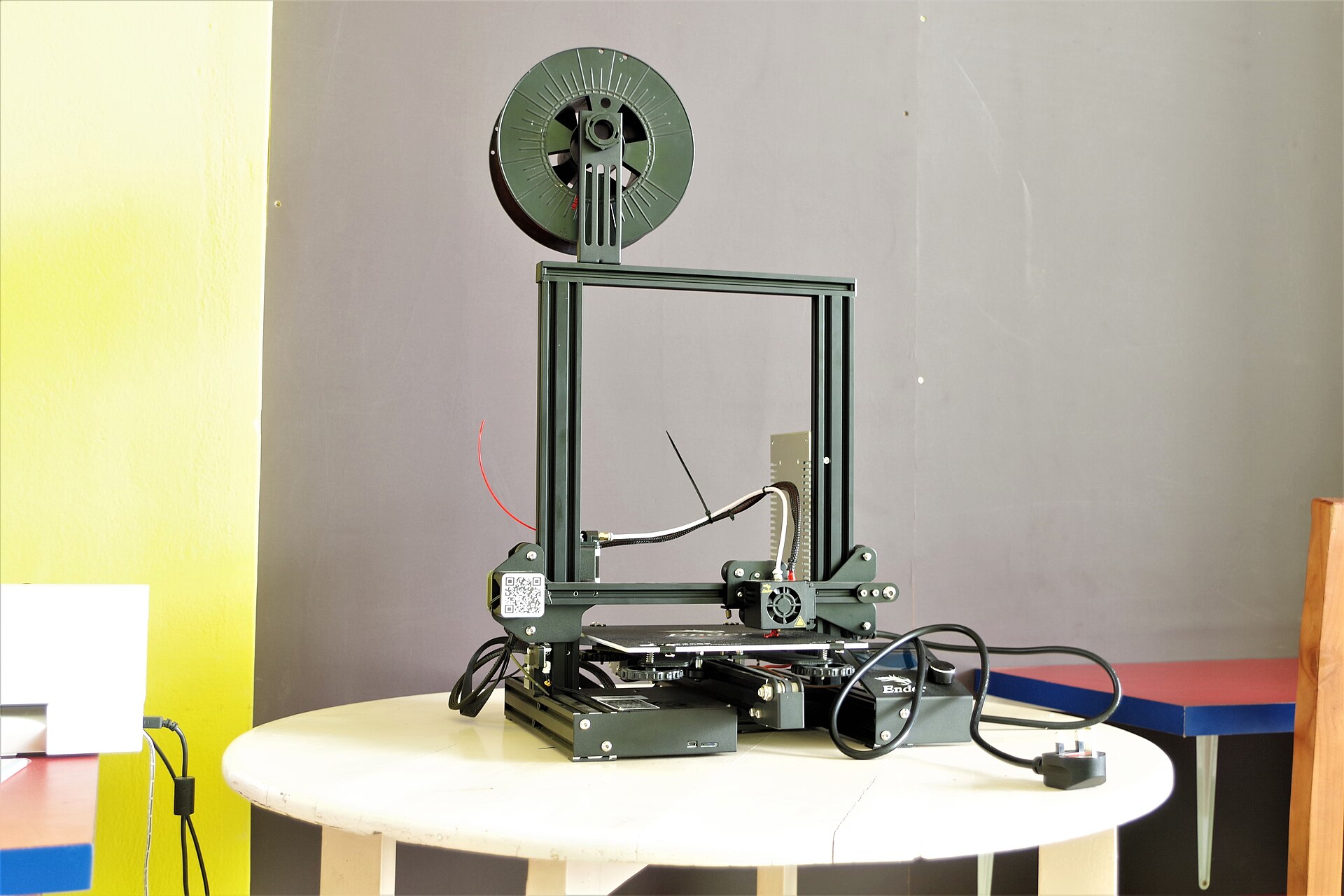 ApplicationsPrinted Metal That Has to FlyA light lattice is not a flight part until the powder, the recipe, and the inspection travel with it.
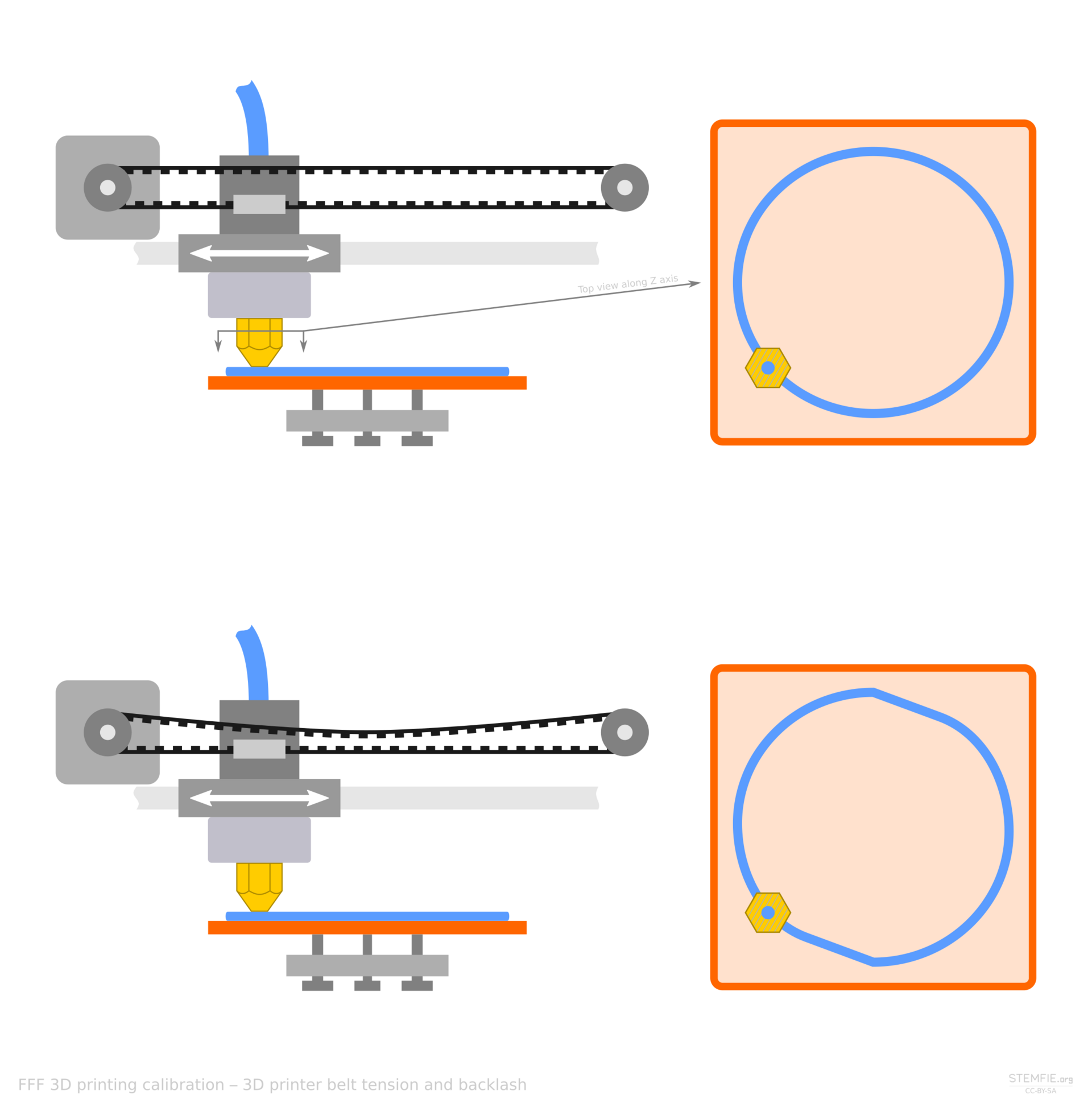 PrintersBelts, Lead Screws, and Linear MotorsMost desks move with belts. Screws trade speed for stiffness. Linear motors remove the belt, and the modest price.
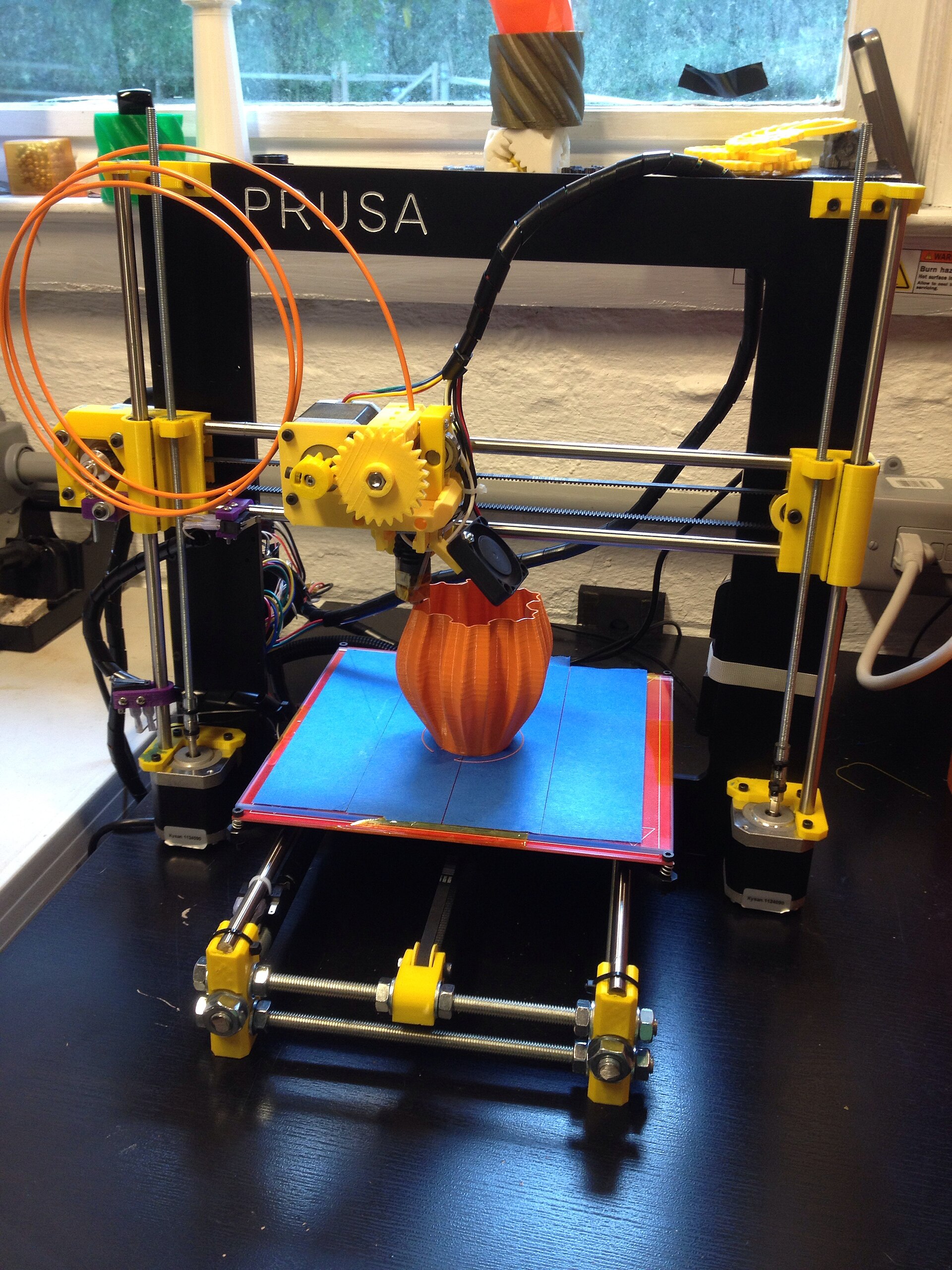 PrintersContinuous Fiber on a Desktop MachineA strand laid into the part is strong along its length. Across the strand, you still have plastic.
 PrintersHow to Compare Resin Printers Without the Spec FogResolution numbers are the loud part. The vat, the film, and the smell decide whether you live with the machine.
 GuidesThe G-code Lines Worth ReadingYou do not need to hand-write a toolpath. You do need to read the top of the file when a print fails the same way every time.
 GuidesHow to Read a Metal Printing QuoteThe machine rate is the small line. Heat treat, supports, and inspection are where the quote gets honest.
 PrintersWhat a Larger Resin Vat ChangesA bigger vat is not a small vat with more room. The peel, the pour, and the wash all get heavier.
 GuidesVolumetric Printing in Plain LanguageInstead of drawing a part one layer at a time, volumetric printing tries to cure the whole shape in one exposure.