Printers
What a Larger Resin Vat Changes
A bigger vat is not a small vat with more room. The peel, the pour, and the wash all get heavier.
- 3 min read
- Printers
- Eight more stories
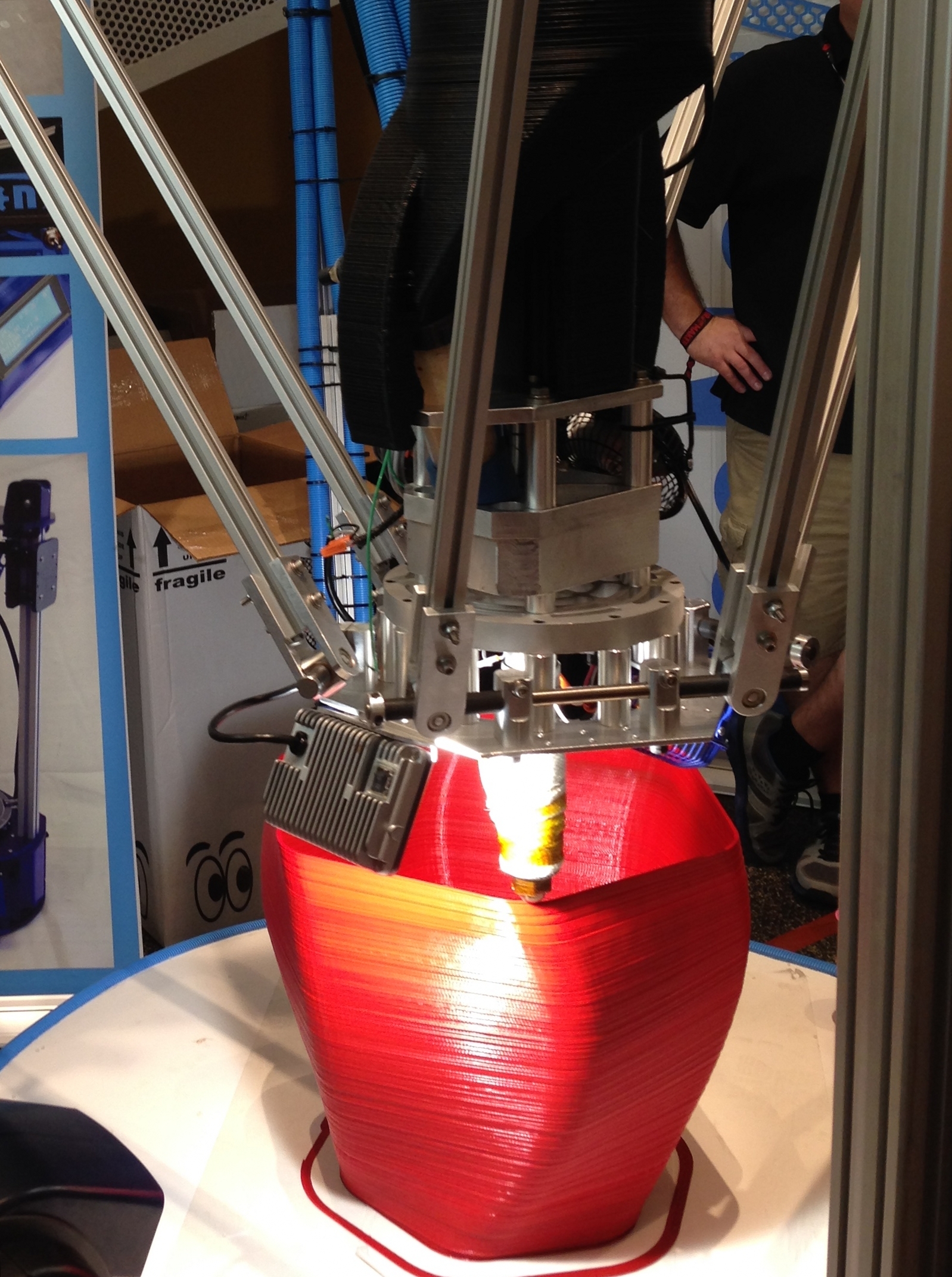
Large-format resin machines exist because a small build plate forces you to slice props, patterns, and dental arches into pieces. A wider vat lets the whole part sit in one go. The trade is mechanical. Each layer has to separate from a bigger film, so peel force goes up. Supports that were fine on a small printer start to bruise the surface or tear off.
The boxes around the vat
People shop the build volume and then discover the wash. A part that fits the printer may not fit the wash station, and a liter of solvent that was enough for miniatures is a puddle under a helmet. Cure light falls off in the corners of a big chamber. Plan those two boxes with the printer, or the large vat becomes a large queue.
Detail can stay high if the pixel size stays small. Do not assume a bigger machine is a coarser one, and do not assume it is sharper either. Read the pixel size at the film. Then print a thin wall at the corner of the plate, not only in the middle.
- Corner detail is the honest test of a wide screen.
- Resin left in a large vat still ages. Plan a lid and a stir.
- Spill volume is the full vat, not a cup.
- Supports need a rewrite when the peel gets stronger.
Do this next
- 1
Measure the part, then the wash container, then the cure box. The vat is only the first box.
- 2
Price a full vat fill, not a sample bottle.
- 3
Ask how the film is tensioned. A wide film sags and clouds detail.
- 4
Put a lipped tray under the machine before the first pour.
More from the desk
Eight other notes from the rest of the bench.
 NewsA Desk That Prints, Washes, and Cures ResinThe print is the tidy part. Washing and curing are where a small resin setup usually spills.
 GuidesVolumetric Printing in Plain LanguageInstead of drawing a part one layer at a time, volumetric printing tries to cure the whole shape in one exposure.
 MaterialsCopper Alloys on a Laser Powder BedCopper shrugs off heat and throws light back. That is why it is useful, and why the laser struggles.
 ApplicationsWhat Kitchen Printers Actually DepositA kitchen printer pushes paste through a nozzle. It does not invent a recipe, and it does not clean itself.
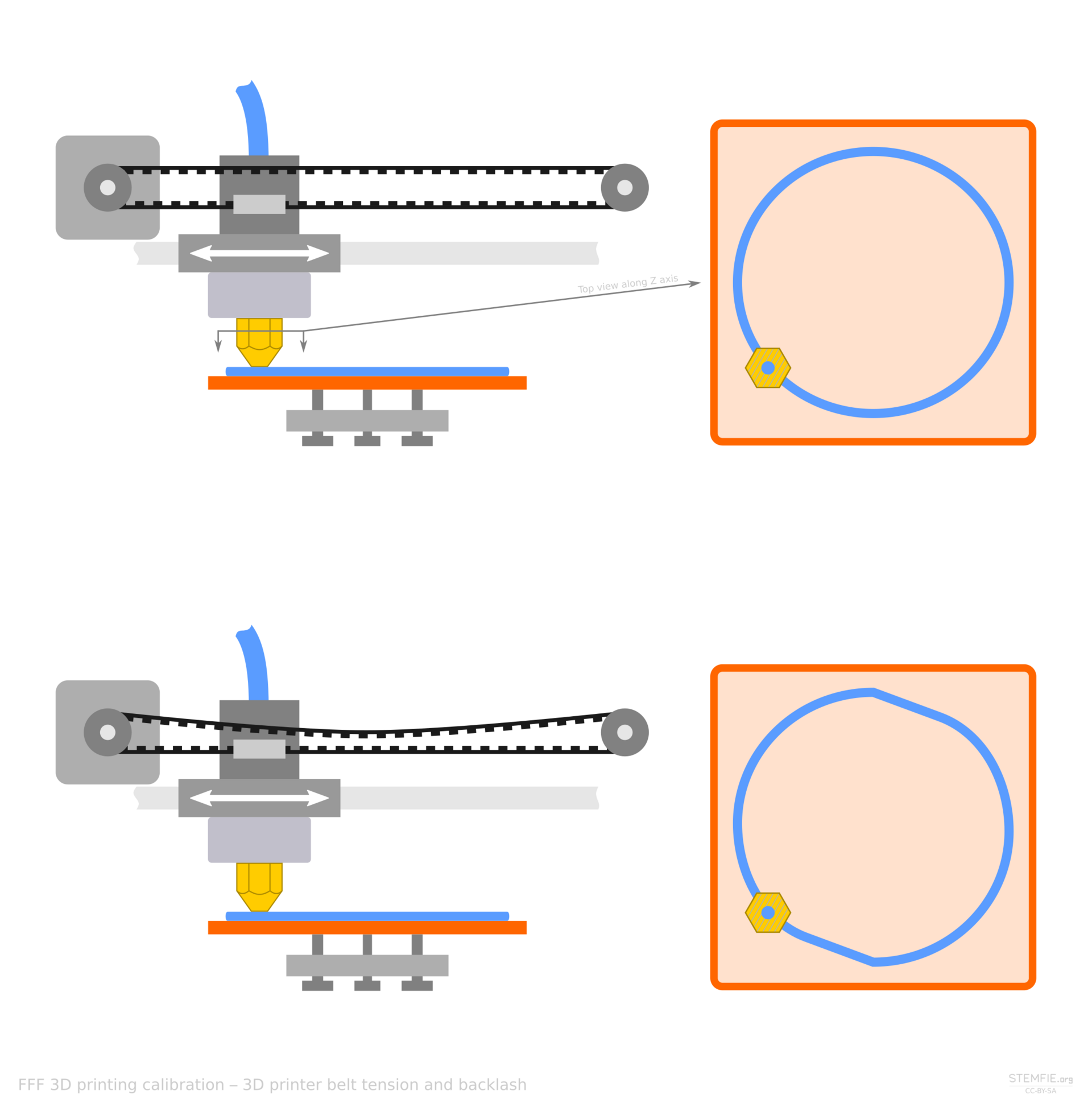 PrintersBelts, Lead Screws, and Linear MotorsMost desks move with belts. Screws trade speed for stiffness. Linear motors remove the belt, and the modest price.
 PrintersHow to Compare Resin Printers Without the Spec FogResolution numbers are the loud part. The vat, the film, and the smell decide whether you live with the machine.
 MaterialsPLA, PETG, and ABS After the Part Leaves the BedThe easy spool is not always the one that survives a warm car, a clamp, or a weekend outdoors.
 ApplicationsPrinted Metal That Has to FlyA light lattice is not a flight part until the powder, the recipe, and the inspection travel with it.