Guides
Volumetric Printing in Plain Language
Instead of drawing a part one layer at a time, volumetric printing tries to cure the whole shape in one exposure.
- 3 min read
- Guides
- Eight more stories

Ordinary printing stacks layers. Volumetric printing tries to skip that queue. A vat of resin rotates, or sits in front of a calculated light field, and the exposure adds up inside the volume until the shape solidifies at once. The public versions of this idea showed up in research labs late in the last decade. The pictures are striking because a centimeter-scale part appears in well under a minute.
What the trick still owes you
Light has to travel through resin without scattering into a fog, so the materials are a narrower set than a bottle on a hobby shelf. Thick, opaque, filled resins fight the process. Support is different, sometimes lighter, but wash and final cure do not vanish. A part that appears in seconds can still need the same careful handling as any uncured resin.
Treat vendor films as evidence of a process, then ask for a part in your material, at your size, with a measured wall. If the answer is a lattice the size of a coin, you learned the state of the machine. That is useful. It is not a purchase order.
- Layer seams are reduced only if the cure is truly volumetric.
- Heat and oxygen inhibition still exist. Ask how they are handled.
- Resolution in a clear demo resin may not survive a filled resin.
- Service, resin supply, and software lock-in matter more than the clip.
Do this next
- 1
Separate the demo video from a machine you can buy and service.
- 2
Ask what resin is qualified. The optics and the chemistry are a pair.
- 3
Ask the largest solid section, not only the tallest lattice.
- 4
Compare total time, including wash and cure, with a normal vat printer.
More from the desk
Eight other notes from the rest of the bench.
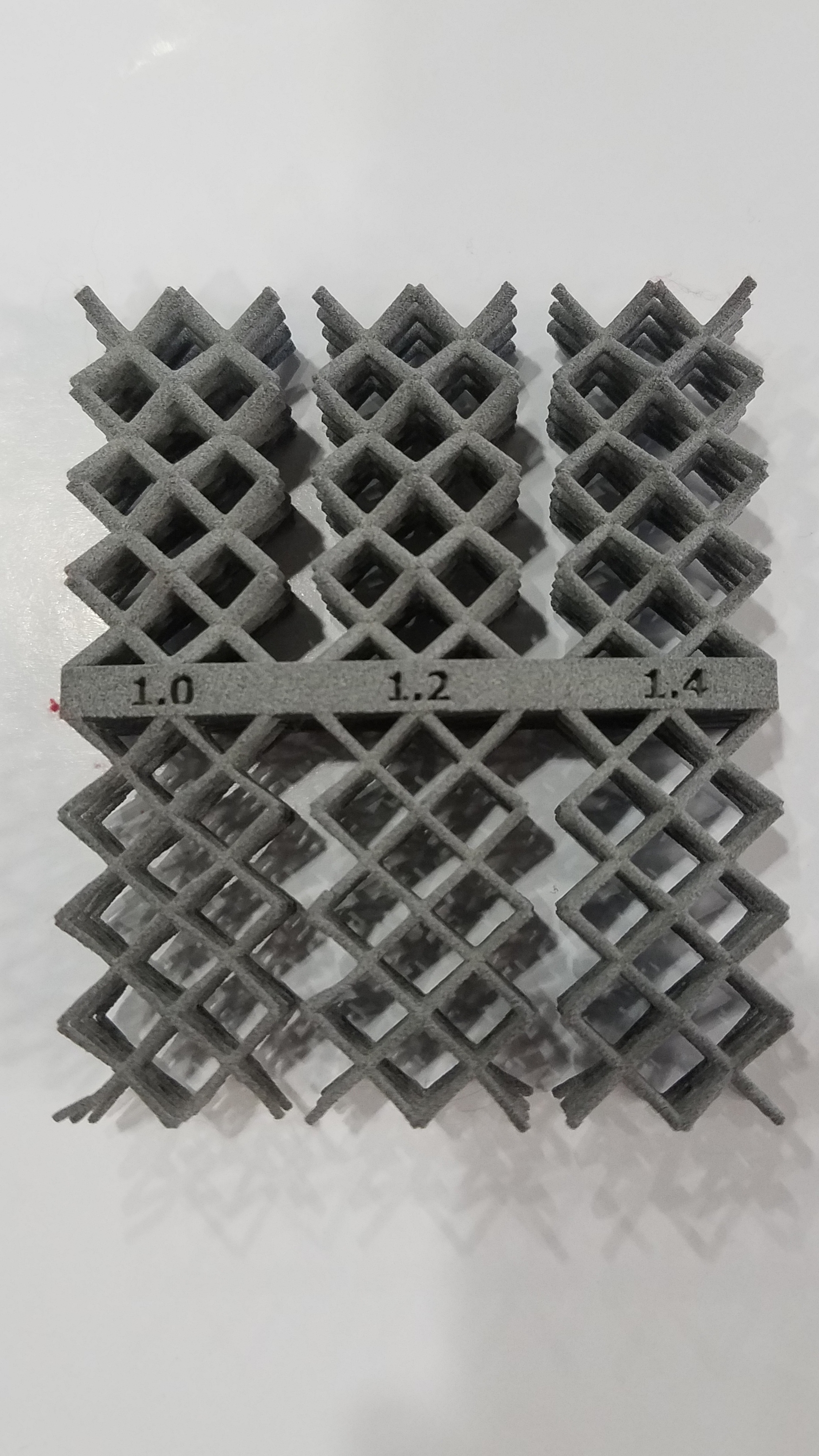 SoftwareFrom a Sentence to a Printable MeshA model generator can hand you a shape in a minute. The slicer still needs a closed, scaled, thick-enough solid.
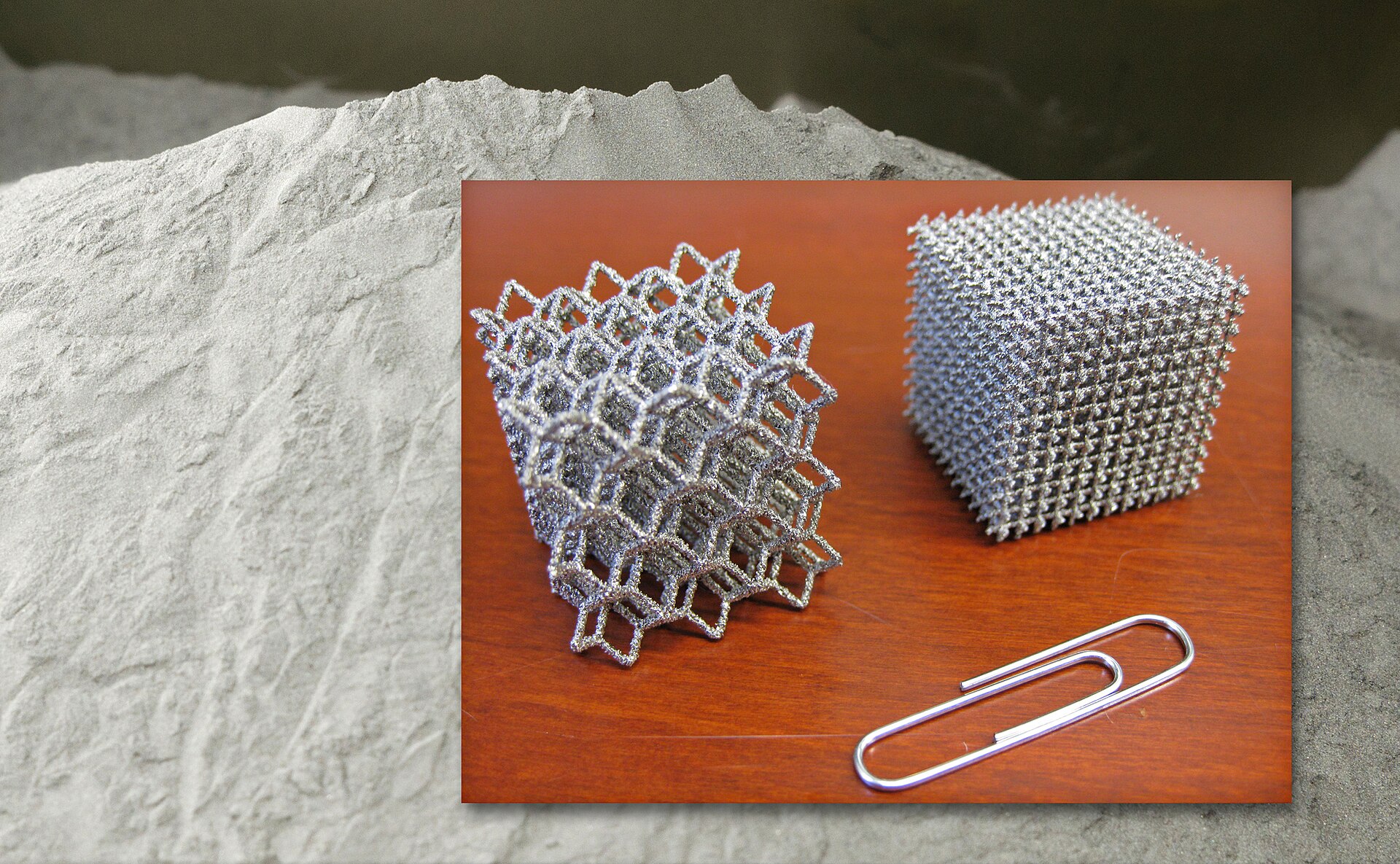 NewsWatching a Metal Build While It Is Still RunningStopping a bad metal build early saves powder and hours. It does not replace the inspection after the door opens.
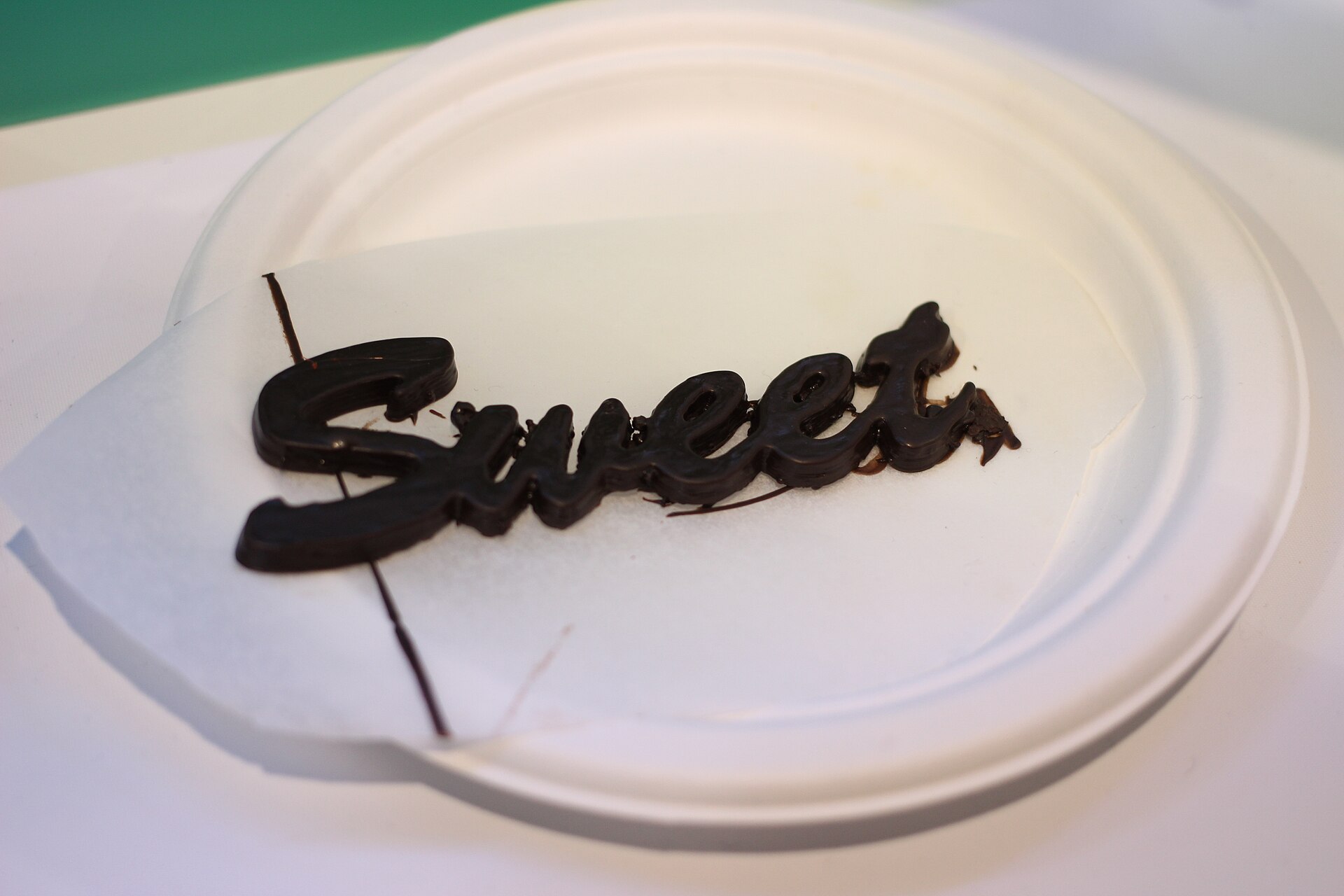 ApplicationsWhat Kitchen Printers Actually DepositA kitchen printer pushes paste through a nozzle. It does not invent a recipe, and it does not clean itself.
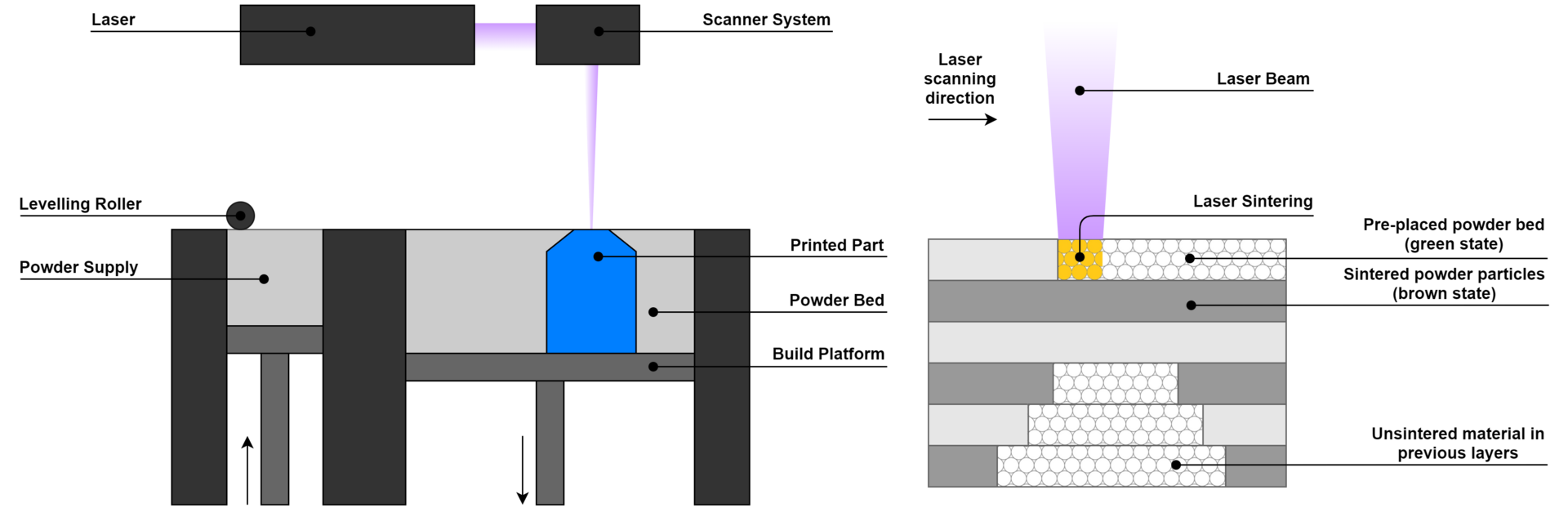 PrintersWhen Powder-Bed Nylon Beats FilamentPowder supports itself. That is the gift. Cooling time, refresh rate, and a sandy surface are the bill.
 ApplicationsPrinted Models for Clinics and Dental LabsA model for a conversation is a different object from a guide that touches a patient. The resin decides which one you printed.
 PrintersHow to Compare Resin Printers Without the Spec FogResolution numbers are the loud part. The vat, the film, and the smell decide whether you live with the machine.
 NewsA Desk That Prints, Washes, and Cures ResinThe print is the tidy part. Washing and curing are where a small resin setup usually spills.
 GuidesHow to Read a Metal Printing QuoteThe machine rate is the small line. Heat treat, supports, and inspection are where the quote gets honest.