Materials
Copper Alloys on a Laser Powder Bed
Copper shrugs off heat and throws light back. That is why it is useful, and why the laser struggles.
- 3 min read
- Materials
- Eight more stories
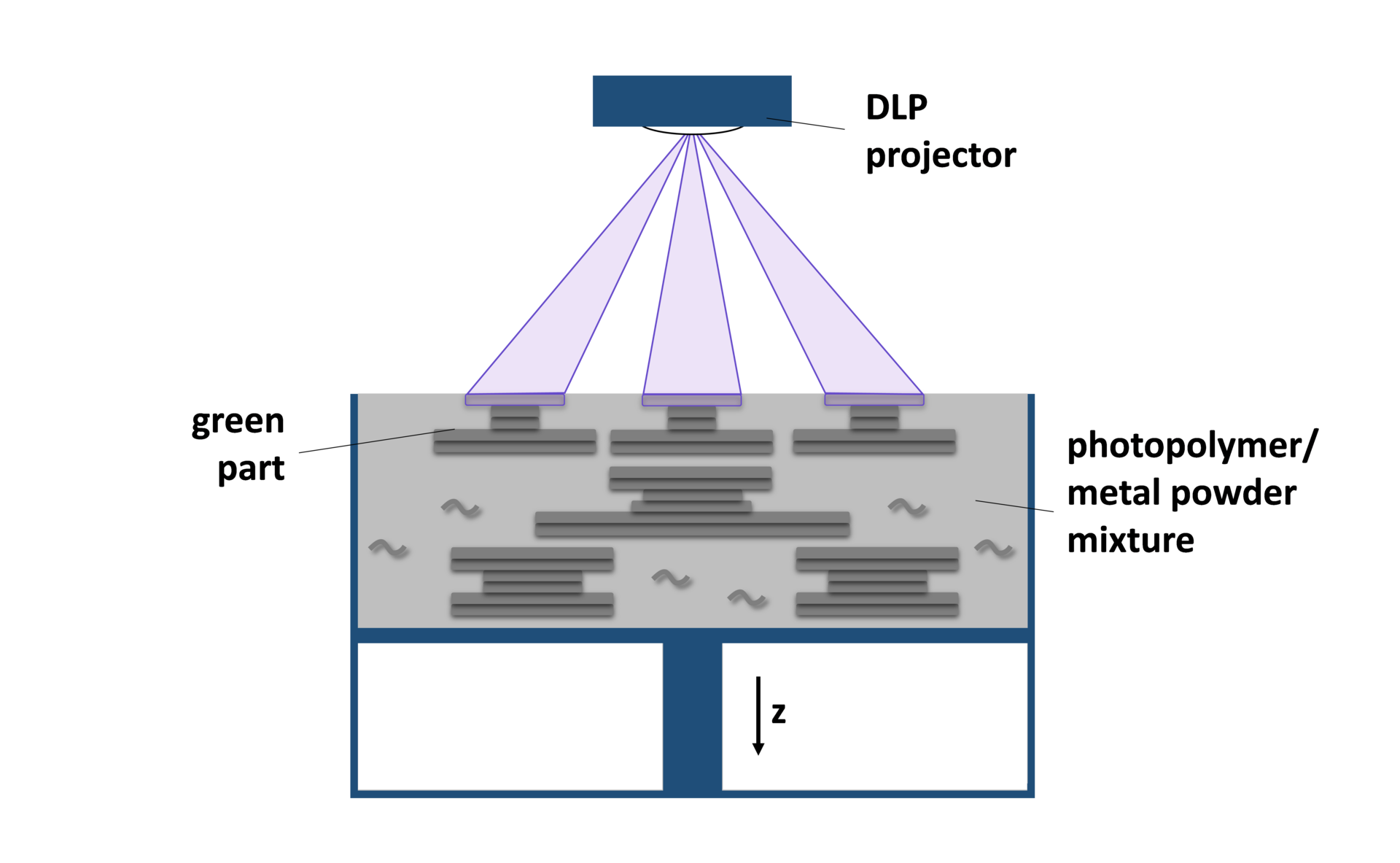
Pure copper is a poor guest in an infrared powder bed. It reflects much of the beam and pulls heat out of the melt so fast that the track can fail to join. Alloys and newer laser setups exist because the industry wants the payoff: channels that cool, bars that conduct, and shapes a machinist would not drill.
What changed, and what did not
Some machines now use green or blue light that copper absorbs more willingly. Others stay with infrared and a parameter set tuned for a specific alloy, slower and hotter than a stainless recipe. Neither trick removes the need for a dry powder, a tight oxygen reading, and a density check. A shiny coupon on a trade-show table is not a heat exchanger that holds pressure.
If you are specifying a part, write the property you need in numbers. Thermal conductivity, electrical conductivity, and a leak rate survive a quote. The phrase advanced copper does not.
- Name the alloy, not just the metal.
- Ask how internal powder is removed from channels.
- Budget a heat treatment if the property sheet depends on one.
- Compare the printed route with a brazed assembly before you commit.
Do this next
- 1
Ask which wavelength and alloy the shop has already qualified, not which one is on a poster.
- 2
Request density and conductivity numbers from a real build, with the heat treatment named.
- 3
Check oxygen control. Copper punishes a sloppy atmosphere.
- 4
Price machining and leak testing if the part has internal channels.
More from the desk
Eight other notes from the rest of the bench.
 MaterialsFlexible Filament Without the GuessworkFlexible filament buckles when you rush it. Shore hardness and a short path to the nozzle matter more than a secret profile.
 ApplicationsPrinted Metal That Has to FlyA light lattice is not a flight part until the powder, the recipe, and the inspection travel with it.
 NewsA Desk That Prints, Washes, and Cures ResinThe print is the tidy part. Washing and curing are where a small resin setup usually spills.
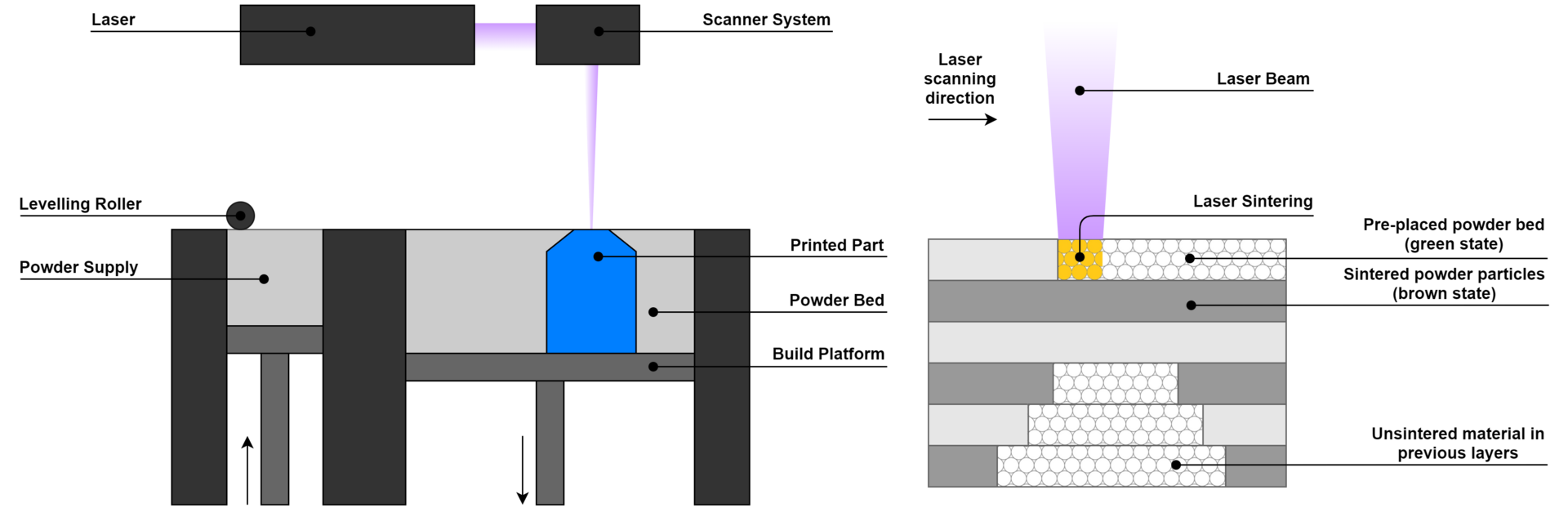 PrintersWhen Powder-Bed Nylon Beats FilamentPowder supports itself. That is the gift. Cooling time, refresh rate, and a sandy surface are the bill.
 ApplicationsPrinted Models for Clinics and Dental LabsA model for a conversation is a different object from a guide that touches a patient. The resin decides which one you printed.
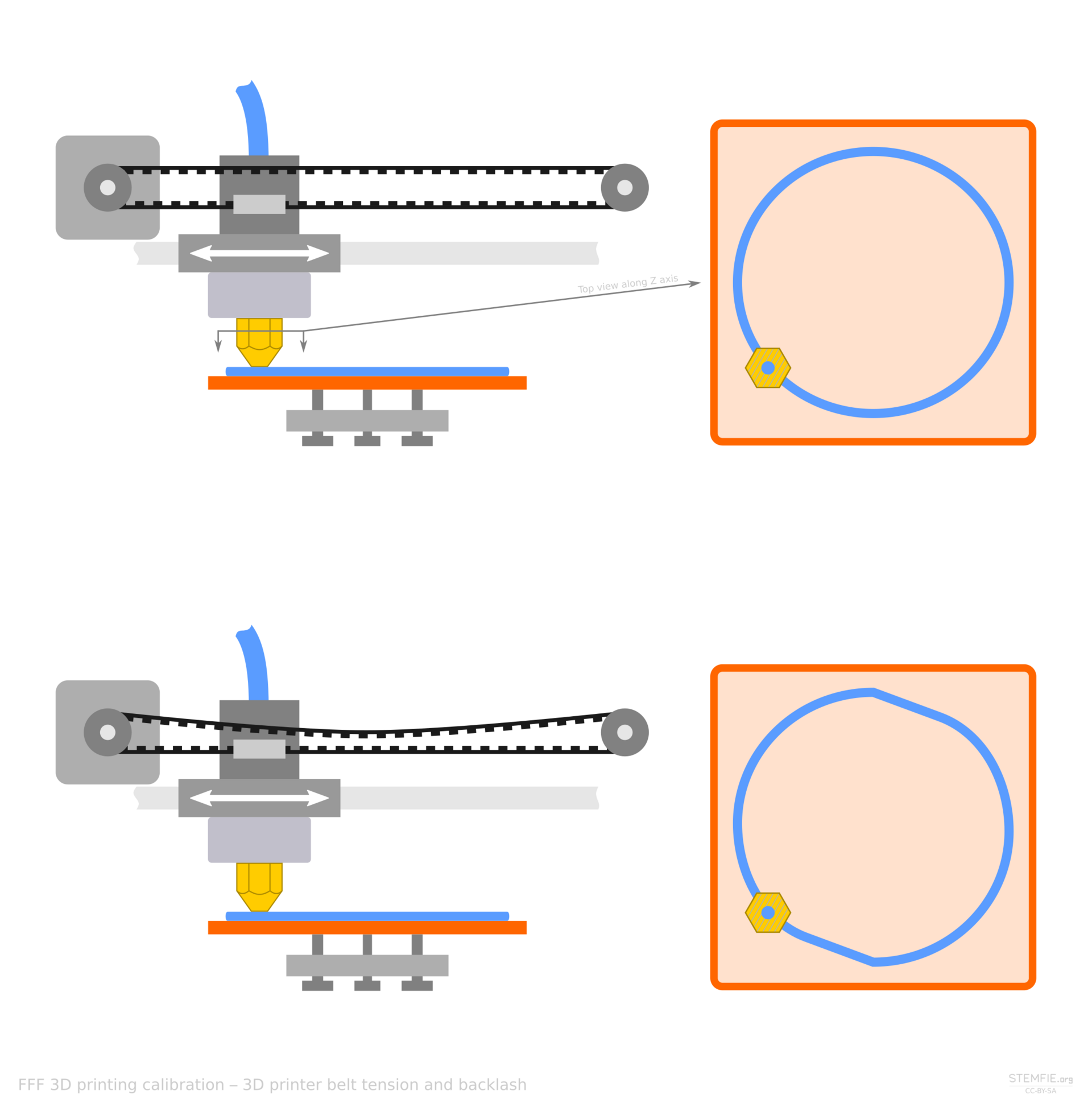 PrintersBelts, Lead Screws, and Linear MotorsMost desks move with belts. Screws trade speed for stiffness. Linear motors remove the belt, and the modest price.
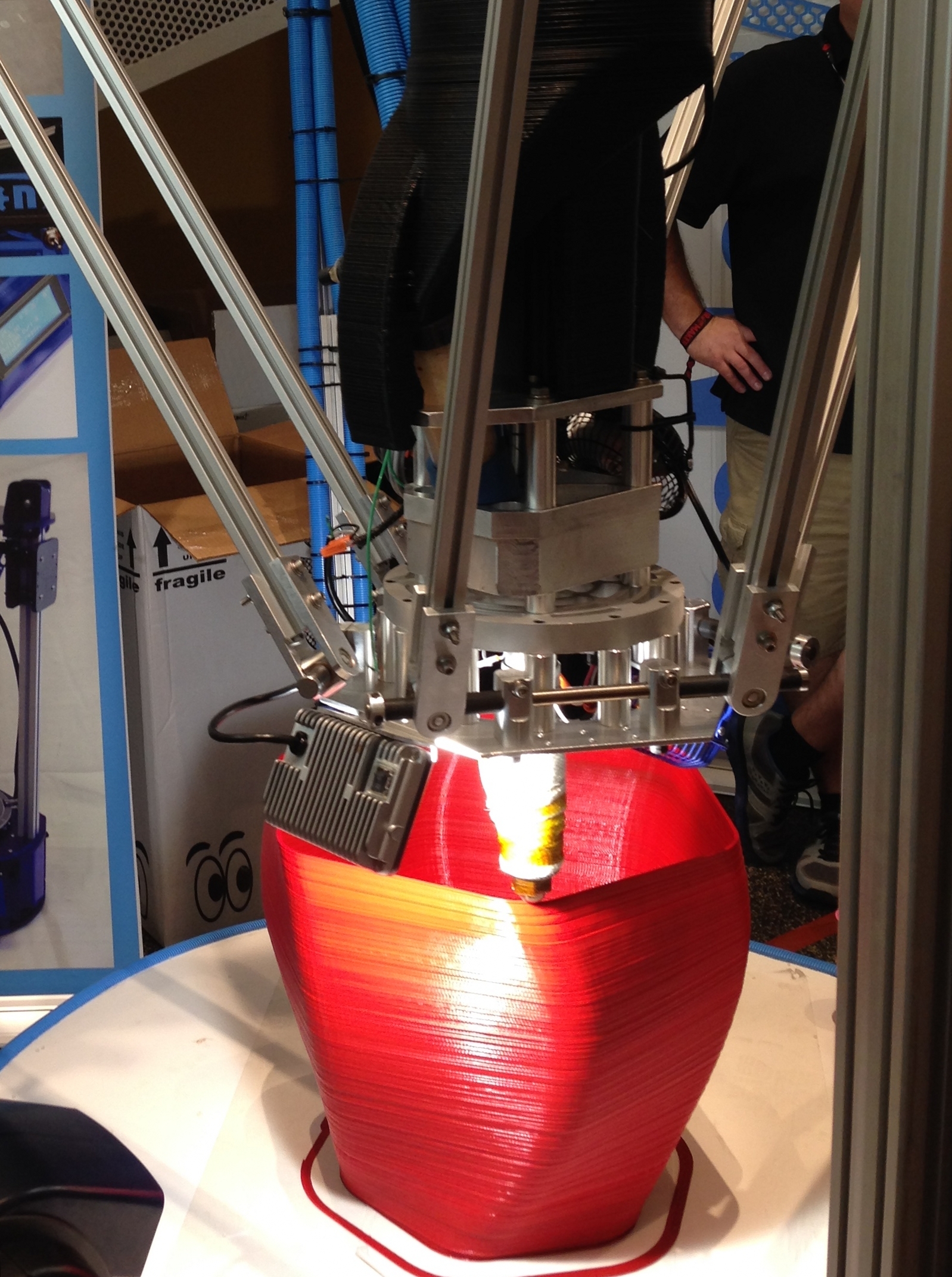 PrintersWhat a Larger Resin Vat ChangesA bigger vat is not a small vat with more room. The peel, the pour, and the wash all get heavier.
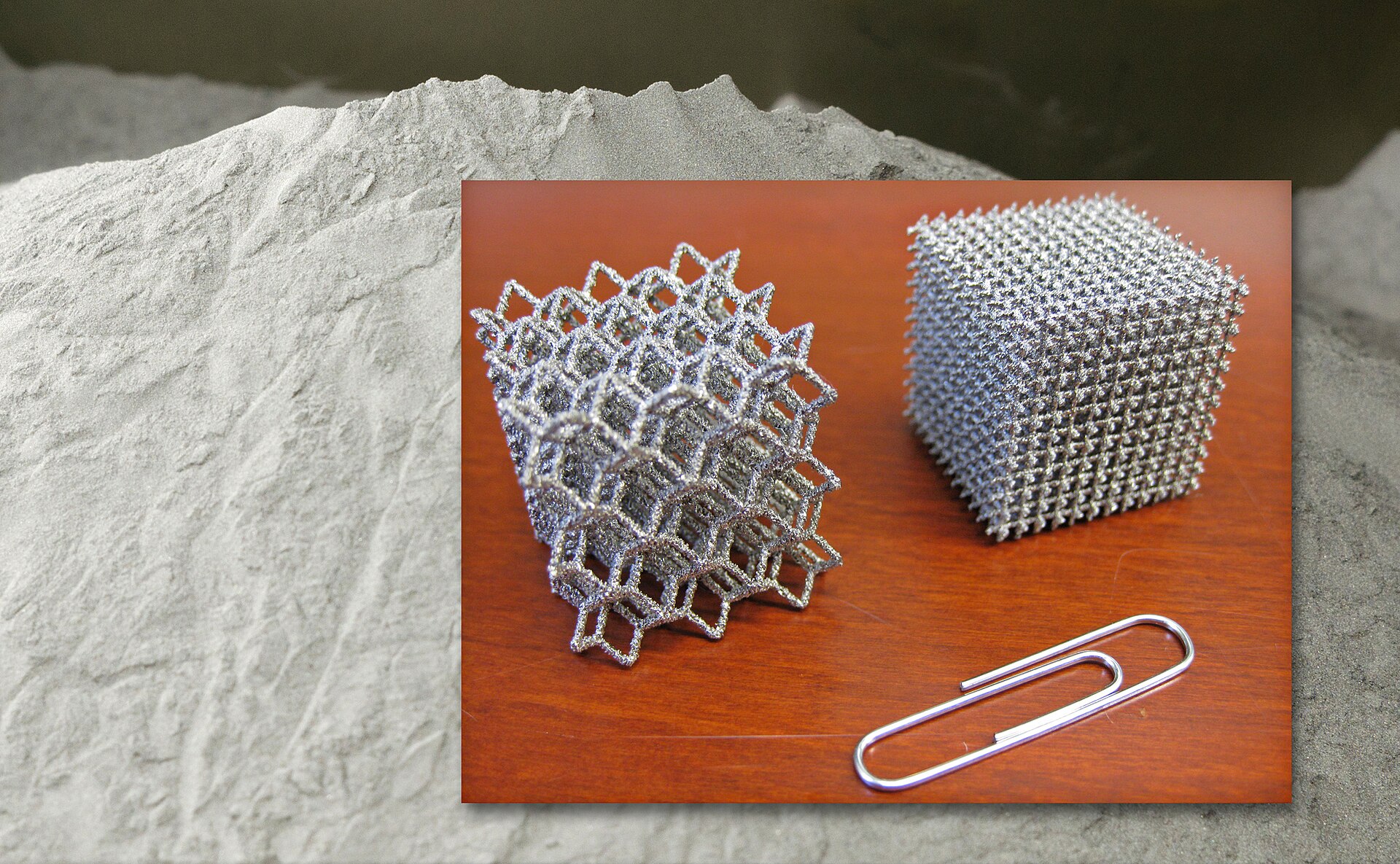 NewsWatching a Metal Build While It Is Still RunningStopping a bad metal build early saves powder and hours. It does not replace the inspection after the door opens.