Materials
Turning Scrap Plastic Into Filament
A filament extruder can reuse one clean plastic. Mixed scrap, wet flake, and a wandering diameter will not.
- 3 min read
- Materials
- Eight more stories
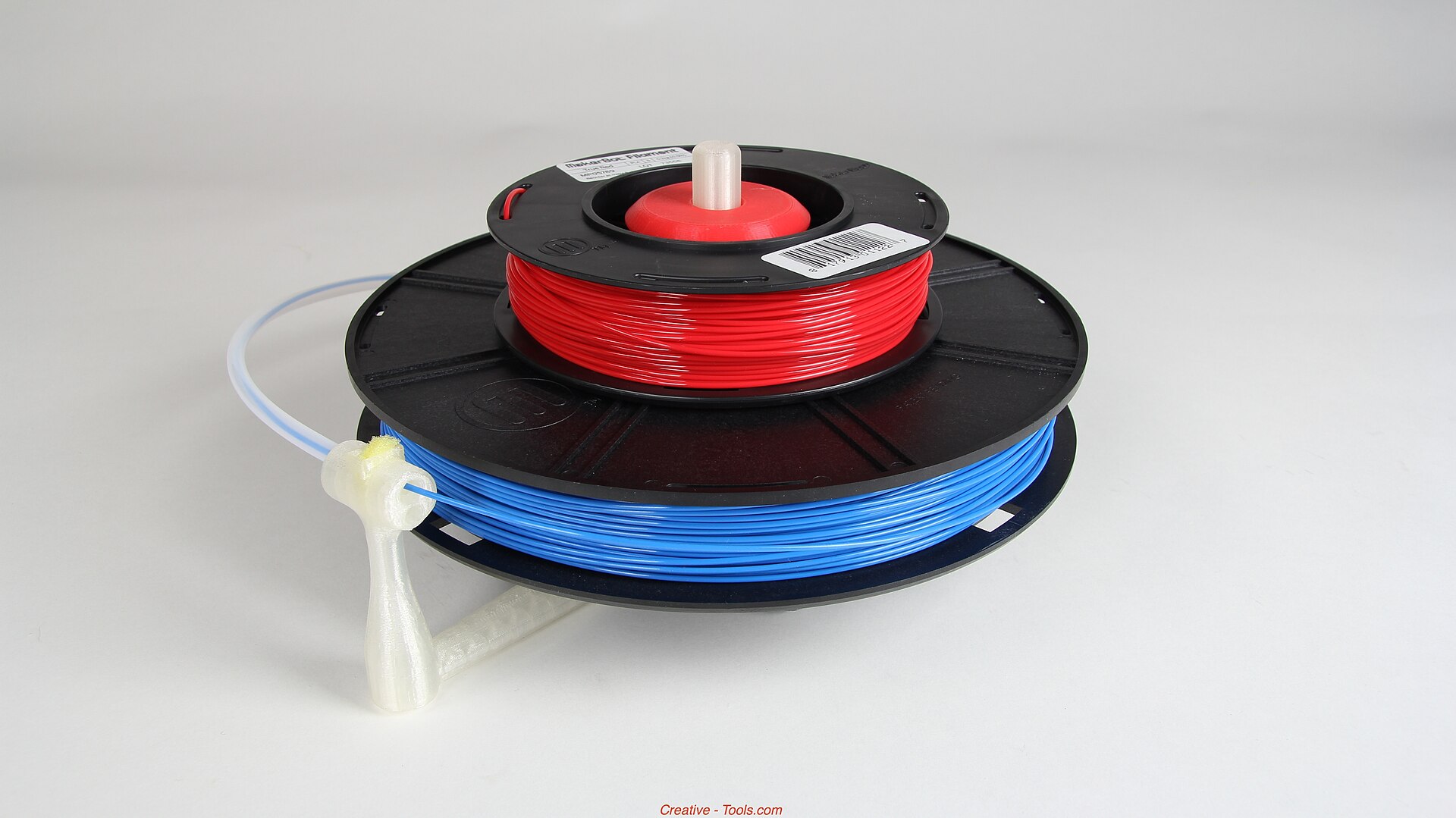
Desktop filament extruders melt pellets or flake and pull a strand onto a spool. Fed with clean, dry, identified plastic, they can turn failed prints into draft filament. Fed with a mystery mix from a recycling bin, they make a brittle, gassy, off-size strand that jams the next printer and smells wrong while it does it.
Tolerance is the product
A printer assumes a diameter, often 1.75 mm, and meters plastic by length. If the strand swells and shrinks, the part under-extrudes and then blobs. Measure a long piece with a caliper and reject a spool that wanders. Dry the flake. Wet plastic foams, and foam is not a cosmetic issue, it is voids. Keep the first spools for fixtures and tests. A part that has to hold a load can wait until the diameter is boringly consistent.
There is also the air in the room. Heating unknown plastic, or even known ABS and nylon, puts fumes where you work. Run the extruder where the air leaves the building. Do not run it beside a food printer, a crib, or an open resin vat. And do not expect a blend of PLA and PETG to behave like either parent. They do not melt as a team.
- Label every spool with the source plastic and the date.
- Throw away flake that saw oil, food, or solvent.
- Start with commercial pellets if you are learning the machine.
- Stop when the strand snaps as it spools. That batch is done.
Do this next
- 1
Sort by polymer. If you cannot name it, do not extrude it.
- 2
Shred, wash if needed, and dry until the strand stops popping.
- 3
Measure diameter along a meter, not at one flattering spot.
- 4
Vent the extruder. Melted scrap is not a scented candle.
More from the desk
Eight other notes from the rest of the bench.
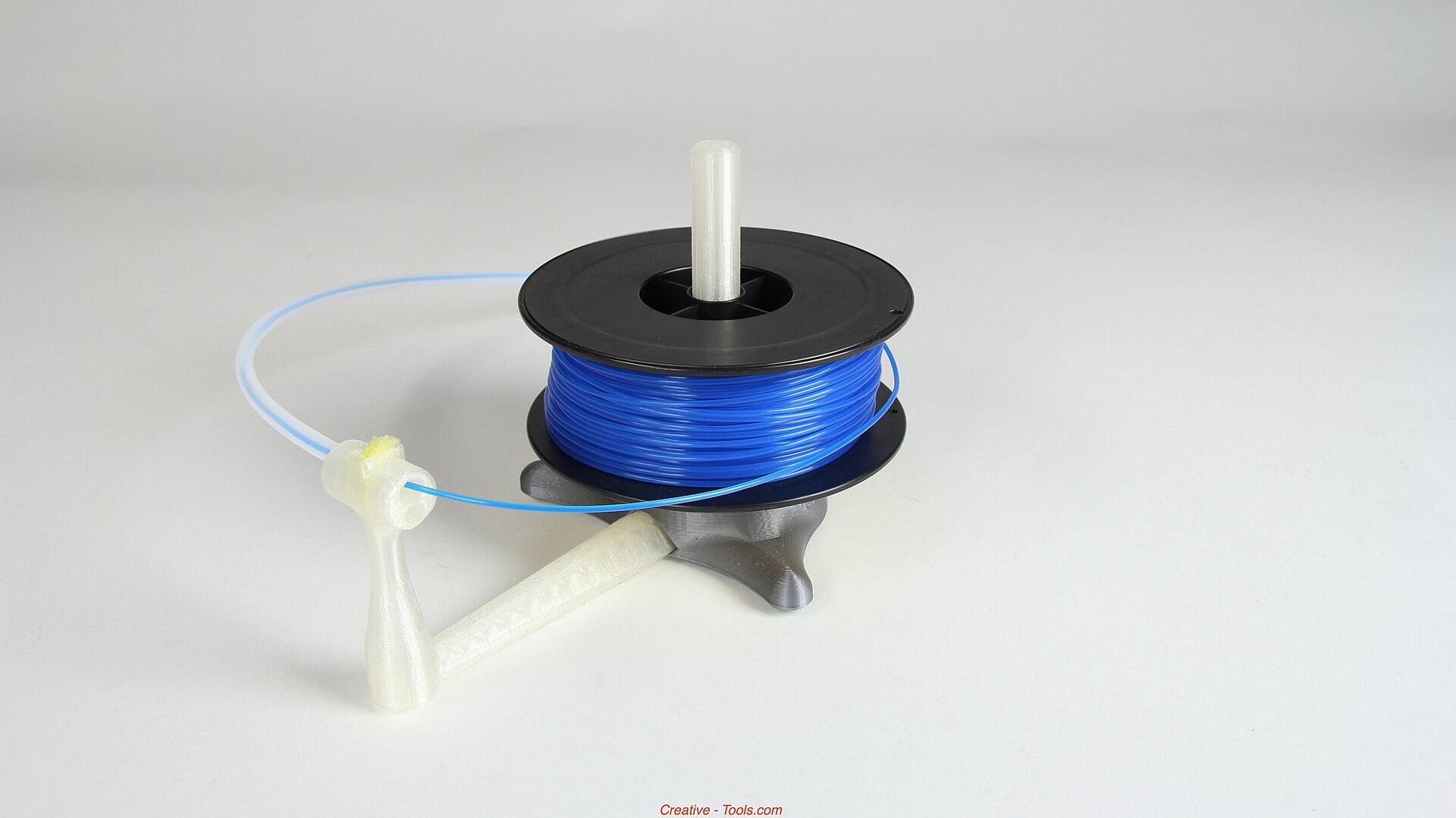 MaterialsPLA, PETG, and ABS After the Part Leaves the BedThe easy spool is not always the one that survives a warm car, a clamp, or a weekend outdoors.
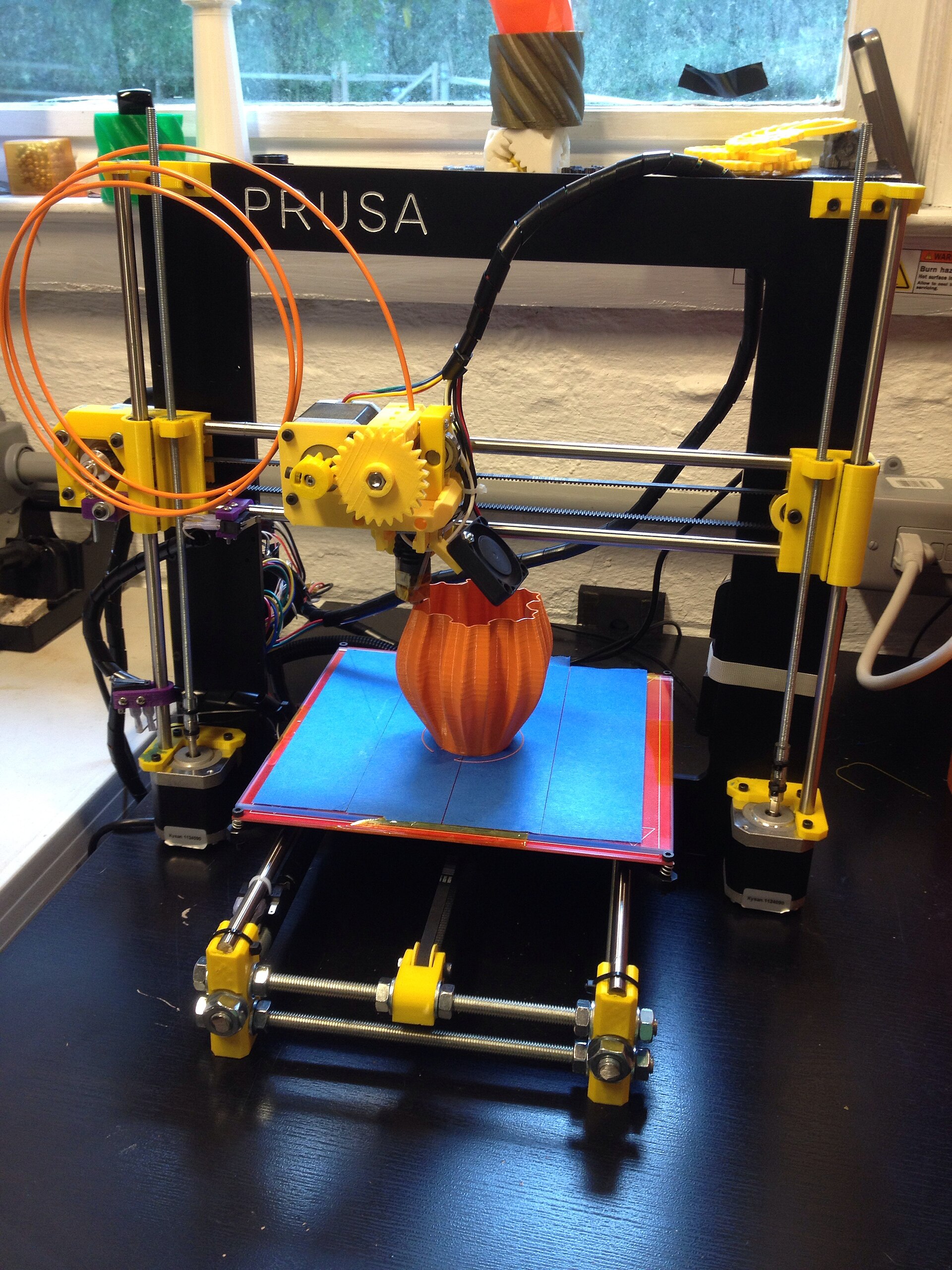 PrintersContinuous Fiber on a Desktop MachineA strand laid into the part is strong along its length. Across the strand, you still have plastic.
 GuidesHow to Read a Metal Printing QuoteThe machine rate is the small line. Heat treat, supports, and inspection are where the quote gets honest.
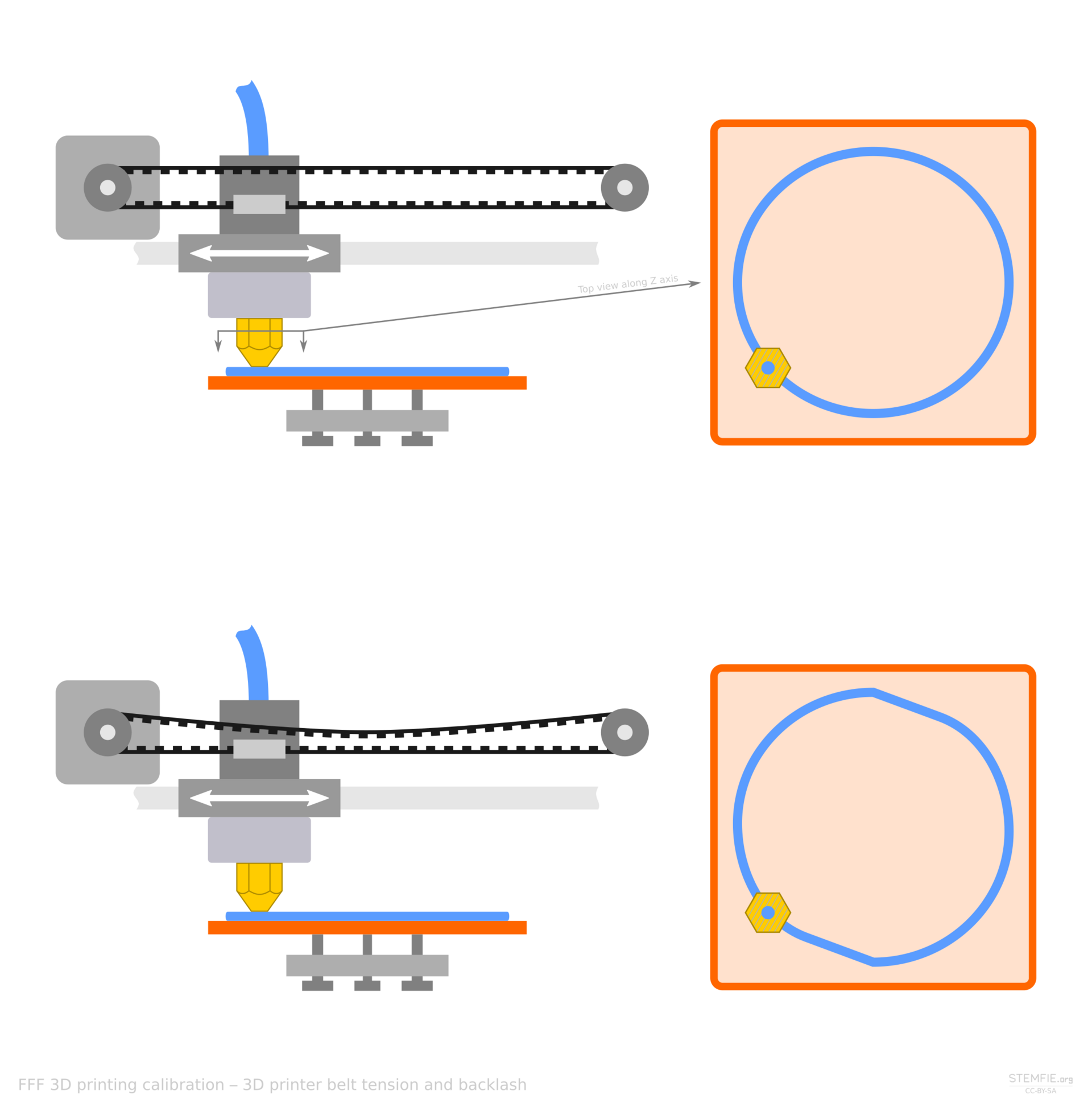 PrintersBelts, Lead Screws, and Linear MotorsMost desks move with belts. Screws trade speed for stiffness. Linear motors remove the belt, and the modest price.
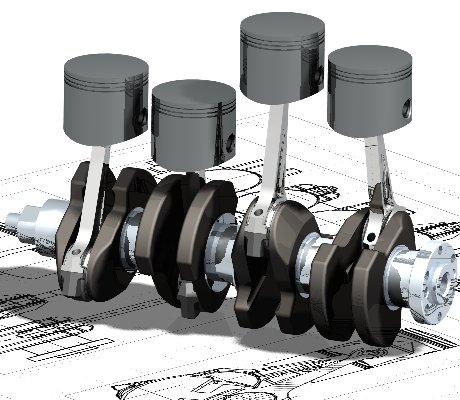 SoftwareCAD for a First Bracket That Has to FitA bracket is a few sketches and the holes that match the hardware. The software should stay out of the way.
 GuidesVolumetric Printing in Plain LanguageInstead of drawing a part one layer at a time, volumetric printing tries to cure the whole shape in one exposure.
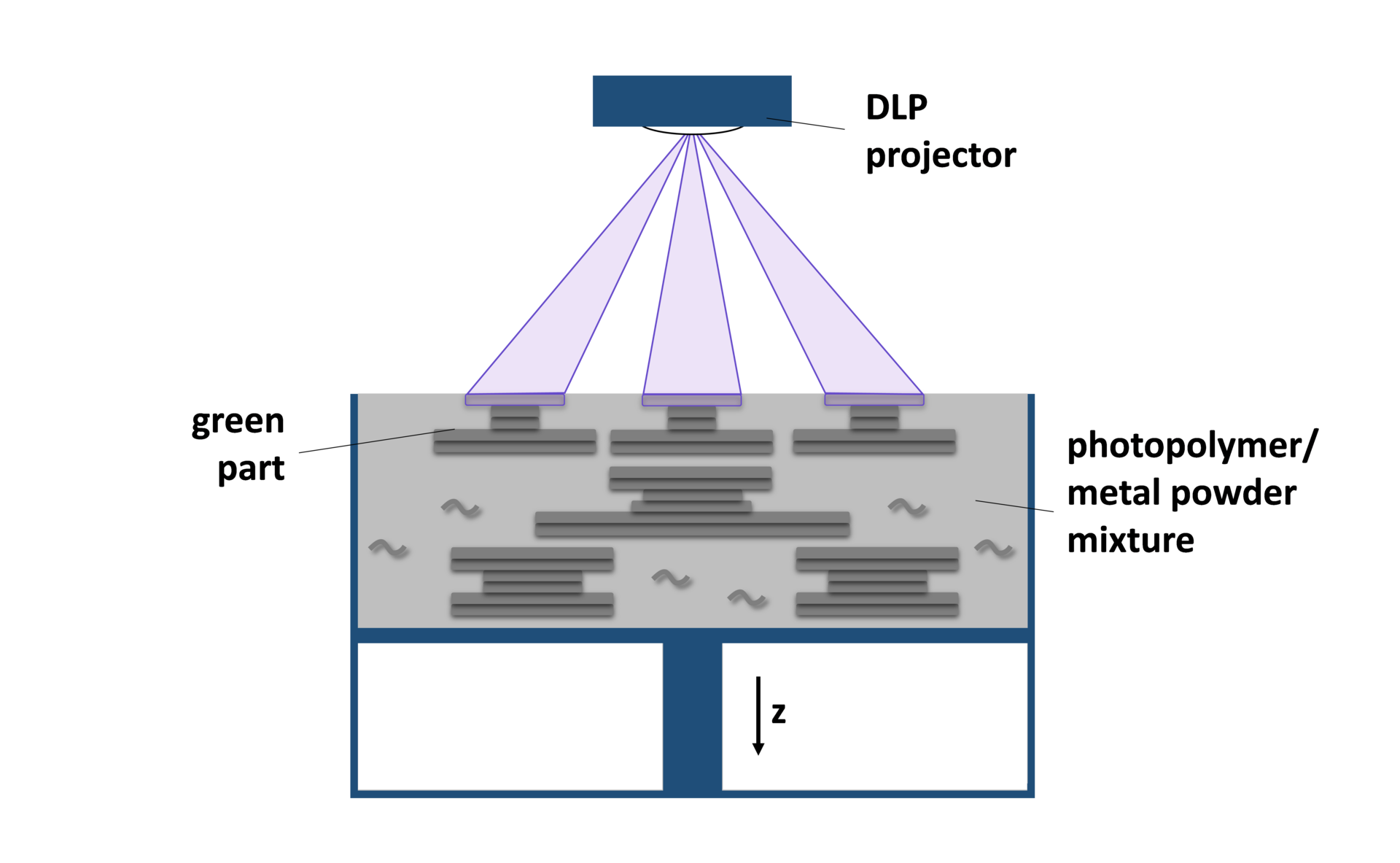 MaterialsCopper Alloys on a Laser Powder BedCopper shrugs off heat and throws light back. That is why it is useful, and why the laser struggles.
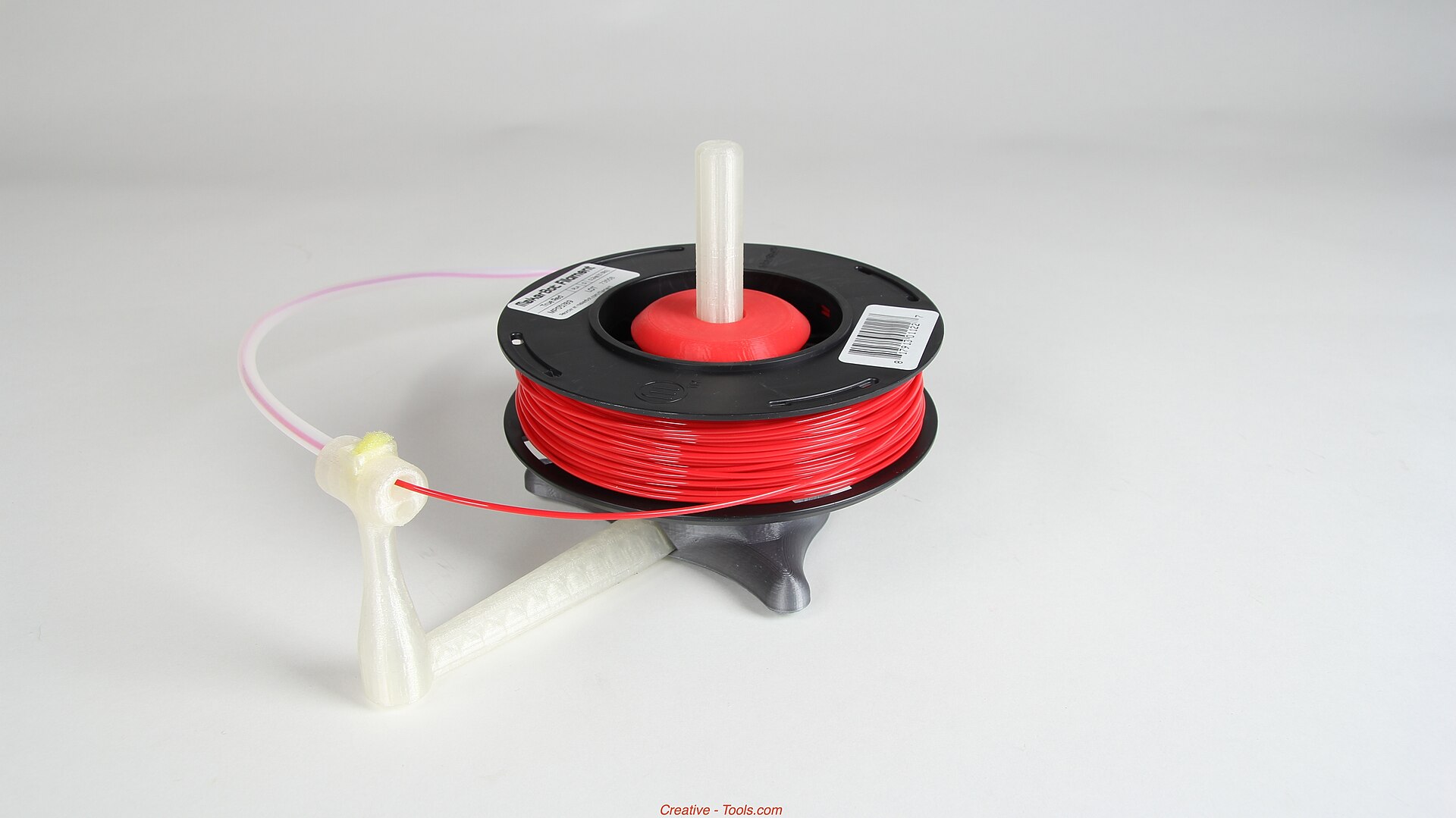 MaterialsFlexible Filament Without the GuessworkFlexible filament buckles when you rush it. Shore hardness and a short path to the nozzle matter more than a secret profile.