Printers
When Powder-Bed Nylon Beats Filament
Powder supports itself. That is the gift. Cooling time, refresh rate, and a sandy surface are the bill.
- 3 min read
- Printers
- Eight more stories
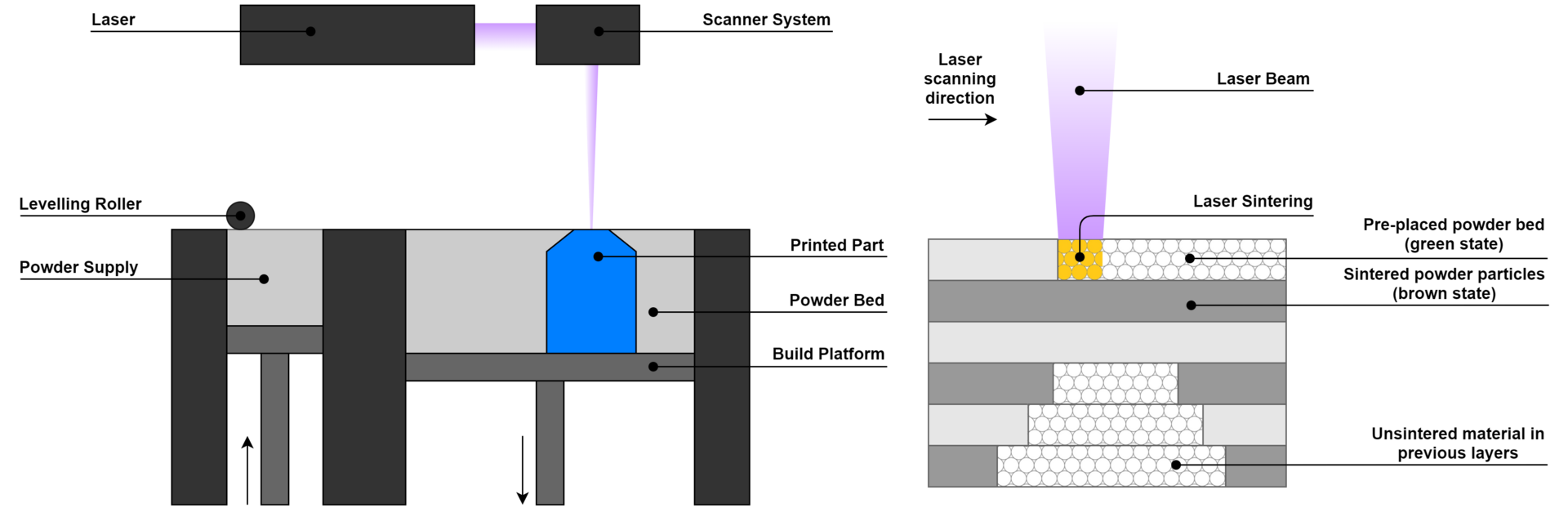
A nylon powder bed, whether the heat comes from a laser or another source, fuses a slice inside a cake of powder. The unfused powder holds the part, so you do not design tree supports the way you do for filament. You can nest many parts in one volume, print a living hinge, and leave a channel that would have collapsed on a filament bridge.
The part after the cake
The wait is the cooling. Open the cake early and the parts warp. Then someone has to brush, bead-blast, and pull powder out of every pocket. The surface feels sandy. That is normal, and it matters if the part slides on skin or on another part. Dyeing and vapor smoothing change both the look and the dimensions, so fit them before you call the drawing done.
Filament still wins for a one-off bracket in the next hour, for huge parts, and for materials you already trust on the spool. Powder wins when you need several complex nylon pieces, similar strength in more than one direction, and you can wait for the cake.
- Escape holes are mandatory anywhere powder can be trapped.
- Walls that are too thin wrinkle. Follow the bureau minimum.
- Moving hinges need clearance, then a gentle first flex.
- Quote the cooled, cleaned, and finished part, not the laser time alone.
Do this next
- 1
Nest parts in the build only after wall thickness and escape holes are real.
- 2
Ask the refresh rate. Reused powder is a material choice, not a free refill.
- 3
Plan cleaning. Loose powder hides in threads and in living hinges.
- 4
Seal or dye after the size is confirmed. Coatings change fit.
More from the desk
Eight other notes from the rest of the bench.
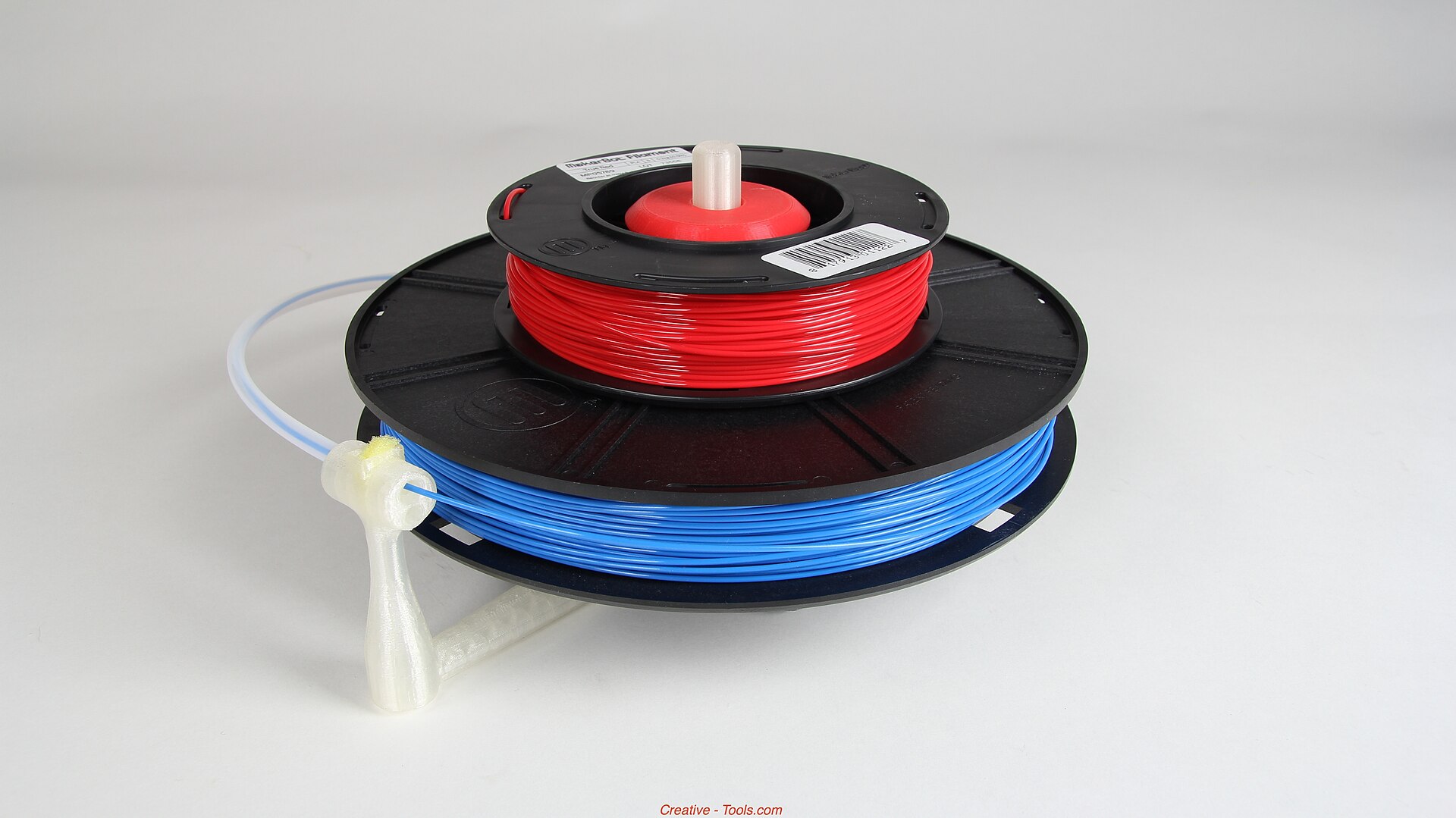 MaterialsTurning Scrap Plastic Into FilamentA filament extruder can reuse one clean plastic. Mixed scrap, wet flake, and a wandering diameter will not.
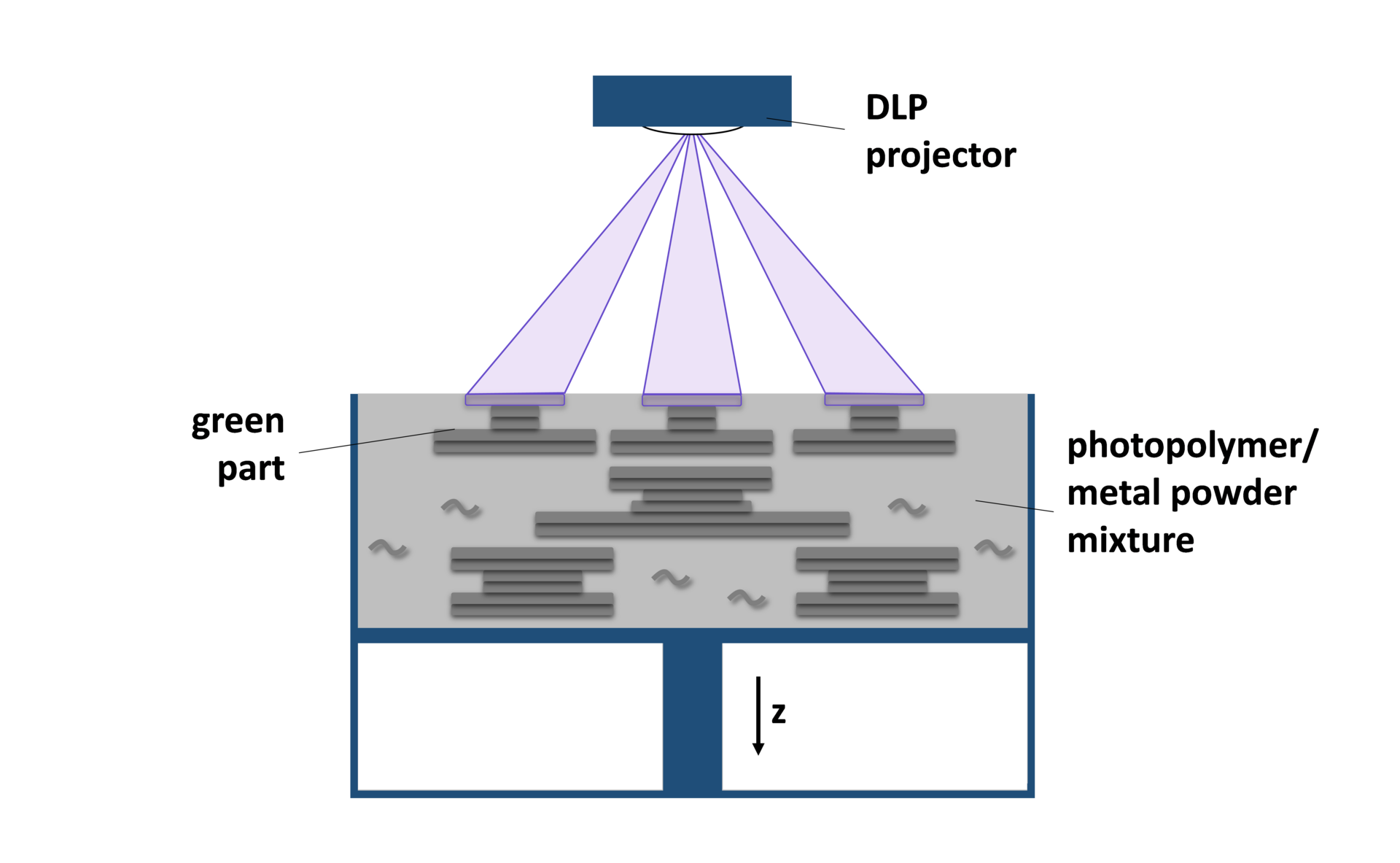 MaterialsCopper Alloys on a Laser Powder BedCopper shrugs off heat and throws light back. That is why it is useful, and why the laser struggles.
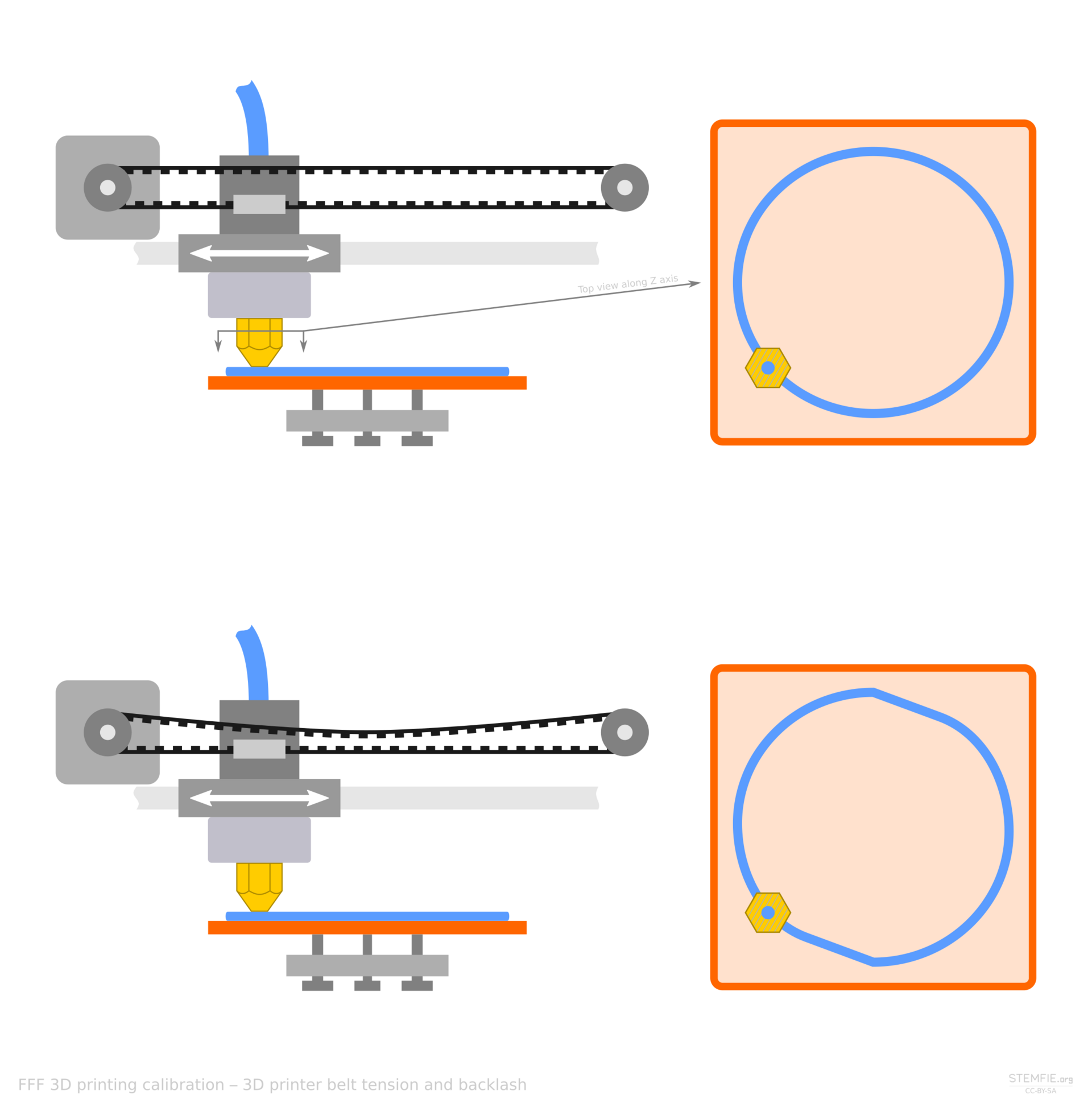 PrintersBelts, Lead Screws, and Linear MotorsMost desks move with belts. Screws trade speed for stiffness. Linear motors remove the belt, and the modest price.
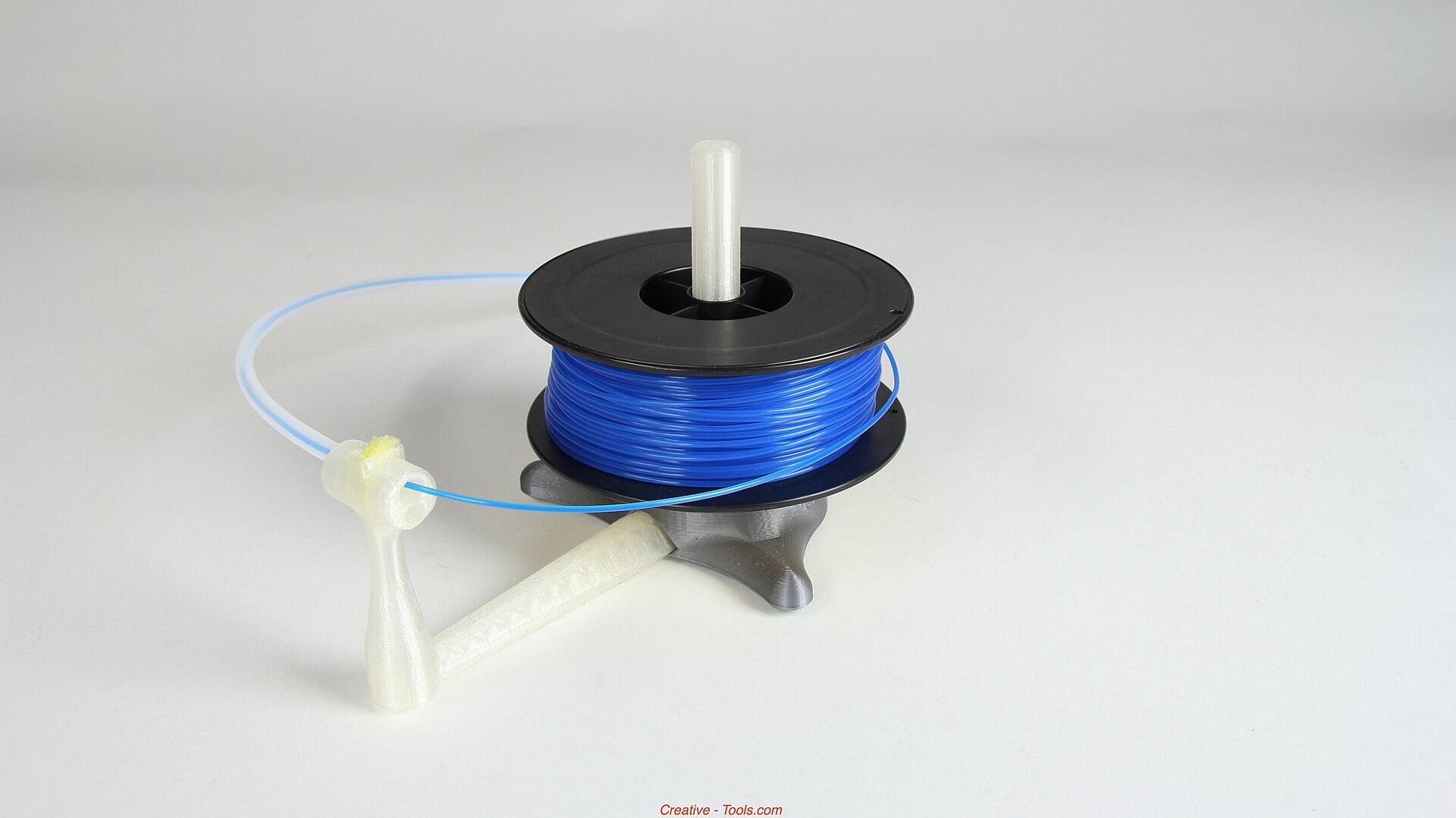 MaterialsPLA, PETG, and ABS After the Part Leaves the BedThe easy spool is not always the one that survives a warm car, a clamp, or a weekend outdoors.
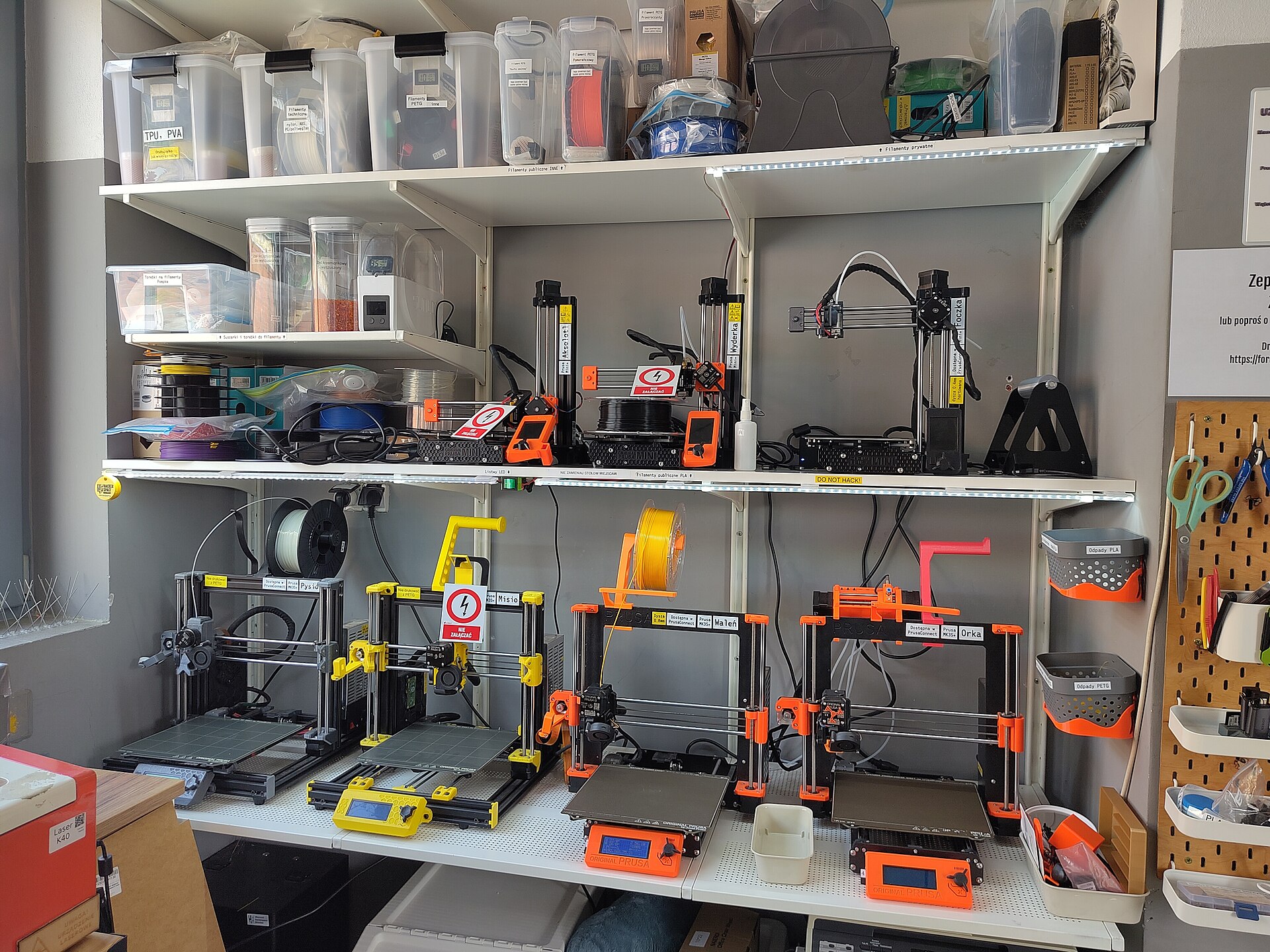 NewsA Desk That Prints, Washes, and Cures ResinThe print is the tidy part. Washing and curing are where a small resin setup usually spills.
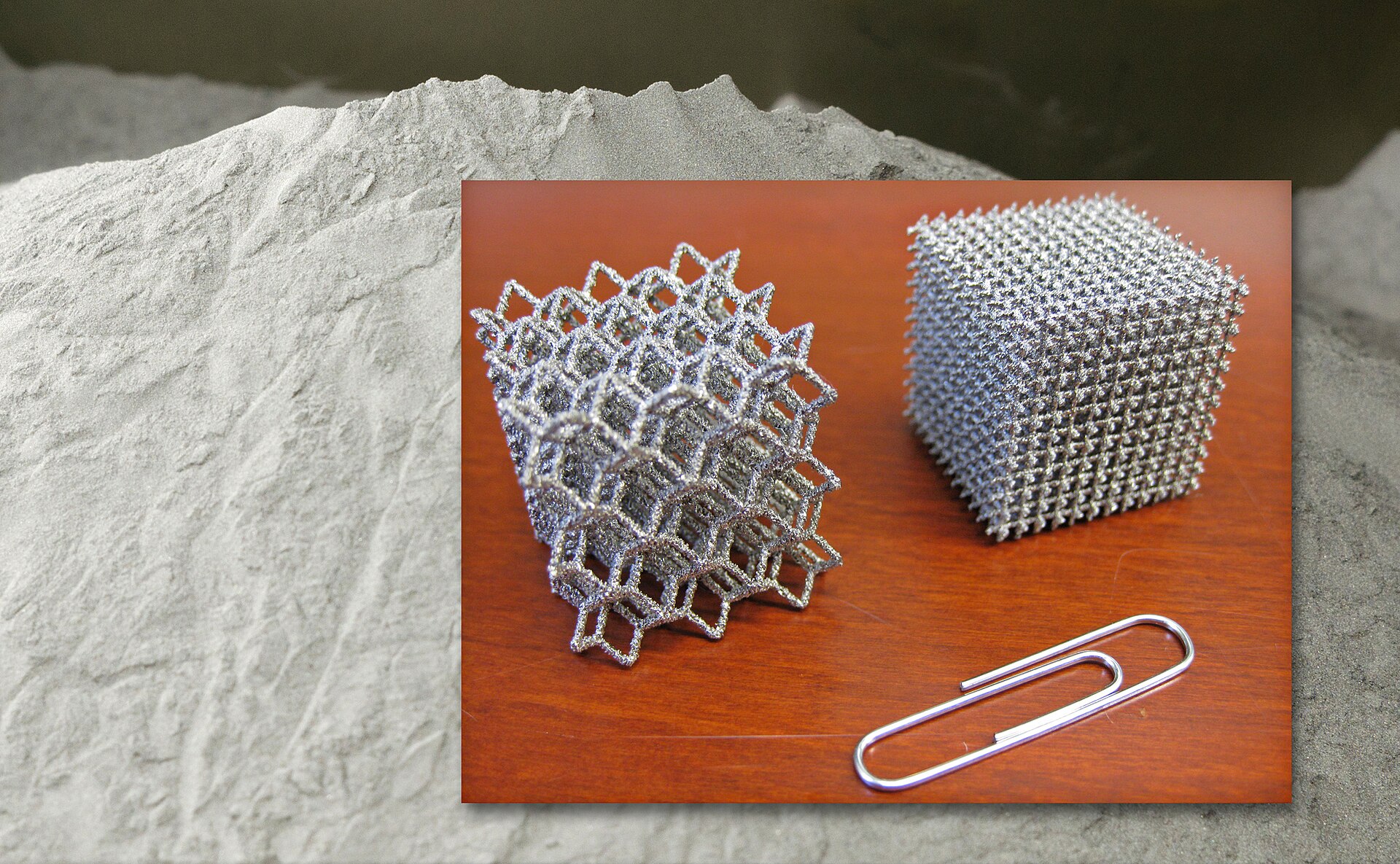 NewsWatching a Metal Build While It Is Still RunningStopping a bad metal build early saves powder and hours. It does not replace the inspection after the door opens.
 ApplicationsPrinted Models for Clinics and Dental LabsA model for a conversation is a different object from a guide that touches a patient. The resin decides which one you printed.
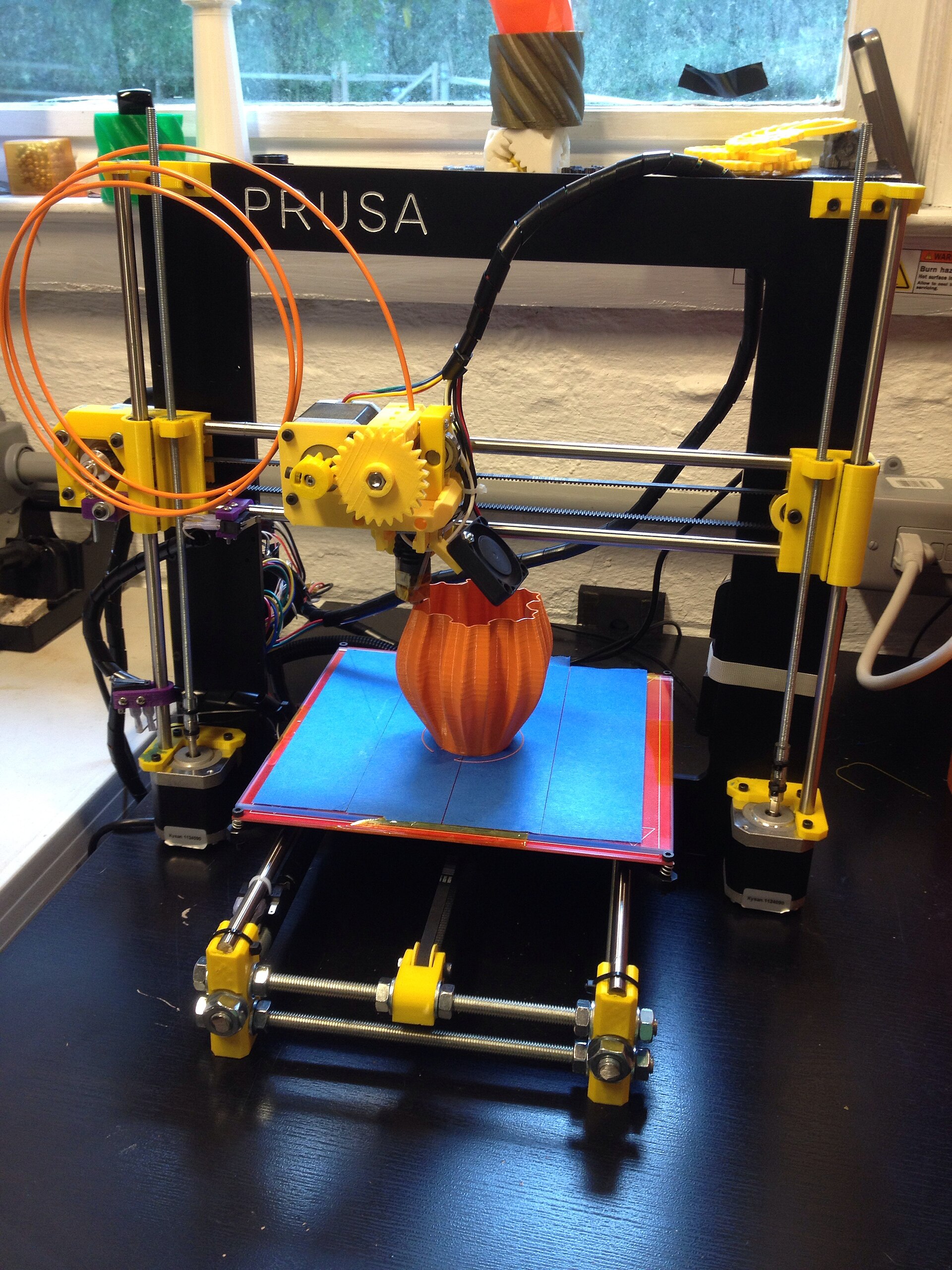 PrintersContinuous Fiber on a Desktop MachineA strand laid into the part is strong along its length. Across the strand, you still have plastic.