
Mastering Metal Additive Manufacturing for Aerospace Propulsion Systems
The aerospace sector stands as a testament to the transformative power of metal additive manufacturing (AM). Over recent years, this cutting-edge technology has demonstrated its unparalleled value, moving beyond experimental applications to become an indispensable tool across the industry. From crafting robust replacement parts for existing aircraft fleets to fabricating entire components for advanced rocket engines, metal 3D printing is fundamentally reshaping how we design, produce, and innovate in the skies and beyond. Its ability to create complex geometries, reduce weight, and consolidate parts has opened new frontiers for engineers striving to push the boundaries of performance and efficiency. However, harnessing the full potential of metal 3D printing, especially for the high-stakes environment of propulsion systems, requires a deep understanding of its intricacies and specific applications.
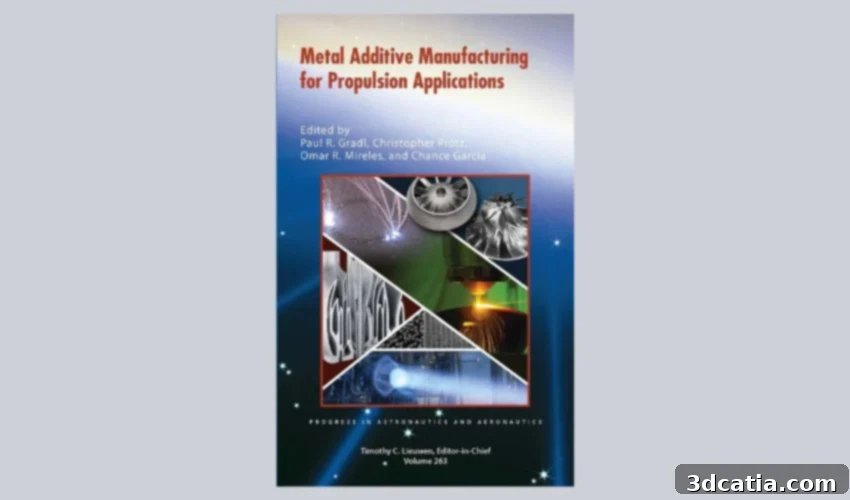
For engineers and innovators dedicated to integrating these advanced manufacturing techniques into propulsion system design and production, identifying reliable and comprehensive resources is paramount. The challenges of material selection, design optimization for extreme conditions, and rigorous certification processes demand expert guidance. Fortunately, such a definitive resource exists: Metal Additive Manufacturing for Propulsion Applications. This authoritative book is co-authored by Paul R. Gradl, Omar R. Mireles, Christopher S. Protz, and Chance P. Garcia, all distinguished experts from NASA Marshall Space Flight Center – a hub of propulsion innovation and research. Published by the esteemed American Institute of Aeronautics and Astronautics (AIAA), this publication transcends a mere overview; it serves as a practical, in-depth guide not only to the diverse world of metal AM processes but also provides an exhaustive examination of how these transformative technologies can be effectively applied to critical applications within both aeronautics and space exploration. It bridges the gap between theoretical understanding and practical implementation, making it an invaluable asset for anyone looking to leverage metal 3D printing in this demanding field.
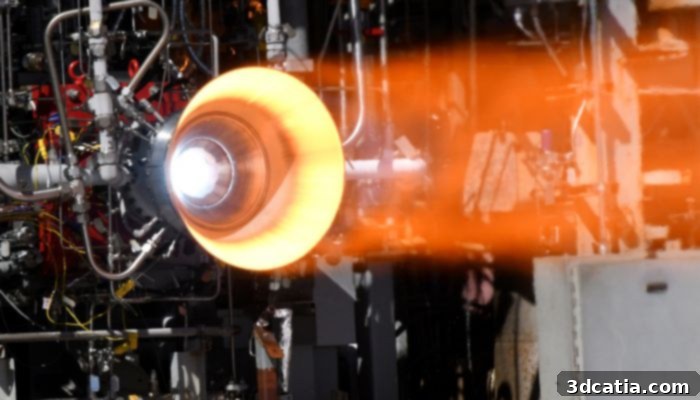
Metal 3D printing is increasingly being used for applications in propulsion, as shown in this book (photo credits: NASA)
A Comprehensive Journey from Concept to Flight: Exploring the Book’s Depth
The book Metal Additive Manufacturing for Propulsion Applications offers an incredibly broad spectrum of topics, meticulously guiding readers through the entire life cycle of bringing a metal 3D printed component from its initial conceptualization all the way to its ultimate utilization in a functional propulsion system. It provides a holistic, start-to-finish perspective that is essential for both aspiring engineers and seasoned professionals navigating the complexities of additive manufacturing in aerospace.
Understanding the Foundation: Processes and Materials
The journey begins with a foundational introduction to metal additive manufacturing, ensuring readers grasp the distinct characteristics and operational principles of various processes such as Selective Laser Melting (SLM), Electron Beam Melting (EBM), and Directed Energy Deposition (DED). Understanding these different techniques is crucial, as each offers unique advantages and limitations concerning part geometry, material properties, and post-processing requirements. Following this, the book delves into the intricate characteristics of metals and metal alloys commonly used in aerospace. This section is vital for informed material selection, exploring how additive manufacturing influences microstructures, fatigue performance, creep resistance, and overall mechanical properties under the extreme thermal and mechanical stresses inherent in propulsion environments. It equips engineers with the knowledge to make critical decisions that directly impact component reliability and lifespan.
Precision Engineering: Design, Performance, and Qualification
Moving beyond fundamental processes and materials, the publication includes an in-depth discussion on design principles tailored for additive manufacturing (DfAM). This segment explores how engineers can leverage the unparalleled geometric freedom of 3D printing to create optimized components, such as combustion chambers with intricate internal cooling channels, lightweight turbopump impellers, and advanced injector designs that significantly enhance propulsion efficiency and performance. It covers topics like topology optimization, lattice structures for weight reduction, and part consolidation strategies that simplify assemblies and improve overall system reliability. Following design, the book rigorously addresses component performance and characteristics, ensuring that readers understand how to predict and validate the behavior of AM parts under operational loads. Crucially, it then transitions to the critical subject of certification and qualification of parts for aerospace applications. This section highlights the stringent requirements for safety and reliability, detailing various testing methodologies, quality assurance protocols, and the evolving landscape of standards and regulations necessary for flight-critical components.
Gazing into the Future: Emerging Applications
Finally, the book concludes with forward-looking insights into emerging applications for metal 3D printing in the aerospace domain. This includes discussions on the potential for on-demand manufacturing of spare parts, in-situ repair capabilities for existing components, and the exciting prospects of multi-material printing and smart component integration for future propulsion systems. It also touches upon the role of additive manufacturing in realizing ambitious space exploration missions, including the possibility of in-space manufacturing utilizing extraterrestrial resources. To further solidify understanding and facilitate learning for all readers, the book is richly populated with illustrative diagrams, clear definitions, and practical examples, making complex concepts accessible and actionable.
Navigating the AM Landscape: Intentional Adoption for Success
As eloquently articulated in its preface, the core objective of this remarkable book is to provide a comprehensive and practical overview of the “concept-to-utilization life cycle” within the realm of additive manufacturing, specifically tailored for propulsion applications. The authors acknowledge a common pitfall in the adoption of new technologies: the tendency to become overly captivated by the sheer excitement and potential of AM without dedicating sufficient forethought to the inherent economic and technical challenges. This publication aims to counteract this oversight by fostering an approach of intentionality among AM adopters. It seeks to empower individuals and organizations to apply these advanced technologies with a clear understanding of the underlying principles and the complete life cycle of AM components, thereby mitigating risks and maximizing benefits.
This makes the book an invaluable asset not merely for newcomers to either 3D printing or the specific demands of aerospace applications, but also for seasoned veterans within the industry. Its thoroughness and depth ensure that experienced professionals can utilize it as a definitive reference guide, offering insights into best practices, troubleshooting, and the latest advancements in the field. By addressing the needs of a diverse audience – from those taking their first steps into additive manufacturing to experts seeking to refine their strategies – the book solidifies its position as an essential resource for driving innovation and ensuring successful implementation of metal AM in the critical domain of aerospace propulsion. It underscores the importance of a well-informed and strategic approach to fully realize the promise of additive manufacturing for the next generation of air and space travel.
Win Your Copy: Delve into the World of Metal AM for Aerospace
Now, you too have a unique opportunity to gain access to this extensive and authoritative examination of how to successfully integrate metal additive manufacturing into aerospace, with a particular focus on propulsion systems. This book is a gateway to understanding the complexities and unlocking the potential of this revolutionary technology. All you need to do is enter our exclusive drawing below for a chance to win your very own copy of this invaluable guide. We will be selecting 10 fortunate winners on Monday, June 12th, and they will be personally contacted via email starting on Wednesday, June 14th, to arrange the delivery of their prize. Don’t miss this chance to equip yourself with the knowledge that can propel your career and projects forward in the exciting field of aerospace additive manufacturing!
*3Dnatives is excited to be giving away 10 exclusive copies of Metal Additive Manufacturing for Propulsion Applications. The selection of winners will be conducted through a random draw from all eligible participants who successfully complete the form provided above. To ensure fairness and manage entries, participants have until June 9th, 2023, at 11:59 PM CEST to submit their information, with strictly only one form entry per individual being counted. The 10 lucky winners will be personally contacted via the email address they provided during registration, allowing us to efficiently arrange for the delivery of the book by mail. We encourage all interested parties to submit their entry before the deadline for a chance to win this highly sought-after industry resource.