
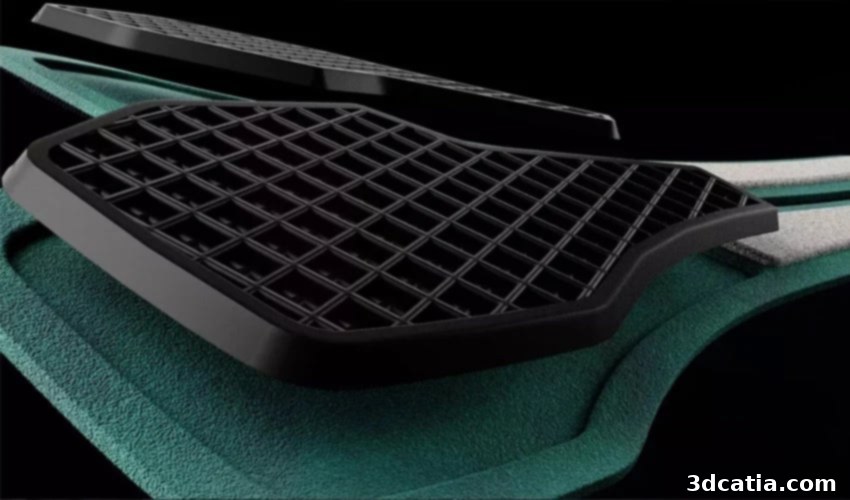
Elastic Interface NX3: Revolutionizing Cycling Comfort with 3D Printed Chamois Innovation
Cycling is a sport that demands both peak physical performance and uncompromising comfort, especially during long rides. Every cyclist understands the critical role that a high-quality chamois plays in their overall experience. Traditionally, chamois pads have relied on various foam compositions to provide cushioning, but these often come with limitations regarding breathability, durability, and precise pressure distribution. Enter Elastic Interface, an Italian pioneer based in Treviso, which has embarked on a groundbreaking journey, utilizing additive manufacturing for the very first time to engineer an innovative chamois for cyclists. Dubbed NX3, these revolutionary inserts are designed to be placed inside cycling shorts, aiming to redefine and maximize rider comfort. The NX3 boasts a unique design, promising not only superior comfort but also enhanced breathability and stability, addressing some of the most persistent challenges faced by cyclists. With the launch of NX3, Elastic Interface is passionately promoting what they term “the third dimension of comfort” in cycling – a concept that is undeniably crucial for performance, endurance, and enjoyment in this demanding sport.
The synergy between 3D printing and cycling has been evident and celebrated across numerous applications for years. This powerful combination proves to be a perfect match, offering unprecedented opportunities for innovation, from the intricate design of bicycle components to the creation of advanced athletic equipment that significantly boosts an athlete’s comfort and performance. We’ve seen additive manufacturing transform the creation of bicycle parts, ranging from the lightweight and robust frame itself to ergonomically optimized handlebars and saddles. The potential applications of 3D technologies in this field are virtually limitless, continuously expanding the boundaries of what’s achievable. While originally much of this technology was primarily employed for rapid prototyping – allowing designers to quickly test and refine concepts – recent advancements have enabled the development of groundbreaking final components. These end-use parts are now fully exploiting the incredible potential of additive manufacturing, delivering products that are lighter, stronger, more customized, and inherently more functional than those produced by conventional methods, thereby enhancing the overall cycling experience for enthusiasts and professionals alike.
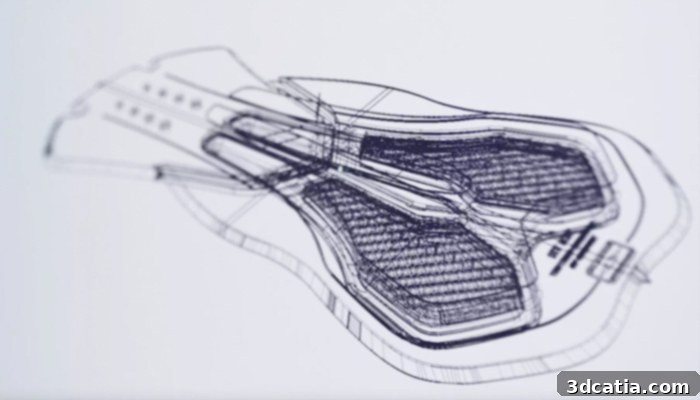
The intricate design of the 3D printed inserts, a testament to Elastic Interface’s innovation in cycling comfort. (Photo credits: Elastic Interface)
At its core, the chamois is an indispensable component of cycling shorts, strategically positioned between the rider’s legs. Its fundamental purpose is to offer essential protection to the body’s most sensitive areas, shielding them from the relentless friction, pressure, and vibrations generated by our weight against the bicycle saddle. This protective layer is not merely a luxury; it is a critical element for preventing discomfort, numbness, and even severe saddle sores that can plague cyclists, particularly during extended rides or competitive events. The choice of chamois is, therefore, a very important aspect when selecting cycling equipment, directly impacting a rider’s performance, enjoyment, and long-term health. Recognizing these profound needs and the inherent limitations of traditional foam-based solutions, Elastic Interface has meticulously developed the first 3D printed chamois, specifically engineered to deliver unprecedented levels of comfort and breathability. The innovative NX3 inserts feature a precisely engineered 3D printed piece that replaces the conventional foam or padding typically found in the crucial ischium support area. This revolutionary lattice structure offers far more than just cushioning; it enables incredibly precise control over the density and firmness of the pad, allowing for zones of varying support tailored to the specific biomechanics and demands of cycling. Moreover, this advanced design empowers cyclists with a unique ability to control how the cushion deforms under their weight and the constant pressure exerted during rides. The tangible benefits are transformative: superior damping that absorbs road chatter, a significantly more stable seating platform, and drastically reduced deformation of the cushion over time, ensuring consistent support throughout every pedal stroke.
To bring these cutting-edge NX3 inserts to life, Elastic Interface utilized Fused Deposition Modeling (FDM) technology, a popular and versatile additive manufacturing method. While the specific material used for the NX3 chamois is not explicitly detailed, it is highly probable that it is an advanced elastomeric polymer. Materials like Thermoplastic Polyurethane (TPU) or Thermoplastic Elastomer (TPE) are prime candidates due to their inherent flexibility, exceptional elasticity, and remarkable ability to deform under pressure and then return to their original shape, making them ideal for high-performance cushioning applications that require both resilience and comfort. FDM technology allows for the creation of intricate internal geometries and lattice structures that are simply impossible to achieve with traditional manufacturing techniques, offering unparalleled customization. By employing this method, the company has successfully developed a sophisticated grid shape that not only provides targeted support but also ingeniously promotes optimal airflow throughout the structure. This innovative design significantly enhances breathability, a critical factor in preventing overheating and discomfort during intense or long rides. Furthermore, the material’s potential hydrophobic properties play a crucial role in preventing the accumulation of moisture. This is vital for maintaining hygiene, preventing chafing, and ensuring a dry, comfortable environment, thereby drastically reducing the risk of saddle sores and bacterial growth. The ability to fine-tune the material properties and geometric configurations through FDM empowers Elastic Interface to push the boundaries of chamois performance, offering a tailored experience far beyond what conventional foams can provide. The iterative design process facilitated by FDM also means that future iterations can be rapidly developed and tested, ensuring continuous innovation in cycling comfort.
The introduction of the NX3 chamois marks a significant milestone in cycling equipment innovation, potentially setting new industry standards for rider comfort and performance. While the exact sports equipment brands that will integrate the NX3 pad into their cycling shorts are yet to be announced, it is highly anticipated that this groundbreaking technology will be adopted by various leading manufacturers in the near future. The benefits of enhanced damping, superior stability, and unparalleled breathability are too significant for the competitive cycling market to ignore. This innovation is not just limited to cycling shorts; Elastic Interface is also actively exploring the exciting possibility of implementing this advanced 3D printing technology in cycling gloves. Imagine gloves that offer precise pressure relief, improved grip, and superior ventilation through custom-designed lattice structures, transforming hand comfort and control on the bike. This forward-thinking approach underscores the versatility of additive manufacturing in addressing critical ergonomic and performance needs across different cycling accessories. Such advancements promise to deliver a more integrated and holistic comfort experience for cyclists worldwide, allowing them to focus more on their ride and less on discomfort, ultimately enhancing their overall performance and enjoyment. For a deeper dive into this pioneering technology and the vision behind it, more information can be found on Elastic Interface’s dedicated N3X technology website HERE.
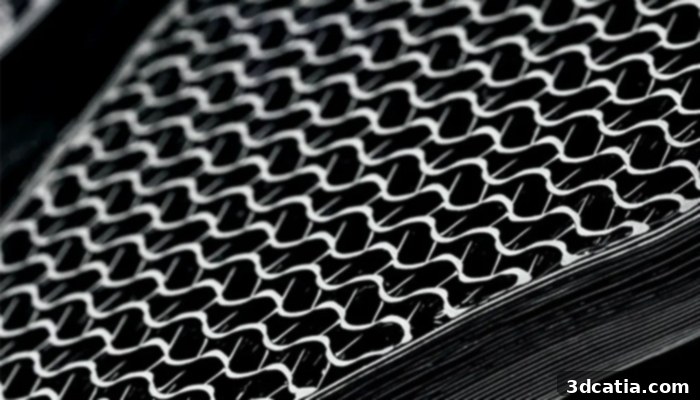
The innovative lattice structure meticulously engineered to promote optimal air circulation and breathability, a key feature of the NX3 chamois. (Photo credits: Elastic Interface)
The adoption of additive manufacturing by Elastic Interface for their NX3 chamois represents a pivotal moment for cycling gear. It exemplifies how advanced technologies can solve long-standing problems in sports equipment, pushing the boundaries of what’s possible in terms of customization, comfort, and performance. The “third dimension of comfort” is no longer a theoretical concept but a tangible reality, offering cyclists a truly superior experience. This development highlights a broader trend where 3D printing is moving beyond prototyping and into mass customization and the production of highly specialized, functional end-use parts. As materials science and 3D printing technologies continue to evolve, we can expect to see even more revolutionary products emerge, further enhancing the athletic experience across various sports, not just cycling. The future of cycling comfort looks exceptionally bright, with innovations like the NX3 leading the charge, promising a new era of personalized and performance-optimized equipment for every rider.
What are your thoughts on the groundbreaking 3D printed chamois for cyclists? Do you believe this technology will fundamentally change how cycling shorts are designed and worn? We invite you to share your insights and opinions in a comment below or join the conversation on our social media channels: LinkedIn, Facebook, and Twitter. Don’t forget to sign up for our free weekly Newsletter here to receive the very latest 3D printing news directly to your inbox! You can also find all our compelling videos and in-depth discussions on our YouTube channel, where we explore the most exciting innovations in additive manufacturing.
*Cover Photo Credits: Elastic Interface