
Offone: Marko Lazic’s E-Ink, 3D-Printed Minimalist Phone for Digital Wellness and Sustainable Connectivity
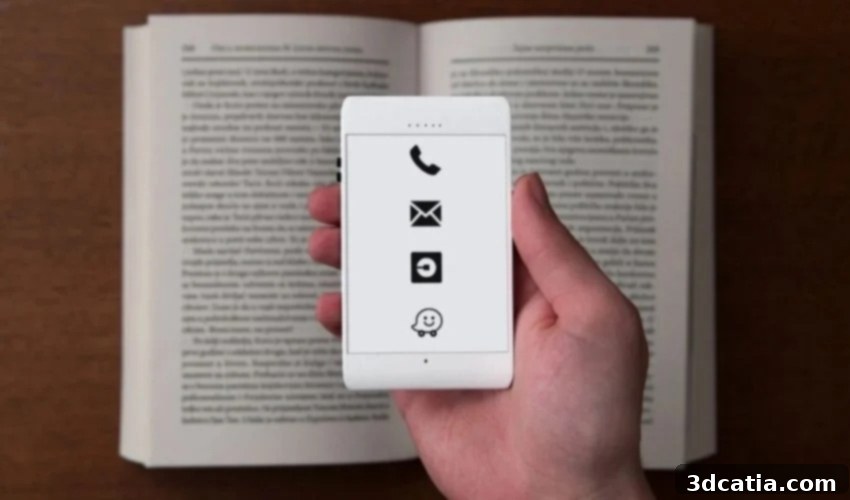
In an era dominated by feature-rich smartphones that often demand our constant attention, a refreshingly unconventional device is emerging as a potential antidote to digital overload. Named Offone and masterfully designed by Marko Lazic, this unique phone challenges the status quo by leveraging e-ink, the power-efficient display technology famously found in e-readers. The Offone is a testament to minimalist design, intentionally limiting its capabilities to essential functions such as making and receiving calls, sending text messages, and running a select handful of carefully chosen applications. This deliberate simplicity aims to reduce the device’s omnipresence in our lives, lessen eye strain, and significantly extend its lifespan, thereby contributing to a reduced carbon footprint. Beyond its innovative user experience, what truly captivates attention is its production method: Marko Lazic has embraced 3D printing for the creation of the phone’s casing, a decision that not only opens doors for unparalleled customization but also champions a more environmentally conscious manufacturing process from the outset.
The conversation around our relationship with technology has never been more pertinent. A striking 2024 study by Ifop revealed that a staggering 65% of participants admitted to being dependent on their smartphones, with 46% going so far as to consider these devices an indispensable part of their daily existence. These statistics underscore a profound shift in how we interact with the world, raising critical questions about the role and impact of smartphones in our everyday routines. Modern smartphones have evolved into veritable Swiss Army knives of the digital age, capable of everything from high-resolution photography and satellite navigation to instant online shopping, food delivery, and an endless array of games and entertainment. This omnipresence begs a simple yet profound question: how many applications reside on your smartphone, and more importantly, how many of them do you genuinely use on a regular basis? It was precisely this reflection that propelled Marko Lazic to envision and design a device that strips away the superfluous, focusing solely on the core functions of a mobile phone: enabling communication and ensuring reachability. Lazic carefully integrated only essential applications like Maps, Waze, and WhatsApp, consciously omitting features such as a camera, which, while popular, often contribute to the device’s complexity and potential for distraction. This focused approach is at the heart of the Offone’s design philosophy, promoting a more mindful and deliberate interaction with technology.
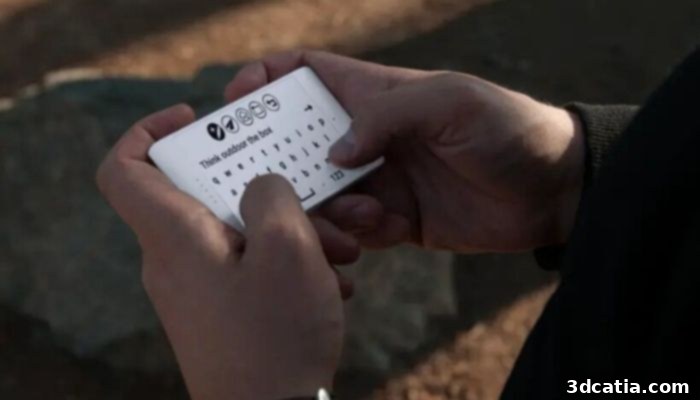
Offone integrates basic features for focused communication.
The Power of E-Ink: A Gentle Display for Modern Eyes
One of the Offone’s most distinctive and impactful features is its reliance on e-ink technology for its display. Unlike conventional smartphone screens that emit bright, often harsh, blue light, e-ink displays operate by reflecting ambient light, much like a page in a physical book. This fundamental difference offers several significant advantages, particularly for users seeking a break from digital fatigue. The most immediate benefit is a drastic reduction in eyestrain. Staring at backlit screens for prolonged periods can lead to discomfort, dryness, and even blurred vision, issues that are largely mitigated by e-ink’s gentle presentation. Furthermore, e-ink is renowned for its exceptional battery efficiency. As power is primarily consumed only when the display content changes, the Offone promises a significantly longer battery life compared to typical smartphones, aligning perfectly with its sustainable and minimalist ethos. This technology also excels in outdoor visibility, performing excellently even in direct sunlight where traditional LCD or OLED screens often struggle. By choosing e-ink, Lazic isn’t just opting for a different screen; he’s making a statement about the kind of interaction a phone should facilitate – one that is calm, unobtrusive, and genuinely respectful of the user’s well-being. This deliberate choice underscores the Offone’s mission to offer a more mindful approach to mobile communication, providing a gateway to digital wellness in a constantly connected world.
3D Printing: Crafting Durability and Customization for the Offone
Marko Lazic remains somewhat guarded about the intricate specifics of the Offone’s production, particularly concerning the 3D printing process employed for its casing. However, his choice to utilize additive manufacturing is a strategic one, hinting at a forward-thinking approach to product development. While precise details on the specific 3D printing process and material are not fully disclosed, it is highly probable that extrusion-based technologies, such as Fused Deposition Modeling (FDM), were favored. FDM is widely accessible, cost-effective for prototyping and small-batch production, and capable of producing robust functional parts. The material likely chosen would be a technical thermoplastic, potentially ABS, PETG, or even a composite, selected for its superior resistance to impact, wear, and environmental factors, ensuring the phone’s durability in everyday use. The benefits of 3D printing extend far beyond mere fabrication; they encompass customization, sustainability, and rapid iteration. For a device like the Offone, which aims to be a personal statement against digital excess, 3D printing allows for unique aesthetic variations or even functional adjustments to the casing, offering a level of personalization almost impossible with traditional injection molding. This method significantly reduces material waste by building objects layer by layer, only using what is necessary. It also enables on-demand manufacturing, potentially reducing inventory and transportation costs, thereby contributing to a lower overall carbon footprint. Furthermore, 3D printing empowers designers like Lazic to swiftly prototype, test, and refine multiple iterations of the casing, accelerating the development cycle and ensuring the final product perfectly embodies his vision. The ability to craft a device that fits comfortably in the palm of one hand, designed for ease of use and longevity, is greatly facilitated by the precision and flexibility that 3D printing affords.
Addressing the Digital Detox Movement: Who is the Offone For?
As of now, the Offone does not appear to be commercially available, and its future market presence remains uncertain. However, the conceptual clarity behind its target audience is far more defined. Marko Lazic articulates a diverse yet specific demographic for whom the Offone would be an ideal companion. Primarily, it is envisioned for “business people who travel frequently,” individuals who often require a reliable communication tool without the myriad distractions of a full-fledged smartphone. For these professionals, the Offone offers a focused device that supports essential communication, allowing them to maintain productivity and minimize digital interruptions during critical work periods or while on the go. Another key demographic is “grandparents who need a less cumbersome communication device.” The Offone’s minimalist interface, large e-ink display for easy readability, and straightforward functionality make it incredibly user-friendly, removing the complexities often associated with modern smartphones. This simplicity ensures that older generations can stay connected with loved ones without feeling overwhelmed by an abundance of apps and features. More broadly, the Offone caters to “people who want to take a step back from apps and incessant notifications.” This group represents the growing movement towards digital wellness and conscious technology consumption. For them, the Offone serves as a tool for a “digital detox,” enabling them to reclaim their attention, reduce screen time, and foster a healthier relationship with technology. It’s for those seeking to escape the constant pull of social media, news feeds, and endless alerts, preferring a device that facilitates human connection rather than consuming their every waking moment. In essence, the Offone isn’t just a phone; it’s a lifestyle choice, a statement against the digital noise, offering a pathway to greater presence and peace of mind.
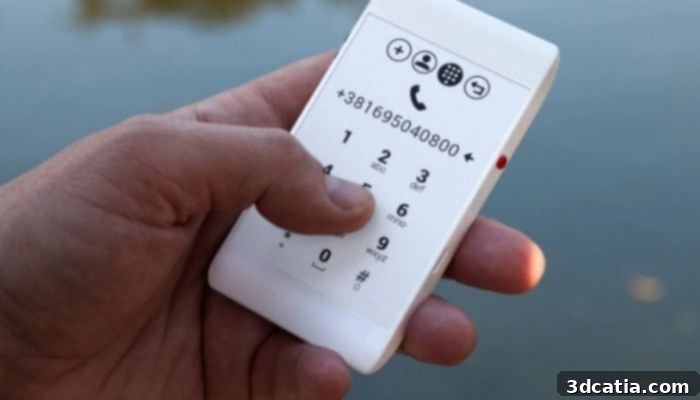
E-ink is the display technology preferred by the designer for its user benefits.
The Broader Impact: 3D Printing’s Role in Future-Forward Design
The Offone project, whether it reaches mass market or remains a powerful concept, profoundly illustrates the transformative capabilities of 3D printing in modern product design. It serves as a compelling case study demonstrating that additive manufacturing is far more than a prototyping tool; it is a viable and advantageous method for creating innovative, specialized consumer electronics. The inherent flexibility of 3D printing allows designers to experiment with forms, textures, and ergonomic considerations that would be prohibitively expensive or complex using traditional manufacturing techniques. This enables a degree of personalization and niche market targeting that aligns perfectly with consumer demands for unique and tailored products. For the Offone, this flexibility meant Lazic could design a casing that is not only functional and durable but also aesthetically distinct, complementing the phone’s minimalist philosophy. The ability to produce small batches on demand further reduces waste and capital investment, making it an ideal choice for testing market interest or serving specific, targeted audiences. This approach supports a more sustainable manufacturing ecosystem, moving away from mass production models that often lead to overproduction and material excess. The Offone, with its e-ink display and 3D-printed casing, stands as a beacon for a future where technology is designed with purpose, prioritizing user well-being, environmental responsibility, and thoughtful connectivity over relentless feature accumulation. It champions the idea that sometimes, less truly is more, especially when it comes to the devices that shape our daily lives. As the digital landscape continues to evolve, projects like the Offone will undoubtedly inspire future innovations, pushing the boundaries of what is possible in the intersection of technology, design, and sustainability.
What are your thoughts on Offone’s unique approach to mobile communication and its innovative use of 3D printing? We invite you to share your insights in a comment below or join the conversation on our LinkedIn, Facebook, and Twitter pages! Don’t forget to sign up for our free weekly Newsletter here, to receive the latest 3D printing news straight to your inbox! You can also find all our videos and engaging content on our YouTube channel.
*All Photo Credits: Marko Lazic