Applications
The US Army Continues to Turn to 3D Printing for Vehicular Parts
The United States Military has consistently been at the forefront of 3D printed innovations, often using additive manufacturing to produce their equipment. From bunkers and bridges to weapons and drones, the organization is a big proponent of 3D printing in…
- 3 min read
- Applications
- Six more stories
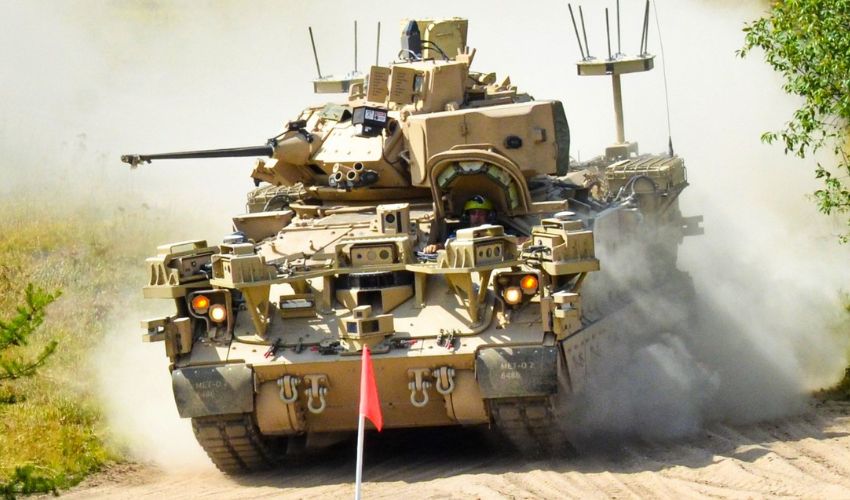
The United States Military has consistently been at the forefront of 3D printed innovations, often using additive manufacturing to produce their equipment. From bunkers and bridges to weapons and drones, the organization is a big proponent of 3D printing in virtually every aspect of its sector. The most recent project, propelled by The Army’s Tank-automotive and Armaments Command (TACOM), and backed by SAE government technologies and the U.S. Army DEVCOM Ground Vehicle Systems Center (GVSC), comes in the form of 3D printed military ground vehicles.
According to the press release, the three branches are holding a reception on the opening of the Advanced Manufacturing Commercialization Center (AMCC) on April 6th. The center contains the Jointless Hull subsection tool which is a hybrid metal additive manufacturing machine that is being used for engineering research and production to support the full-size Hull machine, which can create massive metal parts for Humvees, tanks, and other ground vehicles. You may remember that we have previously told you about the Jointless Hull project, it was a project within the US Army to create a hull-scale tool for combat vehicles using its additive manufacturing technology. Now it seems that they have succeeded, starting with the opening of the new center.
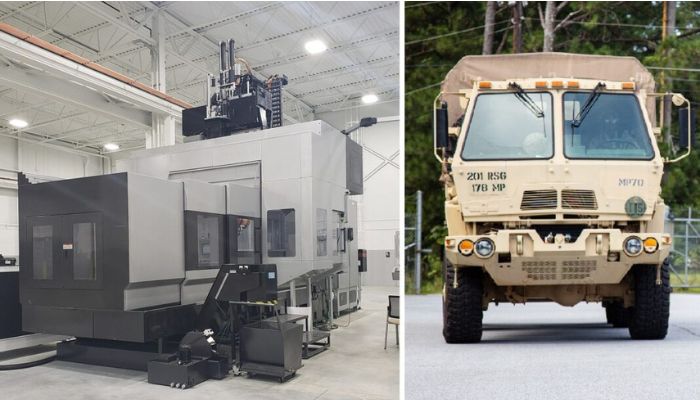
Hybrid metal additive manufacturing machine located in Rock Island, Illinois (photo credits: left, Jerome Aliotta and right, U.S Army)
With 3D printing, parts up to three cubic feet in size can be produced on-demand, dramatically reducing building time and cost. In the past, the military had to order parts from manufacturers and wait for them to be delivered. This process takes weeks or even months, which is not ideal for military operations where time is of the essence. Given that many military vehicles are old and no longer in production, replacement parts are hard to come by. 3D printing allows the military to craft the desired part without relying on manufacturers. These parts, made on-site, reduce the waiting time from months to a few days.
More from the desk
Six other notes from the rest of the bench.
 NewsThe Cumulative Benefits of Additive Manufacturing: The True Added Value of the TechnologyIn its latest report on trends in additive manufacturing, Jabil drew up a picture of the uses and practices of more than 300 professionals who have decided to bet on 3D printing. A few months later, it looks back at…
 ApplicationsNASA’s SpaceX-33 Mission Brings 3D Printing Technologies to SpaceIn late August, NASA and SpaceX launched the 33rd commercial resupply mission to the International Space Station (ISS). The mission, carried out with the reliable Dragon capsule, transported not only the usual supplies but also a wide range of innovative…
 NewsMighty Buildings Has Unveiled the World’s First 3D Printed Zero Net Energy HomeMighty Buildings, a company aiming to create beautiful, sustainable, high-quality homes, has announced that it has completed delivery of what it claims to be the first 3D printed, Zero Net Energy home. The two-bed, two-bath home is the first in…
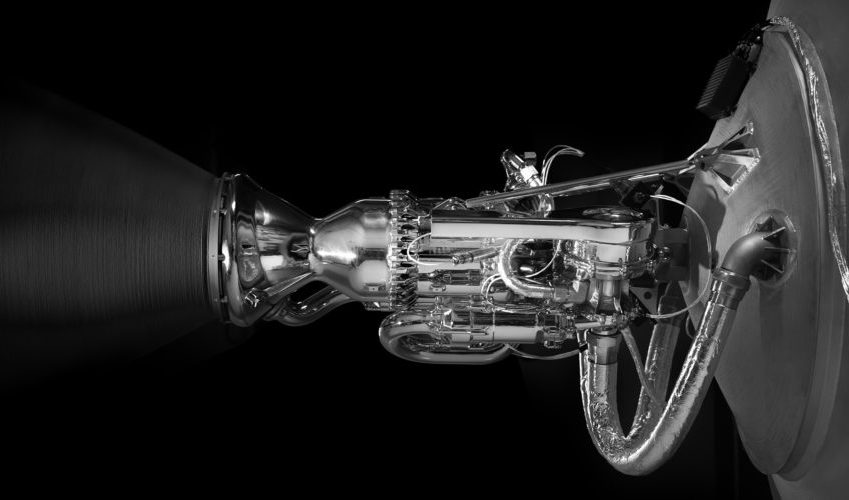 NewsRelativity Space win NASA multi-planetary exploration contractRelativity Space have just received $3 million from NASA to launch small lightweight satellites into orbit with its fully 3D printed Terran 1 rocket. NASA’s Launch Service Program (LSP) issued the Venture Class Launch Services Demonstration 2 (VCLS Demo 2)…
 Guides#Working3D: Six Questions for a Pharmaceutical 3D Printing ResearcherAdditive manufacturing in the medical sector is continuously improving and progressing. Innovations and applications are flourishing, demonstrating the potential of 3D technologies to improve the daily lives of many patients. The pharmaceutical field is no exception, and the grad
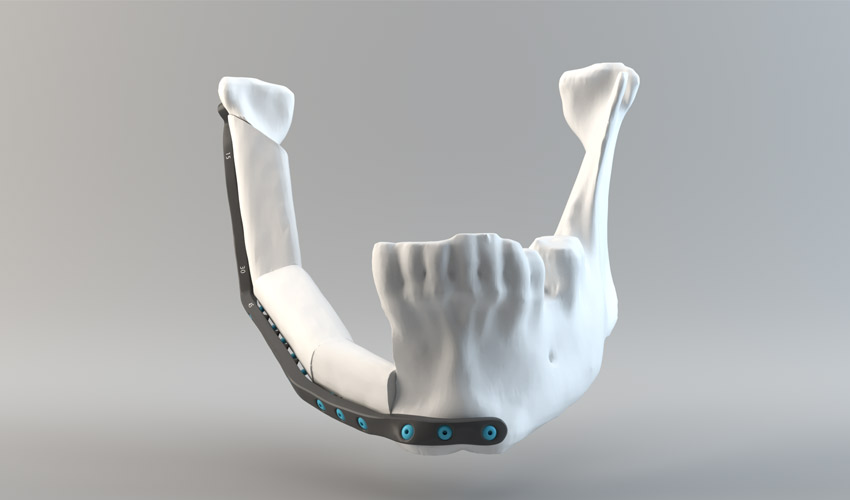 ApplicationsCRIQ develops custom 3D printed jaw implantsThe Industrial Research Center of Quebec (CRIQ) recently acquired an Arcam EBM Q10plus 3D printer. It is an industrial machine based on electron beam melting technology. This acquisition should allow researchers to accelerate the development of lower jaw implants. Plus further tr