News
Relativity Space win NASA multi-planetary exploration contract
Relativity Space have just received $3 million from NASA to launch small lightweight satellites into orbit with its fully 3D printed Terran 1 rocket. NASA’s Launch Service Program (LSP) issued the Venture Class Launch Services Demonstration 2 (VCLS Demo 2)…
- 3 min read
- News
- Six more stories
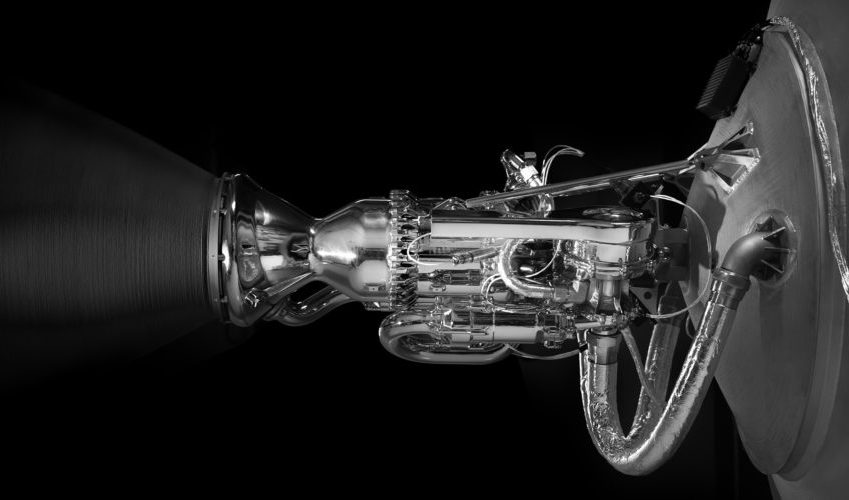
Relativity Space have just received $3 million from NASA to launch small lightweight satellites into orbit with its fully 3D printed Terran 1 rocket. NASA’s Launch Service Program (LSP) issued the Venture Class Launch Services Demonstration 2 (VCLS Demo 2) contract to Relativity as part of an endeavour to establish uncrewed research missions in space. Missions such as these are increasingly critical to multi-planetary research, technology and exploration. Relativity’s Terran 1 is scheduled to launch from the orbital site at Cape Canaveral LC-16 by June 30th 2022, taking with it various small, lightweight satellites including CubeSats, SmallSats, microsats, and nanosats, to be placed Low Earth Orbit (LEO).
This mission will make history, launching the first satellite into orbit using an entirely 3D printed rocket. In fact, the Terran 1, is the world’s first entirely 3D printed rocket. Relativity Space have been developing the Terran 1 since 2015, using their in-house Stargate 3D printers, currently taking up residence in the company’s new Stargate factory. Combining intelligent robotics, software and data-driven 3D technology, as well as AI driven-controls and the world’s largest metal 3D printers, the Stargate factory is the first ever aerospace platform to automate rocket manufacturing.
More from the desk
Six other notes from the rest of the bench.
 ApplicationsAdditive manufacturing in aerospace is growingResearch and Markets recently published a study of the additive manufacturing market applied to the aerospace sector; the consulting firm announces a growth rate of 23.01% between 2017 and 2021. A forecast that shows the full potential of 3D technologies in…
 NewsTop 5 Videos: The Czinger 21C and Other Pioneering SupercarsWelcome to our compilation of this week’s most compelling 3D printing highlights. We kick off this week’s edition with a video by Top Tech showcasing 15 of the world’s fastest cars and offering an in-depth look at the Czinger 21C…
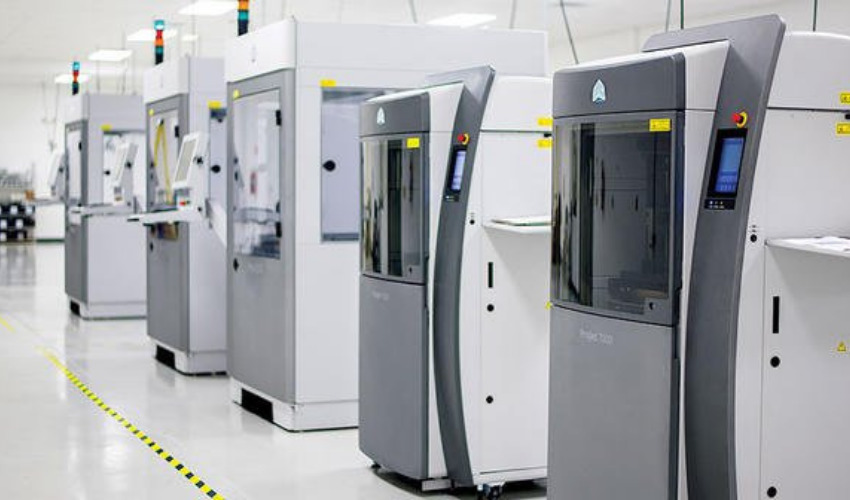 News3D Systems and Jabil Announce ‘High Speed Fusion’ 3D Printing System3D Systems have just announced that they will soon introduce a next generation ‘High Speed Fusion’ 3D printing system. Developed in collaboration with Jabil Inc., the platform system will include new printer technology and advanced materials systems, surpassing those currently&he
 ApplicationsThe Honda NX 650 Dominator motorbike meets 3D printingVagabund Moto is a company based in Austria that builds upon existing motorcycle models to offer a singular aesthetic and improve performance. Building upon the NX 650 Dominator 1991 model from Honda, Vagabund has released its V13 custom-made motorbike. To…
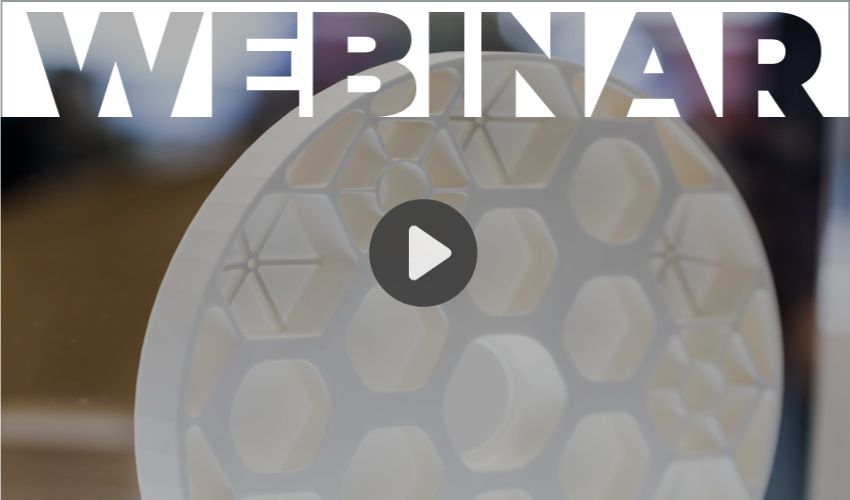 NewsWEBINAR: Laser-Based Ceramic Additive Manufacturing – Mastering Large-Scale Technical Ceramics for Series ProductionOn March 6th, 3Dnatives was joined by experts from Bosch Advanced Ceramics and 3DCeram in this insightful webinar, where we explored the capabilities of laser-based ceramic additive manufacturing for producing large-scale, high-performance ceramics in series production. Attendees
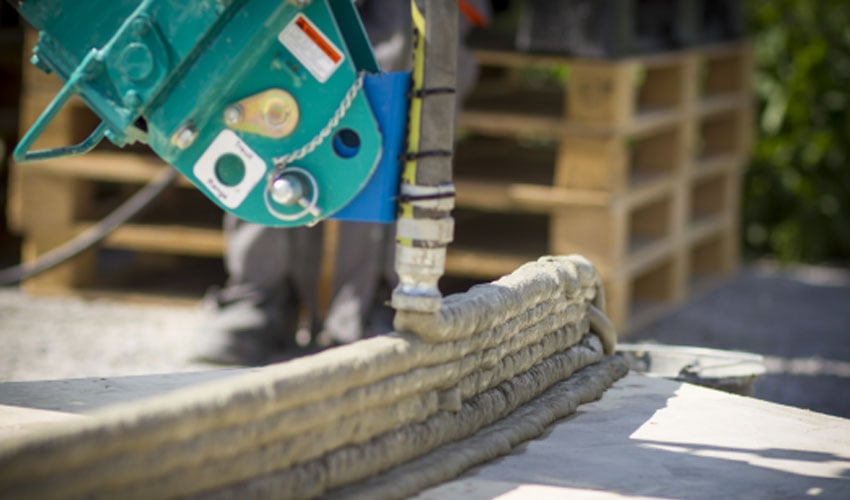 PrintersThe Manufacturers of 3D Printed Houses3D printing in construction has come more into focus than ever before. According to a report from Exactitude Consulting, the market is expected to grow from $503M in 2020 to about $6.5B in 2029. And as readers may know, there are…