News
Top 5 Videos: How to make 3D printed face shield against COVID-19
This week we found the top 5 videos about 3D printing and the way additive manufacturing is changing production. The technology has infiltrated many sectors, from medical to automotive – check our selection of the week to keep up with the innovations! If you…
- 3 min read
- News
- Six more stories
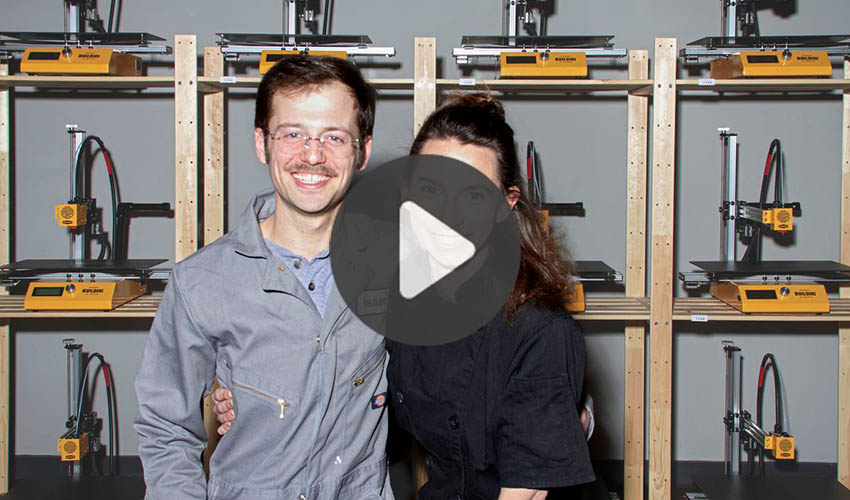
This week we found the top 5 videos about 3D printing and the way additive manufacturing is changing production. The technology has infiltrated many sectors, from medical to automotive – check our selection of the week to keep up with the innovations! If you enjoy these, you can view even more 3D printing videos on our Youtube channel. Hope you’ll enjoy and have a great Sunday!
Top 1: 3D printing face shields to protect against COVID-19
In Liverpool, United-Kingdom, a couple is making 300 face shields using 3D printers in their basement. There has been some talk about the effectiveness of wearing face masks only, therefore this initiative should provide even more safety to those who come into contact with the COVID-19 virus. The couple makes and sells custom 3D printers, which explains why they could answer this demand. They decided to start 3D printing these shields when they heard that the county was planning to open a site in the city where people could go to be tested for the coronavirus. They figured the county would need face shields for the safety of workers performing the tests. A similar initiative was introduced by Prusa. The company is also producing shields for medical staff using its 3D printer farm.
Top 2: Assembling the 3D printed medical face shield from Prusa
As we mentioned, Prusa has also released a model of a 3D printed medical face shield. In the following video it shows you how to assemble it to get the best results! Josef Prusa, the founder of the open-source 3D printing company explains on its website: “I don’t intend to hamper the vibe we have now – not by a long shot, but printing respirators might not be the best idea at this time. Let me explain. None of the designs available right now have been tested to ensure they provide the protections needed, at least none of the ones I am aware of. To help with this, we have collected as many designs as we could find, and are working with experts to see if we can verify which ones really work. What are the key focus points? First, it’s the sealing, then the filter itself, the filter to the mask, and how the mask attaches to the face – it all must be perfect. Most of us print rigid materials that are hard to make compliant for seals. Even if we can get a good seal, will it remain functional e.g. even when the wearer talks?”
More from the desk
Six other notes from the rest of the bench.
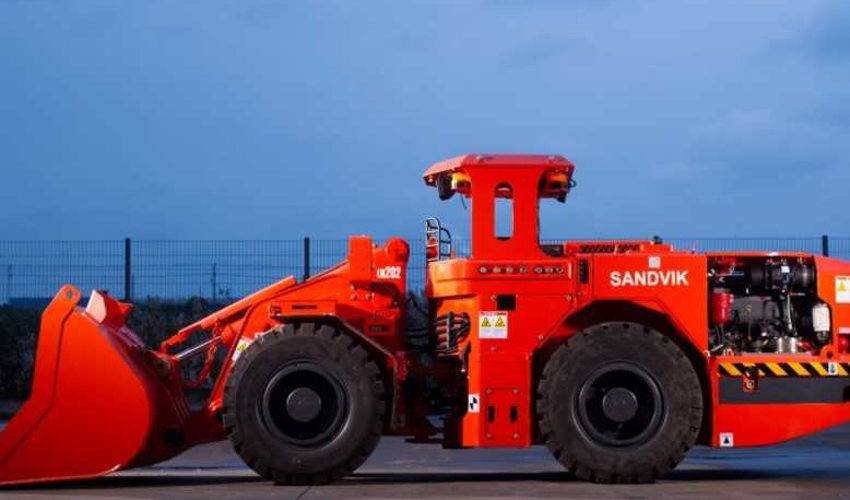 MaterialsSandvik Invests $25M in Metal 3D Printer PowdersOver the last year we saw a tremendous amount of activity in the metal 3D printing market, and 2018 is proving to be no exception. Sandvik, an engineering and tools group based in Sweden, have announced plans for the industry.…
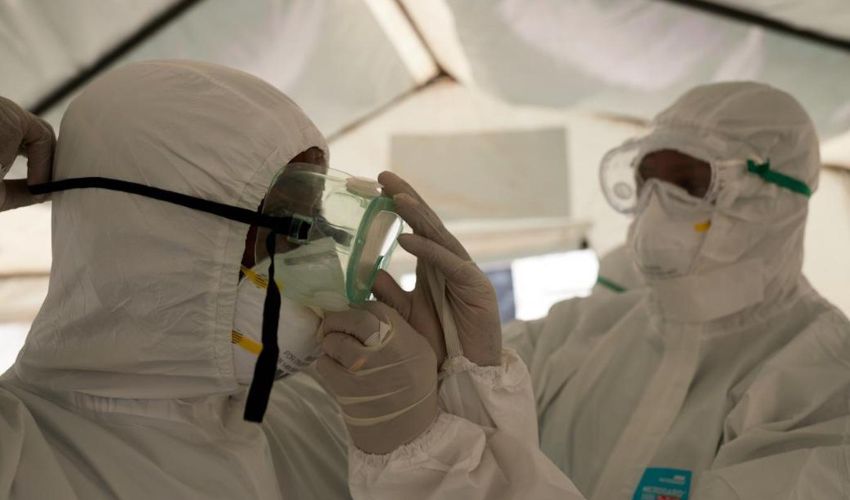 ApplicationsResearchers Used 3D Printing to Solve PPE Shortage in NigeriaA recent academic paper has revealed that researchers from the University of Sussex and the Olabisis Onabanjo University in Nigeria turned to 3D printing and open-source designs to help deal with a shortage of personal protection equipment (PPE). Like many…
 ApplicationsApplication of the Month: Customizing Police Vehicles With SLS 3D PrintingPolice vehicles are not like other cars. Although they may look much like normal vehicles on the outside, apart from their lettering and sirens, they are very different on the inside. In fact, patrol cars are specially equipped to carry…
 NewsMitsubishi Electric develops a metal additive manufacturing processMitsubishi Electric Corporation is a Japanese electrical equipment manufacturer and one of the world’s largest producers of photovoltaic panels. It is also a player in the additive manufacturing market that has already developed a hybrid machine combining metal sintering an
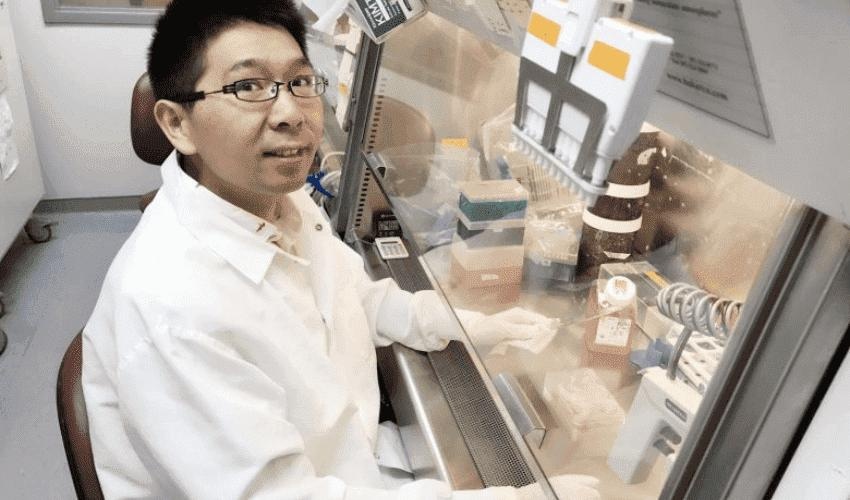 ApplicationsUniversity of Wisconsin-Madison Develops First-Ever Functional 3D Printed Human Brain TissueResearchers at the University of Wisconsin-Madison recently achieved a major milestone by creating the first-ever functional 3D printed human brain tissue. This synthetic tissue, capable of growing and functioning similarly to natural brain tissue, offers new perspectives for und
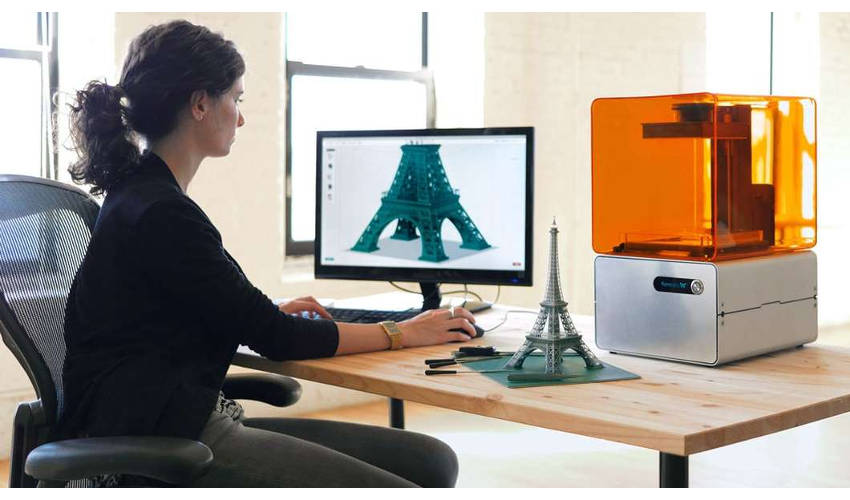 NewsHow to choose a 3D software for 3D printing: Experts give their advice!Over the last few months we have provided you with the advice from experts in different fields of additive manufacturing on multiple 3D printing topics: from choosing a 3D printer, filament, scanner to choosing an appropriate 3D technology. Today, we…