Applications
University of Wisconsin-Madison Develops First-Ever Functional 3D Printed Human Brain Tissue
Researchers at the University of Wisconsin-Madison recently achieved a major milestone by creating the first-ever functional 3D printed human brain tissue. This synthetic tissue, capable of growing and functioning similarly to natural brain tissue, offers new perspectives for und
- 3 min read
- Applications
- Six more stories

Researchers at the University of Wisconsin-Madison recently achieved a major milestone by creating the first-ever functional 3D printed human brain tissue. This synthetic tissue, capable of growing and functioning similarly to natural brain tissue, offers new perspectives for understanding the brain and treating neurological disorders, including complex diseases such as Alzheimer’s and Parkinson’s.
Using a horizontal 3D printing method and stem cell-derived neurons, a team of researchers has developed an approach that promotes the growth of nerve cells and the formation of networks similar to those naturally present in the human brain. Su-Chun Zhang, Professor of Neurology at the University of Wisconsin-Madison, asserts that this breakthrough represents a significant stride for the scientific community, providing the opportunity to understand the intricate interplay between cells and regions of the brain.

Photo Credits: Freepik
Regarding this achievement, Su-Chun Zhang explained, “This could be a hugely powerful model to help us understand how brain cells and parts of the brain communicate in humans. It could change the way we look at stem cell biology, neuroscience, and the pathogenesis of many neurological and psychiatric disorders.”
More from the desk
Six other notes from the rest of the bench.
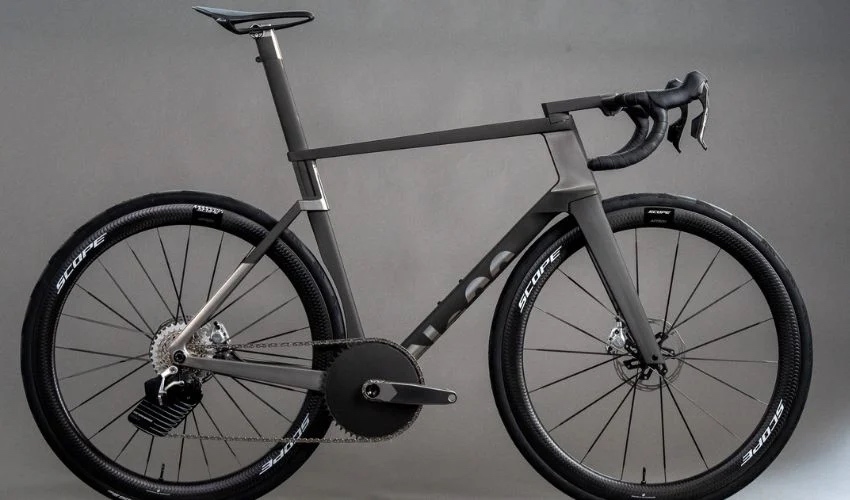 ApplicationsNo. 22 Launches Reactor Aero: The World’s First 3D-Printed Titanium Aero BikeInnovation is paramount in the world of cycling, and New York-based company No. 22 is setting new standards with the Reactor Aero, the world’s first 3D-printed titanium aero bike. The model combines state-of-the-art technology with exceptional design and promises an…
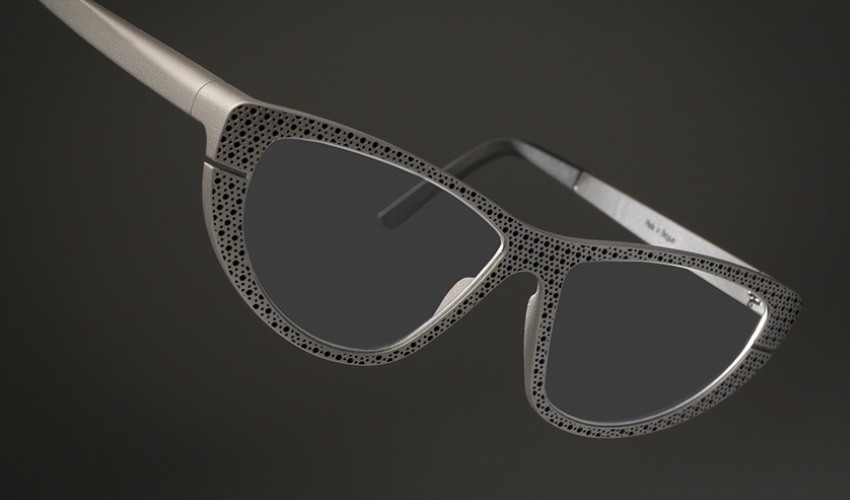 GuidesHoet on Redefining Eyewear With 3D PrintingThe consumer goods industry stands out as one of the primary beneficiaries of additive manufacturing. Within this sector, a notable application involves crafting frames for eyewear, including both sunglasses and prescription glasses. In fact, according to a study published by&hel
 ApplicationsResearchers 3D Print Headlight Lenses, Overcoming Manufacturing ChallengesOne of the best ways to understand 3D printing’s value is by explicitly comparing its effectiveness versus CNC machining and reverse engineering. Such is the case in a study conducted by Taiwan’s Tunghai University, where researchers discovered that, for headlight&hel
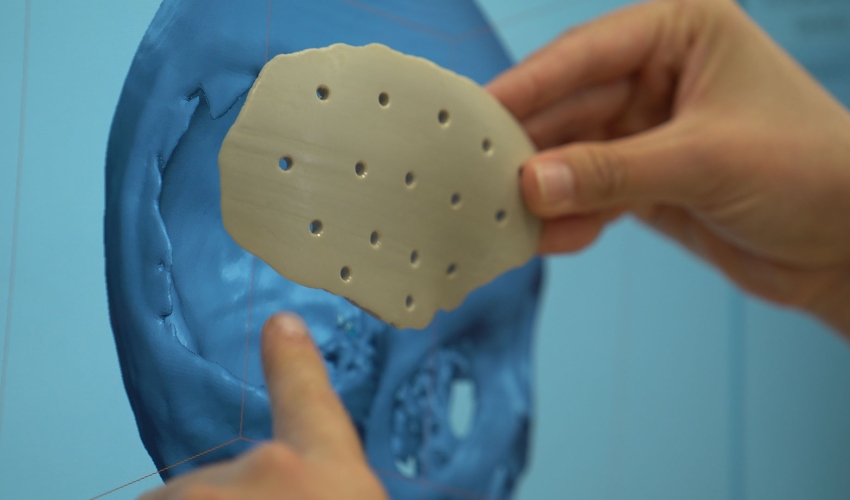 GuidesKumovis on Decentralizing Production of Plastic Medical Devices and ImplantsThose who have been following our news for a while will certainly be familiar with the startup Kumovis. Because in 2018, only one year after its founding, Kumovis was already among the winners of the Formnext Startup Challenge. A year…
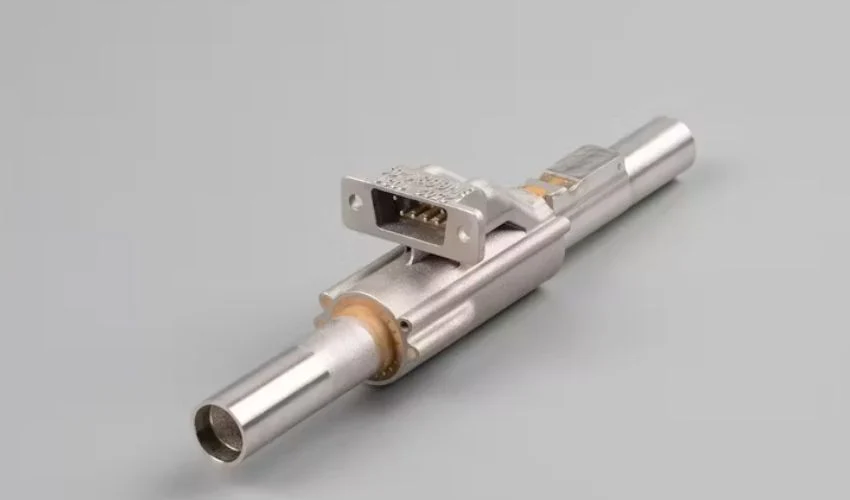 Applications3D-Printed Pipe Segment Combines Heating and SensorsMost of the heat control systems in use today are heavy, bulky and require many connecting cables. The EU project AHEAD (Advanced Heat Exchange Devices) aims to optimize these systems, and now a promising result has been presented: a 3D-printed…
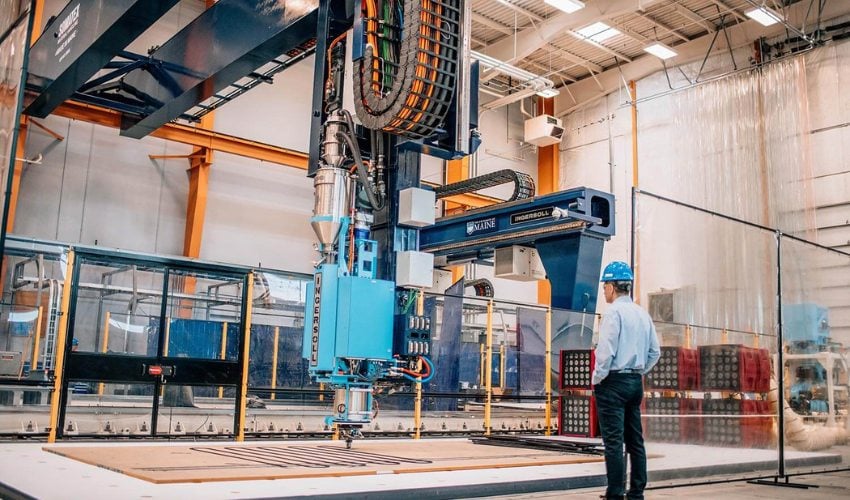 NewsUMaine Unveils World’s Largest 3D Printer With ‘Factory Of The Future 1.0’The University of Maine (UMaine) has introduced a significant advancement in manufacturing with the unveiling of its latest innovation: the Factory of the Future 1.0 (FoF 1.0), which constitutes the world’s largest 3D printer. Exceeding the capabilities of its predecessor,&hellip