News
Liquid Additive Manufacturing: A New Process for 3D Printing Silicone Seals and More
Seals play a vital role in many fields. Notably, seals are used to prevent or reduce the leakage or ingress of liquids, gases or solid substances such as dust. To be effective, they need to be plastic and elastically malleable,…
- 3 min read
- News
- Six more stories
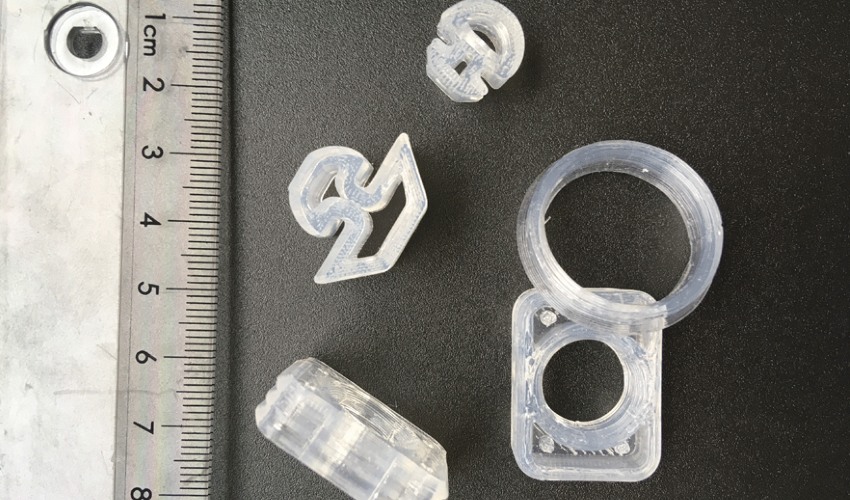
Seals play a vital role in many fields. Notably, seals are used to prevent or reduce the leakage or ingress of liquids, gases or solid substances such as dust. To be effective, they need to be plastic and elastically malleable, chemically resistant, resistant to temperature and aging, and wear-resistant. One material that is therefore a suitable material for seals is silicone rubber, an elastomer consisting of silicone, hydrogen, carbon and oxygen. In the injection molding process, silicone rubber is used in its liquid form, but this material could not be used for 3D printing. However, thanks to InnovativQ’s LiQ320 3D printer, which is based on the Liquid Additive Manufacturing process, this is no longer the case. With the LiQ320, it is possible for the first time to use liquid injection molding silicone for industrial 3D printing.
How does LiQ320’s Liquid Additive Manufacturing process work?
Liquid Additive Manufacturing is, as the name suggests, an additive manufacturing process for liquids and viscous materials, such as liquid silicone rubber. Like any AM process, it begins with the creation of a 3D model. For this, CAD data is converted for the programming software and the parameters are optimized. Afterwards, the final data is transferred to the LiQ320 3D printer. When the printing process starts, the LiQ320 begins volumetric material extrusion. The material consists of two components that are mixed in the printhead. Thanks to the printhead technology, precise metering and an ideal mixing ratio are possible, so that the structure buildup in the object can be controlled at the molecular level. Additionally, because of the Open Material Platform, the user is not tied to a specific manufacturer’s material.
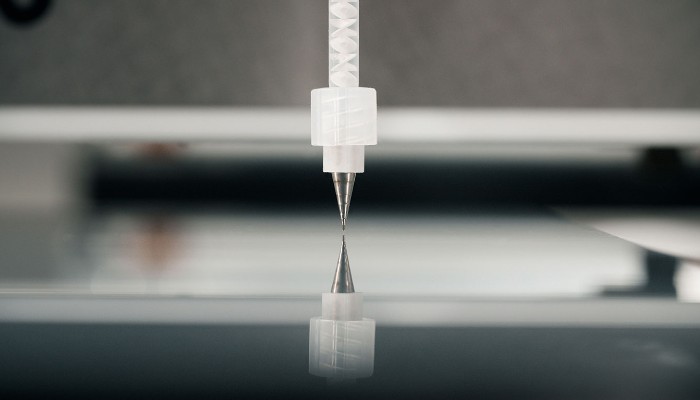
The printhead technology enables precise metering and an ideal mixing ratio, so that the application direction and thus the crosslinking can be influenced at the molecular level. (photo credits: InnovatiQ)
Similar to the FDM process, the material is applied to the print bed layer by layer by the extruder. In contrast, the starting material is already in liquid form and does not have to be melted first. Additionally, each individual layer is cured during the printing process with the help of a high-temperature halogen lamp (approx. 2,000 watts), which thermally cross-links the material.
More from the desk
Six other notes from the rest of the bench.
 NewsThe Best Generative Design Software for 3D Printing in 2023Designing is the first step in any 3D printing process and plays a critical role in ensuring that the final part will come out correctly. However, this stage can be difficult even for those accustomed to design for additive manufacturing…
 NewsJoint Venture Between Amaero And Abu Dhabi Firm Will Foster Metal Additive ManufacturingAdditive manufacturing is gaining momentum worldwide, but in certain parts of the world it is less established than in others. In a significant move towards the adoption of the technology in the Middle East, the Australian firm Amaero International Limited,…
 GuidesD-House Urban Laboratory on Using 3D Printing for Luxury BrandsA study by the Additive Manufacturer Green Trade Association (AMGTA), conducted in Italy in collaboration with Dyloan Bond Factory and Stratasys, highlighted that the use of 3D printing in the fashion and luxury sectors could lead to considerable time and…
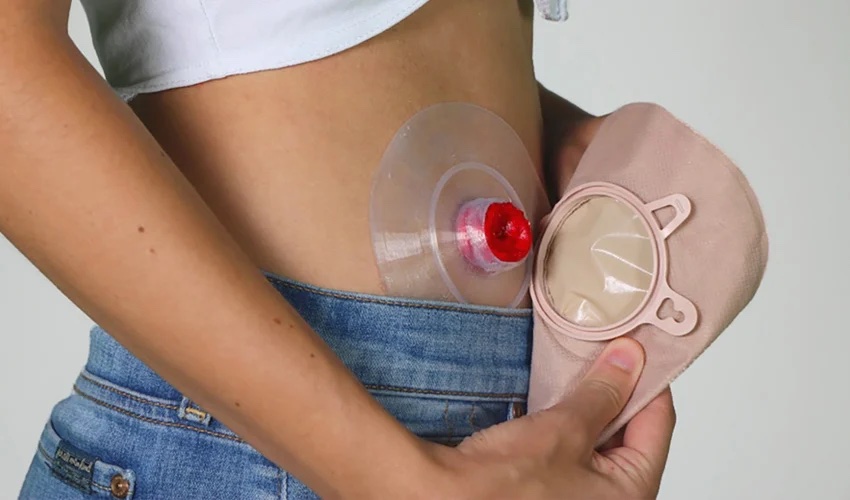 ApplicationsOdapt, a 3D Printed Disc for Ostomy Bags That Does Not Cause LeakageMore and more people are suffering from intestinal infections and urinary system problems, including but not limited to bladder cancer, colon cancer and Crohn’s disease. These kind of diseases are also ones for which people have to undergo an ostomy,…
 NewsHow Boom Supersonic 3D printed parts for the XB-1Just a few months ago Boom Supersonic launched their XB-1 aircraft. The XB-1 is a high speed jet that has often been compared to the now extinct Concorde. The company have now released a detailed study into how the aircraft…
 Printers3Dnatives Lab: 3D Sense by 3D Systems TestAlthough 3D scanners are somewhat less popular than their 3D printer counterparts, 3D scanners have begun to evolve at their own pace and are enabling even more innovative products and ways that we can incorporate their use into our work,…