News
The Best Generative Design Software for 3D Printing in 2023
Designing is the first step in any 3D printing process and plays a critical role in ensuring that the final part will come out correctly. However, this stage can be difficult even for those accustomed to design for additive manufacturing…
- 3 min read
- News
- Six more stories
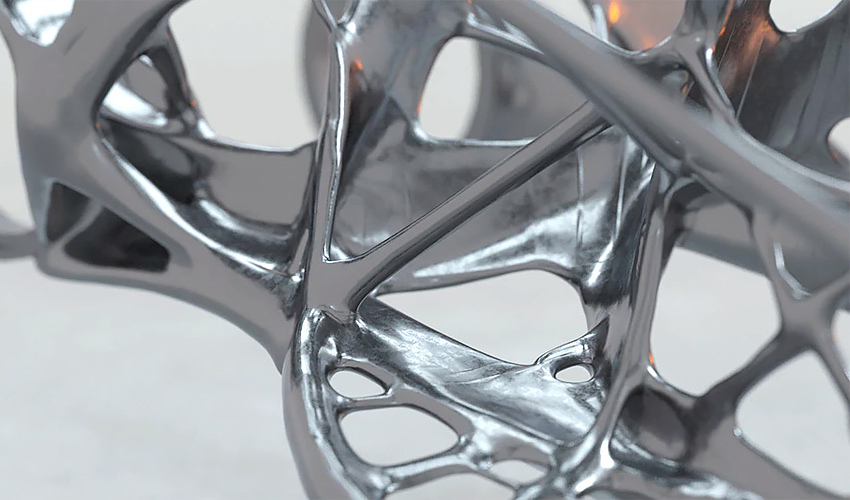
Designing is the first step in any 3D printing process and plays a critical role in ensuring that the final part will come out correctly. However, this stage can be difficult even for those accustomed to design for additive manufacturing (DfAM). This is where software comes in. We have already told you about the benefits of topological optimization software, but another increasingly important tool is generative design. Though often lumped together with topological optimization software (as well as usually available in tools offering the former!), generative design differs as it actually generates outputs based on specified parameters or constraints that have been put into the software. Thus, rather than optimizing what was already created, it can imagine an entirely new structure that may not have been considered before. To give you a better idea of the various tools currently available, you will find a list below (in alphabetical order based on the name of the product) of the available generative design software on the market, including those designed only for generative design and others where it is included as an extension.
Ansys Discovery
The Ansys Discovery software has been developed to ensure enhanced efficiency and address critical questions during the early stages of conceptualization. By integrating the Ansys Mechanical and Ansys Fluent tools, this software enables interactive 3D modeling. Its primary purpose is to facilitate the design, exploration, and validation of products. Users have access to three modes: the Model mode for creating and editing concepts, the Explore mode for real-time simulations, and the Refine mode for concept validation. All relevant information is easily accessible to the participants.This powerful tool allows for multiphysics simulations, real-time simulations, and high-fidelity simulations of the created concepts. Additionally, it offers the capability to evaluate and optimize the mechanical, thermal, and electromagnetic properties of the designs during the analysis phase. The software emphasizes innovation and user-friendliness, fostering collaboration among stakeholders and ultimately leading to increased productivity. By conducting numerous simulations, it significantly reduces the need for prototypes and tests, saving time and resources in advance.
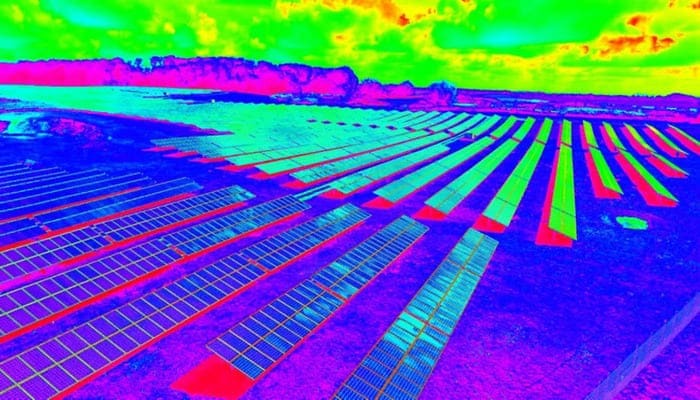
Ansys Discovery enables the analysis of concepts in terms of their thermal properties. (Photo credits: Ansys)
CATIA Generative Design Engineering – Dassault Systemes
CATIA software, developed by Dassault Systèmes, is renowned for its capabilities in design, engineering, systems engineering, and construction. It serves as a cornerstone of the Industry Solution Experiences offered by the company. The primary objective of CATIA is to enhance product conception for businesses across all levels and provide them with a competitive edge in the market. CATIA excels in designing unconventional and innovative concepts, offering unparalleled 3D modeling and simulation functionalities. Leveraging the intuitive 3DEXPERIENCE® platform, users can refine, analyze, and compare their created concepts with other models. Whether for additive or traditional manufacturing processes, CATIA accommodates various steps involved. The 3DEXPERIENCE platform fosters collaboration among designers, simulation teams, and manufacturing engineers by prioritizing user-friendliness, accessibility, and intuitive operation. This ensures a seamless and efficient workflow, allowing stakeholders to work together effortlessly in achieving their design goals.
More from the desk
Six other notes from the rest of the bench.
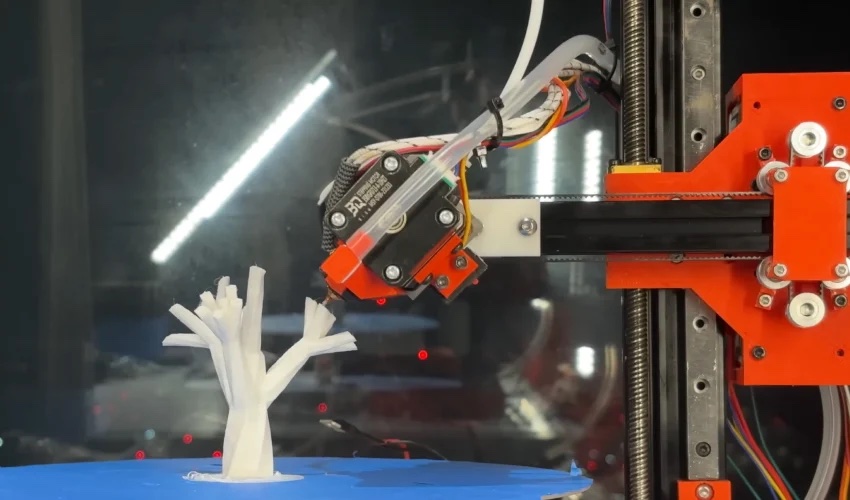 PrintersJoshua Bird’s “Core-RΘ” 4-Axis Polar 3D Printer Can Print Without Any SupportsIn the world of FDM 3D printing, dominated by classic Cartesian systems, some innovations are overturning established codes. Such is the case with the 4-axis core-RΘ 3D printer designed by Joshua Bird. This audacious maker has pushed back the boundaries…
 SoftwareTop Additive Manufacturing Workflow Software SolutionsThe increasing integration of 3D printing across industries has brought about a pressing need: the effective management of diverse additive manufacturing workflows. In response, specialized Manufacturing Execution System (MES) software tailored for 3D printing has emerged. The pr
 NewsWEBINAR: Unlocking Production with Industrial AM: Lessons from Experts, Resellers & Real UsersWhen does resin printing move from a prototype to a production asset? Can SLA patterns actually survive the burnout process in a high-stakes foundry? How does the cost-per-part on an SLA system compare to traditional tooling at scale? If you…
 ApplicationsNew Zealand researchers 3D-print corneas from fish scalesResearchers at Massey University have successfully made a new 3D-printer. This printer is special: it can 3D-print new corneas, which can then be used to transplant them into humans. The best part? The printer creates these new corneas from fish scales.…
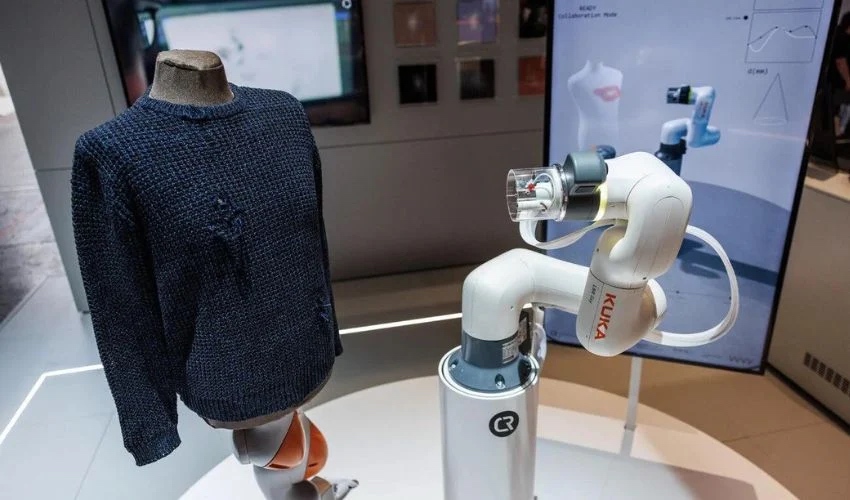 NewsUsing 3D Printing in the Fight Against Fast FashionWhen it comes to the environmental concerns plaguing our planet, the textile industry is quickly coming under scrutiny as one of the worst offenders. The rapid change in fashion trends, the constantly appearing new collections and the growing consumption of…
 MaterialsAectual 3D Prints Planters From Recycled PlasticIn order to tackle the mounting issues concerning humanity’s ability to recycle plastic, many industries have turned to the additive manufacturing sector for solutions. For instance, a few weeks ago, we were talking to you about 3D printed beams made…