Applications
Odapt, a 3D Printed Disc for Ostomy Bags That Does Not Cause Leakage
More and more people are suffering from intestinal infections and urinary system problems, including but not limited to bladder cancer, colon cancer and Crohn’s disease. These kind of diseases are also ones for which people have to undergo an ostomy,…
- 3 min read
- Applications
- Six more stories
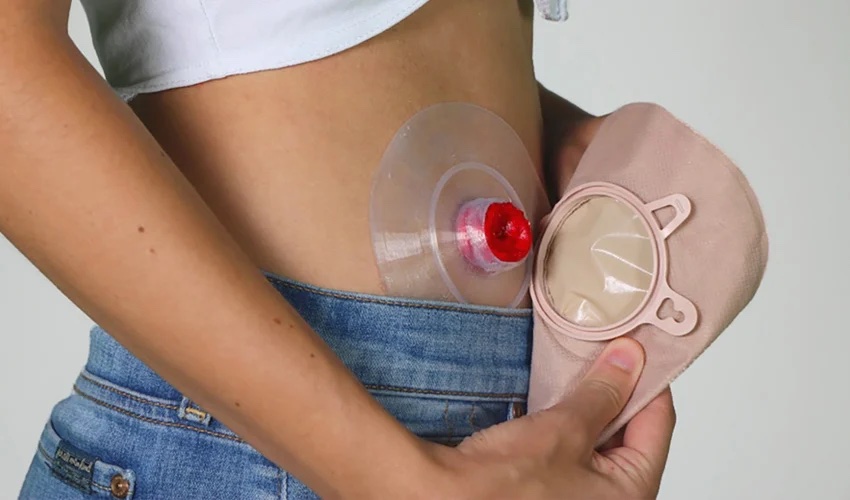
More and more people are suffering from intestinal infections and urinary system problems, including but not limited to bladder cancer, colon cancer and Crohn’s disease. These kind of diseases are also ones for which people have to undergo an ostomy, an opening in the abdomen that allows waste and urine to be expelled via a disc and an ostomy bag inserted into the stoma. Indeed, according to the United Ostomy Associations of America (UOAA), 725,000-1 million people in U.S. with an ostomy and that is growing every year but those with these ostomy bags can suffer from complications after surgery, notably leakage. Now, however, three Spanish students have used 3D printing to create Odapt, a customized 3D printed disc for an ostomy bag that does not leak.
You may be asking yourself, what is an ostomy? As alluded to before, it is an operation wherein the affected part of the intestine is cut out of patients suffering from some of the diseases mentioned above. To do this, it has to be taken out through the abdominal wall creating what is known as a stoma. And to create a better ostomy bag, three students from the Master in Industrial Design Engineering program at Elisava Barcelona School of Design and Engineering have created Odapt. More specifically, Ivana Llobet, Jessica Nissen and Patricia López designed a customized 3D printed disc for an ostomy bag which is capable of adapting to any kind of stoma or stomach.
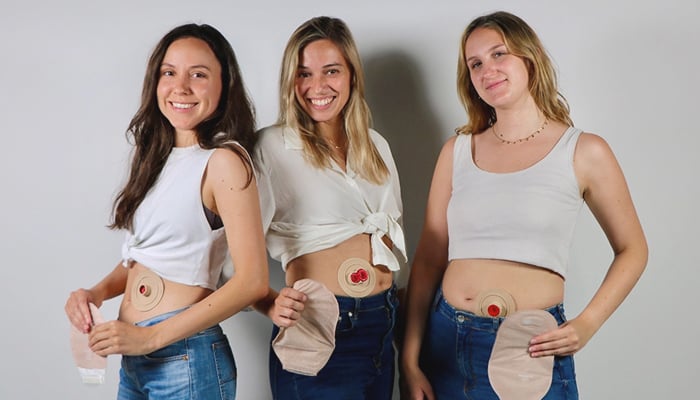
From left to right, Jessica, Ivana and Patricia, Odapt project managers
This project began after observing that the design of ostomy bags had not been updated since 1950, when they were invented. Moreover, they noted that the discs available on the market for ostomy bags were not able to adapt to individual stomas. After investigating and learning more thanks to interviews with patients, doctors, as well as putting themselves in the shoes of patients with ostomy bags, they realized that the main problem was the leaks caused by poor adhesion of the disc to the stoma. Indeed, according to a press release from the university, about 90% of patients with current ostomy bags suffer leaks. Thus, the students sought to resolve this problem through Odapt.
More from the desk
Six other notes from the rest of the bench.
 News3D Printed Plant-Based Calamari Set To Make WavesHumanity’s appetite for seafood is vast and worldwide. An average person eats over 45 pounds of fish per year, but overfishing, accessibility, affordability, and increasing ocean contamination with dangerous materials such as microplastics and heavy metals have pushed pione
 NewsNicolas Cage Transforms into Dracula with 3D Printed Dentures for ‘Renfield’ MovieOne of the most awaited flicks to soon be coming to cinemas is “Renfield”, wherein Nicolas Cage is set to star as the legendary vampire Dracula. The supernatural comedy-horror will be retelling the classic novel from the perspective of an insane…
 GuidesTop 3D Printed OrthosesIt is becoming increasingly evident that additive manufacturing has a pivotal role to play within the medical sector. This is largely due to the ability to create and customize solutions tailored to each individual. From bioprinting projects for tissue development…
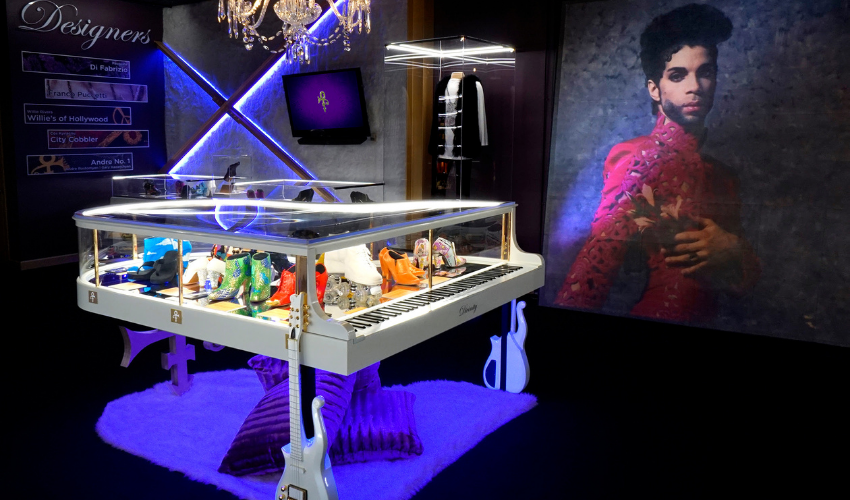 NewsStratasys Uses Polyjet & FDM Technology For Prince’s Paisley Park ExhibitionThis past summer, we informed you of Stratasys‘ involvement in the Prince shoe tribute that would be on display in an exhibition at the legendary musician’s recording complex. The exhibition has been extended through 2022, so if you happen to…
 GuidesCan LFAM Really Be Used for Production? BigRep Unifies the Industrial Workflow at RAPID+TCTWhile large-format additive manufacturing is gaining ground, can it truly deliver on its promises and transition seamlessly from rapid prototyping to production? BigRep, at the RAPID + TCT trade show, certainly seems to be demonstrating this! They are developing industrial&hellip
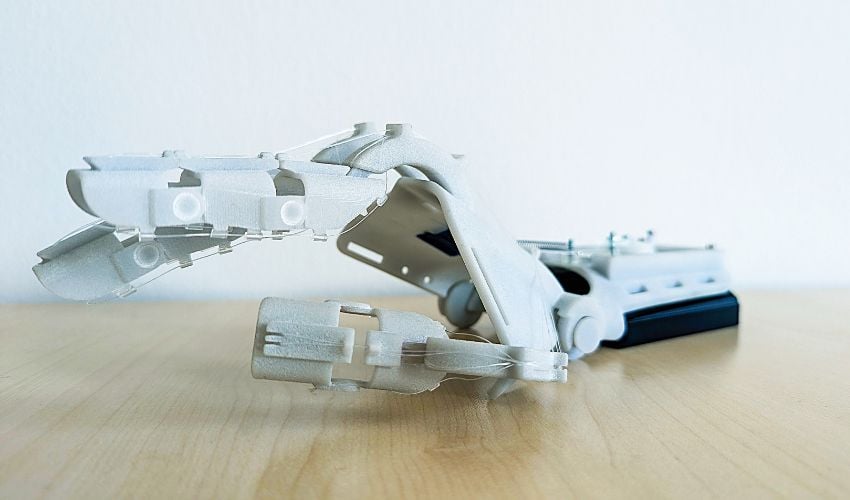 ApplicationsFraunhofer 3D Printed Exoskeleton Helps Patients Return to Daily LifeAfter accidents that damage tendons, a patient’s mobility is often severely limited. Hand injuries, in particular, can take a long time to heal and usually only recover fully through physiotherapy. For therapy, experts are increasingly using so-called exoskeletons, which are&hell