News
How Boom Supersonic 3D printed parts for the XB-1
Just a few months ago Boom Supersonic launched their XB-1 aircraft. The XB-1 is a high speed jet that has often been compared to the now extinct Concorde. The company have now released a detailed study into how the aircraft…
- 3 min read
- News
- Six more stories

Just a few months ago Boom Supersonic launched their XB-1 aircraft. The XB-1 is a high speed jet that has often been compared to the now extinct Concorde. The company have now released a detailed study into how the aircraft was designed and manufactured, as well as the finishing touches. The XB-1 incorporates 21 components which were printed with Velo3D’s Sapphire 3D printer (Powder Bed Fusion). Thanks to 3D printing, Boom Supersonic were able to minimise manufacturing time, and aircraft weight, and maximise design flexibility.
Boom Supersonic are not only responsible for the world’s first ever independently developed supersonic jet, but also the first commercial aircraft manufacturer to incorporate sustainability into their aircraft design from the get go. The company are committed to being 100% neutral, from the design of their aircraft and how their production facility is operated, to how their aircrafts are recycled when no longer fit use. Boom Supersonic are aiming to create a new travel standard, where speed, convenience, and affordability are the new normal.
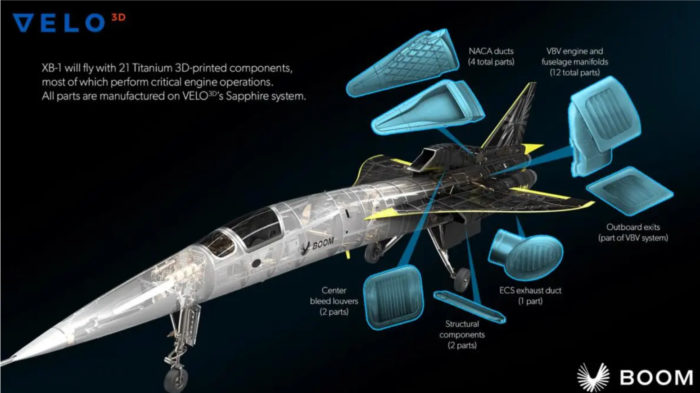
The XB-1 has 21 components 3D printed using Velo3D’s Sapphire 3D printer. (Photo Credit: Boom Supersonic)
The XB-1’s 3D printed components mostly consist of parts, including vanes and ducts, intended to channel air, which would often exceed 260ºC. These parts are geometrically complex and thus better suited to additive manufacturing, than traditional methods unable to achieve the level of intricacy required. Engineer Byron young explained why additive manufacturing was so important for the production of these parts: “If fast moving air is touching it, we care about that surface from an efficiency and performance standpoint. So when designing these parts, you generally start with aerodynamic profiles and then trim, fillet, and thicken surfaces to create the solid part itself. The resulting parts are very complex—which meant they definitely needed to be fabricated through 3D printing.”
More from the desk
Six other notes from the rest of the bench.
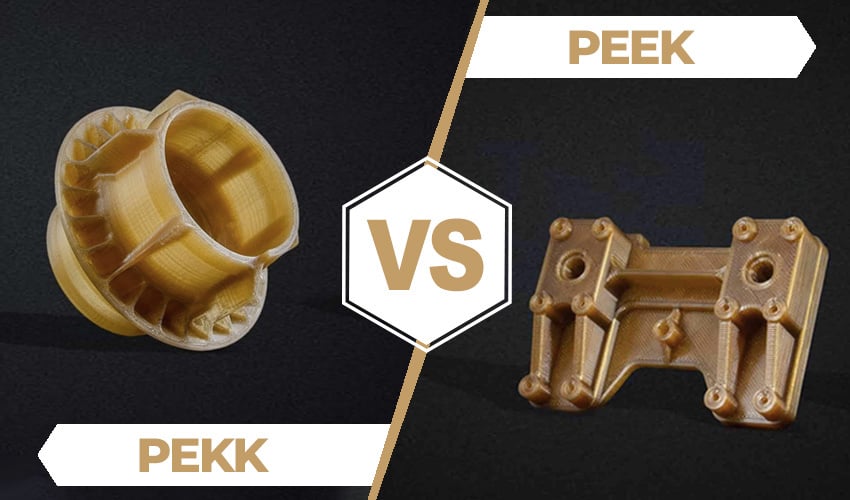 MaterialsPEEK vs PEKK: Which High Performance Material Should You Choose?PEEK and PEKK are high performance polymers, known for their strength and thermal properties, that are increasingly used in additive manufacturing industry. PEEK and PEKK demonstrate sufficient mechanical strength at temperatures over 250°C, and can resist deformation well above
  NewsUsing additive manufacturing to break the codes of architectureThe HS HITECH 3D printing service uses additive manufacturing to build modular structures including customised structural elements called Blobee. Thanks to HP’s Multi Jet Fusion technology, they were able to design the various joints of a glass substructure, surpassing curr
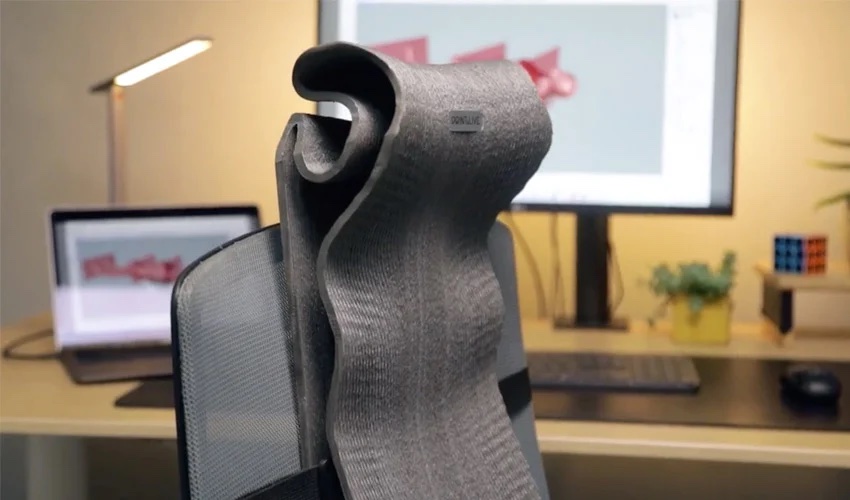 NewsBack Care, the 3D Printed Support Fully Adapted to Each BodyWho hasn’t experienced back pain due to poor posture or uncomfortable seating? What if we told you that 3D printing, combined with artificial intelligence, could solve this problem? That’s the idea behind Alemki Robotix, a start-up that’s not yet well…
 NewsTop 5 Videos: Purdue University’s 3D Printed Solar Race CarCome one, come all! Welcome to another top 5 videos of the week where we will get behind the wheel of Purdue’s 3D printed solar race car, learn about developing technologies at the cutting edge of the industry, and how…
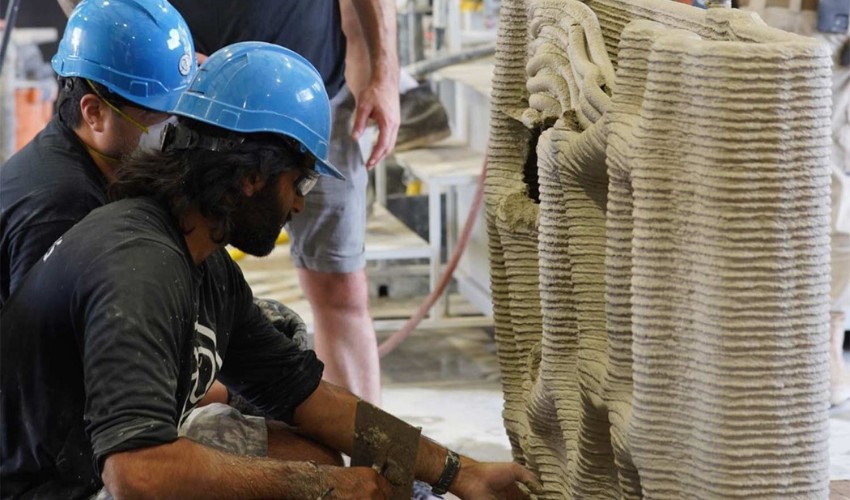 NewsFirst 3D Printed Seawalls Placed in Florida to Fight Against Rising SeasAs climate change accelerates and sea levels surge, coastal communities worldwide confront an unprecedented threat. Compounding this challenge is the alarming decline of coral reefs. While 3D printing has previously addressed these issues individually, Miami-based tech company Ki
 NewsWhat Are the Must-See 3D Solutions at Formnext 2022?Formnext opened its doors this morning and the buzz is already palpable! We are impressed by the number of visitors walking the aisles, looking for the latest innovations in the additive manufacturing market. Of course, with all the exhibitors present,…