News
A 3D Printed Organ Helps Ring in the Near Year in Helsinki
Every year on January 1st, concerts around the world ring in the New Year in a lively and musical way. The traditional New Year’s concert by the Vienna Philharmonic Orchestra, for example, attracts millions of people every year who do…
- 3 min read
- News
- Six more stories
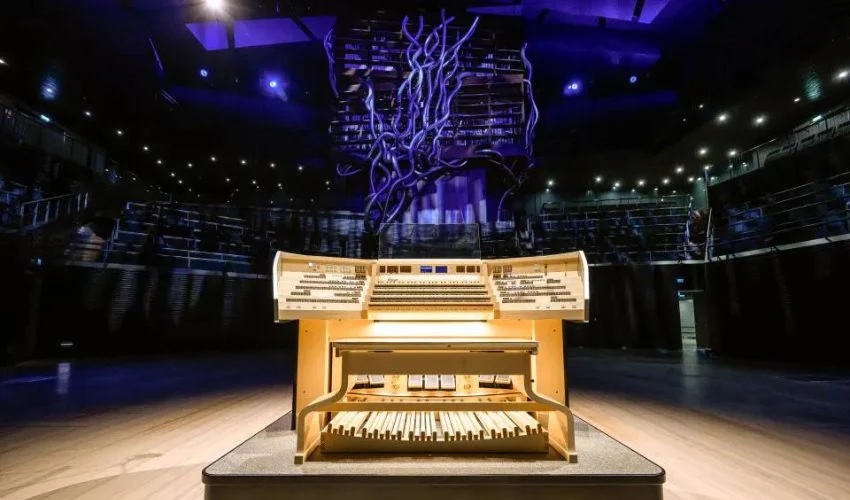
Every year on January 1st, concerts around the world ring in the New Year in a lively and musical way. The traditional New Year’s concert by the Vienna Philharmonic Orchestra, for example, attracts millions of people every year who do not want to miss the traditional concert. But other cultural venues and capital cities also attract attention with their musical performances at the start of the year. At the Helsinki Music Centre, a 3D-printed organ by organ builder Rieger celebrated its premiere on January 1st and set the mood for 2024. French organist Olivier Latry was on the bench for the organ inauguration, and the 3D-printed Rieger organ is expected to be played by other internationally renowned organists in the following concerts.
The 3D-printed Rieger organ is not only the largest organ in Finland and the whole of Scandinavia, but is one of the largest organs in the world. It combines elements of traditional organ building with modern 3D printing technology and has a total of over 260 meters of sounding pipes and wind lines. These are made of 100% recyclable, Finnish, wood-based UPM Formi 3D biocomposite for a special sound. The Rieger organ is also visually impressive, as the pipes and wind lines are interwoven into a modern sculpture in front of the organ case.

Jan Lehtola and the 3D-printed organ (photo credits: JUHANI NIIRANEN / HS).
In terms of sound, the organ covers a broad spectrum. As it is a hybrid organ, it follows neither geographical nor music-historical sound ideals and allows for a diverse repertoire. It offers various features for sound possibilities and playing technique. The movable soundboard, for example, turns the organ into a super synthesizer that controls the sound. This is particularly interesting for organists who specialize in more modern pieces. Yesterday, listeners were able to enjoy the different sounds, as the program ranged from Johann Sebastian Bach to the Romantic period and the 20th century.
More from the desk
Six other notes from the rest of the bench.
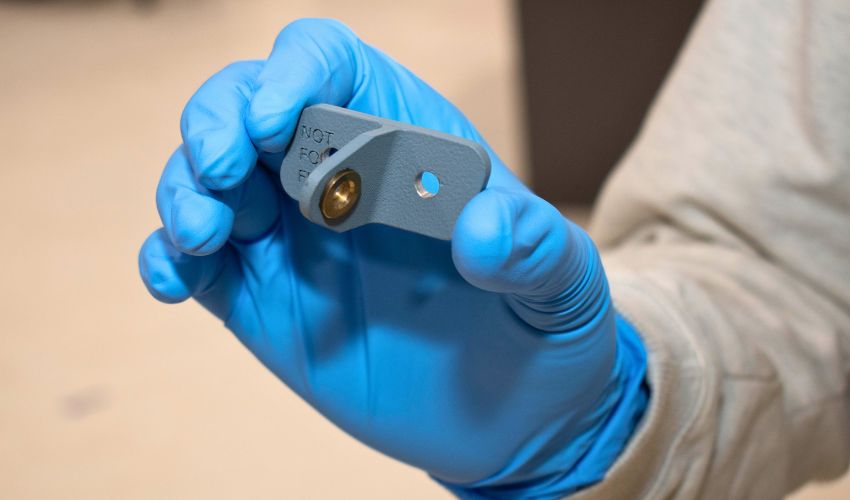 ApplicationsFlight-Certified and Made In-House: How a U.S. Military Depot Is Rethinking Aircraft SustainmentThe U.S. military is increasingly turning to additive manufacturing not as an experimental tool, but as a strategic response to a structural problem: supply chains that were never built for the speed of modern conflict. The latest example comes from…
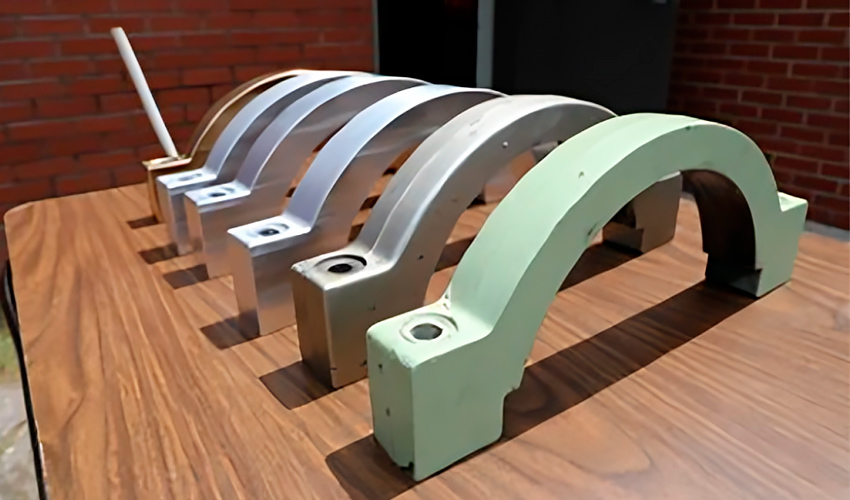 ApplicationsUS Soldier Completes SPEE3D Additive Manufacturing Demonstration for Army Research LabBy 2027, the value of additive manufacturing in the defense sector is projected to be $1.7 billion. Why? Employing additive manufacturing technologies is advantageous because it can mean faster production times, cheaper costs, and more customizable outcomes. While 3D printing&hel
 NewsTPM3D Promotes the Adoption of SLS Additive ManufacturingSelective laser sintering has long been a process reserved for industrial users with significant investment capacity. In recent years, SLS has become more accessible thanks to machines that are easier to use and, above all, more affordable. While some obstacles…
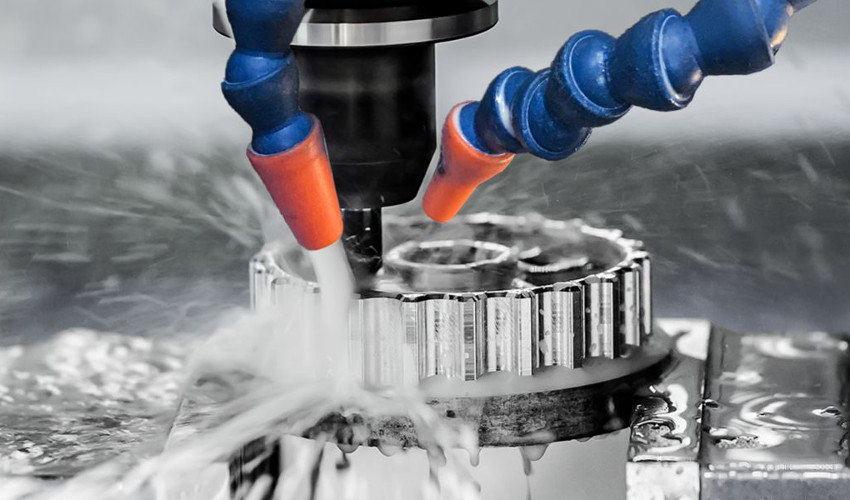 Materials3D Printing vs CNC Machining: Which is best for prototyping?3D printing is a rapidly growing technology with many advantages over traditional manufacturing methods. It however has its problems, including that 3D printing cannot be effectively used for mass production, and is limited in speed and accessibility. Another manufacturing techni
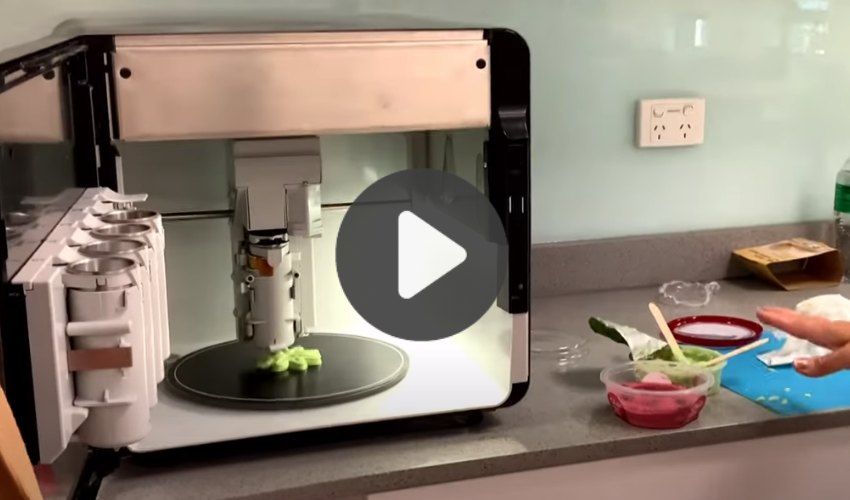 NewsTop 5 Videos: Eating 3D Printed Food Tailored For Dysphagia PatientsWelcome to our compilation of this week’s most compelling 3D printing videos. We kick off this week’s edition with a taste test and exploration of 3D printed food, tailored for those suffering from dysphagia. Next, we’re given an in-depth look…
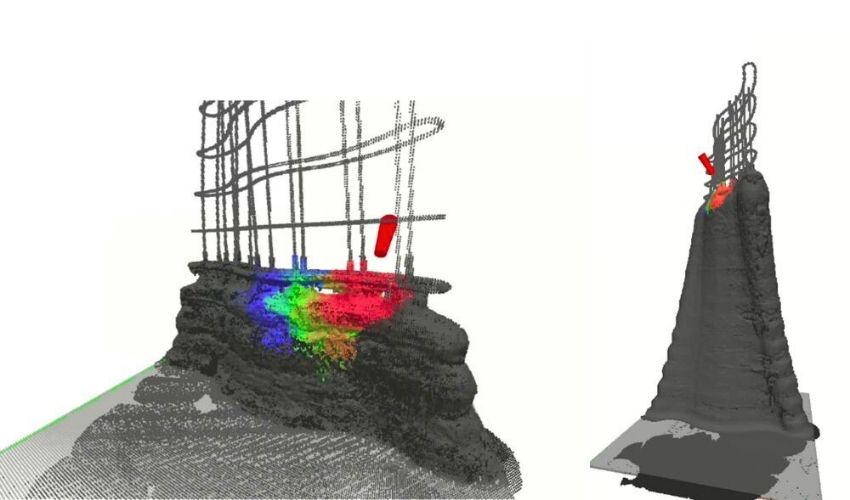 NewsShimizu’s Spray-Based 3D Printing System Is Redefining How Reinforced Concrete Is BuiltAs Japan’s aging population and shrinking construction workforce put growing pressure on the industry, Shimizu Corporation is turning to a new kind of 3D printing. The company has developed a spray-based system designed to fabricate large, curved, and reinforced concrete…