Materials
3D Printing vs CNC Machining: Which is best for prototyping?
3D printing is a rapidly growing technology with many advantages over traditional manufacturing methods. It however has its problems, including that 3D printing cannot be effectively used for mass production, and is limited in speed and accessibility. Another manufacturing techni
- 3 min read
- Materials
- Six more stories
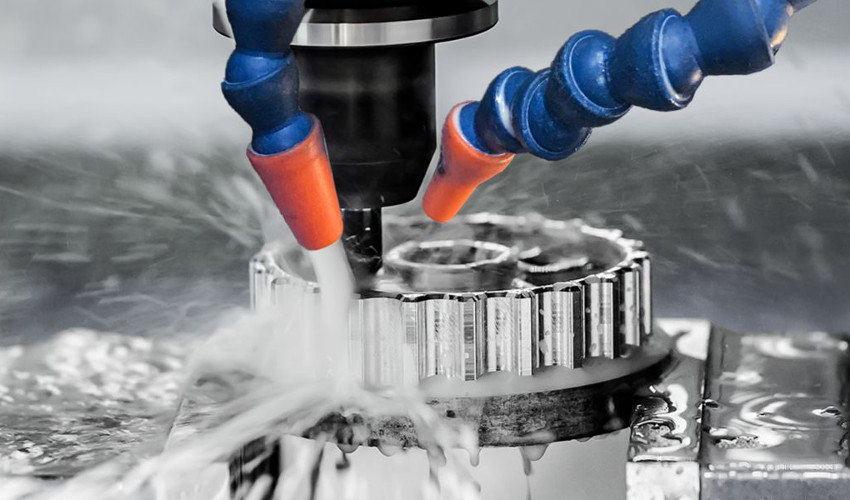
3D printing is a rapidly growing technology with many advantages over traditional manufacturing methods. It however has its problems, including that 3D printing cannot be effectively used for mass production, and is limited in speed and accessibility. Another manufacturing technique for low-to-mid production is CNC machining (computer numerical control), a fairly common subtractive technique for part creation. We decided to compare the advantages and disadvantages for each method to establish where these technologies are most appropriate.
Subtractive vs Additive Manufacturing
They key difference between 3D printing and CNC machining is that 3D printing is a form of additive manufacturing, whilst CNC machining is subtractive. This means CNC machining starts with a block of material (called a blank), and cuts away material to create the finished part. To do this, cutters and spinning tools are used to shape the piece. Some advantages of CNC machining include great dimensional accuracy as well as many compatible materials, including wood, metals and, plastics.
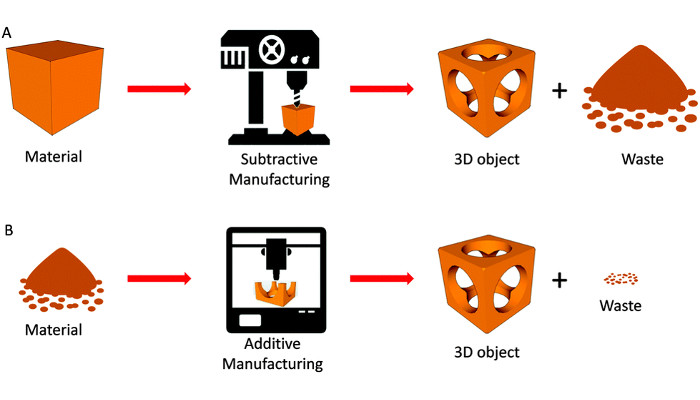
3D printing, or additive manufacturing, involves parts being created layer-by-layer using materials such as plastic filaments (FDM), resins (SLA/DLP), plastic or metal powders (SLS/DMLS/SLM). Using a source of energy such as a laser or heated extruder, layers of these materials are solidified to form the finished part. Advantages of 3D printing include its freedom of shape, applications in many sectors, accuracy, speed, and ability to cut costs and weight in parts.
More from the desk
Six other notes from the rest of the bench.
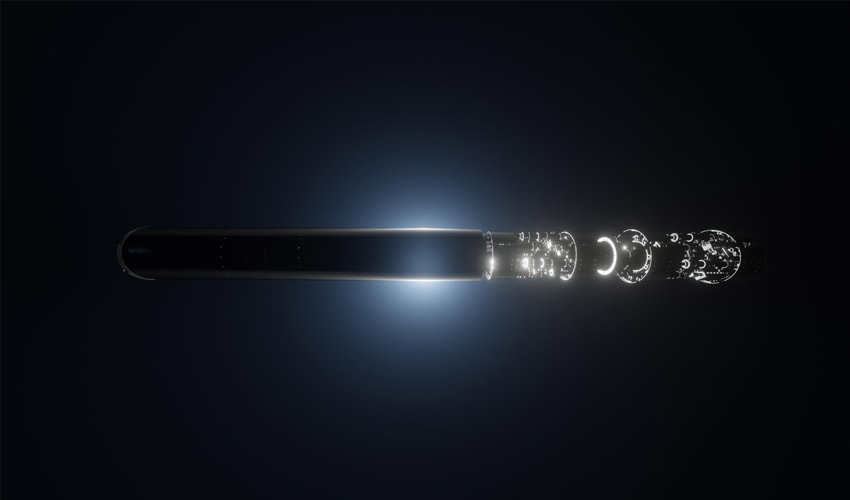 NewsSwissloop Tunneling Has Integrated a 3D Printer into a Tunneling Machine for Elon Musk’s HyperloopSwissloop Tunneling is an association of students located at ETH Zurich whose goal is to revolutionize the construction of tunnels. For several months now, it has been working on its “Groundhog Alpha” model, a 7-meter (nearly 23′) long machine that…
 NewsBoeing 777X’s first flight with more than 300 3D printed partsThe Boeing 777X successfully completed its first long-haul flight last Saturday, placing it among the largest twin-engine aircraft on the market. What’s particularly exciting about this new aircraft from the U.S. giant is that its two GE9X engines incorporate more…
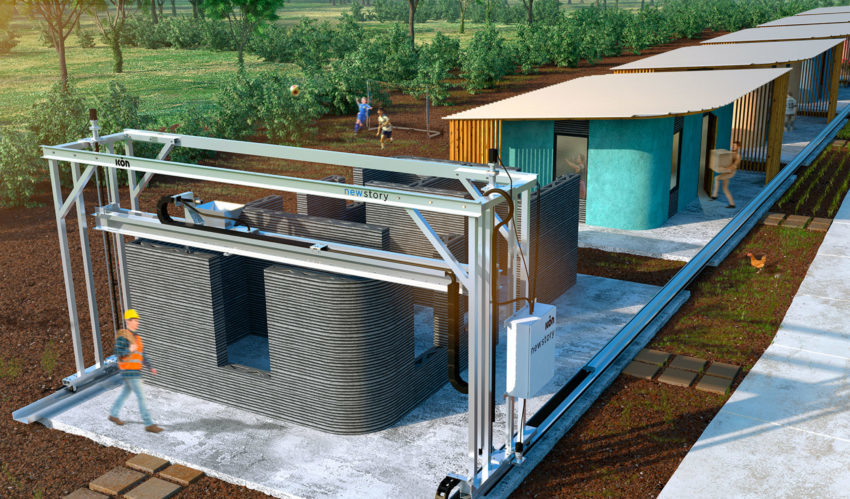 NewsHow does a concrete 3D printer work?In recent years the role of additive manufacturing in the construction industry has become increasingly important. In particular, concrete 3D printers have been continuously gaining popularity among architects and construction firms. After water, concrete is the most widely used
  NewsTOP 5 videos of the week: Swords, 3D printers for kids and more!A new selection of the best 3D printing videos of the week, just for you! Find our TOP 5 videos of the week below and tell us what your favorite video is in a comment or on our Facebook and Twitter page. Don’t hesitate to…
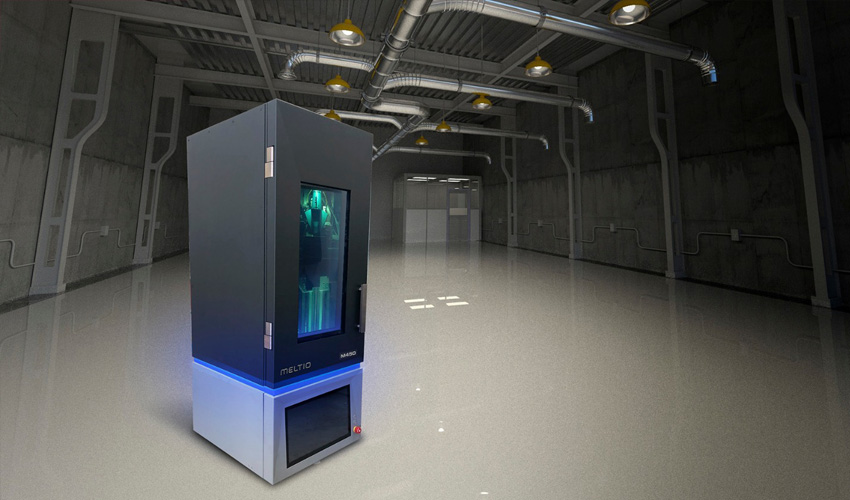 PrintersMeltio M450, a metal 3D printer for industrial needsMetal 3D printing is undoubtedly one of the most prominent 3D printing technologies of the last decade, its growth is due to the arrival of increasingly accessible and easily adoptable solutions. According to Technavio’s study, the growth of metal technologies…
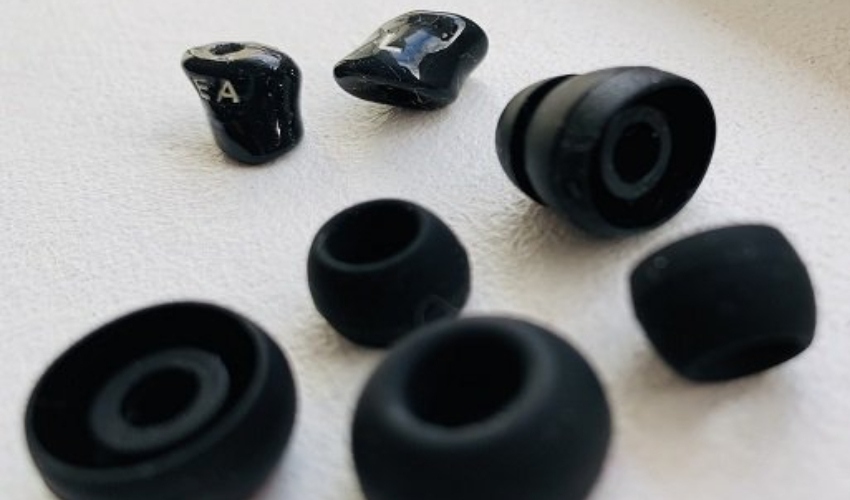 NewsCustom-Fit Affordable Earphones to be 3D Printed on the Form3BSennheiser’s AMBEO division have partnered with Formlabs to develop affordable earphones, that customers can personalize according to their own ear shape. These custom fit earphones, currently still in the prototype stage of development, will offer an immersive sound experience.