Applications
US Soldier Completes SPEE3D Additive Manufacturing Demonstration for Army Research Lab
By 2027, the value of additive manufacturing in the defense sector is projected to be $1.7 billion. Why? Employing additive manufacturing technologies is advantageous because it can mean faster production times, cheaper costs, and more customizable outcomes. While 3D printing&hel
- 3 min read
- Applications
- Six more stories
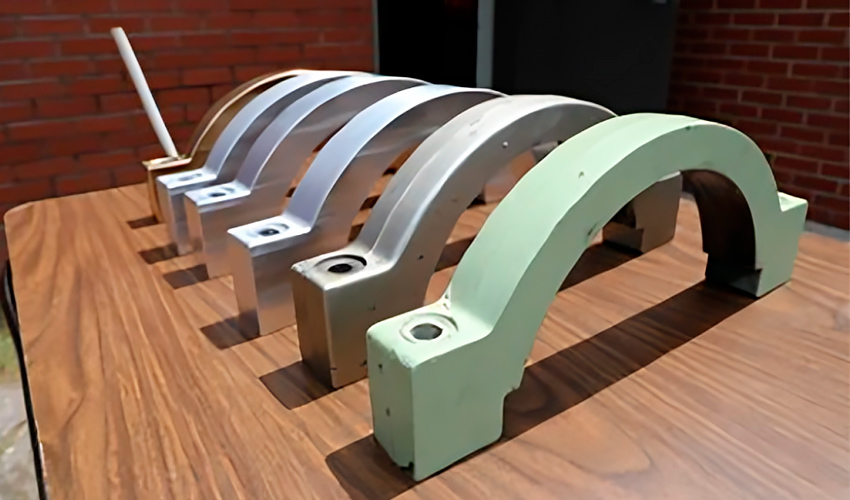
By 2027, the value of additive manufacturing in the defense sector is projected to be $1.7 billion. Why? Employing additive manufacturing technologies is advantageous because it can mean faster production times, cheaper costs, and more customizable outcomes. While 3D printing for the defense industry is often only conducted by experts, the US Army wanted to see if a soldier with no background in AM could be trained to produce a critical part within a short period. This way, parts could be produced on the field or at deployment locations in times of need. To test this idea, they completed an exercise at the University of Tennessee, Knoxville from August 5th to the 16th, and the demonstration was a success.
The collaboration had many players. The US Army Combat Capabilities Development Command (DEVCOM) and the Army Research Laboratory (ARL) were the government leaders. SPEE3D was the AM company lead along with VCR Metal Systems. The University of Tennessee Knoxville was the demonstration host, and the 278th Armored Cavalry Regiment (ACR) was the site host with soldiers.
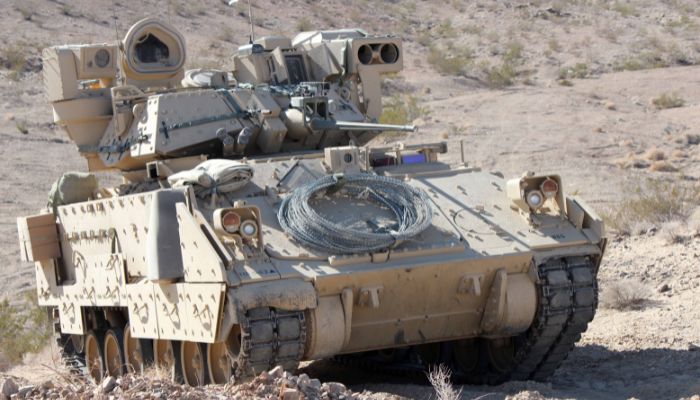
This is a Bradley Fighting Vehicle, similar to the one for which the soldier 3D printed a transmission mount, though not the same vehicle. (Photo Credit: Sgt. Eric Garland, Public domain, via Wikimedia Commons)
For this trial, a soldier with no experience in AM learned to print a Bradley Fighting Vehicle’s transmission mount using the WarpSPEE3D printer. Then, they installed the 3D printed transmission mount into the vehicle and took it on test drives. Upon return, the part showed no degradation, and the mission succeeded. This soldier, with only brief training, could restore the vehicle’s capabilities.
More from the desk
Six other notes from the rest of the bench.
 NewsWomen in 3D Printing Publish Report on the AM Gender Pay GapYesterday, we celebrated International Women’s Day, highlighting the many accomplishments of women in additive manufacturing. However, that does not mean the work is done. This can be seen in Women in 3D Printing (WI3DP)’s latest Diversity for AM (DfAM) report…
 NewsWhat Can We Expect From the Additive Manufacturing Market Over the Next 5 Years?Research and Markets began 2023 with the release of a study on the global additive manufacturing market. The firm estimates the industry will be worth $44.03 billion by 2027, up from $16.83 billion this year, representing an annual growth rate…
 GuidesINEX-ADAM, the European Project Working to Expand Additive Manufacturing KnowledgeOne of the main barriers that companies face when adopting additive manufacturing in their activity is lack of training or knowledge of materials. To address this situation, different types of training and projects are emerging with the aim of democratizing…
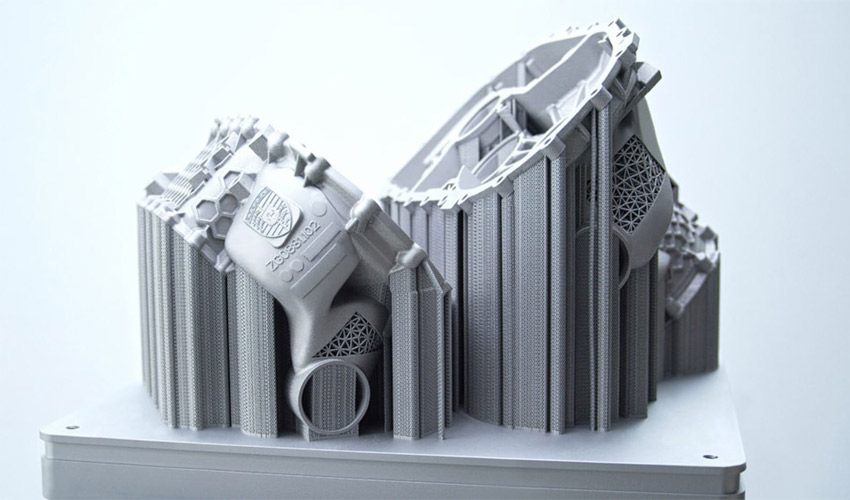 NewsPorsche Present 40% Lighter 3D Printed Electric Drive HousingThe car manufacturer Porsche has just unveiled its first complete housing for an electric engine thanks to additive metal manufacturing, or more precisely, thanks to SLM Solutions’ new machine, the NXG XII 600. Still in the prototype stage, the part…
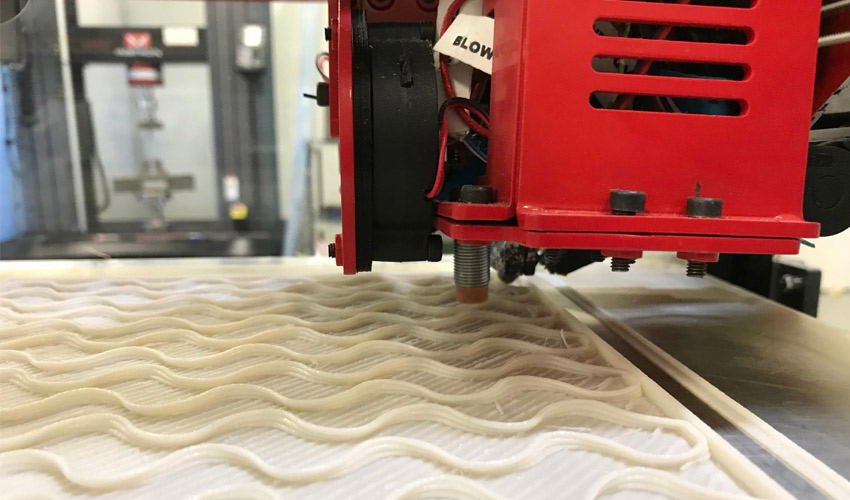 NewsFrench Astronaut Thomas Pesquet Brings 3D Printing to the ISSTwo weeks ago, French astronaut Thomas Pesquet flew for the second time to the International Space Station (ISS) for a six-month trip, becoming the ISS’s first French commander. What we found particularly interesting was that 3D printing accompanied him on…
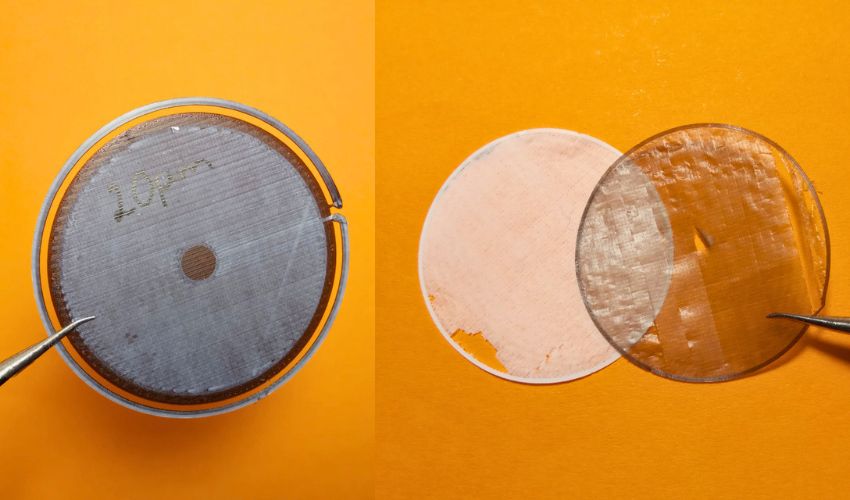 GuidesHow 3D-Printed Film Could Push the Limits of FDMWhat started as a way to create small rewards for students has evolved into a research project pushing the boundaries of FDM 3D printing. At FILDZ Research, experimentation is at the core of the process. By rethinking design and toolpaths,…