News
Shimizu’s Spray-Based 3D Printing System Is Redefining How Reinforced Concrete Is Built
As Japan’s aging population and shrinking construction workforce put growing pressure on the industry, Shimizu Corporation is turning to a new kind of 3D printing. The company has developed a spray-based system designed to fabricate large, curved, and reinforced concrete…
- 3 min read
- News
- Six more stories
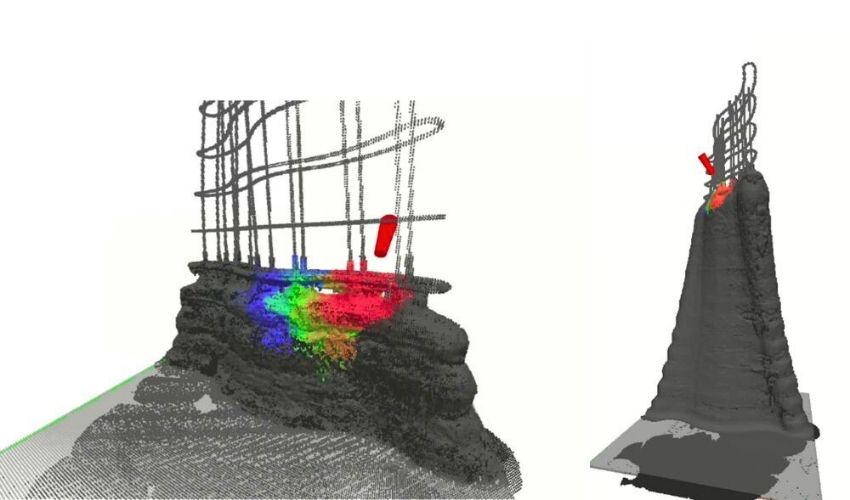
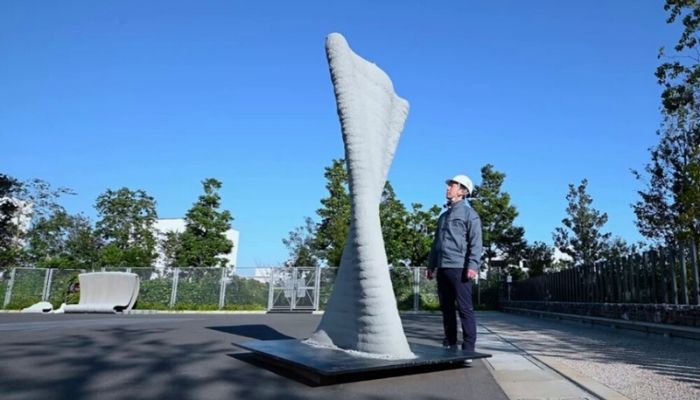
As Japan’s aging population and shrinking construction workforce put growing pressure on the industry, Shimizu Corporation is turning to a new kind of 3D printing. The company has developed a spray-based system designed to fabricate large, curved, and reinforced concrete components. Unlike extrusion-based printers, it sprays a special concrete mixture from a robotic nozzle instead of laying down stacked layers. This allows the robot to build shapes that would be difficult or impossible to achieve with conventional concrete printing.
This approach allows concrete to be deposited from multiple angles and around steel reinforcement cages. That is a major shift for structural construction, especially in seismic regions where reinforced concrete is essential. Most existing concrete printers struggle when rebars are present. Spray-based printing removes that constraint and makes true structural 3D printing possible.
How Simulation Improves Spray-Based Printing
Spraying concrete is powerful but unpredictable. Material can rebound, drip, or spread depending on nozzle distance, angle, and how fast it sets. To control this, Shimizu partnered with Carnegie Mellon University’s Computational Engineering and Robotics Lab to develop a material spray simulator.
More from the desk
Six other notes from the rest of the bench.
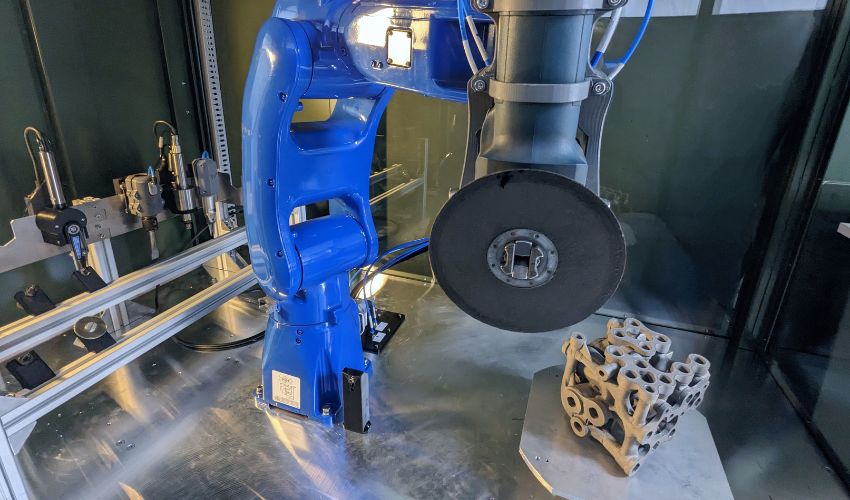 ApplicationsThe UK Defence Science and Technology Laboratory Is Funding Robots to Finish 3D Printed PartsWhat if a machine could achieve the dexterity of a human alongside the consistency of a robot? Post-processing 3D-printed parts manually is often tedious, time-consuming, and prone to variation. To address this, Rivelin Robotics, supported by the United Kingdom’s Defence&he
 NewsTop 5 Videos: World Music Day editionThis week we found the top 5 videos about 3D printing and the way additive manufacturing is shaping our society. The technology has infiltrated many sectors, from medical to automotive; but since today is World Music Day, we decided to select videos that are related…
 MaterialsMontana Mixers Brings VROM Technology to RAPID + TCTAt RAPID + TCT 2026 this year, Montana Mixers is drawing attention to a part of additive manufacturing that often goes overlooked: how materials are processed before they ever reach the printer. Its VROM technology (Vertical Resonant Oscillatory Mixing) oscillates…
 NewsTop 5 Videos: The Evolution of Resin 3D PrintingIt is once again Sunday, which means it is time for the week’s top 5 3D printing videos! This weeks content features the evolution of resin 3D printing, how to cut costs and de-risk production lines, more 3D printed fish…
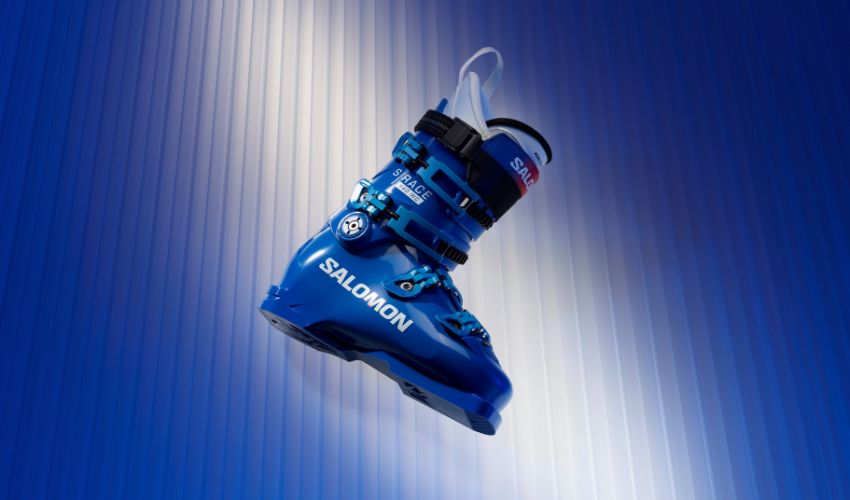 NewsSalomon Uses Prodways SLS 3D Printing to Create High-Performance Ski BootsWhen it comes to the highly competitive industrial world, innovation is key to success. And as companies face new challenges and products are being launched on the market with greater frequency and improved features, companies and leaders in numerous sectors…
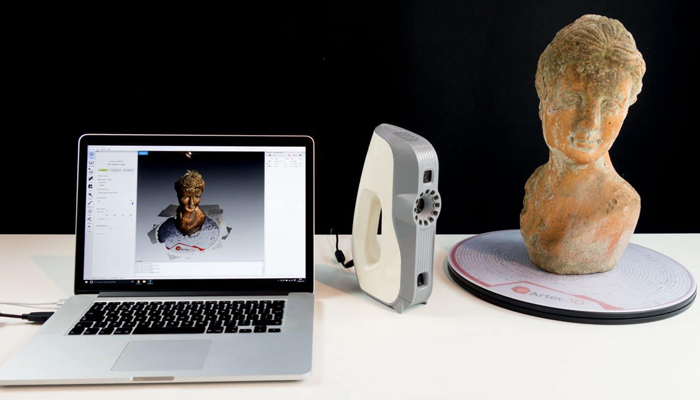 News3D Technology in the Restoration of HistoryThere are numerous initiatives today showing how 3D printing helps art and history. This can be through creating complex shapes and new works, educating a wider audience, or preserving artefacts. By recreating a ruined monument for example, we preserve its…