Applications
3D Printing Is Revolutionizing Surgical Planning, and It’s Only the Beginning
Imagine what it was like when X-Rays were first introduced. Or CT scans, and MRIs. Think about how transformative that technology was, giving physicians the ability to see inside a patient’s body without opening them up. A whole new world,…
- 3 min read
- Applications
- Six more stories
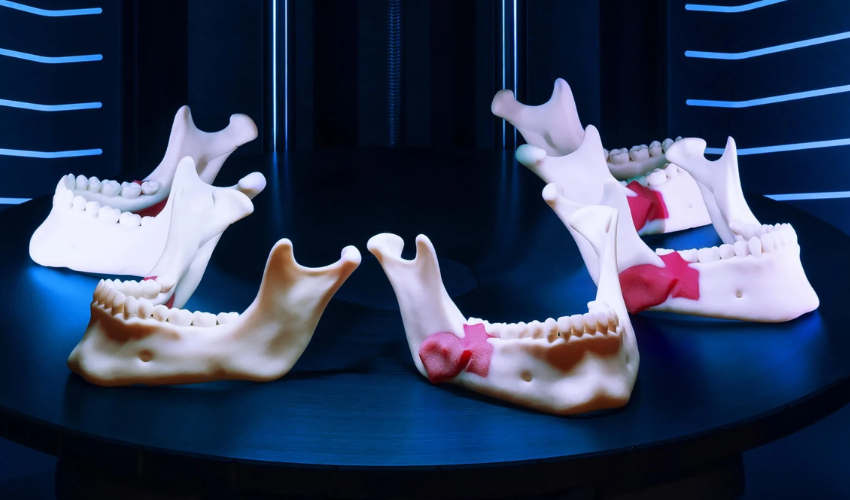
Imagine what it was like when X-Rays were first introduced. Or CT scans, and MRIs. Think about how transformative that technology was, giving physicians the ability to see inside a patient’s body without opening them up. A whole new world, right?
The same transformation happened with the advent of 3D printing for surgery. Instead of being limited to images on a screen, doctors and patients alike were allowed to use physical, 3D tools to comprehend information. Today, several hospitals regularly use the technology to visualize complex or rare cases, and the results are remarkable: operating times can be reduced by hours, surgical outcomes can be improved and patients can go into an operation with a better understanding of the situation.

Image Credit: Stratasys
And it is only the beginning—the number of hospitals in the United States with point-of-care 3D printing went from three in 2010 to over 100 today. There are so many 3D printing applications for surgery, from creating surgical guides to customized implants, and with growing interest in the field, new applications will surely develop. In this article, we are putting tools for surgical planning in the spotlight to explore how these devices are making an impact.
More from the desk
Six other notes from the rest of the bench.
 News3D Printed Microrobots that Swim and Move like Living OrganismsA robot that behaves like a living being but has no sensors. That moves without software. That makes decisions without a “brain.” This is the latest breakthrough by Professor Daniela Kraft at Leiden University (Netherlands). Recently published under the title…
 NewsA recap of the TCT show 2018 highlightsThis year’s TCT show 2018 went down in September bringing together 10.000 professionals, from 60 different countries across 20 key industries from the automotive to healthcare etc. Over the 3 day event in Birmingham the visitors got to experience various…
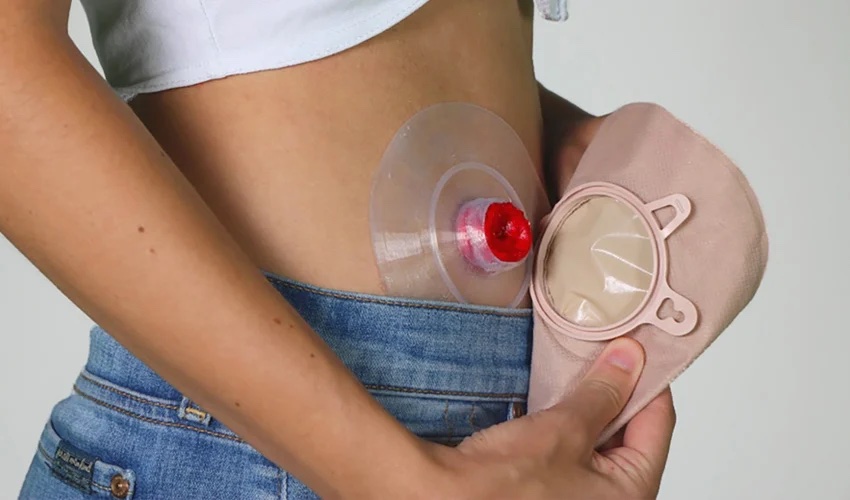 ApplicationsOdapt, a 3D Printed Disc for Ostomy Bags That Does Not Cause LeakageMore and more people are suffering from intestinal infections and urinary system problems, including but not limited to bladder cancer, colon cancer and Crohn’s disease. These kind of diseases are also ones for which people have to undergo an ostomy,…
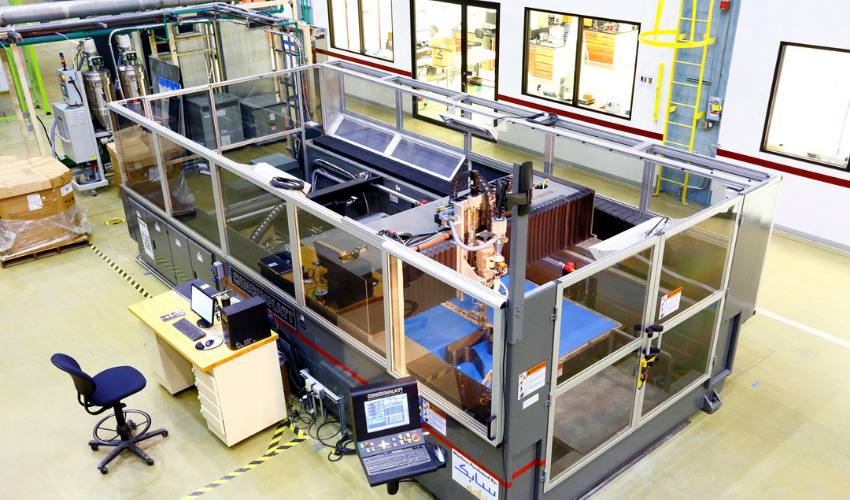 MaterialsSabic and Local Motors Find It Is Feasible to Recycle Scrap, Thermoplastic, 3D Printed PartsSABIC, a global leader in the chemical industry, and Local Motors, a next-generation vehicle manufacturer announced that they have completed a study to see whether parts made using large format additive manufacturing (LFAM) could be recycled into new materials before…
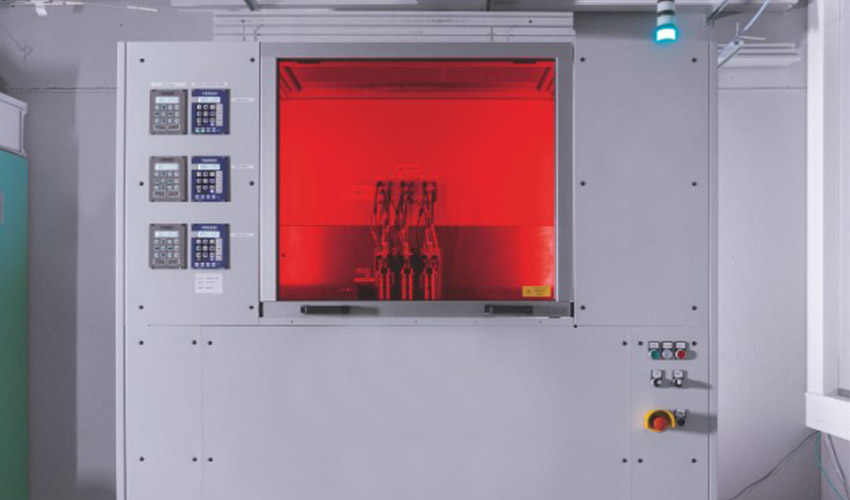 MaterialsMulti Material Jetting system combines different materials into a single AM partAt the Fraunhofer Institute for Ceramic Technologies and Systems (IKTS) in Germany, researchers have developed a Multi Material Jetting system that is capable of additively manufacturing parts that integrate multiple materials, including high-performance materials such as ceramic
 NewsThe QR3D House: Four Floors of Futuristic DesignAdditive manufacturing has once again demonstrated its agility in the construction sector, this time in Singapore! The country recently opened a multi-story house with 3D printed walls. The project was called QR3D and it was designed by architectural firm Park…