Materials
Multi Material Jetting system combines different materials into a single AM part
At the Fraunhofer Institute for Ceramic Technologies and Systems (IKTS) in Germany, researchers have developed a Multi Material Jetting system that is capable of additively manufacturing parts that integrate multiple materials, including high-performance materials such as ceramic
- 3 min read
- Materials
- Six more stories
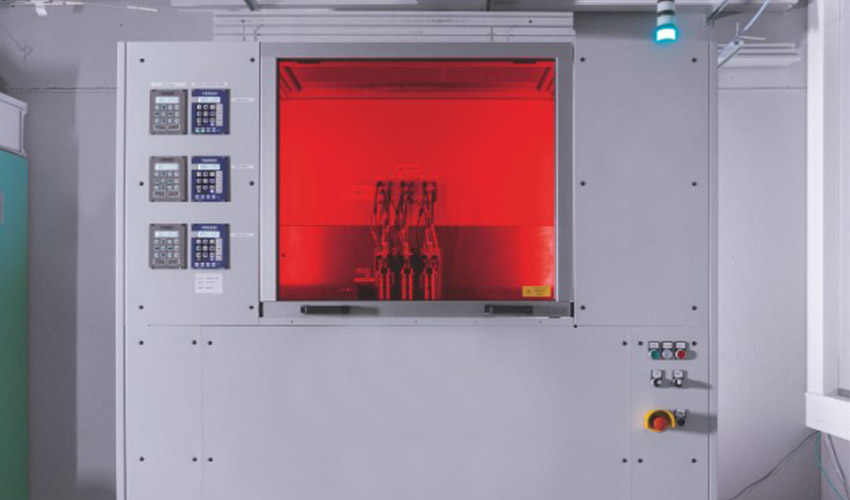
At the Fraunhofer Institute for Ceramic Technologies and Systems (IKTS) in Germany, researchers have developed a Multi Material Jetting system that is capable of additively manufacturing parts that integrate multiple materials, including high-performance materials such as ceramics and metals. What is the purpose of such a technology you might ask. Components that are, for instance, thermally or electrically equally insulating or conductive place high demand on production. This is also the case if they are multicolored. Therefore, the Multi Material Jetting (MMJ) technology developed at Fraunhofer IKTS holds a great deal of potential for parts that need to integrate multiple properties or functions.
In AM, just like with conventional methods, manufacturing with multiple materials is not an easy task. The process of Multi Material Jetting is capable of overcoming these limitations by spraying different materials at the nanoliter scale. Here, the technology is based on the drop-by-drop deposition of a metal or ceramic powder-filled thermoplastic binder substance, using high-precision microdispensing systems (MDS). The droplet’s diameter is between 300 and 1000 µm. During the printing process, the droplets overlap after each deposition to form layer heights between 100 to 200 µm. The solidification solidification mechanism is based on cooling, allowing metals, hardmetals as well as oxide, nitride and carbide ceramic materials to be processed. The final step is debinding and sintering.
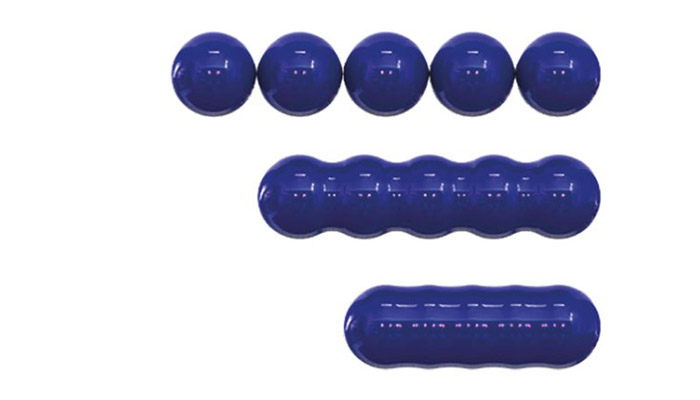
The droplets are deposited at a rate of 1,000 drops a second | Image via Fraunhofer IKTS
Multi Material Jetting opens the door to a range of applications
“Right now, we can process up to four different materials at a time,” says Uwe Scheithauer, a researcher at Fraunhofer IKTS. This opens the door to a diverse range of applications, allowing companies to produce highly integrated multi-functional components with individually defined properties. For example, this system could be used to make highly complex parts such as the ignition system in a satellite propulsion engine made of ceramics. Satellite engine combustion chambers reach extremely high temperatures, so the ability of ceramics to withstand heat makes them an ideal choice of material. Also, MMJ can be used to produce an ignition system that is directly integrated within the engine. This ignition system combines electrically conductive and insulating areas in a single, extremely robust component.
More from the desk
Six other notes from the rest of the bench.
 NewsLuyten 3D Printed Home in Australia is a Southern Hemisphere FirstThe 3D printing construction sector continues to make waves around the world, with recent projects cropping up in the news from Denmark, Japan, and the Caribbean, among others. This time, news of 3D printed concrete constructions comes to us from…
 Guides3D Evaluate: Assessing industrial 3D printing solutions, and moreFounded by Gil Lavi, a veteran of the additive manufacturing field, 3D Alliances is a successful consulting firm that focuses on helping startups in the 3D printing domain. After the COVID-19 crisis hit the world, the company realized that the…
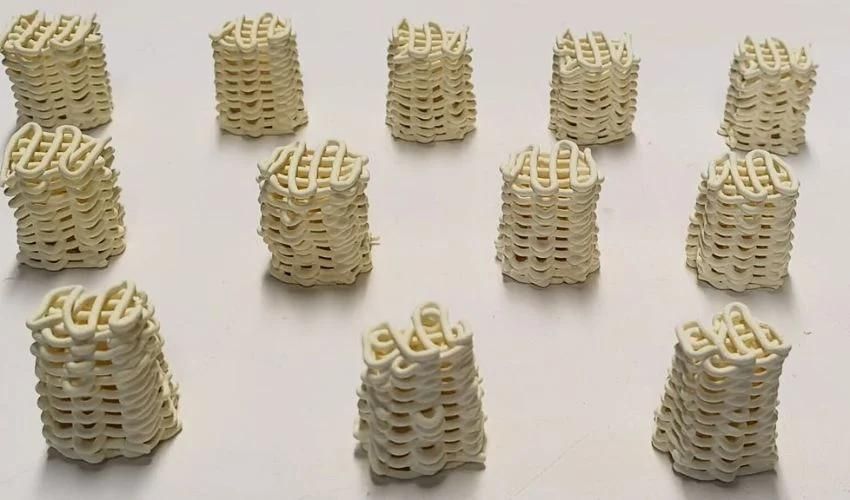 News3D-Printed Ceramic Monoliths Can Purify Water By Removing ‘Forever Chemicals’Worldwide, 2.2 billion people do not have access to a safe drinking water supply and a further 3.5 billion people do not have adequate sanitation facilities. This data, published in the latest United Nations World Water Development Report, confirms the…
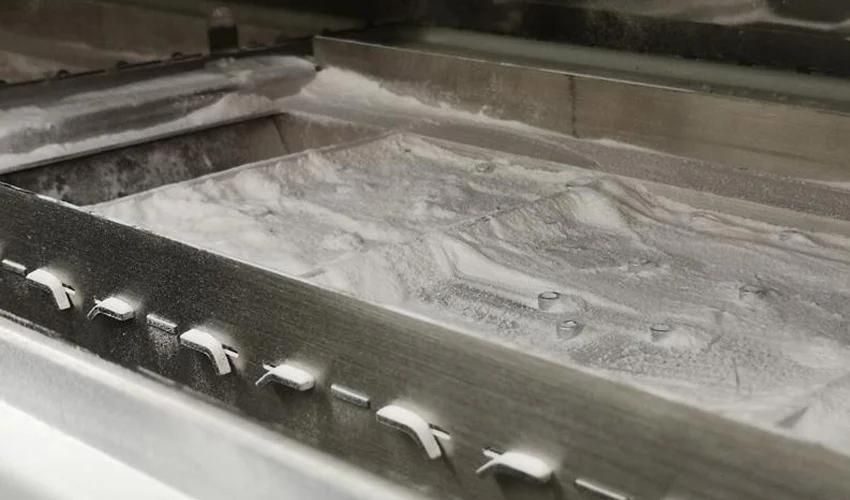 PrintersMulti-Material SLS 3D Printing: A Reality Thanks to Sharebot?Italian manufacturer Sharebot has announced a new update for its SLS SnowWhite2 3D printer that will allow users to mix two materials during a single print. Specifically, they will be able to design parts with two polymer powders from the…
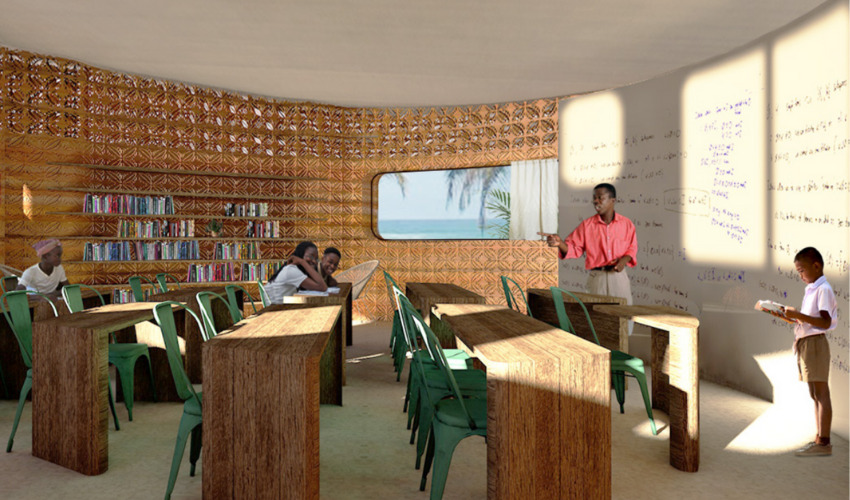 NewsThe Role of Construction 3D Printing in Humanitarian AidOver the last few decades construction using 3D printing has taken the world by storm. Additive manufacturing has enabled construction companies to build at unprecedented speeds, while minimising waste and labour. Furthermore, with 3D printing, the cost of construction is…
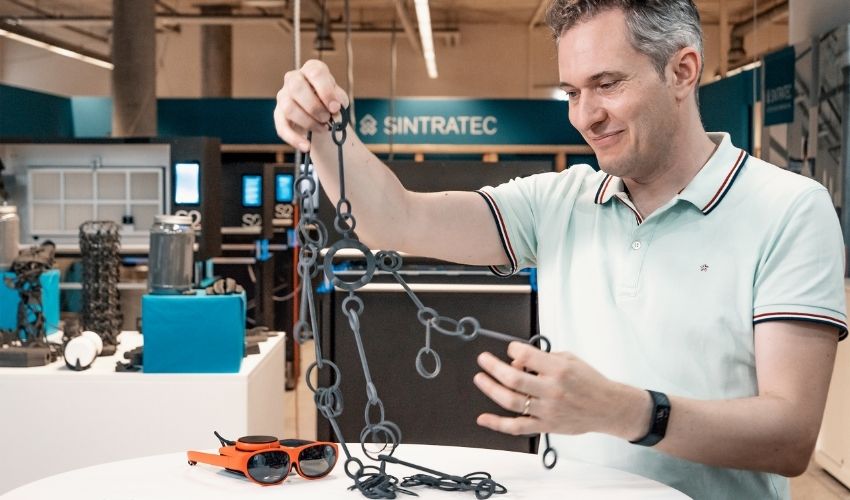 NewsSintratec Uses Augmented Reality & 3D Printing to Create an Immersive Learning ExperienceEducators are continuously researching new teaching methods to implement in the classroom in order to keep students engaged and reduce the monotony of learning. And what better way to keep the attention of pupils than to incorporate interesting new technologies…