News
3D Printed Microrobots that Swim and Move like Living Organisms
A robot that behaves like a living being but has no sensors. That moves without software. That makes decisions without a “brain.” This is the latest breakthrough by Professor Daniela Kraft at Leiden University (Netherlands). Recently published under the title…
- 3 min read
- News
- Six more stories
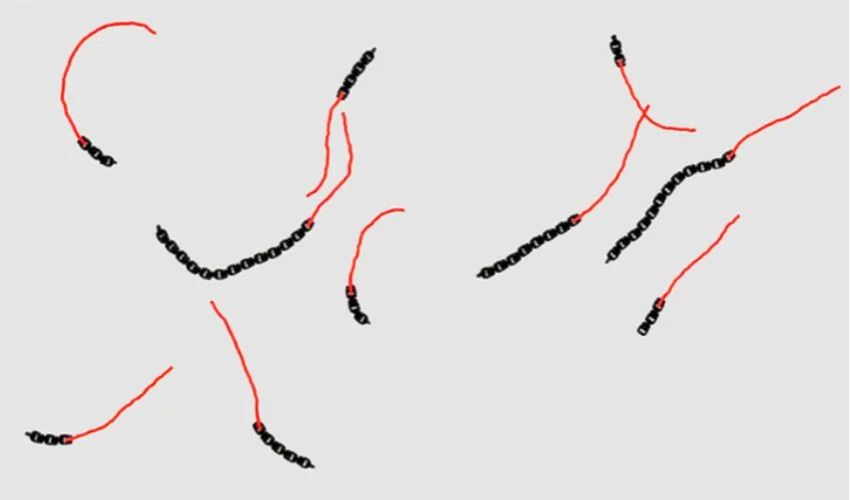
A robot that behaves like a living being but has no sensors. That moves without software. That makes decisions without a “brain.” This is the latest breakthrough by Professor Daniela Kraft at Leiden University (Netherlands). Recently published under the title “Life-like behavior emerging in active and flexible microstructures” the work by Daniela Kraft and her colleague Mengshi Wei presents a new class of 3D-printed microscopic structures that exhibit behaviors surprisingly similar to those of living organisms. All this without a single sensor, without a line of code, without a motor.
The secret to this project lies in a Nanoscribe 3D printer, a two-photon photopolymerization machine capable of working at the micrometer scale with high precision. Using this printer, the team fabricates flexible chains composed of individual segments just 5 µm wide, connected by 0.5 µm joints. To give you an idea: these parts are ten times thinner than a human hair. The researchers emphasize that “This is 3D-printing at the very edge of what is technically possible.”
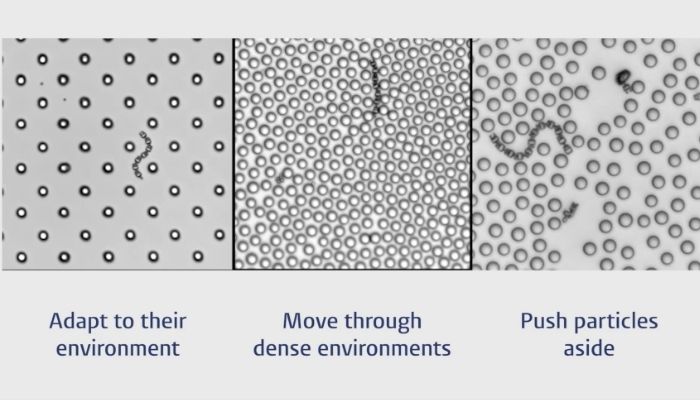
The microrobots adapt to different terrains.
The inspiration came from nature. Worms, snakes, and other organisms constantly change their shape as they move, allowing them to adapt to their surroundings. Flexible robots that utilize this principle already exist, but replicating it on a micrometer scale posed a challenge: until now, microrobots were either rigid and small, or flexible but large.
More from the desk
Six other notes from the rest of the bench.
 SoftwareSPEE3DCraft: SPEE3D’s New Game/Simulator for Metal 3D PrintingMetal additive manufacturing company, SPEE3D have just announced that they will launch a free ground-breaking metal 3D printing simulator called SPEE3DCraft later this April. The idea came about last year in the midst of the pandemic, during which the company…
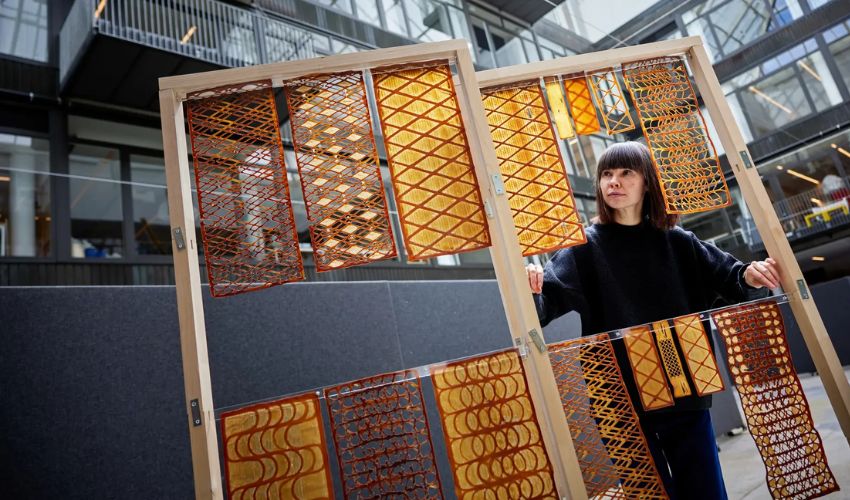 NewsWhat If the Next 3D Printing Material Came from Your Kitchen?Researchers at Chalmers University (Sweden) have developed a biodegradable material for 3D printing made from baker’s yeast, wood cellulose fibers, seaweed alginate, vegetable glycerol, and water. The end result aims to be an alternative to construction materials such as plastic,
 GuidesHow L3AD Is Making Industrial 3D Printing Accessible through Digital FactoriesAt TCT Asia, 3Dnatives met with Francesco Spinoglio, General Manager of L3AD, to discuss how the company is transforming industrial 3D printing into a highly accessible digital ecosystem. Moving beyond simple instant-quote services, L3AD acts as a complete operating platform&hell
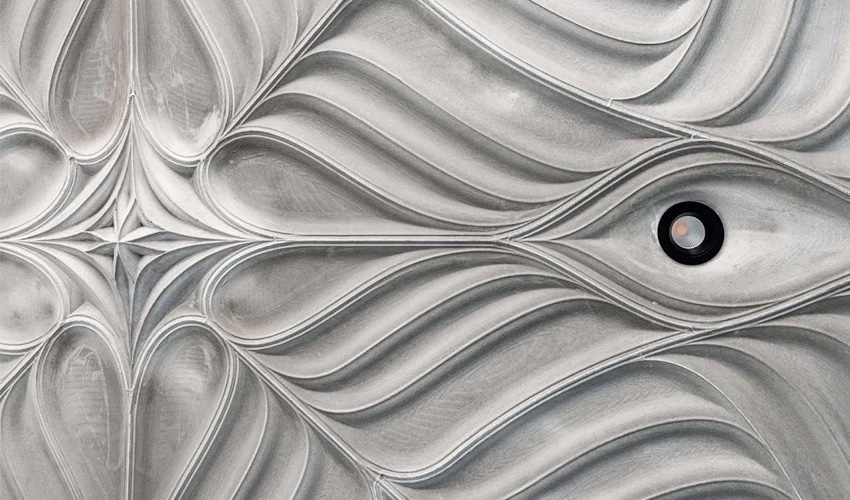 NewsETH Zurich Has Unveiled a 3D Printed Concrete CeilingTeams from ETH Zurich have revealed yet another project involving additive manufacturing. This time it is a ceiling designed in part using 3D printing, called HiRes Concrete Slab. Installed last fall in Switzerland in the NEST research building of the…
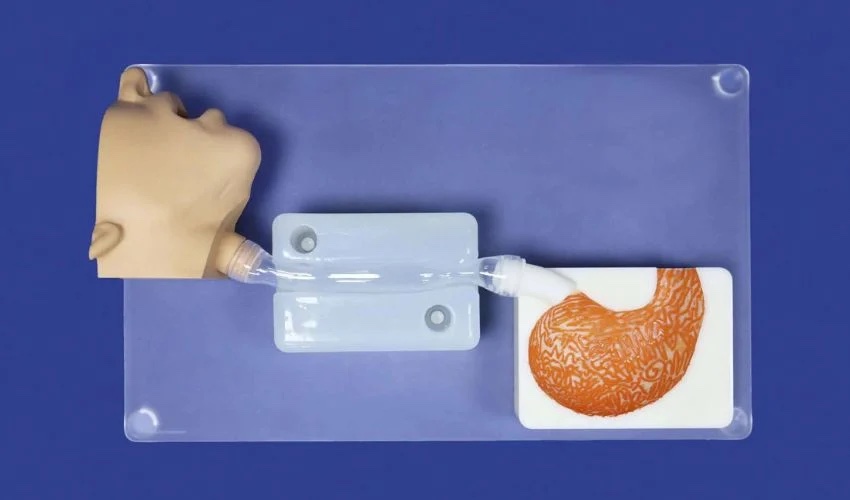 ApplicationsMedScan3D Talks Creating Customized Anatomical Models Using 3D PrintingSurgical planning has come a long way in recent years, thanks in particular to new technologies used in the medical sector. Practitioners can now rely on digital tools to visualize pathologies in 3D, all in a personalized way to improve…
 NewsTop 5 Videos: Using FDM to Print Ceramic and Metal FilamentsIn this week’s top 5, check out the latest webinar from 3Dnatives, “How Can You Use FDM to Print Ceramics and Metals?” Though ceramic and metal filaments are becoming increasingly common, especially for those using FDM for industrial purposes, there…