News
Open-source 3D Printing Measures the Impact of Cannabis on Lungs
Scientists at Canadian McMaster University and the University of Waterloo recently used 3D printing to look at the impact of cannabis on human lungs. In order to do this, they created an open-source 3D printed device that “breathes” like a…
- 3 min read
- News
- Six more stories

Scientists at Canadian McMaster University and the University of Waterloo recently used 3D printing to look at the impact of cannabis on human lungs. In order to do this, they created an open-source 3D printed device that “breathes” like a lung. By making this device inhale smoke as a lung would, the team were able able to observe the consequences. This device is an in vitro exposure system (IVES), which could raise questions about the legalization of drugs for therapeutic purposes.
Additive manufacturing and cannabis are not a new duo in the sector. Many researchers and companies are indeed interested in this plant- within a medical context, of course. Cannabis is rich in hemp, which can in turn be exploited for its medicinal properties. Syqe Medical, for example, developed a medical cannabis inhaler using 3D technologies to ensure better dosage. Hemp is also sometimes used in composite 3D printing materials, usually blended with PLA.
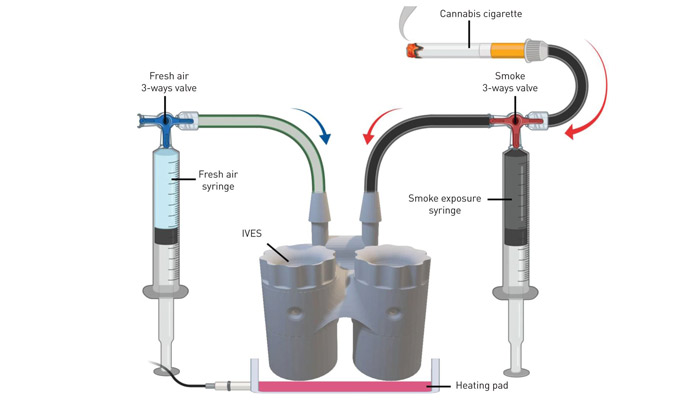
The system devised by the researchers.
This time around, the team of researchers in question sought to understand the impact of cannabis use on our epithelial cells. Present in all our organs, these act as protective walls to protect the body from all outside germs. Scientists say they have developed a IVES with Formlabs‘ Form 2 3D printer. This device has 4 exposure chambers, with two inlets, four outlets and four plugs. The principle seems relatively simple: the system inhales smoke through one of the inlets, distributes it in the 4 chambers loaded with epithelial cells, and comes out. The researchers explain that they modeled their system using Autodesk Inventor software and printed it with Formlabs clear resin.
More from the desk
Six other notes from the rest of the bench.
 Printers3Dnatives Lab: 3D Sense by 3D Systems TestAlthough 3D scanners are somewhat less popular than their 3D printer counterparts, 3D scanners have begun to evolve at their own pace and are enabling even more innovative products and ways that we can incorporate their use into our work,…
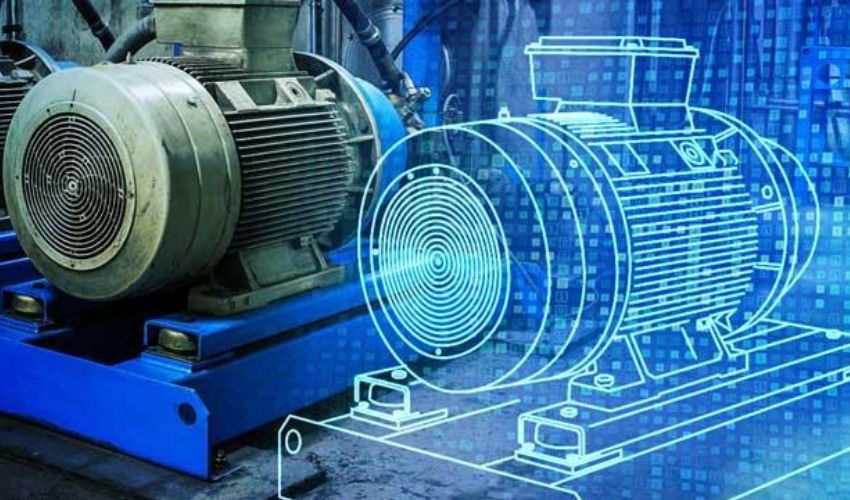 SoftwareDigital Twins in 3D Printing: All You Need to KnowHave you heard of digital twins? The idea was first developed in the 1960s as a way to create a living model of the Apollo mission in order to help evaluate its failure through a physical model of the vehicle…
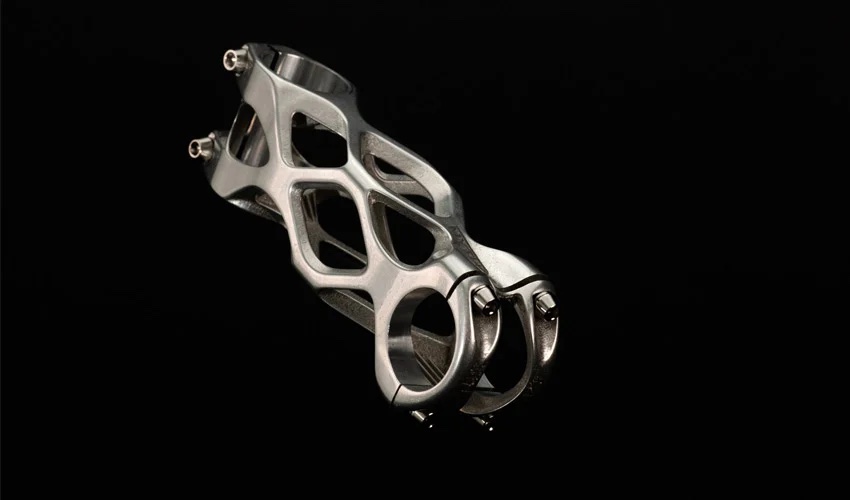 NewsElix, the 3D Printed Bicycle Stem by MythosBritish brand Mythos has introduced a new, 3D printed bicycle stem, called Elix, which is now available on the market for £500. The stem is the spare part of a bicycle that connects the handlebars to the fork steerer tube.…
 NewsHempla Presents 3D-Printed Meditation Accessories Made From HempAt a time when the trend is to use more environmentally-friendly raw materials in the production of everyday objects, SofiaHagen x Studio Marmi have worked together to create 3D-printed furniture from hemp. Called Hempla, this is a collection of seats…
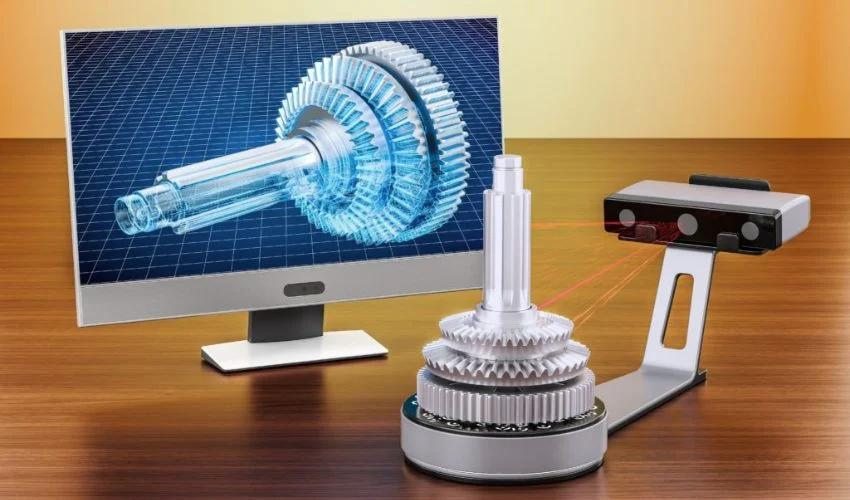 Printers10 Reasons Why 3D Scanning Is Useful for 3D Printing3D scanning is a non-contact, non-destructive process used to capture the shape and dimensions of real objects or environments. Utilizing lasers and cameras, this technology collects detailed data that can be transformed into high-precision 3D models for a variety of…
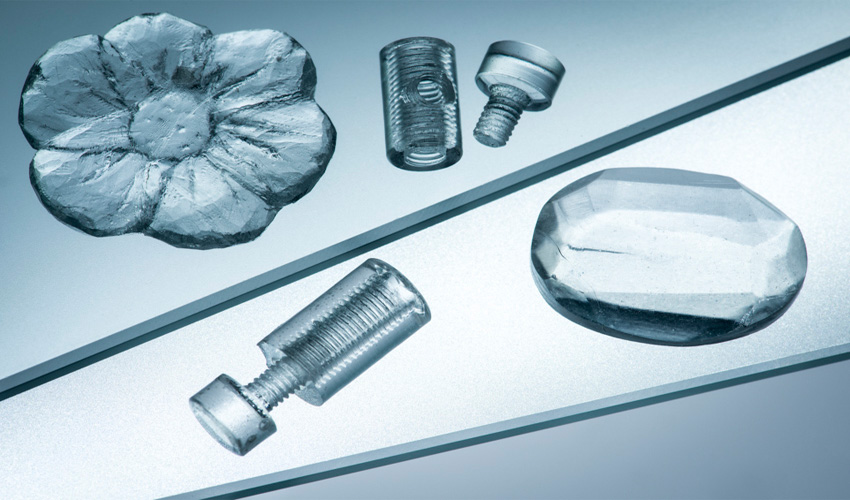 Materials#3DStartup: Glassomer, advancing 3D glass printingGlassomer is a German startup that has developed a 3D glass printing technology. A method that we had already discussed in the case of an MIT project. As a result, this young company based in Freiburg, Germany, has decided to…