Materials
#3DStartup: Glassomer, advancing 3D glass printing
Glassomer is a German startup that has developed a 3D glass printing technology. A method that we had already discussed in the case of an MIT project. As a result, this young company based in Freiburg, Germany, has decided to…
- 3 min read
- Materials
- Six more stories
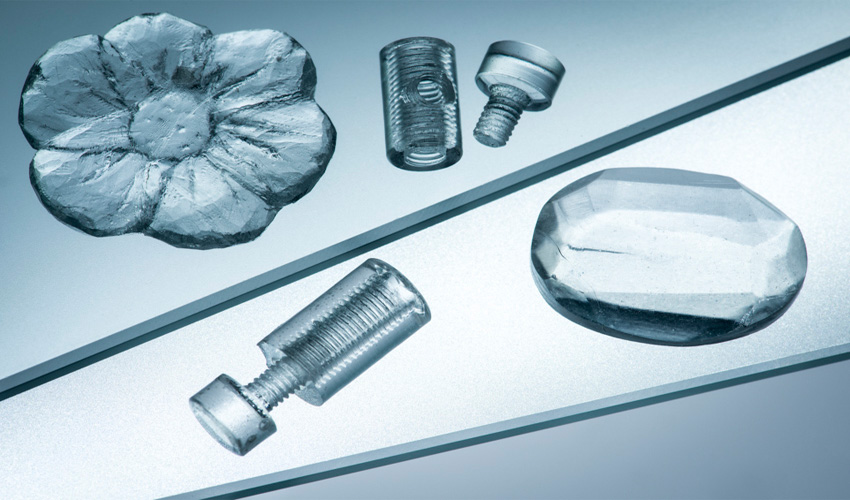
Glassomer is a German startup that has developed a 3D glass printing technology. A method that we had already discussed in the case of an MIT project. As a result, this young company based in Freiburg, Germany, has decided to develop its own 3D glass printing technology and market it, an innovation that made it worthy of being our 3D startup of the month! We met Frederik Kotz, co-founder and Chief Scientist of Glassomer, to learn more about the startup’s projects and the future of glass in the 3D printing sector.
3DN: Can you introduce yourself and tell us more about the origins of Glassomer?
Our startup Glassomer has developed and patented a new revolutionary process for shaping glass. Glass is difficult to shape because it is melted at very high temperatures, making it difficult to use in casting moulds or other shaping methods. This is why we have developed special materials, which we call “Glassomers” – we are able to shape them like plastics – liquid glassomers can be hardened by heat or light, solid glassomers can be carved, drilled, milled, or embossed. By heating in the oven, we convert the “Glassormers” into pure quartz glass. The Glassomer technology was developed in our working group, the NeptunLab, and our publications on the subject immediately attracted interest from a wide range of industries. We were receiving requests for very special glass components that had not yet been manufactured. Our ambition was awakened to turn our technology into a product.
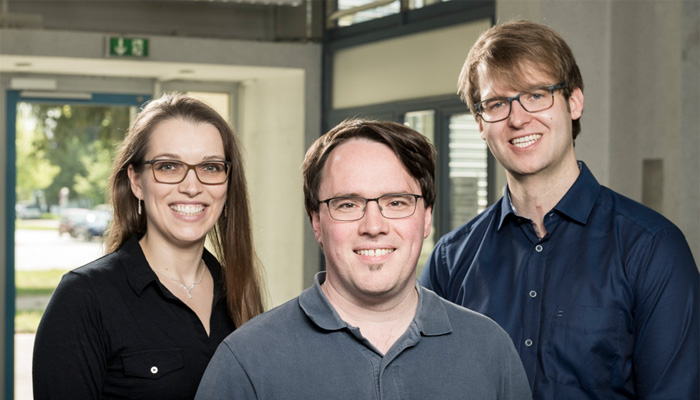
The Glassomer Team | Credits: Glassomer
3DN: Can you explain how your nanocomposite works?
Our nanocomposite (the “Glassomer”) consists of a very high proportion of the finest glass powder and a binder made of plastic. Due to the binder, the materials behave like plastics and can also be processed like plastics. It is only after processing that the components enter the furnace and are converted into glass. During this process the plastic (binder) is removed and the glass powder combines to form a transparent glass component, a process called “sintering”. Since this sintering process does not require a temperature as high as when melting glass, the glass components do not deform or melt. The sintered glass components are chemically and physically indistinguishable from commercial quartz glass.
More from the desk
Six other notes from the rest of the bench.
 SoftwareDassault Systèmes will soon be offering their software onlineDassault Systèmes (DS), the French giant of 3D software solutions, is launching an online platform that will offer free, unlimited use of all of its software. No date has been set as of yet, but Catia, Solidworks and Simulia, 3D…
 ApplicationsNew Zealand researchers 3D-print corneas from fish scalesResearchers at Massey University have successfully made a new 3D-printer. This printer is special: it can 3D-print new corneas, which can then be used to transplant them into humans. The best part? The printer creates these new corneas from fish scales.…
 NewsSugar Lab Offers New Valentine’s Collection with 3D Printed ChocolateWhile it may still be cold outside, February is heating up as we get closer to Valentine’s Day. As the day of love approaches, people may be scrambling trying to find gifts for loved ones and family. But panic no…
 NewsTOP 5 videos of the week: 3D Printed yacht and much more.Find our TOP 5 best videos of the week on 3D printing and additive manufacturing here. Share your videos and comment on the article or the 3Dnatives Facebook or Twitter account. Hope you’ll enjoy and have a great Sunday! Top…
 PrintersBuying a 3D Printer: 5 Essential Questions to Ask YourselfYou are a professional or a maker and you have decided that you are interested in buying a 3D printer. You’ve seen how the technology can help you make custom parts, lower cost prototypes or design components faster, so it’s…
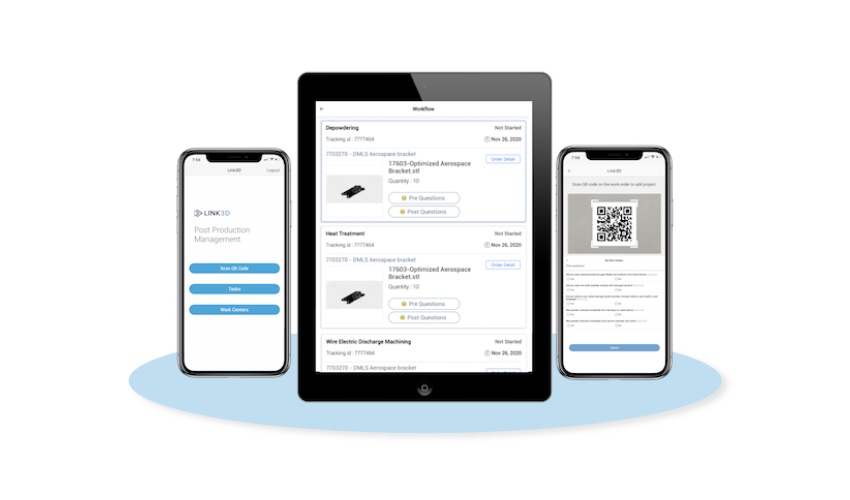 SoftwareLink3D releases 3D printing post-production management appLink3D, one of the leading additive manufacturing workflow software providers, has recently announced the launch of a mobile application designed to help manufacturers manage post-production workflow. Aiming to give companies more control over their manufacturing processes, the n