News
Elix, the 3D Printed Bicycle Stem by Mythos
British brand Mythos has introduced a new, 3D printed bicycle stem, called Elix, which is now available on the market for £500. The stem is the spare part of a bicycle that connects the handlebars to the fork steerer tube.…
- 3 min read
- News
- Six more stories
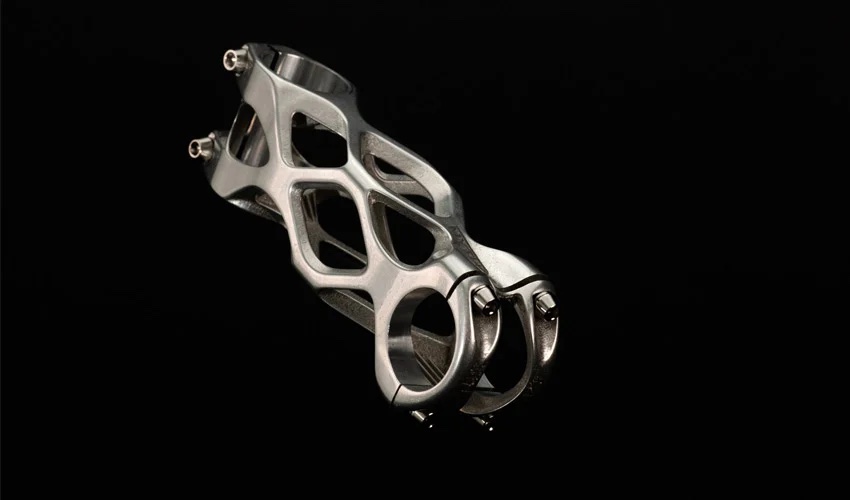
British brand Mythos has introduced a new, 3D printed bicycle stem, called Elix, which is now available on the market for £500. The stem is the spare part of a bicycle that connects the handlebars to the fork steerer tube. This part is said to be the first of its kind in the entire world, made from an alloy containing scandium, aluminum, and magnesium and originally developed by APWorks, a subsidiary of Airbus. The special alloy, which is called Scalmalloy, has high strength properties that makes it ideal for aerospace and professional cycling applications. Dimitris Katsanis, the man behind the design of this part, previously equipped racing bikes with 3D printed parts and has previously worked with British Cycling and Team Sky. The stem is available in several sizes, with a starting weight of only 150 grams.
The design of the part is unique and was designed to be made using additive manufacturing. It is unusual looking, immediately catching the eye, as it has been designed using a lattice structure, with the material only being on the stressed areas. Mythos explains, “Having been designed specifically around the most extreme load-paths experienced by a stem, the Elix stem is 15% stiffer in torsion than an equivalent alloy stem while maintaining the same bending stiffness, so you can put more power down when you need to and still stay comfy on the rough stuff.”

Photo Credits: Mythos
The teams tested several iterations by running FEA (Finite Element Analysis) simulations and by using CAD software to find the areas that required less material. Mythos adds: “We wanted to eliminate areas of high stress with small local reinforcements and reduce weight around other areas by skilfully removing any non-essential material. Not only that, but the fact that all of this happens in-house, without the need for any part-specific tooling, means that we can create one-off products and prototypes in days that would normally take months.”
More from the desk
Six other notes from the rest of the bench.
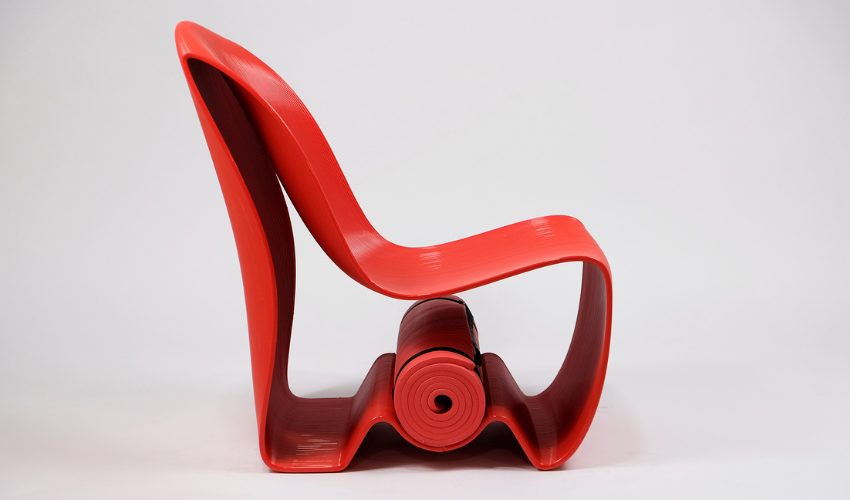 NewsASU-Haddy Collaboration Enhances Custom Furniture with AI-Powered 3D PrintingA collaborative effort between industrial engineers and forward-thinking furniture startups is poised to redefine the parameters of custom furniture manufacturing. Spearheaded by Feng Ju, an associate professor of industrial engineering at Arizona State University, and alongside
 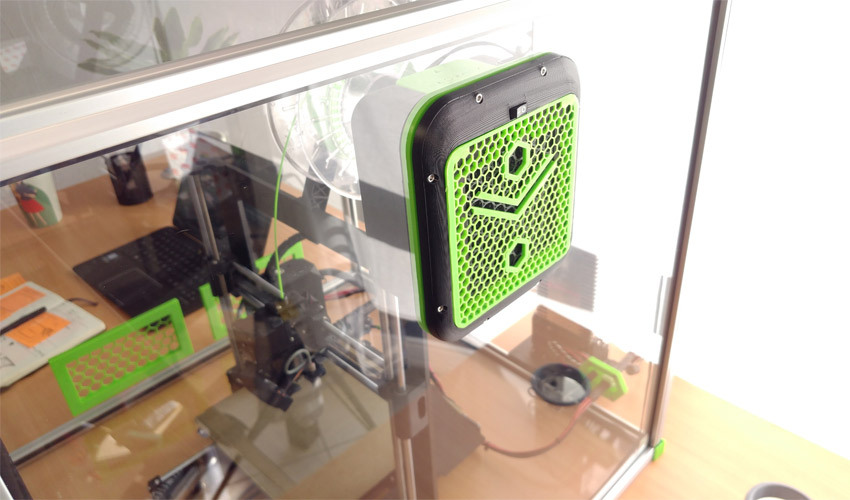 GuidesAlveo3D, a filtering kit for safer 3D printing at home & officeAlveo3D is a young French company, which has developed a nanoparticle filtration system for 3D printers. Its objective is to reduce toxic emissions from machines by reducing the risk of air pollution when they operate in a very poorly ventilated…
 ApplicationsCzinger’s 21C V MAX Turns 3D Printing into Hypercar IdentityHypercars are often defined by their speed, styling, and scarcity. Czinger recently announced the unveiling of its 21C V MAX, showcasing how 3D printing can be just as central to a vehicle’s identity. The specific Liquid Silver finish is more…
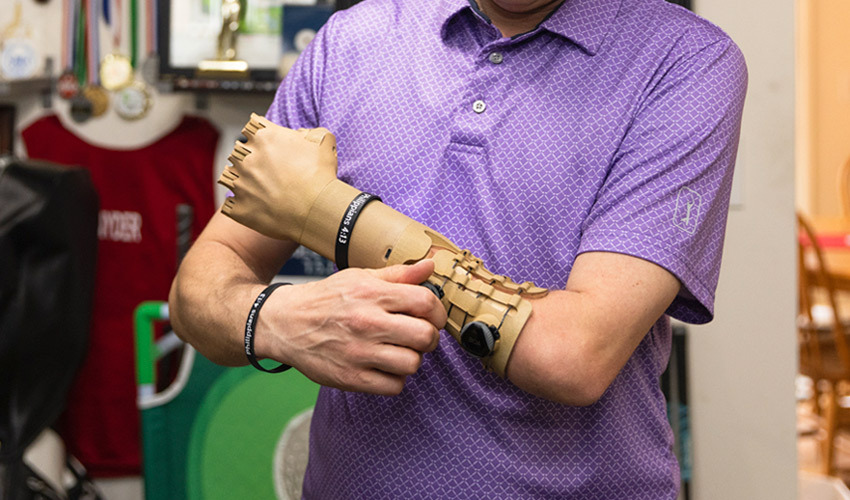 Guides#3DStartup: Unlimited Tomorrow and its 3D Printed Bionic Prosthetic ArmIt is no secret that 3D printing has been making great waves in recent years in the medical sector. One arena in which the technologies have been especially useful is for making prostheses as it allows for lighter, more customized…
 PrintersInterview with BQ: How to democratize 3D printing?BQ are a well-known 3D printer manufacturer hailing from Spain that produce a number of popular printers. Perhaps the most popular of their range of BQ 3D printer machines is the Witbox Go! This sleekly designed machine was designed to…
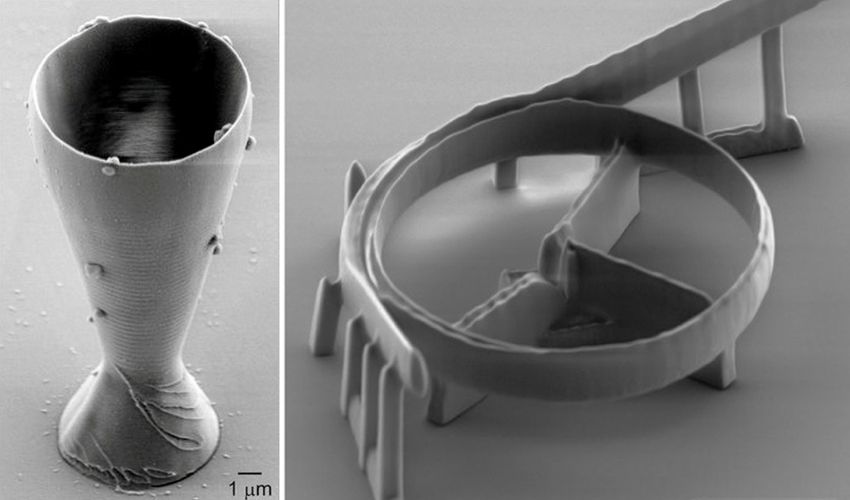 NewsRevolutionary Glass Printing Technique Creates World’s Smallest 3D Printed Wine GlassIn a remarkable technological feat, researchers at the KTH Royal Institute of Technology have successfully 3D printed the world’s smallest wine glass. This tiny glass, with a rim thinner than a human hair, serves as a demonstration of a groundbreaking…