Printers
10 Reasons Why 3D Scanning Is Useful for 3D Printing
3D scanning is a non-contact, non-destructive process used to capture the shape and dimensions of real objects or environments. Utilizing lasers and cameras, this technology collects detailed data that can be transformed into high-precision 3D models for a variety of…
- 3 min read
- Printers
- Six more stories
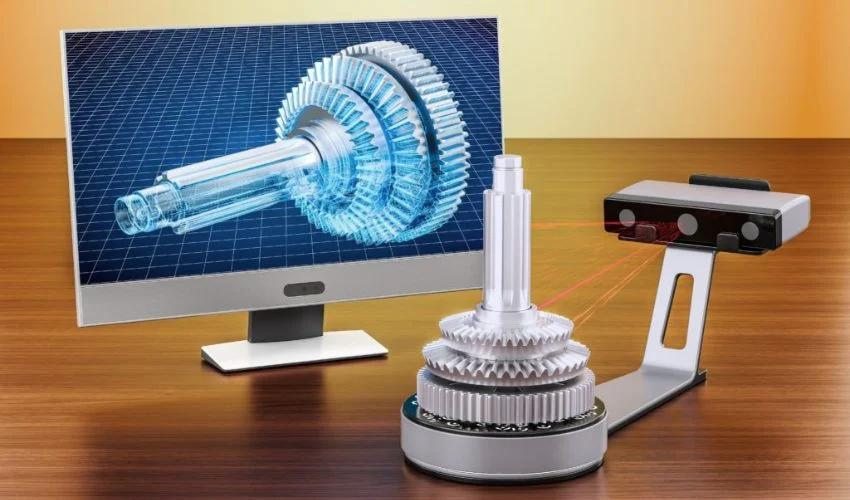
3D scanning is a non-contact, non-destructive process used to capture the shape and dimensions of real objects or environments. Utilizing lasers and cameras, this technology collects detailed data that can be transformed into high-precision 3D models for a variety of applications. Before exploring the specific uses where 3D scanning excels, let’s take a brief look at how the scanning process works.
The scanning process itself utilizes various technologies and devices, which we will delve into later in more detail. Regardless of the technology employed, the scan involves capturing data from multiple positions and angles to create a comprehensive model of the entire object. This data is then utilized by CAD technicians to generate 2D drawings or 3D models. These models serve numerous purposes such as analysis, design planning, inspection, archiving, or creating new objects—showcasing the diverse applications of 3D scanning. Let’s now explore why you should consider 3D scanning and the benefits it offers for 3D printing.

Photo Credits: Formlabs
#1: Versions for Every User
3D scanners are imaging devices that create a virtual 3D model of a real object by measuring it. The devices use various technologies. The scanning process can be carried out using laser scanners, structured light scanning or photogrammetry, for example. Laser scanners usually use LiDAR technology (Light Detection and Ranging), which emits pulsed light waves that are reflected by the objects to be scanned. Software classifies the data obtained and 3D models are created using the resulting data point clouds.
More from the desk
Six other notes from the rest of the bench.
 NewsNexa3D and Stratasys Both Complete AcquisitionsIt seems that it is time once again for another round of acquisitions in the additive manufacturing sector. After a year that has been relatively quiet compared to last year, this week we have seen a flurry of activity. First…
 News#3DExpress: 3D Printed Fireproof Homes for Victims of the LA WildfiresThis week, we start off with news of hope. After the devastation of the LA wildfires, people affected have been searching for ways to rebuild, and 3D printing is playing a role. Namely, 3D printed fireproof homes have risen in…
 NewsTop 5 Videos: Ford Motor Company Large-Format 3D PrintingIn this week’s compilation of 3D printing videos, discover how the Ford Motor Company is using large-format 3D printing, resulting in the company saving over 90% manufacturing time! Next, you will go behind the scenes of Mighty Buildings, an American…
 News3DExpress: Etsy Tightens Rules on Selling 3D Printed GoodsDo you consider a 3D printed object handmade? The online global marketplace Etsy sells unique items that are “unique items made, designed, handpicked or sourced,” but the website hosts many 3D print shops selling mass-produced, unoriginal designs. To address this, the
 NewsThe 3D Printing Job Offers of the Month: NovemberWith 3D printing expanding and advancing daily, new jobs are constantly emerging. Have you ever thought about working in additive manufacturing? Or are you already an expert seeking a new challenge? Either way, we’ve collected five of this month’s most promising…
 ApplicationsChina Completes First Flight Test of 3D Printed Turbojet EngineChina’s push toward next-generation propulsion reached a major milestone this month as the country’s aviation engine group announced the successful first flight test of its newly developed 3D printed “minimalist” turbojet engine. The achievement signals a significant step forward