Applications
3D Printed Devices for Sleep Apnea Treatment
When someone has sleep apnoea, their breathing stops repeatedly during sleep. Physiologically speaking, the front wall of the pharynx falls onto the back wall and closes the airways. Then, the body reacts to this emergency with an adrenaline rush, causing…
- 3 min read
- Applications
- Six more stories

When someone has sleep apnoea, their breathing stops repeatedly during sleep. Physiologically speaking, the front wall of the pharynx falls onto the back wall and closes the airways. Then, the body reacts to this emergency with an adrenaline rush, causing the airways to open again. This results in alternating snoring, pauses, and heavy breathing, typical symptoms of sleep apnoea. In addition to snoring, other common symptoms include daytime sleepiness, sudden falling asleep and headaches.
These nocturnal respiratory arrests certainly have a negative impact on daytime mood, but can also lead to serious medical problems like heart attacks, strokes, high blood pressure or brain damage. So, people use breathing devices and dental aligners for treatment. CPAP masks (Continuous Positive Airway Pressure) can also help by connecting the mask to a breathing device and supplying air. However, many of those affected – on average one in 20 men and one in 50 women – complain about the lack of comfort of CPAP masks. For this reason, LuxCreo and EMA Sleep have partnered to improve sleep apnoea devices using 3D printing technology.

A common side effect of sleep apnea is suddenly falling asleep during the day.
LuxCreo is known for its pioneering work in the field of digital dentistry, being one of the first 3D printer manufacturers to make it possible to print transparent braces. LuxCreo now wants to use its 3D printing technology to conquer other areas of medical technology. Together with EMA Sleep, the company is therefore working on improving Elastic Mandibular Advancement (EMA) devices. These are custom-made devices that move the lower jaw forward, keeping breathing stable by keeping the airway open. In contrast to the more invasive CPAP masks, EMA devices are supposed to be more comfortable to wear. They can provide relief for mild to moderate sleep apnoea.
More from the desk
Six other notes from the rest of the bench.
 NewsThe 3D Printed Dress That Responds to Changes in its EnvironmentWe hear more and more about traditionally manufactured applications trying out 3D printing, and little by little, the number of industries embracing this technology is increasing. One such case is the fashion industry, which as we have from previous examples,…
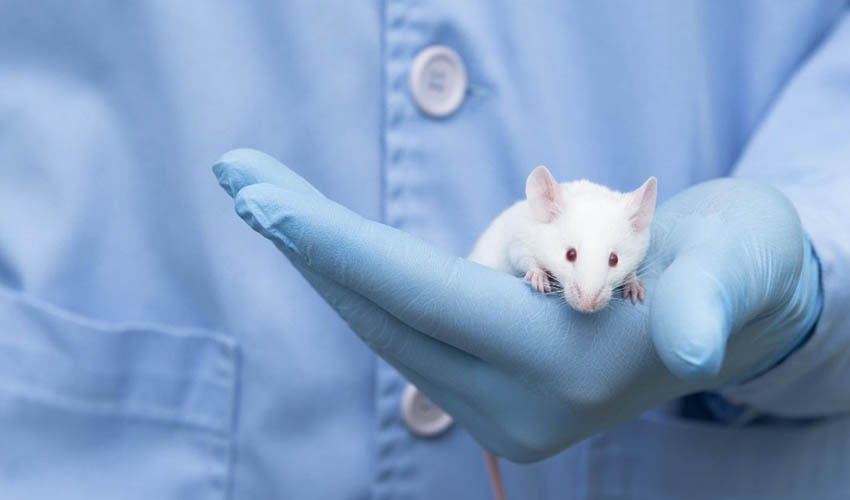 ApplicationsSee-Shell: 3D printed transparent skull to ‘see’ how the brain worksAt the University of Minnesota, researchers have developed a unique 3D printed transparent skull implant for mice. The skull named the See-Shell can be used to view real-time activity on the brain surface and could provide new insights for human…
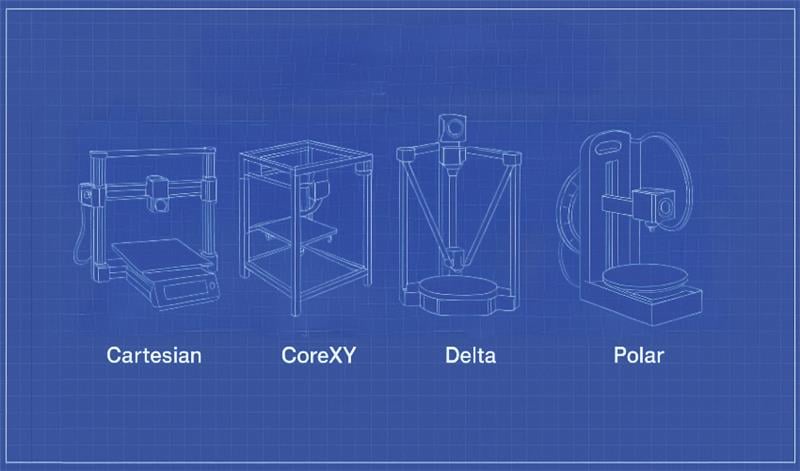 PrintersCartesian vs. Core XY, Delta & Polar: Comparing FDM Motion Systems3D printers can produce a wide range of three-dimensional objects using various materials. Depending on the technology, this may involve curing a liquid resin with a light source (SLA, DLP, LCD) or sintering powdered material (SLS, LPBF). In extrusion-based processes,…
 Materials3D Printing Used to Create Titanium Alloy With Highest Strength to Weight RatioOne of the key to modern manufacturing is research and development into materials. Especially in industries like aerospace, materials that are both lightweight and extremely strong are critical for the parts that need to be made. Indeed, material research for…
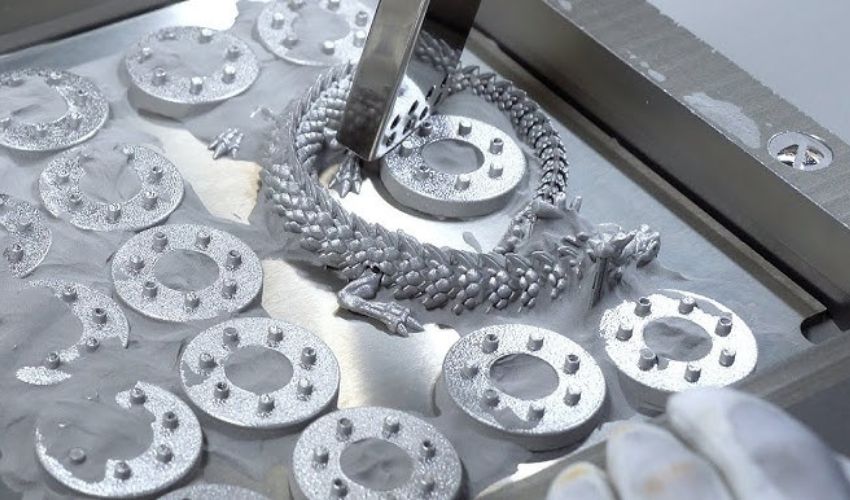 NewsDo Shapeways and voxeljet’s Announcements Indicate Growing Momentum in AM?2024 has not been the most straightforward one for additive manufacturing. While we have seen incredible applications and innovations throughout the year, there have also been a number of economic difficulties. Notably, we have seen companies like KIMYA closing and…
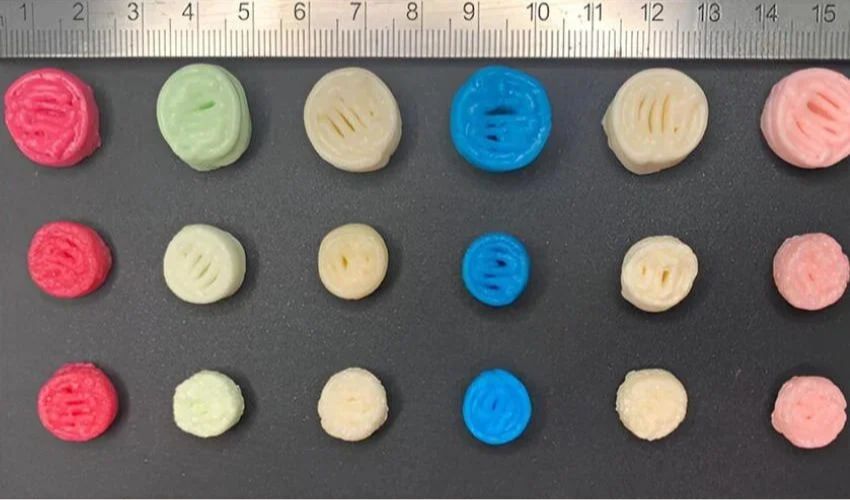 ApplicationsPersonalized Medicine Thanks to Volumetric 3D Printing and Semi-Solid Extrusion3D printing is transforming drug manufacturing, offering customized solutions that improve treatments and the patient experience. Traditionally, bespoke medicines have been prepared using magistral preparations, a manual, laborious and error-prone process. However, 3D printing is