Printers
Cartesian vs. Core XY, Delta & Polar: Comparing FDM Motion Systems
3D printers can produce a wide range of three-dimensional objects using various materials. Depending on the technology, this may involve curing a liquid resin with a light source (SLA, DLP, LCD) or sintering powdered material (SLS, LPBF). In extrusion-based processes,…
- 3 min read
- Printers
- Six more stories
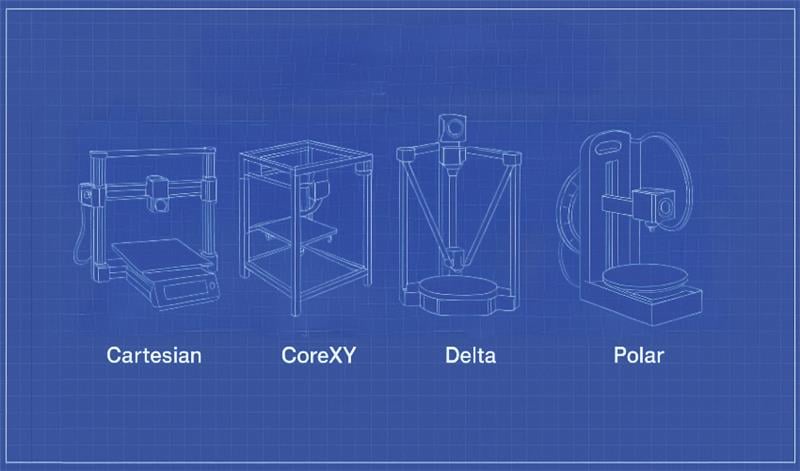
3D printers can produce a wide range of three-dimensional objects using various materials. Depending on the technology, this may involve curing a liquid resin with a light source (SLA, DLP, LCD) or sintering powdered material (SLS, LPBF). In extrusion-based processes, the material, in the form of filament or pellets, is melted and deposited layer by layer onto a build platform through a heated nozzle. But how exactly does the filament travel to its destination?
Well, there are several options. With commercially available 3D printers, this is referred to as motion systems. These motion systems determine how the print head or build platform moves in space and in all directions so that the print layers can be applied one after the other. In this article, we will look at the most common FDM printer motions, explain how they work and what their differences are. You will also find out why some motion systems are particularly popular and what advantages they offer.
More from the desk
Six other notes from the rest of the bench.
 ApplicationsTPM3D Enables Edser to Deliver Faster and Better Orthotics Using SLS 3D PrintingOur lives are becoming increasingly connected, faster, more customizable, and adaptable to our individual wishes and needs. This phenomenon is evident in our communication, professional life, consumption, and in healthcare. Modern medicine aims to provide customized solutions tha
 NewsTop 5 Videos: A 3D Printed Vegan Steak, ADDITIV Aerospace & MoreIn this week’s selection of top 5 videos about 3D printing, we’re giving you a sneak peak of our next ADDITIV event – ADDITIV Aerospace. Next up is Marketforged’s new investor video, released after the company announced a merger with…
 NewsWho are the AM Manufacturers in China?In recent years, we have seen a real growth in the number of Chinese additive manufacturing players, particularly with the arrival of manufacturers offering small, highly accessible FDM machines or, on the contrary, more industrial machines compatible with more demanding…
 GuidesWhy Lead Time and Cost (Not Capability) Are Holding Robotics BackPhysical AI, the growing category of AI systems built to act in the real world rather than just process data, is one of the fastest-moving corners of the robotics industry. Companies building autonomous robots, automated lab equipment, and warehouse deployments…
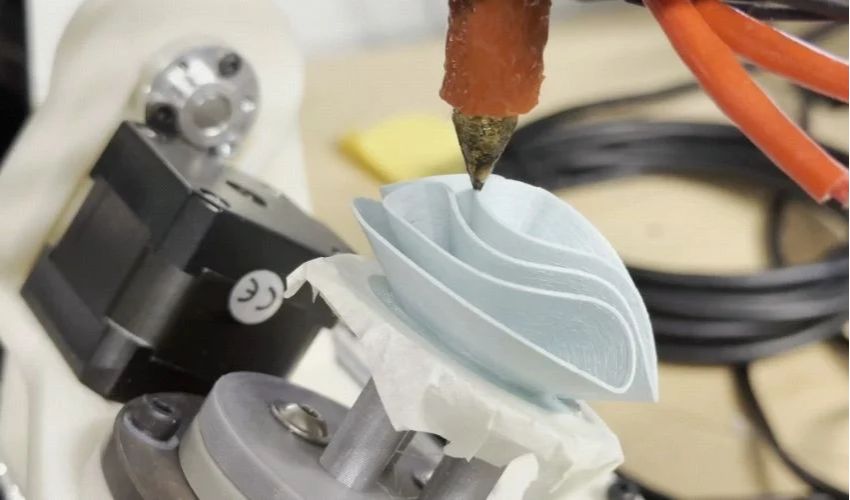 PrintersEverything You Need to Know about Multi-Axis 3D PrintingIn the world of technology, 3D printing can sometimes feel like science fiction. But while we’ve grown used to watching printers lay down layer after flat layer, a new technique has been catching our attention: multi-axis 3D printing. By breaking…
 MaterialsRickie Fowler Tees Up Cobra Golf’s Latest 3D Printed WedgeIn a move that fuses the precision of 3D printing with the precision-driven sport of Golf, PGA TOUR superstar Rickie Fowler is helping to showcase golf equipment innovation by debuting his new, 3D printed RF Cobra lob wedge at The…