News
The 3D Printed Dress That Responds to Changes in its Environment
We hear more and more about traditionally manufactured applications trying out 3D printing, and little by little, the number of industries embracing this technology is increasing. One such case is the fashion industry, which as we have from previous examples,…
- 3 min read
- News
- Six more stories

We hear more and more about traditionally manufactured applications trying out 3D printing, and little by little, the number of industries embracing this technology is increasing. One such case is the fashion industry, which as we have from previous examples, when combined with additive manufacturing is able to offer spectacular results. As new materials are developed and 3D printing techniques are perfected, fashion designers are more able to experiment with fusing their creativity with 3D printing technology and carrying out projects that seemed impossible before. While we still don’t know what to expect from future projects in the industry, what is certain is that those presented to date have left no one indifferent.
A good example of this is what happened at London Fashion Week. Designer Jayne Pierson unveiled her “Ceridwen” collection, which thanks to Stratasys’ 3DFashion technology combined with her ingenuity and craftsmanship, created true works of art. Or at last year’s Paris Fashion Week, Iris van Herpen teamed up with ice cream brand Magnum to create a stunning 3D printed couture dress to promote one of the brand’s ice creams. Now, at Formnext 2023, fashion designer Anouk Wipprecht along with 3D printing company Chromatic 3D Materials, have designed and manufactured a revolutionary 3D printed dress that features domes of LED lights that respond to their environment.
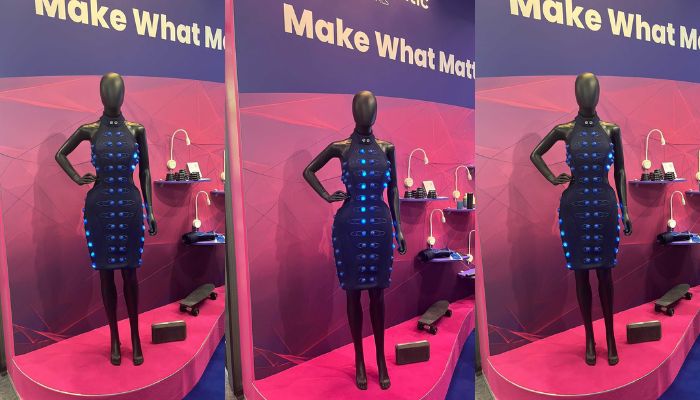
A closer look at the 3D printed dress at Formnext 2023 (Credits: 3Dnatives)
Of all the surprises we have found in this edition of Formnext, this application of 3D printing in the fashion industry certainly caught our attention. It is a clear example of technological advancement since it has made it possible to precisely and directly integrate electronics into 3D-printed elastomers, offering unlimited possibilities to the imagination for the creation of new garments in the near future. The use of motion-activated LED bulbs is just one such example of the Dutch designer’s creativity.
More from the desk
Six other notes from the rest of the bench.
 PrintersEverything You Need To Know About Cold Metal FusionToday, the manufacturing industry is increasingly moving towards metal additive manufacturing solutions. However, these machines are often expensive for companies entering this field. Consequently, the cost of metal 3D printers can be a major barrier to market entry. Luckily, the
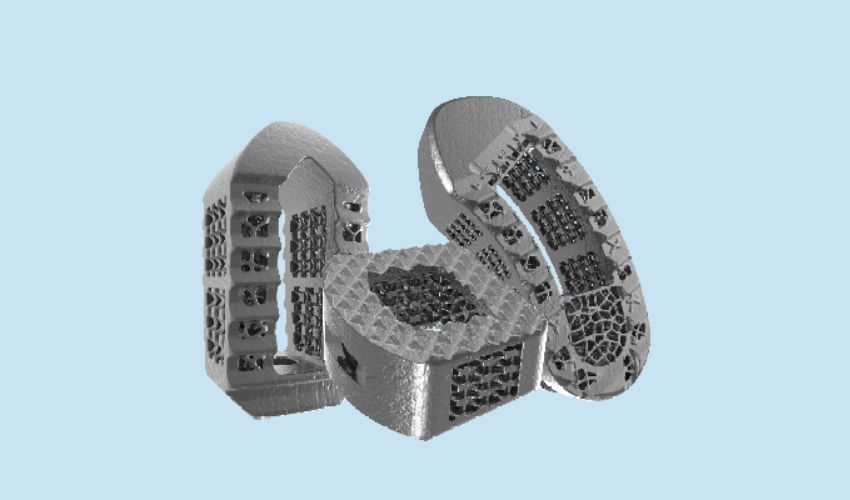 ApplicationsZSFab Announces First U.S. Clinical Use of 3D Printed Impants in Spinal SurgeriesIt seems that every week, there is a new innovative use of 3D printing in the healthcare sector. Whether for implants, bioprinted organs, prostheses & orthoses, dentistry, or any of the innumerable applications for additive manufacturing in the wide medical…
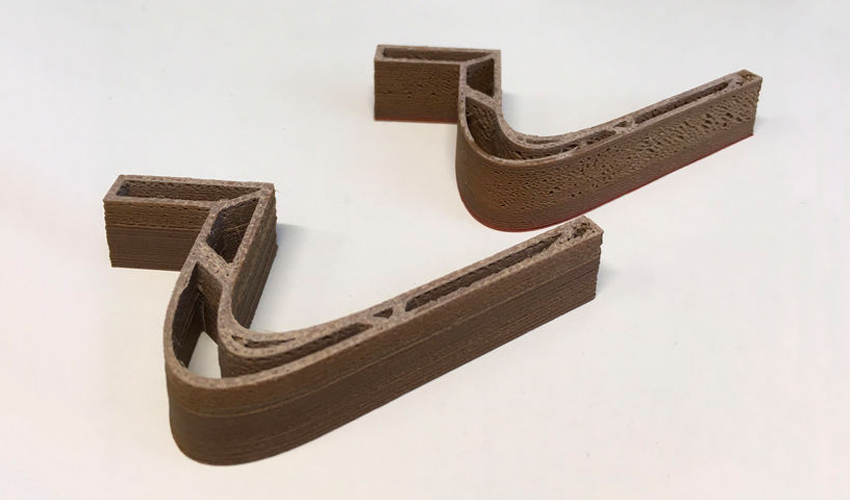 MaterialsValueBioMat Talks 3D Printing Biosourced CompositesToday, more and more companies are developing composite materials for additive manufacturing, enabling the design of lighter and stronger parts. However, these materials can have a negative impact on the environment as they are often made from a plastic matrix.…
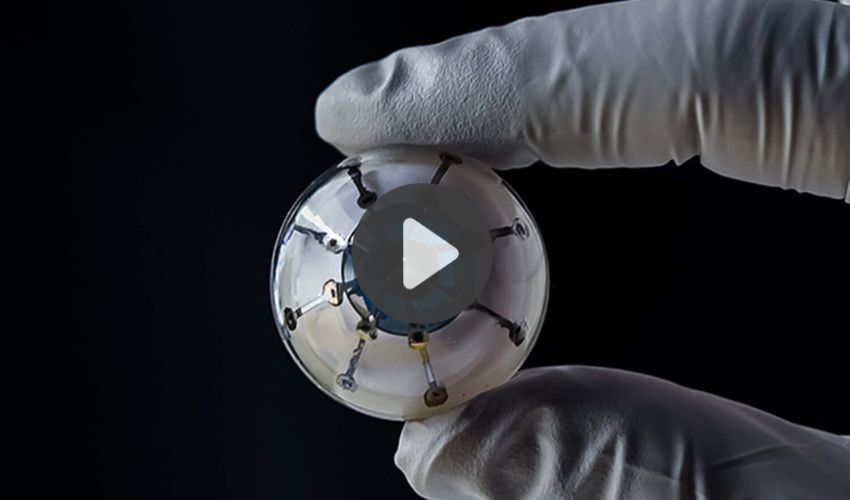 NewsTop 5 Videos: Revolutionary 3D Printing Technology Transforms Artificial Eyes for PatientsGet ready for an exciting lineup of this week’s top 5 videos! We kick off with a groundbreaking development in ocular prosthetics, where additive manufacturing technology is revolutionizing the creation of artificial eyes. Discover how the Herston Biofabrication Institute i
 NewsPlast’if transforms employees waste into 3D objects3D printing is a technology that could help raise awareness about ecology and recycling issues: there have been many initiatives by companies to tackle those issues through this technology; whether it is to make objects more environmentally friendly or address social…
 ApplicationsItalian Cyclists To Compete in Paris 2024 With Pinarello 3D Printed BikesThis year’s sports calendar is packed with excitement, kicking off in June with the European Championships in Germany and swiftly followed by the Summer Olympics in Paris. Athletes worldwide are gearing up to deliver peak performances, relying on their teams…