News
10 Reasons Why Post-Processing Is Important in 3D Printing
When we talk about 3D printing, it stands without saying that most would think first about the actual printing process. However, additive manufacturing comprises several stages, from modeling to final part, including design and optimization, slicing, 3D printing and post-processi
- 3 min read
- News
- Six more stories
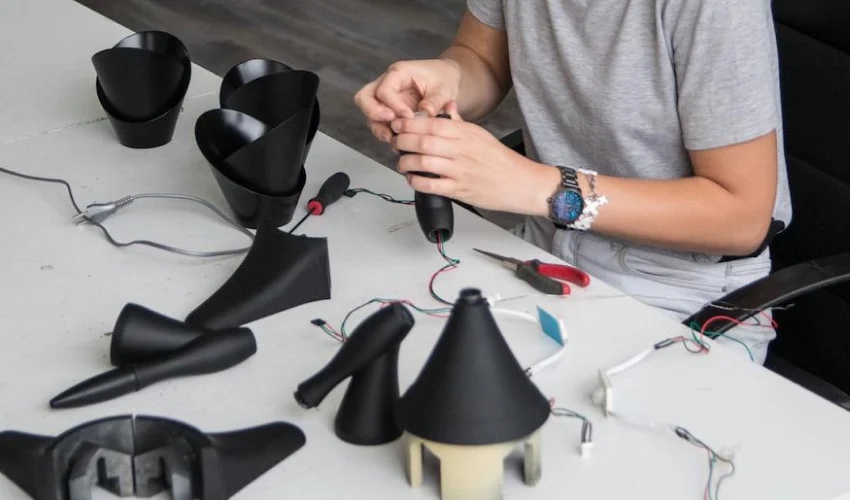
When we talk about 3D printing, it stands without saying that most would think first about the actual printing process. However, additive manufacturing comprises several stages, from modeling to final part, including design and optimization, slicing, 3D printing and post-processing. However, the crtical post-processing in additive manufacturing. As post-processing is the final step, carried out after additive manufacturing of a part, it is the one that will dictate some of the final aesthetic and mechanical properties. But how can we benefit from post-processing? What are the different methods and what are they used for? Find out the answers to these questions, plus 10 reasons why post-processing deserves your full attention.
#1: Ensuring Part Quality
One of the reasons that post-processing is so important is because it helps to achieve the quality standards required for 3D printed parts. After printing, parts may show defects such as visible layer lines or surface imperfections. Post-processing includes steps such as sanding, polishing or sandblasting, which eliminate these defects and produce smooth, uniform surfaces. This ensures that parts meet quality requirements and can perform their function optimally.
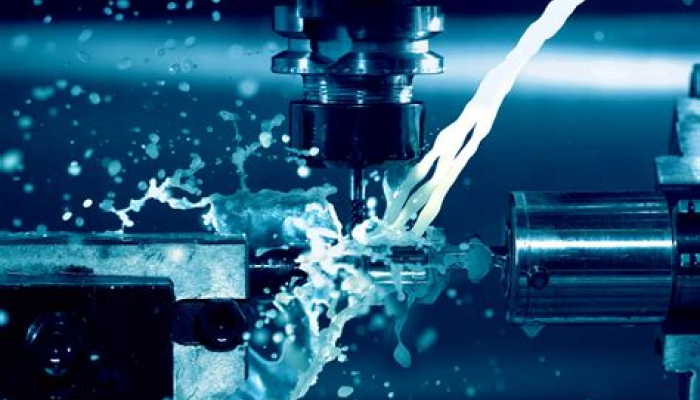
Machining is a post-processing method that removes material to ensure dimensional accuracy and optimum surface finish (photo credits: TPI Texas)
#2: Improving the Aesthetics of a Part
In addition to functional quality, the aesthetic appearance of 3D printed parts is also crucial, particularly in fields such as product design or consumer goods. Post-processing offers the possibility of improving the appearance of parts by eliminating print marks and adding aesthetic finishes such as specific textures or color effects. This enables parts to meet not only technical requirements, but also the aesthetic and design criteria of customers.
More from the desk
Six other notes from the rest of the bench.
 ApplicationsHarvesting the Moon: Transforming Regolith Into ElectronicsLunar regolith—the loose dust and rock covering the Moon’s surface—is far more than just dirt. It is comprised of approximately 40-45% oxygen. Since 2019, the company Metalysis has collaborated with both the UK and European Space Agencies to extract this…
 GuidesHow 3D Printing Allows for Customizable Consumer GoodsIt is not easy today to provide a universal definition of a consumer good: from basic necessities such as food that we purchase more regularly, to durable products such as cars or electronic devices, the list is long. One thing…
 GuidesAlveo3D, a filtering kit for safer 3D printing at home & officeAlveo3D is a young French company, which has developed a nanoparticle filtration system for 3D printers. Its objective is to reduce toxic emissions from machines by reducing the risk of air pollution when they operate in a very poorly ventilated…
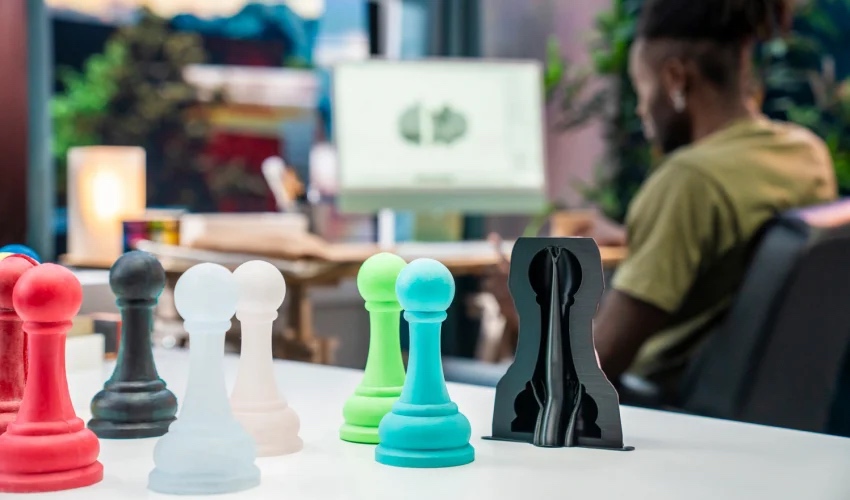 NewsFlovv and Flovv-e Aim to Make Injection Molding More Accessible Thanks to 3D printing3D printing has seen a lot of success on Kickstarter, with notable examples including the likes of Formlabs and Bambu Lab. These projects have demonstrated the platform’s potential to fund innovations, propel them forward and bring them to fruition. Now,…
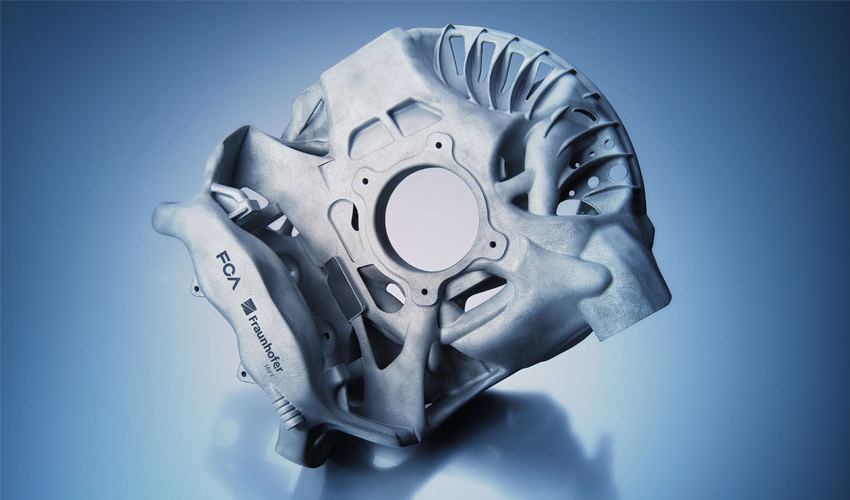 ApplicationsFiat Chrysler Automobiles uses AM to design suspension systemA team of engineers from Fiat Chrysler Automobiles (FCA) collaborated with researchers from Fraunhofer Institute to design a 3D printed wheel carrier with an integrated brake caliper for one of their sports cars. Still in the prototyping stage, this part,…
 ApplicationsSilk proteins allow the bioprinting of artificial tissuesA team of scientists from the Guwahati Indian Institute of Technology (IIT) is advancing bioprinting in India. Apparently, they created a bioink from silk proteins that could be used for 3D printing tissues, implants and organs at unbeatable costs. These…