Applications
Fiat Chrysler Automobiles uses AM to design suspension system
A team of engineers from Fiat Chrysler Automobiles (FCA) collaborated with researchers from Fraunhofer Institute to design a 3D printed wheel carrier with an integrated brake caliper for one of their sports cars. Still in the prototyping stage, this part,…
- 3 min read
- Applications
- Six more stories
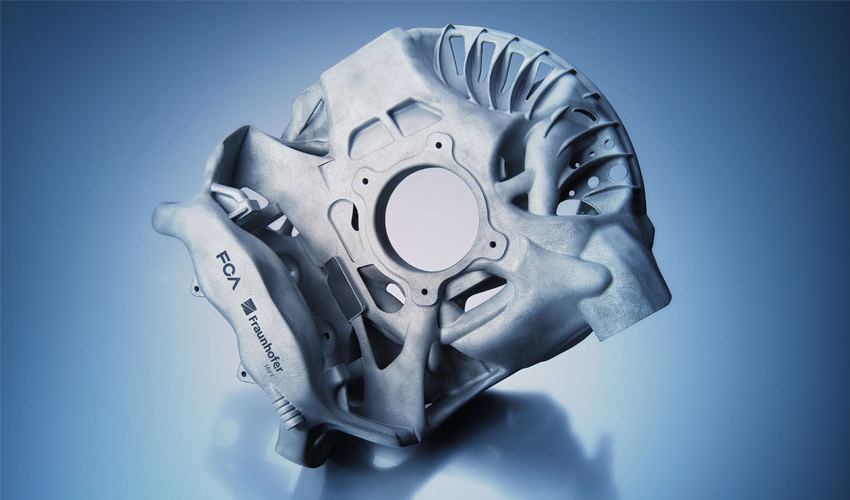
A team of engineers from Fiat Chrysler Automobiles (FCA) collaborated with researchers from Fraunhofer Institute to design a 3D printed wheel carrier with an integrated brake caliper for one of their sports cars. Still in the prototyping stage, this part, originally made up of 12 separate components, was consolidated into one piece, reducing not only manufacturing time but also its total weight. Thanks to additive manufacturing, the teams were able to reduce it by 36%, which will improve the performance of the vehicle. The researchers did not specify which car model this suspension system could be for.
For many years, additive manufacturing has proven its usefulness in the automotive sector, whether for the development of new vehicles or to optimize the design of some spare parts. Almost all car manufacturers have invested in 3D printing technologies, convinced that they represent a more agile method of prototyping and production for some parts. Today, the FCA group includes a number of brands such as Alfa Romeo, Jeep, Maserati and RAM, subsidiaries that have already shown an interest in additive manufacturing.
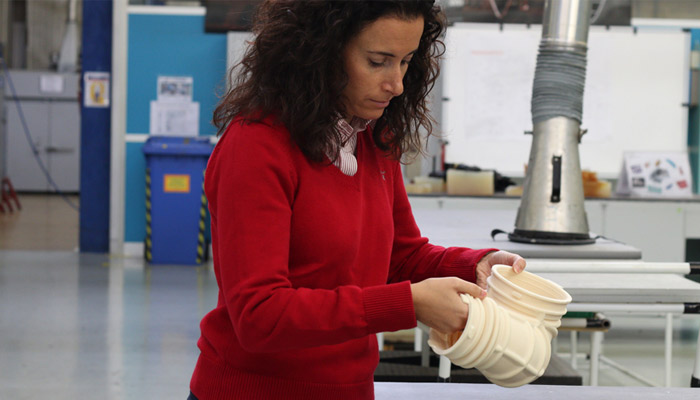
The FCA group now uses additive manufacturing for prototyping | Photo Credits: FCA
This time, the car manufacturer sought to reduce the total number of components used in the manufacture of a suspension system. In this case, we are talking about 12 separate components including a wheel support, a hydraulic system, a heat shield and a brake caliper. This is a traditionally complex component to produce as it requires many assembly steps with multiple joints and screws. Ruben Meuth, Head of Business Development at the Fraunhofer Institute, says: “The overall focus is on the reduction of manufacturing costs, for example, by significantly increasing production speed. This innovation project is an excellent example of the collaboration between industry and research. This component shows how Additive Manufacturing can be implemented into series production for luxury and sports cars.”
More from the desk
Six other notes from the rest of the bench.
 NewsHP Is Showcasing New HP Metal Jet S100 Solution and HP Jet Fusion 5400 Series at FormnextAt Formnext, both users and exhibitors are able to enjoy a place where all innovations in the field of additive manufacturing can be found: from materials to 3D printers and 3D scanners to post-processing and software solutions, everything is present!…
 NewsInnovative Ice-cream through 3D printingIt is summer and hopefully the sun is with us through out. And when the weather is hot it is time to cool down, and no better way to do so than with ice-cream. But why would you settle with…
 NewsTop 5 Videos: 10 Dates that Changed 3D PrintingThis week we found the top 5 videos about 3D printing and the way additive manufacturing is changing production. The technology has infiltrated many sectors, from medical to automotive: check our selection of the week to keep up with the innovations! If you enjoy these, you&helli
 NewsTop 5 Videos: Cobra Puma Golf Talks Using AM in Consumer GoodsWelcome to our compilation of this week’s most compelling 3D printing highlights. We kick off this week’s edition with our very own video featuring Cobra Puma Golf, showcasing how the company uses additive manufacturing to produce consumer goods. Additionally, Ryan&he
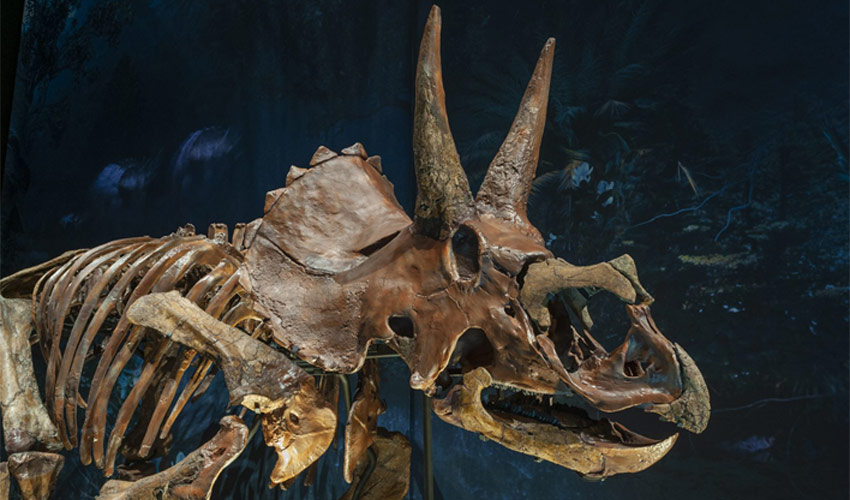 NewsReconstructing dinosaur’s skeleton with large-format 3D printerIn the Netherlands, the Naturalis Biodiversity Centre has used 3D scanning and additive manufacturing to bring to life an animal that has been missing for millions of years: the triceratops. The project teams were able to reconstruct its entire skeleton…
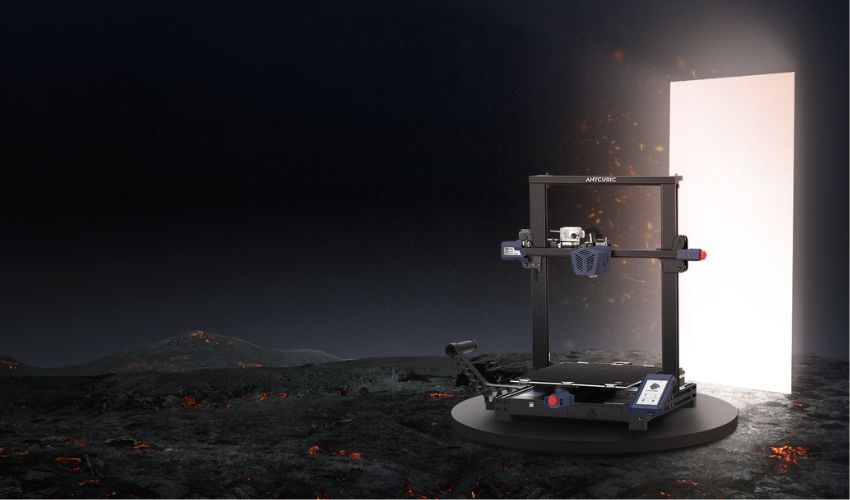 PrintersA Sneak Peek at Anycubic’s Next FDM Printer, the Anycubic Kobra PlusYou may remember earlier this year when Anycubic launched its Anycubic Kobra line with the Kobra as well as the Kobra Max. Now we have yet another exciting announcement from the company. Next week, Anycubic will be launching the latest…