
Building the Future: How Hemp 3D Printed Houses are Revolutionizing Sustainable Construction
The construction industry is experiencing a profound transformation, driven by an urgent need for more sustainable practices and innovative building solutions. Among these advancements, the integration of green building technologies and 3D printing in construction stands out as a particularly promising area. These developments are not just incremental improvements; they represent a fundamental shift in how we conceive, design, and erect structures. From reducing environmental impact to enhancing construction efficiency, the potential benefits are vast, often requiring an inventive spirit to bring novel ideas to fruition. When developing new technologies and building methods, especially those striving for true environmental responsibility rather than mere claims, numerous factors must be carefully considered.
Leading this charge for greener solutions is Mirreco, an Australian biotechnology company. Mirreco has embarked on an ambitious project with a clear, compelling vision: to establish a vertically integrated industry that spans from the farm to the finished house. Their ultimate goal is to produce affordable, environmentally responsible housing by leveraging the unique properties of hemp combined with advanced manufacturing techniques. This holistic approach not only addresses the demand for sustainable housing but also aims to create a more resilient and localized construction supply chain.
The Dawn of Sustainable Construction: Mirreco’s Vision for Hemp Homes
Mirreco’s innovative approach centers on two powerful tools: industrial hemp and additive manufacturing, commonly known as 3D printing. We have previously explored the potential of hemp in 3D printing filament and the significant environmental advantages this plant offers throughout its lifecycle, from cultivation to material production. These inherent ecological benefits are precisely why Mirreco is keenly focused on integrating hemp into their construction project, creating a synergy with modern 3D printing technology to redefine building practices.
The company’s commitment goes beyond simply using sustainable materials; it envisions an entire ecosystem where every step of the process contributes to environmental stewardship and economic viability. By managing the full production chain, from cultivating vast hemp fields to fabricating structural components and assembling complete homes, Mirreco aims to optimize resource utilization, minimize waste, and ensure consistent quality. This vertically integrated model is designed to make sustainable housing accessible and cost-effective, challenging traditional construction paradigms that often rely on resource-intensive and geographically dispersed supply chains.
Why Hemp? Unlocking Nature’s Potential for Eco-Friendly Construction
In recent years, an increasing number of countries have begun to establish or expand industrial hemp cultivation, recognizing its vast economic, environmental, and social potential. Hemp, a plant with a rich history of use spanning thousands of years, has experienced a modern “re-discovery” in various markets due to its incredible versatility. Historically used for textiles, paper, and ropes, its applications are now expanding into areas like bio-plastics, biofuels, and significantly, 3D printing materials and sustainable construction. Mirreco is at the forefront of this re-discovery, contributing to its storied legacy by developing carbon-neutral hemp panels specifically designed for 3D printing into robust and eco-friendly floors, walls, and roofs.

One of hemp’s most compelling environmental attributes is its remarkable ability to sequester and store carbon dioxide from the atmosphere, directly combating greenhouse gas emissions. This makes hemp a powerful tool in mitigating climate change. Beyond its carbon-negative properties, extensive research has enabled the development of advanced hemp-based biocomposite materials. These composites have consistently demonstrated superior strength and enhanced performance compared to many synthetic materials traditionally employed in the construction industry. Their inherent durability, combined with their lightweight nature and excellent insulation capabilities, positions hemp as an ideal building material for modern, energy-efficient homes.
Furthermore, hemp boasts an incredibly rapid growth cycle, capable of yielding up to three crops per year. This high renewal rate ensures a continuous and abundant supply of raw material, making it a truly sustainable resource. Coupled with a growing consumer demand for genuinely sustainable and eco-friendly solutions, Mirreco’s development of a specialized machine to process an entire hemp plant into its valuable components – such as seeds, fibers, and hurd – represents a significant leap forward. This innovative processing capability maximizes the utility of each plant, creating diverse revenue streams and reinforcing the plant’s overall value proposition in the emerging bio-economy.
The Synergy of 3D Printing and Hemp: A Revolution in Building
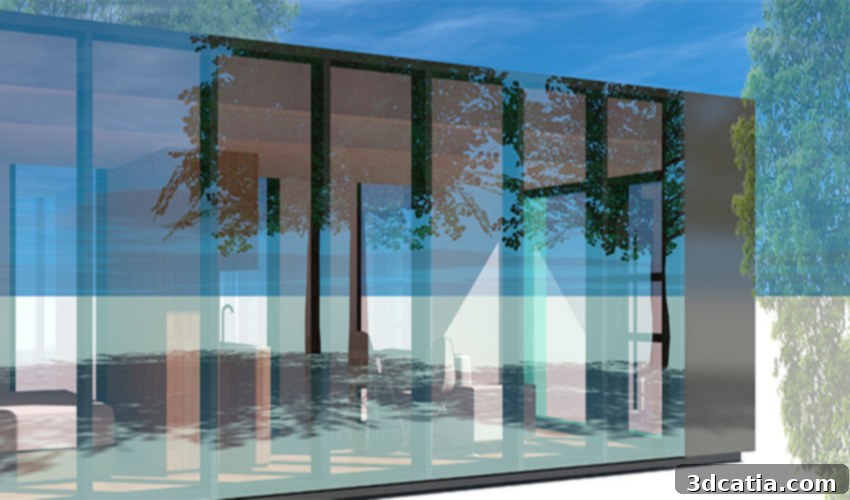
The true power of Mirreco’s vision lies in the intelligent combination of these two groundbreaking technologies: 3D printing and hemp-based materials. In 2018, the company unveiled the conceptual design of their sustainable hemp home, meticulously crafted by the architectural firm Arcforms, based in Perth. This pioneering design showcases how a home’s foundational elements, structure, and finishes can be fabricated using primarily hemp as the main material through advanced additive manufacturing techniques.
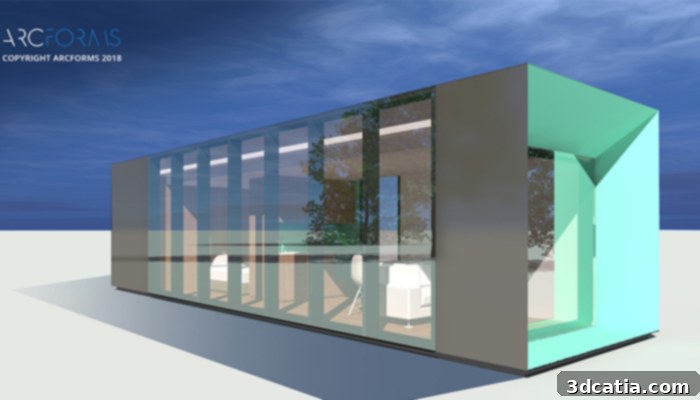
Mirreco’s ambitious plans specify that “the floors, walls and roof will all be made using hemp biomass.” This commitment extends beyond mere structural elements; the designs also incorporate cutting-edge window technology designed to convert ambient light into electricity, further enhancing the home’s energy independence and overall sustainability. This integration of passive and active energy solutions exemplifies Mirreco’s holistic approach to green building, aiming for homes that are not only built with eco-friendly materials but also operate with minimal environmental impact.
To facilitate this revolutionary construction method, Mirreco intends to manufacture, sell, and/or own and operate a full fleet of mobile processing machines. These machines are designed to process hemp directly on-site at relevant farming locations. This localized processing capability minimizes transportation costs and emissions, streamlines the supply chain, and supports regional agricultural economies. It’s a direct manifestation of their “farm to finished house” philosophy, ensuring that the raw materials are converted into ready-to-print building components with maximum efficiency and minimal ecological footprint.
The actual construction of these innovative homes will rely on large-format 3D printers, similar to the powerful XXL 3D printers developed by S-Squared 3D Printers. These industrial-scale machines are capable of precisely layering the hemp-based material into complex shapes, limited only by structural integrity requirements and the architects’ creative imagination. The benefits of using such printers are manifold: significantly reduced construction times, minimized material waste, enhanced design flexibility, and the potential for greater automation on job sites, leading to safer and more efficient building processes. This blend of sustainable material and advanced manufacturing represents a paradigm shift from traditional, labor-intensive construction methods.
The Path Forward: Challenges, Optimism, and the Future of Eco-Housing
As with any truly disruptive innovation, the journey from concept to widespread adoption is often met with a degree of skepticism. We’ve witnessed other ambitious housing ventures encounter obstacles or fail to materialize as promised. Therefore, a cautious optimism is warranted until Mirreco’s first full-scale hemp 3D printed house is not only constructed but also fully approved for livability and occupancy. However, the foundational science and engineering behind Mirreco’s project are robust, and the growing global imperative for sustainable solutions provides a strong tailwind for such initiatives.
The potential impact of Mirreco’s work extends far beyond individual homes. It could pave the way for a new era of environmentally conscious construction, offering a scalable solution to the global housing crisis while simultaneously addressing climate change. The combination of hemp’s carbon-sequestering properties and 3D printing’s efficiency promises a future where homes are not just structures but active contributors to a healthier planet. As consumer awareness and demand for eco-friendly housing solutions continue to rise, projects like Mirreco’s will become increasingly vital. We remain optimistic and eagerly anticipate the tangible results from this pioneering company, watching closely as they work to bring sustainable, affordable, and beautiful hemp 3D printed homes to life.
What are your thoughts on the revolutionary concept of Hemp 3D printed houses? Do you envision a future where our cities are built from sustainable, plant-based materials? Let us know what you think in the comments below or join the conversation on our Facebook and Twitter pages! Don’t miss out on the latest advancements in additive manufacturing – sign up for our free weekly Newsletter, delivering all the essential 3D printing news straight to your inbox!