
Ultimate Guide to 3D Printer Filaments: Choosing the Right Material for Your Projects
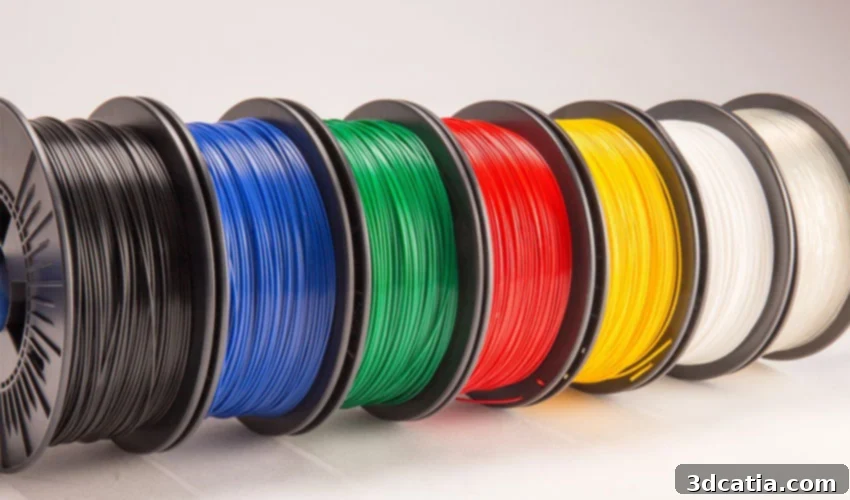
Fused Deposition Modeling (FDM) stands as one of the most prevalent and accessible 3D printing technologies available today. Its widespread adoption stems from its straightforward operation, cost-effectiveness, and impressive versatility, making it a cornerstone for both hobbyists and industrial professionals alike. A key factor in FDM’s popularity is its compatibility with a vast array of thermoplastics – materials uniquely characterized by their ability to soften and become pliable when heated, and then return to a solid, rigid state upon cooling. For the 3D printing process, these thermoplastics are typically processed into a continuous strand, or filament, which is then fed into the printer’s extruder, melted, and precisely deposited layer by layer to form a three-dimensional object. The innovation in material science means that nearly every type of industrial plastic can now be transformed into a printable filament, dramatically expanding the creative and functional possibilities of additive manufacturing. However, with such a diverse selection, the critical question arises: how do you effectively choose the right 3D printer filament for your specific project? What crucial characteristics and properties must you consider to ensure optimal results, from printability to final part performance?
Understanding the Foundation: How Plastics Are Classified for 3D Printing
Before delving into the specific types of filaments dominating the additive manufacturing landscape, it’s essential to grasp the fundamental classification of plastics. This foundational knowledge is crucial for a deeper understanding of material behaviors and their suitability for different applications. Plastics are broadly categorized into two primary structural types based on their molecular arrangement: amorphous and semi-crystalline. These designations refer to the internal molecular structure of the polymer chains as they solidify from a molten state following fusion. In amorphous plastics, the polymer chains become entangled and remain disordered during the solidification phase. This lack of crystalline order often results in materials that are generally more transparent, possess a broader softening temperature range, and typically exhibit lower dimensional stability, meaning they are more prone to warping or shrinking during cooling. Common examples in 3D printing include ABS and Polycarbonate.
Conversely, semi-crystalline plastics feature polymer chains that exhibit a degree of organization and alignment during solidification, forming distinct crystalline regions interspersed with amorphous areas. This ordered structure imparts different properties; semi-crystalline materials are generally more opaque, possess higher mechanical strength, better chemical resistance, and superior dimensional stability compared to their amorphous counterparts. Examples include PLA, Nylon, and PEEK. Understanding this distinction is vital for predicting how a material will behave during printing and in its final application. For instance, the greater dimensional stability of semi-crystalline plastics can be advantageous for precision parts, while the transparency of amorphous materials might be preferred for optical applications. This classification helps in anticipating challenges like warping and selecting appropriate print settings.
Another critical factor in classifying plastics, particularly relevant for FDM 3D printing, is their melting temperature. This characteristic directly impacts the printer’s requirements and the printing process itself. Standard plastics, such as PLA and ABS, generally have lower melting temperatures, typically ranging from 180°C to 250°C. These materials are easier to print on entry-level and consumer-grade 3D printers, which often lack advanced thermal management systems. Technical materials, however, demand higher processing temperatures, pushing into the 250°C to 300°C range. These often require printers equipped with all-metal hotends and heated build chambers to prevent warping and ensure proper layer adhesion. Furthermore, high-performance polymers (HPPs), designed for extreme conditions, require even more sophisticated thermal management, with melting temperatures that can exceed 300°C, sometimes approaching 350°C or even 400°C (up to 752°F). Such materials necessitate specialized, industrial-grade 3D printers capable of precise and sustained high-temperature operation throughout the entire build volume, including heated chambers and hot ends to ensure proper processing and part quality.
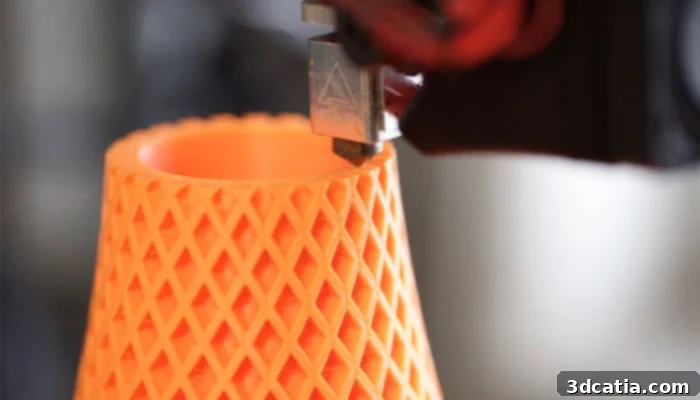
FDM is one of the most widely used processes in 3D printing, highly compatible with a diverse range of plastic filaments.
Standard 3D Printer Filaments: The Accessible Choices
This category includes filaments that are often the first choice for beginners due to their ease of printing, affordability, and widespread availability. They are widely used for general prototyping, educational purposes, and creating non-stress-bearing parts.
PLA (Polylactic Acid)
PLA, or polylactic acid, stands as the undisputed king of entry-level 3D printing filaments. It is a semi-crystalline material celebrated not only for its user-friendliness but also for its sustainable origins, typically derived from renewable resources like corn starch, sugarcane, or tapioca. This makes it a more environmentally conscious choice compared to petroleum-based plastics, as PLA is biodegradable under specific industrial composting conditions, offering a pathway to reduced environmental impact. Its ease of use is a major draw for beginners and professionals alike: PLA prints reliably with minimal warping, generally requiring an extrusion temperature of around 180-220°C and often not needing a heated print bed (though a bed temperature of 50-60°C can significantly improve first-layer adhesion). It offers good geometric stability, precise detail, and is available in an astonishing array of colors, finishes (matte, glossy, silk), and even specialty blends (wood-filled, metal-filled, glow-in-the-dark). PLA’s compatibility with food contact, after proper post-processing and considering potential microbial growth in crevices, makes it suitable for some household items. Its primary applications span rapid prototyping, educational models, decorative parts, artistic creations, and tooling, particularly in sectors where biodegradability or food safety is a concern, such as some medical and packaging applications. Furthermore, PLA frequently serves as the base matrix for various composite materials due to its good printability and cost-effectiveness, making it a versatile foundational material in additive manufacturing.
Polypropylene (PP)
Polypropylene (PP) is a semi-crystalline thermoplastic renowned for its exceptional properties, making it one of the most widely utilized materials in traditional plastic injection molding. In its filament form for 3D printing, PP retains many of these desirable characteristics, offering a unique combination of lightness, excellent resistance to chemicals, impressive fatigue resistance (meaning it can undergo many bending cycles without breaking), and superior electrical insulation. 3D printed PP parts exhibit good impact resistance, excellent gas tightness, and a semi-rigid yet flexible nature, making it ideal for living hinges and applications requiring some give. However, printing with PP presents significant challenges, primarily due to its notoriously poor bed adhesion and proneness to warping, which can be even more pronounced than with ABS. It has very precise melting points and a high shrinkage rate upon cooling, demanding meticulous thermal management, including a well-calibrated heated bed (typically 80-100°C) and often an enclosed print chamber. Specialized build plate surfaces, such as PP tape, packing tape, or a layer of PP itself (e.g., from a PP sheet), are often required to achieve successful prints. Despite these difficulties, PP filament excels in applications requiring chemical inertness and durability, such as packaging prototypes, robust clips and fasteners, liquid containers, medical devices (due to its sterilizability and non-toxicity), and automotive components, offering a material that is both robust and flexible.
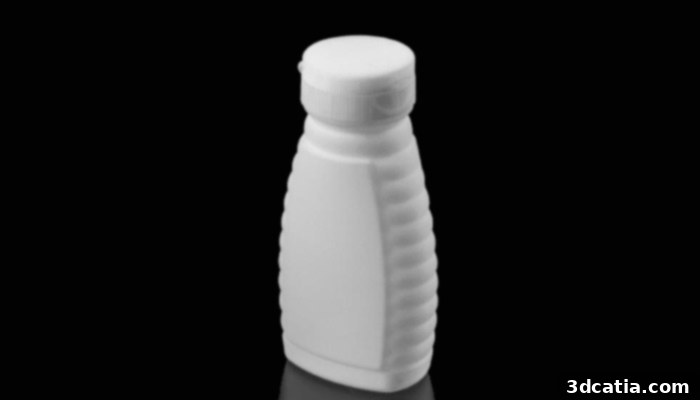
A 3D printed part crafted from PP filament, demonstrating its application in functional components (photo credits: Materialise).
ABS (Acrylonitrile Butadiene Styrene)
Moving into the realm of amorphous thermoplastics, ABS (Acrylonitrile Butadiene Styrene) is another highly popular 3D printer filament, often considered the next step up from PLA in terms of mechanical properties. It is widely recognized for its excellent resistance to low-temperature impacts, its lightness, and its good balance of strength and toughness. While relatively common, ABS is sometimes classified as a technical material due to its slightly more demanding printing requirements compared to PLA. The primary challenge with ABS is its significant susceptibility to warping and delamination, a phenomenon caused by uneven cooling and the resulting internal stresses. To mitigate this, a heated print bed (typically 90-110°C) is almost always essential, and an enclosed print chamber is highly recommended to maintain a stable, warm ambient temperature around the print. ABS also emits fumes and a distinct odor during printing, necessitating good ventilation or an air filtration system. Despite these hurdles, its superior mechanical properties – including higher temperature resistance (up to 80-100°C), improved ductility, and good surface hardness – make it an ideal material for functional prototypes, durable tooling parts that endure frequent handling or stress, and robust end-use parts like casings, enclosures, and automotive components. Furthermore, ABS can be easily post-processed with acetone vapor smoothing, which creates a glossy, smooth finish, enhances aesthetic appeal, and can improve part strength by fusing layer lines. ABS remains an affordable and versatile 3D printer filament, available in a wide spectrum of colors and blends, making it a staple for many engineers and designers.
Biodegradable Filaments Beyond PLA
While PLA is often highlighted for its biodegradability, the growing demand for sustainable solutions in additive manufacturing has led to the development of other, more specialized biodegradable filaments. These materials aim to naturally break down over time, offering an answer to the environmental concerns surrounding plastic waste in the 3D printing industry. This category is diverse and constantly evolving, encompassing not just variations of PLA but also novel compositions designed for enhanced degradability. Some biodegradable filaments consist of complex blends where PLA acts as a base matrix, combined with other natural polymers or additives to improve its decomposition profile under a wider range of conditions than pure PLA, which typically requires industrial composting facilities. For example, some formulations are designed for home composting or even marine biodegradability. Other innovative biodegradable filaments are formulated from entirely natural or bio-derived materials, such as various forms of starches, biopolymers derived from agricultural waste, or even sustainable resources like algae. These materials are attractive for applications where environmental impact is a primary concern, such as single-use prototypes, educational projects, temporary artistic installations, or packaging inserts. However, it’s important to note that the term “biodegradable” can be broad, and the specific conditions required for degradation (e.g., industrial composting, marine environment, home composting) can vary significantly between different formulations. Users should carefully research the degradation properties and certifications of specific biodegradable filaments to ensure they meet their environmental objectives and local waste management guidelines.
Technical Filaments: Bridging the Gap to Performance
Technical filaments offer enhanced mechanical properties, higher temperature resistance, and greater durability compared to standard materials, making them suitable for more demanding and functional applications where standard plastics fall short.
Nylon (Polyamide – PA)
Nylon, generically known as polyamide (PA), is a formidable engineering thermoplastic widely recognized for its strength, durability, and versatility. While it is particularly prevalent in the additive manufacturing market in powder form for Selective Laser Sintering (SLS) technology, it is increasingly available and utilized as a filament for FDM 3D printers, most commonly in grades like PA6 or PA12. PA6, a popular FDM variant, shares some printing characteristics with ABS, notably its requirement for a heated print bed (around 60-80°C) due to its tendency to warp and its challenges with bed adhesion. However, Nylon truly shines in its mechanical performance. It is celebrated for its exceptional resistance to impact and abrasion, combined with remarkable flexibility, excellent chemical resistance, and a high strength-to-weight ratio. These properties make it ideal for producing highly durable and long-lasting parts such as robust gears, machine components, living hinges, tooling fixtures, and protective covers, especially in industrial and automotive sectors. A critical consideration when working with Nylon is its hygroscopic nature; it readily absorbs moisture from the air, which can lead to significant printing issues like bubbling, poor layer adhesion, inconsistent extrusion, and weakened final parts. Therefore, storing Nylon filament in a dry, airtight environment (e.g., a dry box with desiccant) and drying it thoroughly before printing are paramount for successful results. Many Nylon filaments can also be reinforced with carbon or glass fibers, further enhancing their stiffness, strength, and thermal resistance, opening up even more demanding applications in aerospace, robotics, and industrial machinery where lightweight structural components are needed.
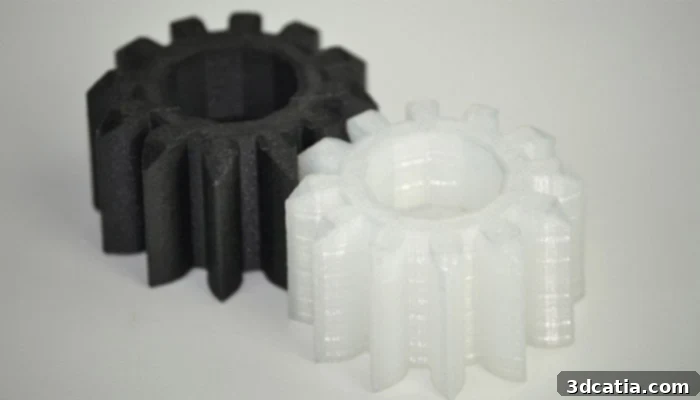
Effective humidity control is paramount when working with PA6 and other Nylon filaments to ensure optimal print quality and material performance (photo credits: Sharebot).
PET/PETG (Polyethylene Terephthalate Glycol)
Polyethylene Terephthalate (PET) is a ubiquitous material in modern industry, most famously used in the production of plastic bottles and food containers due to its excellent clarity, strength, and barrier properties. In the realm of 3D printing, PET is primarily known and utilized in its modified form: PETG. The “G” signifies glycol-modified, an alteration that reduces the material’s inherent brittleness, making it more pliable, easier to extrude, and improving its clarity while maintaining many of PET’s desirable properties. PETG strikes a remarkable balance between the ease of printing of PLA and the strength and durability of ABS, often considered a best-of-both-worlds filament. It is prized for its excellent transparency (making it suitable for translucent or clear parts), good impact resistance, and inherent compatibility with food contact, similar to its PET parent material. These characteristics make PETG a popular choice for printing functional prototypes, mechanical parts, protective components, and, significantly, various types of packaging and liquid containers, especially where chemical resistance or sterilization is required. While generally easier to print than ABS (less prone to warping, often requiring a heated bed of 60-80°C and extrusion temperatures around 230-250°C), PETG can sometimes be prone to stringing and oozing, which can be managed with proper retraction settings and careful temperature control. Its relatively low shrinkage, minimal odor during printing, and good layer adhesion further contribute to its appeal as a versatile and reliable alternative to both PLA and ABS, especially when a balance of strength, flexibility, clarity, and ease of printing is required for durable functional parts.
POM (Polyoxymethylene / Acetal)
Polyoxymethylene, commonly known as POM or Acetal, is a semi-crystalline engineering thermoplastic that is steadily gaining traction in the 3D printing community due to its outstanding mechanical and chemical properties. POM is particularly valued for its exceptional stiffness, hardness, and dimensional stability, making it an excellent choice for precision parts. It boasts remarkable resistance to heat, impact, and abrasion, but perhaps its most defining characteristic is its very low coefficient of friction and excellent self-lubricating properties. These attributes make POM an ideal material for applications where parts need to slide smoothly against each other or endure continuous wear, such as gears, bearings, bushings, sliding mechanisms, and various mechanical components. Other notable applications include robust backpack buckles, snap-fit assemblies, and components that require long-term resistance to heat and chemical exposure. However, printing with POM presents a notable challenge due to its highly crystalline nature and high shrinkage rate, which makes it quite difficult to print successfully without precise thermal management. It requires a well-controlled heated build plate (typically 90-110°C), a consistent extrusion temperature (around 200-220°C), and, ideally, a heated and enclosed print chamber to minimize warping and ensure strong layer adhesion. Additionally, some users report issues with bed adhesion, often requiring specific surface treatments. Another point of consideration is that POM is less commonly offered as a 3D printer filament compared to more mainstream materials like PLA or ABS, meaning fewer manufacturers produce it, which can impact availability and cost, limiting its widespread adoption despite its excellent properties.
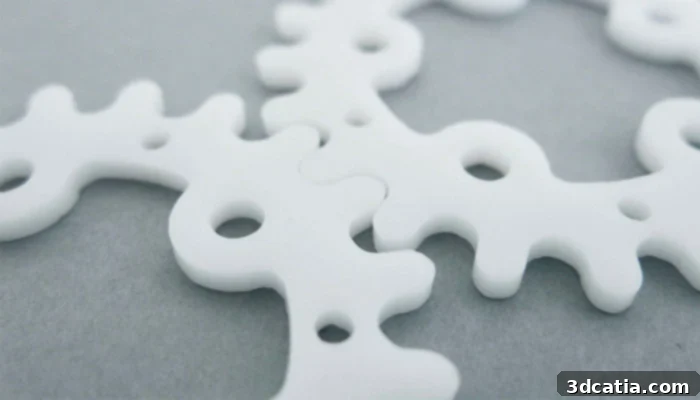
POM filament is increasingly utilized in 3D printing for functional components requiring durability and low friction (photo credits: POM).
Polycarbonate (PC)
Polycarbonate (PC) is a high-strength, amorphous thermoplastic known primarily for its exceptional toughness, impact resistance, and inherent transparency. It is a material that challenges the limits of many desktop 3D printers due to its demanding printing requirements. To achieve successful prints with PC, higher extrusion temperatures (typically 260-310°C) and a very high-temperature heated build plate (100-140°C, often requiring an adhesive like Kapton tape or PC slurry) are essential. An enclosed print chamber is also highly recommended to maintain a stable ambient temperature and prevent rapid cooling, which can lead to severe warping and delamination. Despite these challenges, the unique properties of PC make it invaluable for specific applications. It is particularly popular in the optical industry because it is significantly lighter than glass, yet remarkably strong and shatter-resistant, capable of withstanding a wide temperature range, often from -150°C to 140°C (-238°F to 284°F). This makes it ideal for 3D printing protective screens, lenses, optical components, and durable transparent housings. Beyond optics, PC’s extreme strength, rigidity, and heat resistance make it suitable for strong, functional prototypes, industrial parts, and components that need to endure harsh environments or significant mechanical stress, such as protective gear, structural elements, and parts for aerospace or automotive applications. The availability of PC as a 3D printer filament has been steadily increasing, with more manufacturers offering robust formulations, reflecting its growing importance for high-performance applications in the sector.
High-Performance Thermoplastics (HPPs): For Extreme Applications
This advanced category of polymers represents the pinnacle of thermoplastic performance, designed for the most demanding applications where extreme mechanical, thermal, and chemical properties are required. Printing with HPPs is significantly more challenging than with standard or technical filaments, necessitating specialized, high-temperature 3D printers. These materials typically require very high extrusion temperatures (often exceeding 300°C, sometimes reaching 400-450°C), a precisely controlled and highly heated build plate (up to 250°C), and crucially, an actively heated print chamber capable of maintaining elevated ambient temperatures (e.g., 100-250°C) throughout the entire print duration. Such stringent thermal management is absolutely critical to prevent warping, ensure optimal layer adhesion, and unlock the full potential of these advanced materials, which might otherwise underperform if not processed correctly. The characteristics of HPPs often rival those of certain metals, offering unparalleled strength-to-weight ratios, chemical inertness, and resistance to extreme temperatures, making them indispensable in aerospace, medical, and high-tech industrial sectors where material failure is not an option.
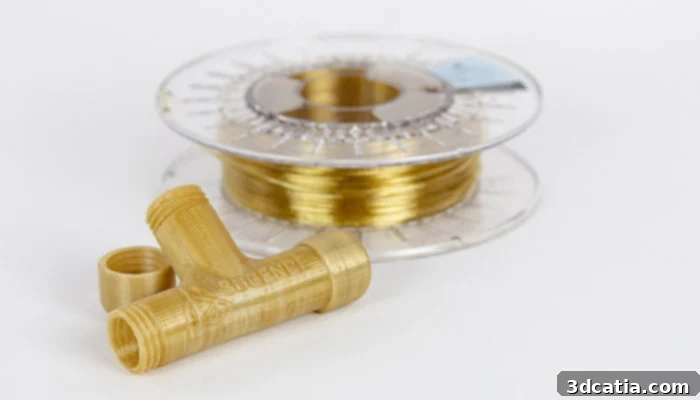
High-Performance Polymers (HPPs) are demanding materials that require exceptional thermal management throughout the 3D printing process to achieve desired mechanical properties (photo credits: 3DGence).
Semi-Crystalline HPPs: PEEK and PPS
Among the semi-crystalline high-performance thermoplastics, PEEK (Polyether Ether Ketone) is arguably the most recognized and sought-after 3D printer filament. Belonging to the PAEK (Polyaryletherketone) family, PEEK is an extraordinarily robust material renowned for its outstanding strength-to-weight ratio, excellent thermal stability, and exceptional chemical resistance to a wide range of aggressive substances. Its printing demands are stringent: it requires extrusion temperatures often around 380-450°C (up to 752°F), a build plate capable of reaching 180-230°C (up to 446°F), and an actively heated enclosure maintained at 120-180°C (up to 356°F) to ensure proper crystallization and minimize internal stresses. PEEK can withstand continuous operating temperatures up to 250°C, making it suitable for applications in extremely hot environments, such as aerospace engine components or medical sterilization equipment. Furthermore, its biocompatibility and ability to be sterilized (e.g., by steam or gamma radiation) make it the material of choice for custom medical implants, surgical guides, and prosthetics, offering a lightweight and inert alternative to metals. While its demanding nature requires significant mastery of the 3D printing process and specialized, high-cost equipment, PEEK delivers unparalleled performance for mission-critical parts in aerospace, automotive, oil & gas, and medical industries, justifying its premium price point with superior reliability and durability.
Another prominent semi-crystalline high-performance thermoplastic is PPS (Polyphenylene Sulfide). PPS is highly valued for its remarkable chemical resistance, even to strong acids and bases, and its excellent mechanical properties, particularly at elevated temperatures. With an extrusion temperature typically around 300-330°C (around 572°F), a heated build plate, and an enclosed chamber, PPS offers superb long-term performance in corrosive and high-temperature environments. It exhibits excellent stiffness, dimensional stability, and creep resistance, making it suitable for load-bearing applications in harsh conditions. It finds widespread application in industries such as automotive (under-the-hood components, fuel systems), oil & gas (downhole tools, pump components), and electronics (connectors, insulators) where durability, thermal stability, and resistance to harsh operating conditions are critical. Its inherent flame retardancy also makes it a valuable material for safety-critical applications, contributing to its use in diverse industrial settings.
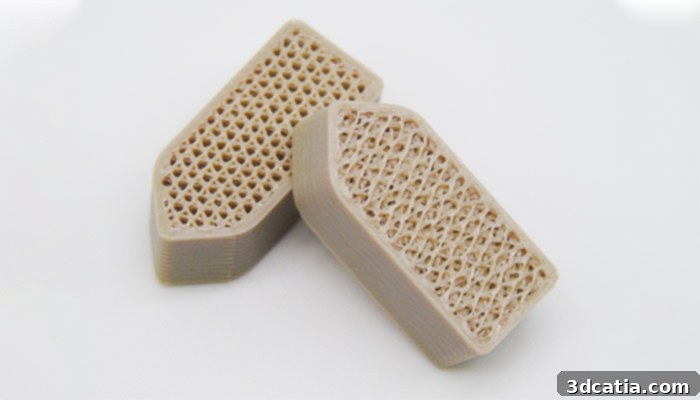
PEEK is frequently employed to 3D print bespoke medical implants due to its biocompatibility, exceptional mechanical properties, and sterilizability (photo credits: FossiLabs).
Amorphous High-Temperature Filaments: PEI (ULTEM) and Sulfones
In the category of amorphous high-temperature filaments, PEI (Polyetherimide) is a standout material, now prominently marketed by SABIC under the ULTEM brand. While generally less expensive than PEEK, PEI offers a compelling combination of high strength, stiffness, excellent thermal stability, and inherent flame retardancy. Its ability to meet stringent fire/smoke standards (e.g., FAR 25.853 for aerospace) makes it an ideal material for interior components in the aerospace sector, where safety and weight are paramount. PEI also demonstrates impressive resistance to a broad range of automotive fluids, hydrocarbons, alcohols, and aqueous solutions, expanding its utility into demanding industrial environments. Furthermore, it is sterilizable and compatible with food contact, making it suitable for medical instruments, food processing equipment, and pharmaceutical applications. Printing PEI requires similar high-temperature conditions as other HPPs, including a high-temperature extruder (typically 350-400°C), a heated bed (100-160°C), and an actively heated chamber (up to 180°C) to ensure proper layer fusion and prevent warping, achieving optimal mechanical properties in the final part.
Finally, the family of sulfone polymers, specifically PPSU (Polyphenylsulfone) and PSU (Polysulfone), represents another critical class of amorphous high-performance thermoplastics. These materials are distinguished by their exceptional thermal properties, offering superior heat resistance and excellent performance at elevated temperatures, often surpassing other engineering plastics. They also exhibit remarkable fire/smoke characteristics, making them highly desirable for safety-critical applications where low flammability and smoke emission are crucial. Beyond their thermal capabilities, PPSU and PSU possess very good electrical insulation and dielectric properties, making them suitable for electronic components, connectors, and electrical housings exposed to harsh conditions. Their outstanding chemical resistance, hydrolysis stability (resistance to degradation by water and steam), and high impact strength make them popular choices in the transportation industry, including rail, aerospace, and automotive sectors, as well as in medical devices (due to sterilizability and biocompatibility) and industrial equipment where reliability under extreme stress and demanding environments is non-negotiable.
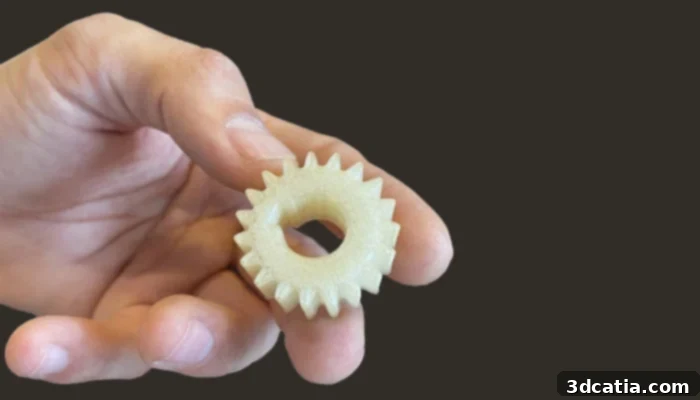
Advanced 3D printer filaments enable a wide range of industrial applications, pushing the boundaries of what is possible with additive manufacturing (Photo Credits: Pollen AM).
Composite and Flexible 3D Printer Filaments: Specialized Solutions
Beyond the categories of pure thermoplastics, the FDM filament market offers specialized materials designed to impart unique properties, such as enhanced strength, stiffness, or elasticity, expanding the functional capabilities of 3D printing significantly.
Composite Filaments
Composite filaments are a revolutionary development in 3D printing, combining the printability of a polymer matrix with the enhanced mechanical properties of reinforcing fibers. These materials are typically composed of a base thermoplastic – such as PLA, Nylon, PETG, ABS, or Polycarbonate – embedded with short or long fibers, most commonly carbon fiber. Other reinforcing fibers like glass fiber, aramid (Kevlar), or even metal particles can also be used to achieve specific property enhancements. The primary purpose of these embedded fibers is to significantly boost the strength, stiffness, and dimensional stability of the printed part, while often optimizing its weight for high-performance applications. Carbon fiber, for example, dramatically increases tensile strength, flexural rigidity, and heat deflection temperature, making the parts much stronger and lighter than those printed with pure plastic. Glass fiber can enhance impact resistance and chemical resistance, while aramid fibers offer superior abrasion resistance and vibration dampening. The arrangement and length of the fibers (short chop vs. continuous fiber) also play a critical role in the final mechanical properties, with continuous fiber composites offering the highest strength. While offering superior performance, composite filaments can be more challenging to print. The abrasive nature of the fibers can quickly wear down standard brass nozzles, necessitating the use of hardened steel, ruby, or other abrasion-resistant nozzles. Additionally, some composite filaments may require higher extrusion temperatures, specific print speeds, and careful bed adhesion strategies to achieve optimal layer adhesion and surface finish. They are widely used for functional prototypes, high-strength tooling, jigs and fixtures, and even end-use parts in automotive, aerospace, and drone manufacturing where high strength-to-weight ratios, stiffness, and durability are critical, enabling the creation of parts that can replace traditional metal components.
Flexible Filaments (TPU)
Finally, flexible filaments, predominantly Thermoplastic Polyurethane (TPU), represent a distinct category within the FDM material offering. These unique materials are characterized by their remarkable elasticity, allowing printed parts to bend, stretch, compress, and deform significantly without permanent damage or breaking. TPU filaments come in various shore hardnesses, ranging from very soft and rubber-like to semi-rigid, providing a wide spectrum of flexibility options to suit diverse application requirements. They are highly valued for their exceptional wear resistance, abrasion resistance, and high impact strength, making them incredibly durable and resilient. These properties make flexible filaments particularly interesting for a multitude of applications that require elasticity, shock absorption, vibration dampening, or a rubber-like feel. Common uses include the production of custom gaskets, seals, flexible protective cases for electronics, orthopedic insoles, wearable components, drone parts that need to absorb impact, and soft robotics. While offering unparalleled flexibility, TPU can be more challenging to print than rigid filaments. It often requires slower print speeds to maintain control, careful retraction settings to prevent stringing and oozing, and sometimes a direct drive extruder for better filament guidance and control, as its pliability can make it prone to jamming or buckling in Bowden setups. They are also generally more sensitive to high temperatures, and printed parts might lose some elasticity or deform under sustained heat or direct sunlight, so consideration for the operating environment is crucial.
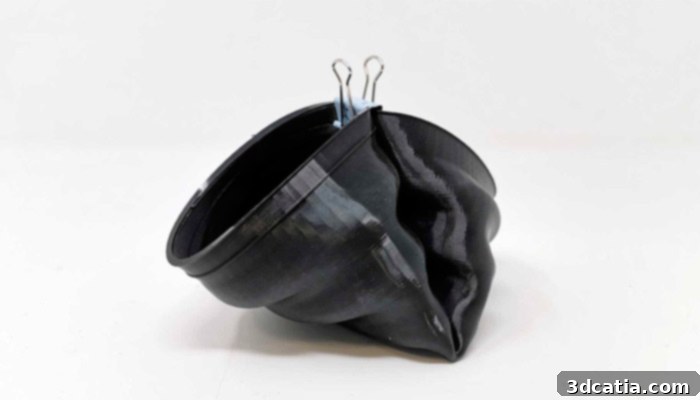
TPU is a versatile flexible material, allowing for the creation of elastic and durable 3D printed components that can withstand impact and bending (photo credits: ALSIMA).
*Thumbnail Photo Credits: AGRU
Choosing the right 3D printer filament is a pivotal decision that directly influences the success, functionality, and durability of your printed objects. From the user-friendly PLA for everyday prototyping to the robust engineering-grade Nylon and PC, and finally to the extreme performance offered by HPPs like PEEK and ULTEM, the array of options is vast and continuously expanding. Understanding the fundamental classification of plastics (amorphous vs. semi-crystalline), their specific properties, and the unique printing challenges associated with each material category is paramount for making informed choices. Whether you prioritize ease of printing, mechanical strength, chemical resistance, flexibility, or high-temperature performance, there’s a filament precisely engineered for your needs. Carefully consider your project’s requirements, your 3D printer’s capabilities (especially its thermal management features), and the desired end-use properties to make an informed choice that will lead to successful and impactful 3D prints. As the additive manufacturing industry evolves, so too do the available materials, offering ever more innovative solutions for designers, engineers, and manufacturers alike to push the boundaries of creation.
Which 3D printer filament do you find most indispensable for your projects, and why? Share your experiences and insights in a comment below or join the conversation on ourFacebook,Twitter andLinkedIn pages! Don’t miss out on the latest advancements and insights in additive manufacturing—sign up for our free weeklyNewsletter here, delivered straight to your inbox!