

Exploring the Culinary Frontier: The Transformative World of 3D Printed Food and Kitchen Innovations
What once resided purely in the realm of science fiction is rapidly transitioning into an exciting reality: the innovative domain of food 3D printing. Over the past few years, this cutting-edge technology has experienced exponential growth, moving beyond experimental labs and into commercial applications. Today, we witness 3D printed food being sold in stores, offered in university settings, and a burgeoning market of specialized 3D printers designed specifically for culinary creation. From savory meats and intricate pasta dishes to delectable desserts and personalized beverages, initiatives blending advanced 3D technologies with gastronomy are becoming increasingly prevalent. These advancements not only unlock possibilities for creating unprecedented complex shapes and original designs but also facilitate the development of innovative recipes tailored to specific dietary needs, nutritional requirements, and even individual preferences. To illuminate this fascinating landscape, we’ve compiled a list of remarkable applications in food 3D printing, encompassing both edible creations and innovative kitchen gadgets. Delve into the list below, presented in no particular order, to discover how additive manufacturing is revolutionizing the culinary world.
Crafting Edible Wonders: Pioneers in Food 3D Printing
Dovetailed Design Studio: Printing Liquids and Fruits with Precision
The journey of 3D printing edible liquids has come a long way. Dovetailed Design Studio, a pioneer in this field, initially captured attention with their ambitious efforts to create 3D printed fruit using a technique known as spherification. This innovative process encapsulates liquids in a delicate membrane, mimicking the burst of flavor found in natural fruits. Building on this foundation, Dovetailed’s “nufood” 3D printer has emerged as a groundbreaking innovation, touted as the world’s first liquid-based 3D printer. This sophisticated device allows for the precise creation of tiny, intense flavor bursts, including an array of fruit-inspired droplets. One of its earliest and most celebrated applications involved combining fruit juice with sodium alginate powder to form distinct, artificial “fruits” that delightful explode with taste. Currently, the company continues to produce these exquisite fruit-flavored droplets, catering to the luxury food sector and adding a unique touch to gourmet cocktails. Dovetailed Design Studio envisions their printer not just as a tool for creation but as a means to infuse a sense of playfulness and culinary joy into the art of cooking, opening doors for unprecedented flavor combinations and presentation styles in both professional kitchens and home environments.
Photo Credits: Dovetailed Design Studio
Barilla’s Innovative Approach to 3D Printed Pasta
Barilla, the globally recognized Italian giant in pasta production, has boldly ventured into the additive manufacturing space, showcasing how traditional culinary arts can embrace futuristic technology. In a landmark collaboration with the Dutch company TNO in 2016, Barilla developed the first 3D printer specifically designed for fresh pasta. This groundbreaking machine has not only allowed them to maintain the high-quality standards synonymous with Barilla products but has also unlocked an unparalleled ability to create pasta in truly unique and intricate shapes that were previously impossible with conventional manufacturing methods. These innovative designs go beyond mere aesthetics, offering new textural experiences and enhanced sauce retention. The company has since progressed significantly, announcing the availability of at least 15 distinct 3D printed pasta models directly through their website. This initiative has garnered attention from the culinary elite, with several renowned chefs reportedly integrating these custom 3D printed pastas into their gourmet kitchen creations, pushing the boundaries of presentation and dining experience. Barilla’s foray into 3D printing exemplifies how even the most established food industries can leverage additive manufacturing to innovate, personalize, and elevate consumer experiences.
The Future of Protein: 3D Printed Meat Innovations
Additive manufacturing has ushered in a new era for meat production, moving beyond mere substitutes to the creation of “real” meat products. While companies like Nova Meat and Redefine Meat have excelled in developing plant-based meat alternatives that closely mimic the texture and taste of traditional meat, the most revolutionary aspect is the ability to 3D print actual cellular meat. This advanced process involves culturing viable animal cells and then precisely depositing them layer by layer to construct meat structures. This cellular agriculture approach holds immense promise for addressing critical challenges associated with conventional factory farming, including ethical concerns, environmental impact, and resource consumption. With the precision and speed offered by additive manufacturing, it’s possible to produce both muscle and fat cells with pinpoint accuracy, paving the way for industrial-scale production of cultivated meat. Furthermore, the collaboration between companies like Meatech and Enough highlights a growing trend towards hybrid products. These innovative offerings combine the benefits of animal cells with plant-based proteins, creating products that appeal to a wider consumer base by balancing flavor, texture, and sustainable sourcing. This convergence of bio-engineering and 3D printing is set to redefine our understanding of meat production and consumption.

Photo credits: Nova Meat
Making Waves: 3D Printed Seafood Alternatives
In the rapidly evolving food 3D printing sector, the Austrian startup Revo Foods has been making significant headlines, especially within the niche of seafood alternatives. Leveraging various plant-based ingredients, Revo Foods is dedicated to 3D printing a range of seafood products, with a particular focus on creating realistic salmon slices. While the company currently offers non-3D printed spreads, their strategic vision heavily relies on the capabilities of additive manufacturing. Revo Foods aims to harness 3D technologies to develop a fully automated production line, enabling the mass production of intricately structured 3D printed salmon in various forms. This approach addresses the growing demand for sustainable and ethical seafood options, mitigating the environmental impact of overfishing and aquaculture. The ability to precisely control the texture, flavor, and nutritional profile of plant-based seafood through 3D printing represents a significant leap forward, offering consumers a convincing and delicious alternative to traditional fish products without compromising on the culinary experience. Their innovation highlights the potential of 3D printing to tackle pressing global food security and sustainability challenges.
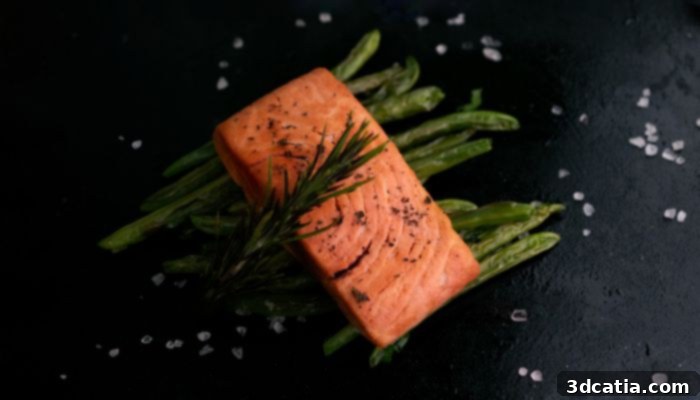
Photo Credits: Revo Foods
Nutrient-Rich Innovation: 3D Printed Snacks from Seaweed
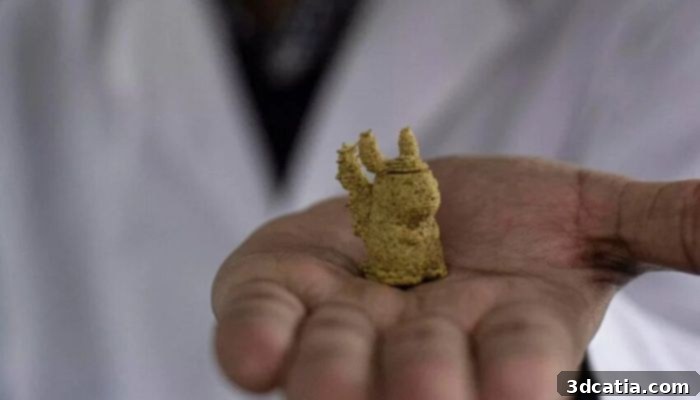
Chilean nutrition experts have pioneered an exciting application of additive manufacturing by developing nutrient-dense foods derived from algae. These innovative snacks are not only visually appealing, thanks to the precision of 3D printing, but are also packed with essential nutrients. The primary ingredient for these creations is Cochayuyo algae, a local Chilean plant renowned for being an excellent source of plant protein. The versatility of 3D printing has allowed the project teams to develop edible figurines in attractive and familiar shapes, specifically designed to capture children’s interest. The strategic goal behind this playful presentation is to encourage children to consume more plant-based proteins, addressing dietary needs and promoting healthier eating habits from a young age. While the specific 3D printing technology employed was not detailed, the experts highlighted its efficiency, proudly stating their ability to print a fully edible figurine in a mere seven minutes. This initiative underscores the potential of 3D printing to make nutritious foods more palatable and engaging, particularly for demographics that might otherwise be resistant to new dietary inclusions.
Fine Dining Reimagined: Restaurants Serving 3D Printed Meals
It’s becoming increasingly evident that 3D printing is destined to play a pivotal and growing role in various aspects of our lives, and the culinary world is no exception. The rapid pace of new developments in the food sector driven by this technology serves as a compelling testament to its impact. 3D printed food brings all the inherent advantages of additive manufacturing – such as unparalleled customization, intricate geometric precision, and material efficiency – directly to the gastronomic sphere. Consequently, a growing number of forward-thinking chefs and restaurateurs worldwide are integrating this technology into their kitchens. While the investment in a professional food 3D printer can be substantial, making it an expensive venture for many establishments, others are strategically adopting it. For some, 3D printing serves as a powerful magnet to attract curious consumers seeking novel dining experiences, as exemplified by Michelin-starred establishments like Cocina Hermanos Torres. These restaurants leverage the technology to create visually stunning, architecturally complex dishes that offer unique textural sensations, elevating the entire dining experience into an art form. The use of 3D printers allows for a level of artistry and precision in plating that traditional methods simply cannot match, marking a significant evolution in fine dining.
The Art of Confectionery: 3D Printed Chocolate Takes Center Stage
The allure of 3D printed chocolate is undeniable and rapidly gaining widespread popularity. Numerous companies are now specializing in creating bespoke chocolate designs using additive manufacturing, while academic institutions are actively engaged in research to achieve the “perfect crunchy chocolate” through advanced techniques like topological optimization. This involves designing internal structures at a microscopic level to control texture and mouthfeel. Master chocolatiers are at the forefront of this revolution, seamlessly blending traditional chocolate-making artistry with cutting-edge additive manufacturing technologies. This fusion allows them to develop diverse ranges of chocolates that boast not only unique, intricate shapes but also exclusive, finely tuned flavors. One prominent example is Mona Lisa 3D Studio, a company that transforms client designs or creations into stunning, edible chocolate sculptures. 3D printing significantly streamlines the production process by eliminating several conventional steps, such as laborious mold design, costly mold making, and extensive mold testing, thereby accelerating innovation and customization in the confectionery industry. This technological integration is propelling chocolate artistry into a new digital age, promising boundless creativity and personalized indulgence.
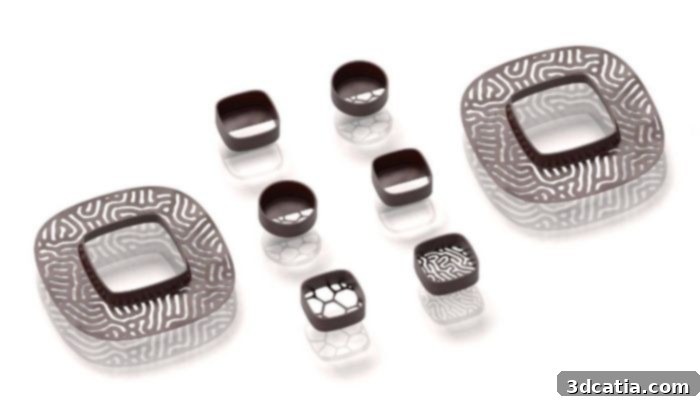
3D printing skips processing steps, such as mold design, mold making and mold testing (photo credits: Mona Lisa 3D Studio)
Innovative Sips: 3D Printed Beverages and Cocktails
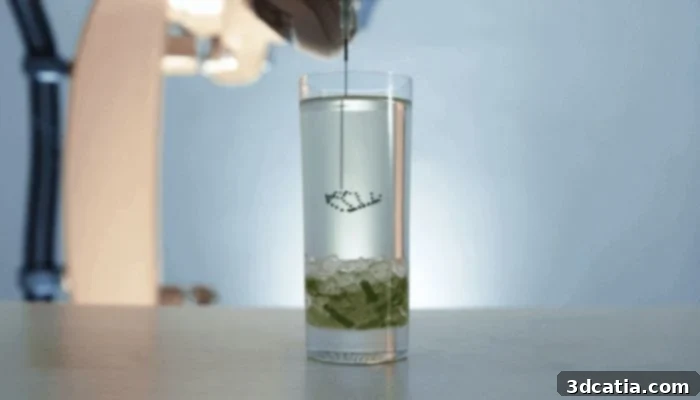
Beyond solid foods, 3D printing has also made a dramatic entrance into the beverage market, offering consumers entirely new ways to experience drinks. The sheer abundance of possibilities unlocked by 3D printing has inspired beverage companies to innovate with remarkable creativity, turning printed drinks into a captivating new trend. Imagine “smart energy drinks” featuring 3D polycapsules nestled at the bottom of biodegradable cups; these capsules are activated upon the addition of water, releasing precisely formulated ingredients. Even more visually striking are instances of intricate 3D artwork crafted directly inside a glass filled with a cocktail, transforming a simple drink into a miniature, edible sculpture. The options are genuinely endless, from personalized drink garnishes to customized flavor profiles and even molecular gastronomy experiments that alter the texture and presentation of liquids. As additive manufacturing continues its debut in the beverage industry, barely scratching the surface of its immense potential, we can anticipate a continuous stream of new and exciting projects that will revolutionize how we conceive, create, and consume our drinks.
Confectionary Masterpieces: Cakes Made Using 3D Printing
Just as with chocolate, the realm of desserts has been profoundly transformed by the adoption of additive manufacturing, much to the delight of those with a sweet tooth. 3D printed cakes are not only visually stunning but can also deliver an exceptional taste experience. The precision of 3D printing enables confectioners to reproduce incredibly intricate designs with flawless accuracy. For instance, renowned pastry chef Nina Métayer masterfully decorated a cake with a perfect reproduction of the rose window of Notre Dame de Paris, a feat of delicate artistry made possible by 3D printing. The technology also facilitates the creation of complex structural desserts. Chef Francisco Migoya demonstrated this by flawlessly conjuring a Mont Blanc in cake form. His creation ingeniously utilized milk chocolate, marron glacé pieces, crispy meringues, heavy freeze-dried cream, and a crumbled vanilla cookie crust. To cap off this culinary marvel, a 3D model of the famous Mont Blanc mountain itself was printed, serving as both inspiration and a dramatic decorative element. Such applications showcase how 3D printing empowers chefs to push the boundaries of dessert design, offering both aesthetic beauty and structural complexity previously unattainable.
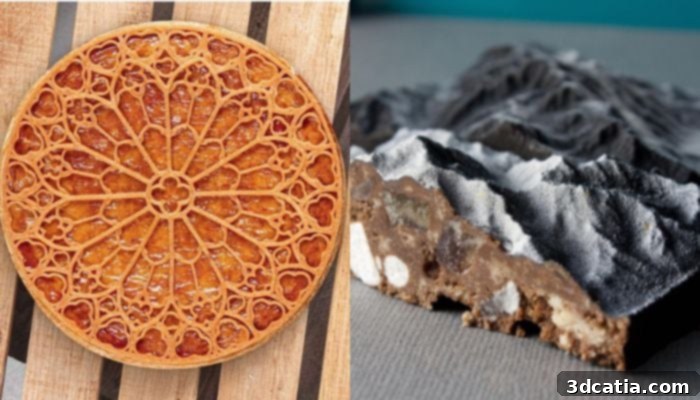
Sustainable Innovations: 3D Printed Kitchenware and Waste Solutions
UAUProject: Sustainable Kitchenware for the Modern Home
Beyond edible creations, 3D printing is also making significant strides in the realm of kitchenware, particularly with a strong emphasis on sustainability. Hailing from a design studio in Warsaw, Poland, UAUProject is a pioneering initiative committed to zero waste and zero emissions in its manufacturing processes. Their core philosophy centers on environmental responsibility. UAUProject produces a range of customizable and personalized kitchen utensils using 3D printing technology, exclusively utilizing plant-based bioplastics such as PLA. These materials are not only fully recyclable but also industrially compostable, significantly reducing their environmental footprint. To further counteract issues like overproduction and unnecessary resource depletion, UAUProject has adopted a production-to-order model. This strategic approach ensures that products are only manufactured when a specific demand exists, allowing the company to operate with heightened sustainability and minimize waste throughout its supply chain. Their innovative model offers consumers a responsible way to acquire unique, functional, and eco-friendly kitchen tools, perfectly aligning with modern demands for sustainable living.
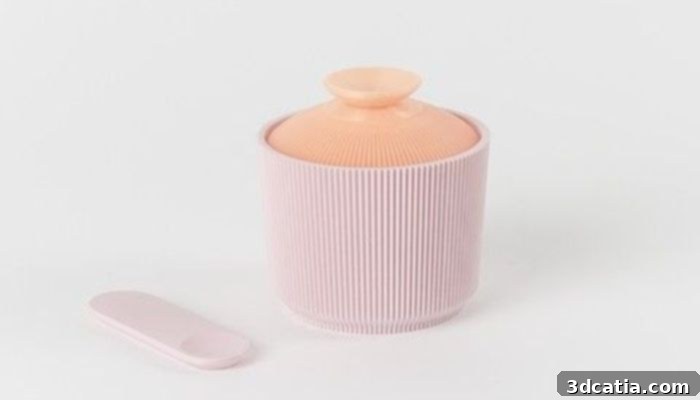
Photo Credits: UAUProject
From Plate to Print: Turning Food Waste into Cutlery and Tableware
The application of 3D printing extends powerfully into the circular economy within the gastronomic field, offering innovative solutions for food waste. While it might seem unconventional, numerous projects are dedicated to repurposing food waste through 3D printing, giving these discarded materials a valuable second life. Companies like Upprinting Food, based in the Netherlands, exemplify this approach by transforming edible food waste into sustainable and uniquely designed culinary creations. They take leftover fruits, vegetables, and other food scraps, process them into a printable paste, and then 3D print them into new, visually appealing, and nutritious food items. Beyond edible applications, other initiatives are using food leftovers to create everyday objects. For instance, the Barbara Gollackner studio launched “Wasteware,” an original line of 3D printed tableware crafted from industrial food waste. This collection includes plates, cutlery, and bowls, demonstrating a creative and practical pathway for recycling and promoting a circular economy. These initiatives not only reduce landfill waste but also highlight the immense potential of upcycling and additive manufacturing to create beautiful, functional products from materials traditionally considered disposable.
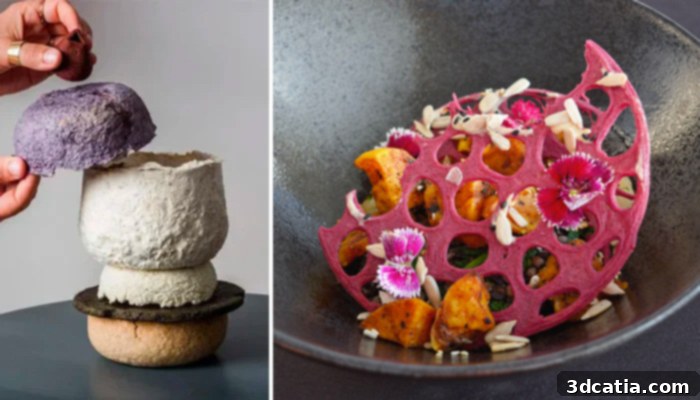
On the right, a plate made by the startup Upprinting Food. On the left, part of the Wasteware tableware.
Clay Pantry: 3D Printed Objects to Preserve Your Food Naturally
Ensuring the proper preservation of fruits and vegetables at home can often be a challenge, frequently leading to unfortunate food waste from overripe or rotten produce. To combat this common issue, designer Lea Randebrock conceived the ingenious “Clay Pantry” collection. This series features aesthetically pleasing and highly functional 3D printed objects crafted from clay, specifically designed to extend the freshness of food. The innovative design incorporates a clever natural cooling mechanism: the clay objects are designed to be watered, much like plants. As clay is a porous material, the water slowly evaporates from its surface, creating a cooling effect within the container. This natural evaporative cooling helps maintain a lower temperature and higher humidity environment, significantly slowing down the spoilage process for fruits and vegetables stored inside. The Clay Pantry collection comprises various pieces, thoughtfully designed to integrate seamlessly into both smaller and larger living spaces, offering a sustainable and effective solution for household food preservation without relying on electricity.
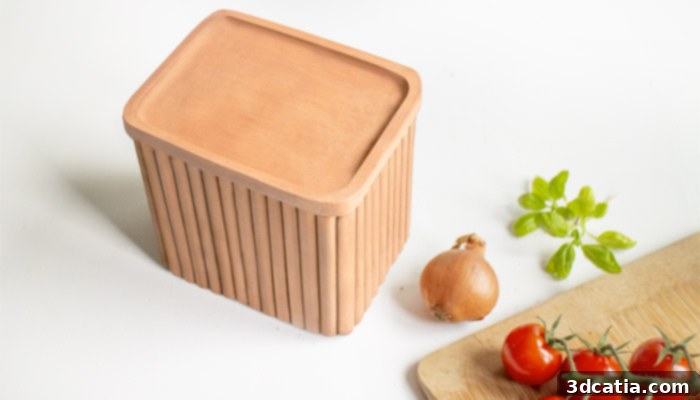
The landscape of food 3D printing is undeniably dynamic and brimming with potential, constantly pushing the boundaries of what’s possible in the culinary and gastronomic spheres. From personalized nutrition and sustainable protein alternatives to exquisite dining experiences and innovative waste reduction solutions, additive manufacturing is redefining our relationship with food. What are your thoughts on these groundbreaking applications of 3D printing in food? Do you envision incorporating these technologies into your own kitchen or dining habits in the future? Share your perspectives and insights in a comment below or join the conversation on our LinkedIn, Facebook, and Twitter pages! For the very latest updates and pioneering stories in the world of 3D printing, don’t forget to sign up for our free weekly Newsletter here, delivered straight to your inbox. Additionally, you can explore all our engaging videos and in-depth content on our YouTube channel, where innovation comes to life!