
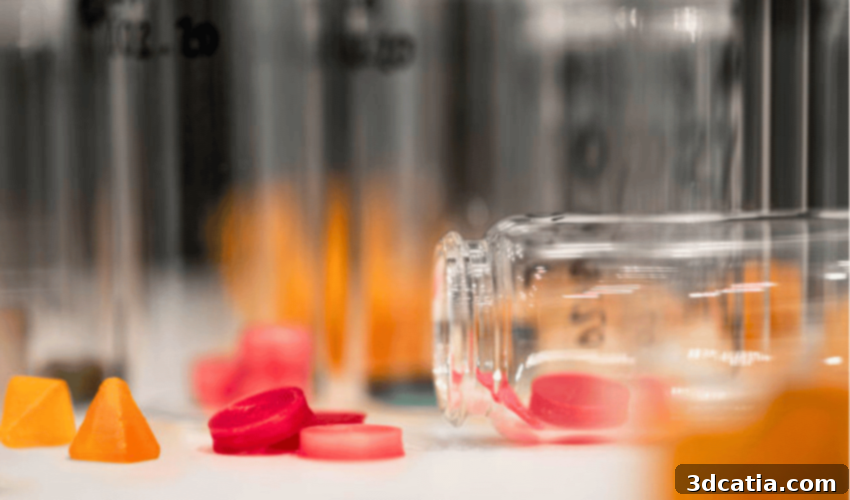
Revolutionizing Healthcare: goatAM Pioneers Personalized 3D Printed Pills for the Pharmaceutical Sector
The ambition to fundamentally reinvent 3D printing for the pharmaceutical sector is at the very core of goatAM’s mission. Drawing upon extensive research expertise and a deep understanding of advanced manufacturing, the company’s visionary founders are actively developing groundbreaking solutions aimed at the precise and efficient production of truly personalized medicines. Prominently featured among these innovations are advanced 3D-printed pills, meticulously tailored to individual patient needs. Through this innovative and patient-centric approach, goatAM is poised to transform global access to tailored treatments, placing individual patients firmly at the heart of their care journey. This endeavor also plays a crucial role in democratizing the intricate technology of 3D printing itself, making advanced drug manufacturing more accessible, flexible, and adaptable for a new era of healthcare. We recently engaged in a detailed discussion with the startup’s leadership, Tilmann Spitz and Fabian Loose, to gain deeper insights into their compelling vision, the sophisticated technologies they employ, and the inherent challenges that come with pioneering the 3D printing of pharmaceutical products on such a transformative scale.
The Genesis of goatAM: A Journey into Pharmaceutical 3D Printing Innovation
We are Tilmann Spitz, CEO and co-founder, and Fabian Loose, CTO and co-founder of goatAM. Our foundational journey began as mechanical engineers, both having received our training at the esteemed Technical University of Cologne. It was within the innovative environment of the university’s Production Systems Laboratory that we first immersed ourselves in extensive research, exploring the cutting edge of manufacturing. During this period, we were introduced to the transformative potential of 3D printing, also known as additive manufacturing, and quickly embarked on developing highly specialized systems and novel techniques. Initially, our focus was primarily on demanding industrial applications, pushing the boundaries of what was possible in manufacturing efficiency and complexity. Our early work encompassed projects involving sophisticated 6-axis 3D printers, pioneering large-format polymer foam printing, and developing cutting-edge AI-assisted analysis tools specifically designed for plastics processing, demonstrating our broad expertise in advanced manufacturing techniques and material science.

The goatAM team. Left: Fabian Loose; right: Tilmann Spitz. (Photo credit : goatAm)
The official inception of goatAM itself followed the successful culmination of several significant university projects, marking a pivotal transition from academic research to commercial innovation. A particularly critical moment occurred in 2018 when Heinrich Heine University in Düsseldorf approached us with an intriguing proposition: to explore the application of 3D printing specifically for personalized medicines. Although our core expertise at that time was deeply rooted in mechanical engineering principles and industrial applications, we quickly found ourselves captivated by the immense potential and critical importance of this burgeoning field. This initial collaboration blossomed into two distinct and highly impactful projects. The first focused on the precise 3D printing of single-dose pills utilizing a screw extruder, envisioned primarily for centralized pharmaceutical production environments. The second, however, adopted an FDM-based approach, specifically tailored for decentralized manufacturing within local pharmacies, bringing drug production closer to the individual patient. It was the remarkable success of this second project, undertaken in close collaboration with Heinrich Heine University and the global science and technology company Merck KGaA, that garnered substantial interest from the pharmaceutical industry and the broader scientific community. This overwhelming positive reception ultimately paved the way for the official creation of goatAM and the subsequent commercialization of our innovative technology, setting us on a path to redefine drug delivery and patient care.
Advanced Technologies and Biocompatible Materials for 3D-Printed Pills
The landscape of 3D printing for personalized medicines is incredibly diverse, encompassing a variety of advanced technologies such as material jetting, DMLS, FDM, and SLS. While many conventional FDM machines typically rely on continuous filament spools, goatAM has engineered a unique and highly specialized system specifically for pharmaceutical applications. We have developed proprietary cartridges where the pharmaceutical-grade materials, already precisely mixed with the active therapeutic ingredient, are securely stored in a stable, controlled environment. These innovative cartridges are then seamlessly integrated directly into the printing process, ensuring sterility, consistency, and preventing any degradation of the active pharmaceutical ingredient (API), which are paramount concerns in drug manufacturing.

The company’s 3D pill printer (Photo credit: goatAM)
The specialized materials utilized in our process are meticulously produced using a pharmaceutical screw extruder, a method analogous to how common polymers such as ABS or PLA are processed in the broader additive manufacturing industry. However, a critical distinction lies in the composition of our polymers: they are specifically engineered to be safely mixed with active pharmaceutical substances and are designed to be biocompatible, allowing them to be safely metabolized by the human body without adverse effects or residual toxicity. Each polymer is rigorously selected and thoroughly tested to prevent any undesirable reactions with the active ingredient, ensuring drug stability, efficacy, and patient safety. A widely recognized example frequently employed in pharmaceutical research is Evonik’s Eudragit, though it’s important to note that even this advanced polymer is not universally compatible with all active substances, necessitating a broad and ongoing material development strategy to maximize therapeutic versatility.
In a significant collaborative project, involving the Technical University of Cologne, Heinrich Heine University in Düsseldorf, and Merck, the latter played a crucial role in developing an innovative polymer specifically designed for broad compatibility with a wide spectrum of active pharmaceutical ingredients. This breakthrough was essential for expanding the potential applications of 3D-printed medicines across various therapeutic areas. Furthermore, recognizing that some active compounds cannot be reliably converted into a stable solid form suitable for FDM printing due to their chemical properties or stability issues, we have innovatively expanded our system’s capabilities. Our technology now includes the processing of semi-solids, which significantly broadens the diversity of therapeutic substances that can be processed and delivered through our advanced 3D printing platform. This capability opens new avenues for complex drug formulations, enabling the creation of personalized treatments for an even wider range of medical conditions, thereby enhancing the scope of personalized medicine.
Advantages of goatAM’s 3D Pill Printer and its Transformative Impact on Patient Care
The adoption of 3D-printed pills offers profound advantages that significantly surpass those of conventional tablet manufacturing. One of the most compelling benefits is the ability to achieve precise, customized dosing without any alteration to the material integrity, directly tailoring medication to individual patient needs based on factors like weight, age, or specific metabolic rates. Beyond just dosage, this technology provides unprecedented control over the release profile of the active ingredient. By meticulously adjusting the surface-to-volume ratio of the pill, the absorption rate can be finely tuned, allowing for anything from immediate release to sustained, extended release over many hours. A larger surface area typically facilitates a more rapid release of the substance, while a smaller surface area can be designed for prolonged therapeutic effects. Another remarkable feature is the capacity to combine multiple active ingredients within a single, multi-layered pill. This innovation substantially reduces the total number of tablets a patient needs to consume daily, a benefit that dramatically improves both comfort and adherence to complex treatment regimens, particularly for older patients or those managing multiple chronic conditions, simplifying their daily medication routine significantly.
Our advanced 3D printing system further distinguishes itself through its unique capability for direct deployment at the point of care, such as within hospital pharmacies, specialized clinics, or even local community pharmacies. To make this a practical reality in demanding clinical environments, we meticulously developed an optimized cleaning process that drastically minimizes downtime during material changes, a critical factor for maintaining operational efficiency and preventing cross-contamination. This not only enhances workflow but also makes the integration of our technology into busy pharmacy environments far more cost-effective and practical. Furthermore, our printer incorporates a unique, AI-based quality control system, representing a significant leap in pharmaceutical manufacturing assurance. Leveraging an array of sophisticated sensors and real-time monitoring, this system continuously evaluates whether each individual tablet meets the stringent required specifications for dosage, shape, and integrity. Should any deviation be detected, the printing parameters are automatically and dynamically adjusted on the fly, guaranteeing that every single final product consistently adheres to the highest quality and safety standards, providing unparalleled assurance in personalized medication delivery.
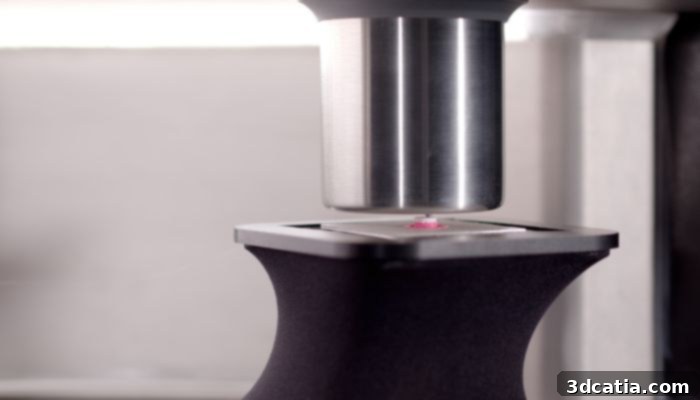
3D printing of a pill. (Photo credit: goatAM)
While the widespread deployment of our printing systems in community pharmacies for everyday use is a future goal requiring further regulatory approvals and logistical groundwork, their immediate applications are already poised for significant impact. In the short term, these systems will prove invaluable for accelerated drug development, facilitating more efficient clinical trials by enabling rapid production of various dose strengths for testing, and enhancing capabilities within hospital settings for urgent, patient-specific needs. Their applications within pediatrics and oncology are particularly promising and transformative. In pediatric care, where a child’s metabolism undergoes rapid and continuous changes, and precise dosing is often critical yet challenging, the flexible production of small, precisely personalized batches of medication is not just beneficial, but often absolutely essential for effective and safe treatment. Similarly, in oncology, where the therapeutic window can be very narrow and drug toxicity is a major concern, even slight variations in drug dosage can profoundly impact treatment effectiveness, patient recovery outcomes, and overall quality of life. Our technology empowers healthcare providers to deliver exact dosages, optimizing treatment for these vulnerable patient populations while minimizing side effects.
Current Milestones and Exciting Collaborative Projects at goatAM
At goatAM, our current efforts are intensely focused on refining our existing prototype, which has already demonstrated validated performance in rigorous laboratory settings. Our immediate objective is to transition this robust prototype into a fully market-ready product. This involves a strategic reduction in its physical size to create a compact, efficient desktop device, making it suitable for a wider range of clinical and pharmaceutical environments, from small pharmacies to large hospital labs. Simultaneously, we are meticulously optimizing its usability, ensuring it can be seamlessly integrated into the demanding daily routines of pharmacists and medical technicians with minimal training and maximum efficiency. On the design and engineering front, we are diligently refining every subassembly to enable highly cost-effective series production, paving the way for broader accessibility and commercial viability. Concurrently, we are strategically developing our comprehensive marketing and distribution strategy while actively identifying key customers eager to test and provide invaluable feedback for further improving our systems in real-world applications. Furthermore, we are forging new collaborations with partners and suppliers, particularly those specializing in the development of innovative filaments containing diverse active pharmaceutical ingredients, with the ambitious goal of significantly expanding our range of 3D-printed medicines in the foreseeable future, covering more therapeutic classes and patient needs.
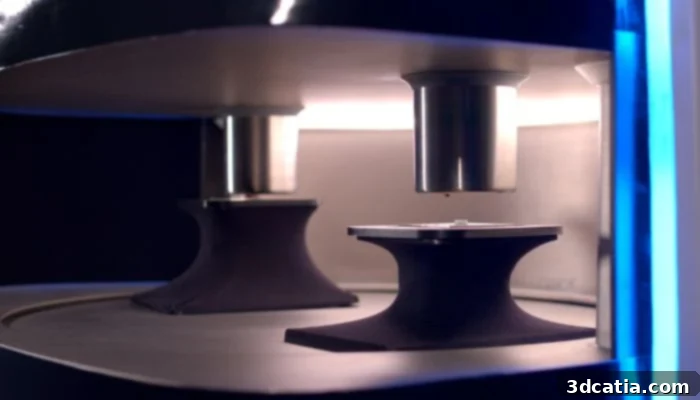
Materials used by goatAM for personalized medicine. (Photo credit: goatAM)
One of our most exciting and impactful projects was the opportunity to be an integral part of a consortium alongside Heinrich Heine University in Düsseldorf and Merck KGaA. This extensive research initiative was generously funded by the Federal Ministry of Education and Research, enabling a truly comprehensive and synergistic approach to pharmaceutical 3D printing. This unique collaboration allowed us to effectively cover almost the entire intricate production chain, from raw material to finished product. While Merck focused their expertise on developing highly specialized polymers specifically engineered for pharmaceutical 3D printing with optimal biocompatibility and drug interaction, and Heinrich Heine University meticulously integrated the active ingredients into these advanced polymers, our dedicated goatAM team concentrated on designing and developing the sophisticated printer capable of precisely processing these novel materials into patient-specific dosages. This synchronized setup facilitated perfect coordination and seamless integration at every critical stage of the development process, resulting in a cohesive and efficient ecosystem for personalized drug manufacturing.
Beyond technological development, we are also actively participating in several crucial working groups dedicated to exploring the complex challenge of assessing the true value of a 3D-printed tablet within the broader healthcare economy. Given the multitude of significant advantages this innovative technology offers when compared to traditional, mass-production manufacturing methods, these inherent benefits must be accurately reflected and quantified within a comprehensive cost model. For instance, substantial savings in patient recovery time, a reduction in the need for costly secondary treatments often caused by adverse side effects from non-optimized mass-produced medications, or even dramatically improved patient adherence due to simplified regimens can collectively justify a higher unit price for such highly personalized tablets. This economic validation is key to widespread adoption and successful integration into existing healthcare reimbursement structures, ensuring that the benefits of personalized medicine are recognized and financially supported.
Addressing Key Challenges and Revolutionizing the Healthcare System with Personalized Medicines
Our developmental efforts at goatAM have been primarily concentrated on overcoming three pivotal challenges inherent in 3D printing pharmaceuticals: the stringent requirements related to the active pharmaceutical ingredient (API) itself, ensuring the absolute ease and thoroughness of machine cleaning, and maintaining meticulous quality control throughout the entire production process. In the realm of conventional industrial 3D printing, it is widely acknowledged that each material presents its own unique set of processing challenges, particularly concerning temperature and flow properties. In our specialized pharmaceutical context, it is critically important to carefully control the temperatures to which the active agent is exposed during printing, as well as the precise duration it remains in a molten state. This meticulous control is absolutely essential to prevent any thermal degradation of the API, which could compromise its efficacy, stability, and ultimately, patient safety.
Equally paramount in pharmaceutical manufacturing is the effective and thorough cleaning of the printing system. It is an non-negotiable regulatory requirement that no traces of active substance from previous production runs remain, to entirely eliminate the risk of cross-contamination – a paramount concern in drug manufacturing. Consequently, the cleaning process needs to be not only incredibly thorough and robust but also highly efficient, minimizing downtime and maximizing throughput. Designing and implementing such a validated, automated cleaning protocol that meets strict pharmaceutical standards has presented a significant engineering challenge, which we have successfully addressed through innovative hardware and software design. Finally, it is absolutely vital to guarantee that each individual tablet contains the precise and accurate amount of active ingredient specified for the patient, ensuring therapeutic consistency. To achieve this unparalleled level of precision, we have integrated an array of sophisticated sensors, including highly accurate weighing cells, directly into our system. These sensors work in concert to automatically monitor and adjust process parameters in real time, ensuring that every single tablet produced consistently meets the most rigorous quality and dosage specifications, providing unparalleled confidence in the final product.
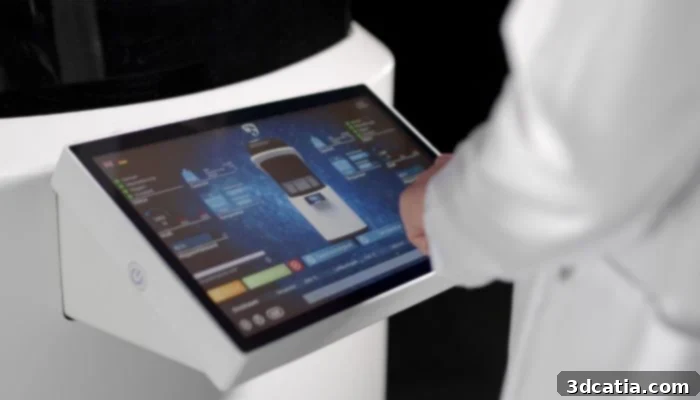
Advanced quality control mechanisms in goatAM’s 3D printer. (Photo credit: goatAM)
Personalized medicine unquestionably represents the inevitable future of patient care. Some leading major pharmaceutical companies are even projecting that by the year 2030, virtually all new therapies introduced will be meticulously designed to be individualized, reflecting a profound shift in the industry paradigm from a one-size-fits-all approach to precision treatment. However, these highly effective individualized therapies, no matter how scientifically advanced, can only deliver their full potential benefits if they can be distributed and administered in a cost-effective and scalable manner. Current pharmaceutical production systems, which are inherently designed to manufacture hundreds of thousands, if not millions, of identical tablets at once, are simply not suited to the nuanced requirements of individualization and flexible batch sizes. Presently, the only viable alternative for personalized compounding is manual drug preparation, a method that is not only prohibitively costly but also extremely difficult to deploy on a large scale due to a critical lack of qualified personnel, inherent human variability, and inconsistent quality control.
Our pioneering 3D printing system offers a clear, elegant, and revolutionary solution to this pressing dilemma: the simple, efficient, and cost-effective production of highly personalized medicines, precisely where and when they are needed. We envision our technology as a true gateway to a new era of healthcare – an indispensable tool that empowers doctors, pharmacists, and medical technicians alike. It provides them with the capability to develop innovative new therapies and, more importantly, to consistently provide every single patient with the uniquely personalized care and tailored medication regimens they not only deserve but critically require for optimal health outcomes. This represents a fundamental paradigm shift from mass production to precision medicine, making advanced, individualized treatment accessible to all, improving health equity and overall patient well-being.
goatAM’s Long-Term Vision: A Future of Ubiquitous Personalized Treatment
As we have previously highlighted, our immediate strategic focus is on the meticulous optimization of our prototype, with the clear objective of transforming it into a fully market-ready product within the next year. Following this crucial phase of validation and refinement, we intend to bring our innovative system to market within an ambitious 18-month timeframe. Our initial rollout strategy will center on Europe, a key market with progressive healthcare regulations, while simultaneously maintaining a vigilant eye on crucial global markets, particularly the United States and various regions across Asia, which represent significant strategic targets for our long-term growth and impact. In the initial stages of market penetration, our advanced system will primarily be adopted and utilized by leading research institutes, forward-thinking pharmaceutical companies engaged in drug development, and specialized hospital pharmacies, laying the groundwork for broader acceptance and regulatory pathways.
Looking ahead approximately five years, our aspiration is to achieve widespread adoption within compounding and community pharmacies, making personalized medicine truly accessible at the local level for everyday patient needs. By that pivotal time, we plan to release a second, even more advanced version of our system, incorporating further technological enhancements, improved usability, and expanded material compatibility. Concurrently, we will actively explore and develop additional areas of application, significantly expanding the utility of our 3D printing platform beyond traditional pharmaceuticals. These promising new markets include the production of personalized dietary supplements, meticulously tailored to individual nutritional needs and genetic profiles, and the integration into traditional medicine practices in Asia, both of which represent highly promising and expansive markets for personalized manufacturing solutions. This continuous innovation reflects our unwavering commitment to holistic healthcare transformation and addressing diverse wellness needs globally.
In the future, goatAM also hopes to conquer the Asian and American markets. (Photo credit: goatAM)
Our ultimate dream, the driving force behind all our endeavors, is to one day make personalized treatments universally available to every patient through the ubiquitous presence of 3D-printed tablets. In this envisioned future, our state-of-the-art printing system would be readily accessible in virtually every local pharmacy, integrated seamlessly into existing healthcare infrastructure. Imagine a scenario where, upon feeling unwell, a patient visits their doctor, who, after a simple metabolic test or review of their health data, can precisely analyze their unique physiological profile. The doctor would then prescribe the exact medication and optimal dosage, meticulously tailored to that individual’s needs, potentially adjusting for genetic predispositions or co-existing conditions. Patients could then take this personalized digital prescription to the pharmacy of their choice, where the pharmacist would effortlessly insert the necessary pre-mixed material cartridges into the printer, upload the digital prescription data, and initiate the rapid, on-demand printing process. Within just a few minutes, the bespoke medicine would be ready for pickup, potentially allowing patients to leave with their personalized tablets immediately after their consultation, significantly streamlining the treatment pathway. To transform this grand vision into a tangible reality, goatAM is not solely focused on developing advanced 3D printers; we are also actively collaborating with major pharmaceutical companies to ensure a steady supply of the required high-quality, pre-formulated materials and are committed to supporting pharmacies in developing and implementing personalized formulations, fostering a complete ecosystem for individualized drug delivery and truly patient-centric care.
It is an undeniable reality that the pharmaceutical sector, by its very nature, tends to be highly conservative and meticulously regulated. This inherent conservatism frequently creates significant obstacles, particularly when introducing truly novel technologies and transformative production methods such as ours, requiring extensive validation and regulatory approvals. Furthermore, the development of sophisticated hardware, especially in a medical context where precision and reliability are paramount, is inherently a long, capital-intensive, and complex process, demanding significant resources and patience. Therefore, our main priority right now is to strategically identify and secure visionary investors and dedicated partners who are prepared to join us on this exciting, yet challenging, journey towards a healthier, more personalized future. We are especially seeking individuals and organizations with the foresight and interest to apply our groundbreaking technology to other critical fields, such as veterinary medicine, addressing the unique needs of animal health, or even the highly innovative production of active medical implants, opening up entirely new therapeutic possibilities for both humans and animals. We earnestly hope to complete our current fundraising round soon, allowing us to fully concentrate our efforts and resources entirely on accelerated development and a successful commercial launch, bringing personalized medicine closer to patients worldwide. To learn more about goatAM and our pioneering work, please click HERE.
We invite you to share your thoughts on goatAM’s groundbreaking customized 3D printing of pills. What impact do you foresee this technology having on personalized medicine and healthcare? Let us know in a comment below or engage with us on our LinkedIn or Facebook pages! Additionally, ensure you don’t miss out on the latest advancements in additive manufacturing by signing up for our free weekly Newsletter, delivering essential 3D printing news directly to your inbox. All our informative videos are also available for viewing on our YouTube channel. For those interested in more specialized medical and dental 3D printing news, we encourage you to visit our dedicated page HERE.
*Cover photo credits: goatAM