
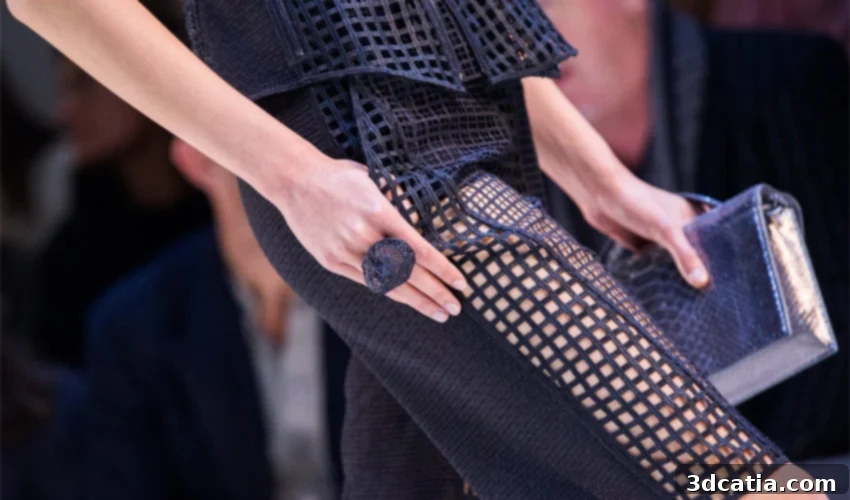
Revolutionizing Luxury: How VOJD Studios Leverages 3D Printing for Bespoke Fashion and Jewelry
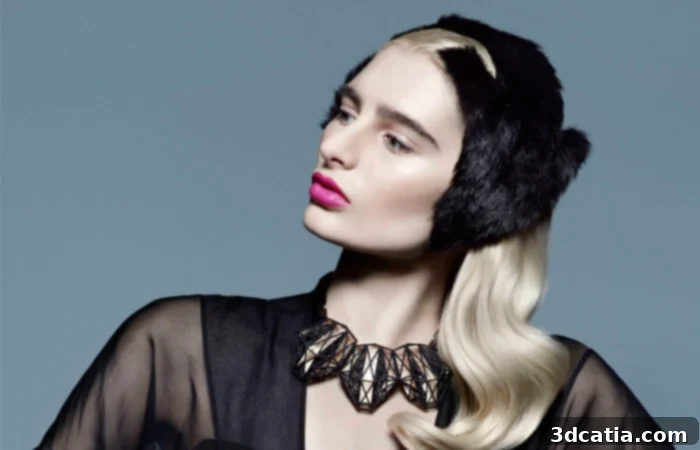
Additive manufacturing, widely recognized as 3D printing, is fundamentally transforming various industries by enabling an unprecedented degree of customization and design complexity. These capabilities are often difficult, if not impossible, to achieve with traditional production methods. While the advantages of 3D printing are particularly evident in the medical sector, facilitating patient-specific implants and prosthetics, its revolutionary impact is also profoundly felt in the luxury market. Industries such as jewelry and fashion, where consumers increasingly seek unique, personalized products, are undergoing a significant paradigm shift. This shift is precisely what VOJD Studios, an innovative Berlin-based design and manufacturing studio, has masterfully leveraged. They create exquisite 3D printed jewelry and accessories specifically for the discerning luxury and high-fashion sectors. Established in 2013, VOJD Studios has rapidly risen as a leader, collaborating with prestigious brands like LOEWE and Alexander McQueen, and delivering sophisticated, high-end solutions meticulously designed and produced using state-of-the-art 3D technologies. To gain deeper insights into their innovative approach, the advanced technologies they utilize, their unique creative process, and their vision for the evolving market, we had the privilege of interviewing VOJD Studios’ co-founder, Christian Hartung.
Introduction to VOJD Studios and Christian Hartung’s Vision
“I am Christian Hartung, co-founder of VOJD Studios,” Christian began, introducing himself and the company’s core identity. “VOJD Studios currently stands as the sole high-end 3D printing company entirely focused on serving the luxury fashion industry. Our commitment goes beyond simply manufacturing; we offer a comprehensive, full-service solution. This encompasses initial strategic consulting on material suitability, optimal finishing techniques, and the most appropriate technology for a given project. Following this, we handle meticulous design and development, rapid prototyping, precision manufacturing, and finally, exquisite hand-finishing. This integrated, end-to-end service ensures that our luxury brand partners receive not just a product, but a complete, seamlessly executed solution that consistently meets their exceptionally high standards for quality and innovation.”
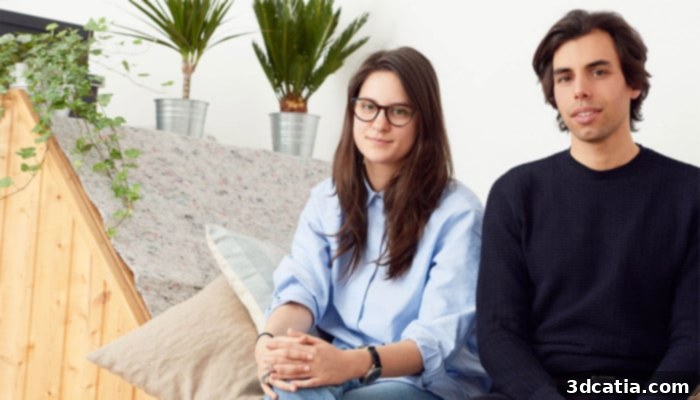
The founders of VOJD Studios
Before co-founding VOJD Studios, Christian Hartung gained invaluable experience in the design and fashion e-commerce sectors, collaborating with some of the most influential global players. This period provided him with profound insights, particularly into the complex dynamics of the fashion supply chain. Through careful observation, he identified several critical inefficiencies and noted significant emerging consumer trends that would later become the foundational impetus for VOJD Studios’ unique business model.
Christian’s key observations during his previous roles can be detailed as follows:
- **Dominance of Mass Manufacturing Amidst Rising Demand for Personalization:** The traditional fashion industry operated predominantly on a mass manufacturing model, prioritizing economies of scale. This approach inherently offered limited customization options, clashing directly with an escalating consumer demand for personalized and unique products. Modern buyers were increasingly seeking items that reflected their individual style, values, and identity, a need largely unaddressed by conventional, standardized production lines.
- **Significant Capital Tie-up Due to Pre-Manufacturing:** Fashion collections were typically manufactured many months ahead of the actual retail sales season. This lengthy production cycle was based on demand projections, which were inherently prone to inaccuracies. Such a system necessitated substantial capital being tied up in unsold inventory, creating significant financial risk and reducing cash flow for brands.
- **Inaccurate Demand Projections Leading to Heavy Discounting:** A pervasive problem was the frequent disparity between forecasted demand and actual consumer purchases. When sales did not meet projections, considerable portions of seasonal collections remained unsold. To mitigate financial losses and clear excess stock, heavy discounting became a commonplace and often unavoidable practice. This not only eroded profit margins but also risked diluting the perceived value and exclusivity of luxury brands.
These critical insights underscored a significant void in the market: the conventional fashion supply chain was ill-equipped to adapt to the burgeoning desire for customization and the imperative for more agile, responsive manufacturing. The existing model was characterized by rigidity, potential waste, and inherent financial risks, especially in a rapidly evolving and consumer-centric landscape.
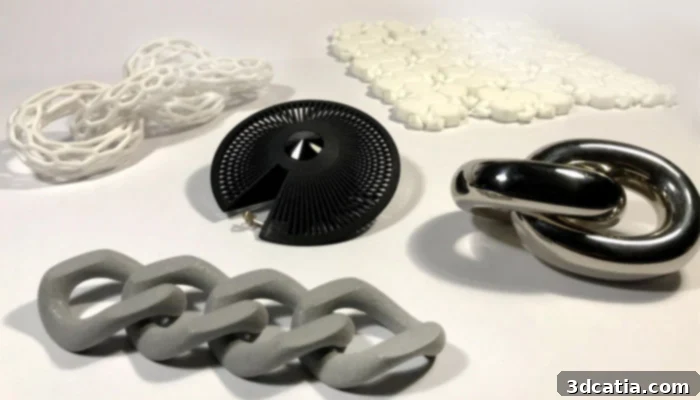
A pivotal moment for Christian arrived when a friend was actively involved in developing a desktop 3D printer. Witnessing the technological capabilities of this nascent innovation firsthand proved to be a revelation. Christian immediately recognized the immense potential of 3D printing, not merely as a niche tool, but as a revolutionary solution for on-demand manufacturing within the fashion and design sectors. This direct exposure to additive manufacturing ignited the foundational idea for what would become VOJD Studios – a company dedicated to transforming the luxury industry by offering a flexible, personalized, and highly efficient alternative to traditional production methods, directly addressing the pain points he had observed in the market. This vision aimed to bring unparalleled design freedom and production agility to high-end brands.
The Genesis of Innovation: Why VOJD Studios Embraced 3D Printing
VOJD Studios was officially established in 2013, a collaborative effort between Christian Hartung, who assumed the role of CEO, and Hristiyana Vucheva, the Creative Director. Their initial concept focused on offering personalizable 3D printed home and fashion accessories, all manufactured strictly on demand. This foundational principle of on-demand production was a direct and strategic response to the inefficiencies and risks Christian had identified within the conventional fashion supply chain. The goal was to minimize waste, eliminate inventory risk, and maximize customization options. As the studio developed and gained experience, VOJD strategically refined its focus. It transitioned to specializing in smaller, higher-price-point objects, recognizing the intrinsic value of intricate design and bespoke craftsmanship uniquely achievable through 3D printing. This strategic pivot proved highly successful, leading to impactful collaborations with renowned luxury brands, for whom VOJD began undertaking a variety of series manufacturing runs, consistently pushing the boundaries of what was previously imaginable in luxury accessory production.
Central to VOJD Studios’ business philosophy is a profound conviction: that classic craftsmanship and cutting-edge new technologies should not be viewed as conflicting or mutually exclusive entities. On the contrary, the studio firmly believes that true progress, especially within the luxury domain, is catalyzed by a deep symbiosis between enduring tradition and disruptive innovation. In every project they undertake, VOJD meticulously endeavors to integrate the best aspects of both worlds. While 3D printing serves as their primary manufacturing technology, enabling unparalleled geometric complexity, rapid iteration, and the creation of forms previously thought impossible, the exquisite finishing of each product consistently involves a significant amount of precise manual work and traditional skilled craftsmanship. This collaborative approach, which seamlessly marries the precision and versatility of digital fabrication with the artistry and tactile perfection of human touch, is what VOJD Studios believes will significantly advance the applications and broaden the acceptance of digital manufacturing in the future, particularly in sectors where impeccable quality and intricate detail are paramount.
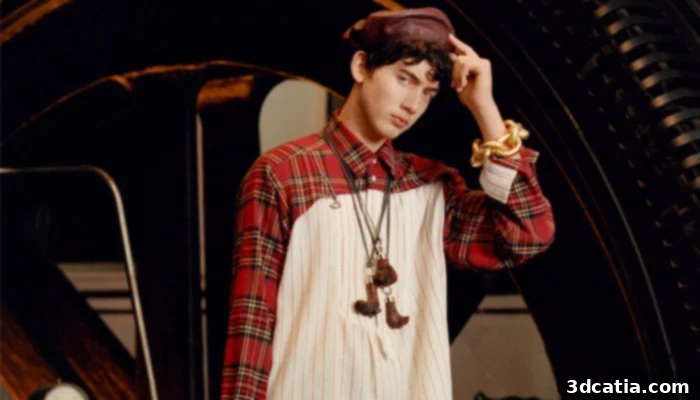
The bracelet for LOEWE
Today, VOJD Studios has firmly established itself as a premier specialist in the research, development, and manufacturing of sophisticated 3D printed accessories and jewelry, exclusively catering to the most esteemed segment of the global fashion and luxury market. Their impressive portfolio showcases remarkable collaborations that exemplify their innovative capabilities and commitment to excellence:
- **Carolina Herrera:** For the distinguished brand’s Fall 2016 collection, VOJD Studios meticulously crafted a series of bracelets, necklaces, and brooches. These pieces were intricately designed in the delicate, organic shape of jasmine flowers, serving as a powerful demonstration of 3D printing’s ability to achieve incredibly fine, detailed, and consistent organic forms with unparalleled precision. The complexity and inherent elegance of these floral designs would have been exceedingly challenging, if not entirely impractical, to reproduce with traditional manufacturing techniques at the required level of fidelity.
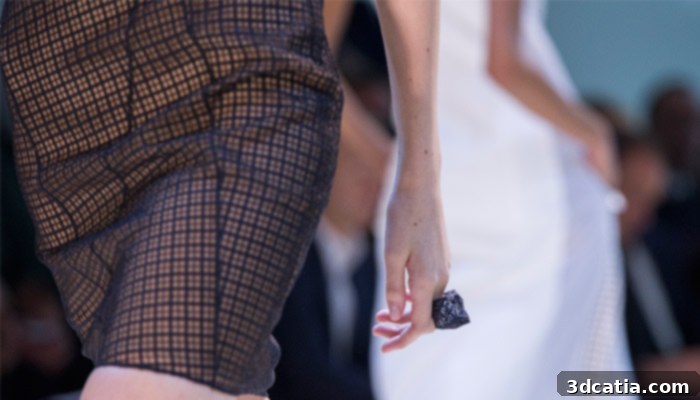
- **LOEWE:** As a prominent feature of LOEWE’s Fall 2017 men’s wear line, VOJD developed revolutionary chain bracelets. These were not merely aesthetic objects; they were ingeniously crafted from a novel type of ceramic material and engineered as single, interlocking pieces. This innovative design meant they required no assembly after printing, a true testament to the advanced design capabilities and material science prowess applied by VOJD. The seamless, monolithic construction offered both an undeniable aesthetic purity and enhanced durability, significantly pushing the boundaries of what was previously conceived for ceramic jewelry.
- **Alexander McQueen:** In another striking collaboration, VOJD Studios partnered with Alexander McQueen to launch an umbrella featuring a custom-designed, ergonomic handle. This unique handle was conceptualized and created through a precise process involving 3D scanning, which allowed for the development of a perfectly contoured and comfortable grip tailored to human hand anatomy. The handle was then flawlessly produced using 3D printing, underscoring how additive manufacturing can profoundly enhance both the form and the practical function of luxury everyday items, adding a layer of bespoke comfort and style.
These exemplary projects unequivocally demonstrate VOJD Studios’ exceptional capacity to not only meet but consistently surpass the rigorous demands of leading luxury brands. They deliver products that are not only visually stunning and aesthetically resonant but also functionally superior and conceptually groundbreaking, setting new benchmarks for innovation in luxury accessories.
Cutting-Edge Technologies and Materials at VOJD Studios
At VOJD Studios, the strategic selection of manufacturing technologies and materials is a highly specialized, project-driven process, meticulously tailored to meet the unique and exacting requirements of each luxury endeavor. “We primarily work with Selective Laser Sintering (SLS), Direct Metal Laser Sintering (DMLS), binder-jetting, and Stereolithography (SLA) technologies,” Christian elaborated. Each of these advanced additive manufacturing methods offers distinct advantages, enabling VOJD to precisely choose the most appropriate technique for achieving specific design complexities, desired material properties, and the immaculate aesthetic finishes demanded by high-end fashion and jewelry brands.
**Selective Laser Sintering (SLS)** is frequently employed for its unparalleled ability to produce highly intricate, durable, and lightweight parts from powdered materials, most commonly nylon. This technology is ideal for designs requiring complex geometries, fine lattice structures, interlocking components, and excellent mechanical properties, making it perfect for creating robust yet elegantly designed fashion accessories. **Direct Metal Laser Sintering (DMLS)**, conversely, is the preferred choice for metal components. It facilitates the creation of exceptionally detailed and remarkably strong metal pieces, built layer by layer from fine metal powders. This precision is absolutely crucial for crafting high-quality jewelry and sophisticated metallic elements that adhere to stringent luxury standards for minute detail, strength, and impeccable finish. **Binder-jetting** offers remarkable versatility, particularly for working with materials like ceramics or specialized sands, by selectively binding powdered particles with a liquid agent. This method can yield parts with unique tactile textures and allows for innovative color integration, opening up exciting new possibilities for avant-garde and artisanal designs. Finally, **Stereolithography (SLA)** is highly valued for its exceptional surface finish and superior fine feature resolution. It utilizes a UV laser to meticulously cure liquid resin, resulting in exceptionally smooth, highly detailed prototypes and end-use parts. SLA is often preferred for creating masters for molds or for producing highly aesthetic, transparent, or vibrantly colored resin components where visual perfection is paramount.
Beyond the diverse array of technologies, VOJD Studios leverages an extensive spectrum of materials and finishing techniques, all meticulously chosen based on specific project demands and desired product functionalities. Their material palette is comprehensive, encompassing both noble metals and advanced non-metals:
- **Metals:** This category includes luxury staples such as **silver**, highly prized for its radiant luster and timeless appeal in fine jewelry; **brass**, offering a rich, warm golden tone and excellent workability for intricate designs; **steel**, chosen for its inherent strength, exceptional durability, and contemporary aesthetic; and **aluminum**, valued for its remarkably lightweight properties and versatile applications in both jewelry and accessories. These metals can undergo sophisticated post-processing, including various polishing techniques, specialized coatings, and precious metal platings, to achieve the exact desired luxury appearance and tactile feel.
- **Non-Metals:** VOJD’s selection of non-metal options is equally diverse and innovative, allowing for an expansive range of creative expressions. **Ceramics** provide a uniquely sophisticated tactile experience and can be finished with elegant matte or glossy glazes, ideal for distinctive jewelry pieces, as famously demonstrated in their collaboration with LOEWE. **Nylon** (typically processed with SLS) offers exceptional flexibility, high strength-to-weight ratio, and a wide array of color possibilities, making it perfect for intricate, lightweight, and durable fashion elements. **Resin** (primarily used with SLA) enables the creation of incredibly smooth surfaces, remarkable transparency, and vibrant colors, making it highly suitable for detailed, aesthetically driven accessories and conceptual pieces. Lastly, specialized **rubber** materials facilitate the creation of flexible and tactile components, adding a distinct functional and sensory dimension to luxury accessories.
This extensive arsenal of cutting-edge technologies and diverse materials, coupled with VOJD’s deep expertise in their precise selection and meticulous processing, ensures that each piece created is not only groundbreaking in its manufacturing approach but also exquisitely refined to meet the absolute highest standards of luxury and fashion. The unparalleled ability to precisely control material properties and bespoke finishes is a fundamental cornerstone of their custom-tailored approach to design and production.
The Transformative Power of 3D Printing: Advantages and Future Outlook
When discussing the profound impact of additive manufacturing, Christian Hartung emphasized its compelling advantages, particularly within the discerning luxury market. “Undoubtedly, one of the most frequently cited benefits of 3D printing is the technology’s inherent ability to produce exquisitely customized and deeply personalized pieces,” he articulated. This capability is paramount in an era where consumers actively seek uniqueness, individuality, and avenues for self-expression through their possessions. Since each item can be printed separately and precisely on-demand, without the prior necessity of creating costly and time-consuming molds, 3D printing unlocks an unparalleled degree of flexibility and design freedom. Traditional mold-making processes typically incur substantial fixed costs, which can only be amortized economically through the mass manufacturing of a large quantity of identical products. For luxury brands, which inherently focus on exclusivity, bespoke creations, and limited runs, this traditional barrier is significantly reduced or even entirely eliminated by the agile nature of 3D printing.
Looking ahead, the elimination of these conventional manufacturing constraints promises to usher in an era of even easier and more widespread personalization. This process essentially democratizes design, allowing for an increased and more active role for the consumer in the ideation and co-creation of the final product they choose to purchase. Imagine a future where luxury clients can seamlessly collaborate with designers, co-designing their accessories, selecting specific forms, textures, finishes, and even integrating personal motifs or narratives, with VOJD Studios expertly facilitating the transformation of these unique visions into exquisite, tangible objects. This level of engagement fosters a deeper connection between the consumer and the brand.
Beyond sheer personalization, 3D printing profoundly enhances creative freedom and enables the realization of design complexities that are either impossible or prohibitively expensive to achieve using alternative manufacturing technologies. Designers are no longer constrained by the limitations of subtractive manufacturing processes or traditional casting methods. They can now fearlessly explore intricate geometries, organic and biomimetic forms, intricate lattice structures, and internal channels, creating pieces that are not only lightweight yet robust but also visually stunning and structurally innovative. This boundless creative freedom is a game-changer for high fashion, allowing for the emergence of truly avant-garde aesthetics and groundbreaking functional innovations.
“This transformative capability, combined with the continuous introduction of new materials and significantly enhanced material properties over the coming years, has the potential to fundamentally redefine the aesthetics of the future and profoundly transform most creative industries, including fashion,” Christian elaborated. The relentless pace of innovation in material science tailored for 3D printing – encompassing everything from exotic metals and advanced composite materials to flexible polymers and highly sustainable bioplastics – promises an ever-expanding palette for designers. This will enable the creation of products with novel textures, vastly improved durability, and entirely new functionalities. This ongoing evolution will not only redefine the visual appeal of luxury accessories but also dramatically enhance how they feel, perform, and interact with the wearer and their environment.
While the advantages of 3D printing are undeniably numerous and compelling, it is also important to acknowledge certain potential challenges that may arise in its broader adoption within the luxury sector. These can include the substantial initial investment required for specialized equipment, the steep learning curve for designers and technicians who are new to these advanced technologies, the imperative for stringent quality control measures to consistently meet exacting luxury standards, and current limitations on production speed for genuinely large-scale mass manufacturing (although this is less of a concern for bespoke luxury production). Nevertheless, continuous technological advancements are rapidly addressing these points, steadily making 3D printing an increasingly viable, attractive, and scalable solution across the luxury market.
Furthermore, 3D printing inherently offers significant sustainability benefits, aligning perfectly with growing ethical and environmental consciousness among luxury consumers and brands. By enabling precise, on-demand production, it drastically reduces material waste, minimizes the need for extensive inventories, and consequently lowers the carbon footprint associated with overproduction, inefficient logistics, and long-distance transportation. This makes 3D printing not just an innovative choice, but a responsible one.
For those interested in experiencing the extraordinary confluence of cutting-edge technology and unparalleled artistry, all of VOJD Studios’ pioneering creations and collaborations can be explored HERE.
What are your thoughts on the groundbreaking 3D printed jewelry and accessories by VOJD Studios? Do you believe this innovative approach represents the definitive future of luxury fashion and bespoke design? We invite you to share your valuable insights and opinions in a comment below, or join the ongoing conversation on our vibrant Facebook and Twitter pages! For more cutting-edge news, in-depth analyses, and the latest developments in the dynamic world of additive manufacturing, don’t forget to sign up for our free weekly Newsletter, delivering all the essential trends and stories in 3D printing directly to your inbox!