
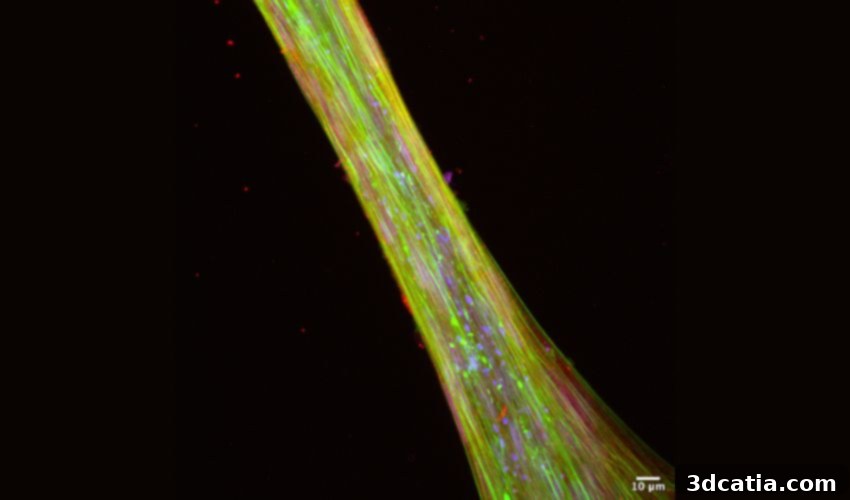
Cultured Meat & 3D Printing: Revolutionizing Sustainable Protein with Animal Alternative Technologies
The global food system, particularly the conventional meat and dairy industries, faces increasing scrutiny due to its profound environmental impact. Current estimates indicate that traditional livestock farming consumes an astounding 83% of the world’s agricultural land and contributes approximately 18% of global greenhouse gas emissions, including potent gases like methane and nitrous oxide. These figures paint a stark picture, highlighting the urgent need for more sustainable food production methods. A landmark study from the University of Oxford underscored this urgency, revealing that adopting a vegan diet could reduce an individual’s carbon footprint by up to 74%, positioning it as one of the most impactful personal actions for planetary health. Despite these compelling statistics, meat remains a central component of cuisines worldwide, deeply ingrained in cultural traditions and daily diets. For many, imagining life without meat is challenging, if not impossible.
Fortunately, the landscape of food innovation is rapidly evolving. Recent years have seen a surge in the popularity of meat substitutes, with a particular focus on plant-based alternatives that meticulously mimic the taste and texture of conventional meat. Beyond these well-known substitutes, another groundbreaking frontier is emerging: lab-grown or cultured meat. This revolutionary approach involves producing meat directly from animal cells, without the need to raise and slaughter livestock. Today, we delve into this exciting field through an exclusive interview with Clarisse Beurrier, the visionary co-founder and CEO of Animal Alternative Technologies (AAT). Based in Cambridge, UK, AAT is at the forefront of cellular agriculture, leveraging advanced technologies like 3D printing to create scalable solutions for cultured meat production. Join us as Clarisse shares her insights into the motivations behind AAT, her thoughts on the future of the meat industry, and the pivotal role of 3D printing in shaping a more sustainable food future.
Clarisse Beurrier and Animal Alternative Technologies: A Vision for Sustainable Food
“My name is Clarisse Beurrier, and I am the co-founder and CEO of Animal Alternative Technologies,” Clarisse begins, introducing her venture. “We are an engineering B2B startup rooted in the innovative ecosystem of the University of Cambridge. Our primary focus is on scaling up cultured meat production, addressing critical issues of food sustainability and security on a global scale.” Clarisse emphasizes the transformative potential of cellular agriculture, a term she defines as “making agricultural products by growing cells instead of raising and slaughtering animals.” In this nascent yet rapidly expanding sector, 3D printing plays a significant and multifaceted role.
At AAT, 3D printing is not just a tool; it’s an integral part of their engineering process. “We already utilize 3D printing for numerous applications,” Clarisse explains, “due to the immense flexibility it offers. This is particularly crucial for rapid prototyping and the creation of highly customized parts essential for our innovative systems.” The ability to quickly iterate designs and produce bespoke components allows AAT to accelerate their research and development, bringing them closer to their overarching goal. “My ultimate hope,” Clarisse states passionately, “is to make cultured meat production accessible to everyone, ensuring that no one is left behind in this critical race to reinvent the way we produce and consume meat. We are diligently working to create scalable industrial processes, initially focusing on major types of processed mammalian meats, and then moving towards structured products like steaks, all with a relentless focus on cost reduction to achieve market competitiveness.”
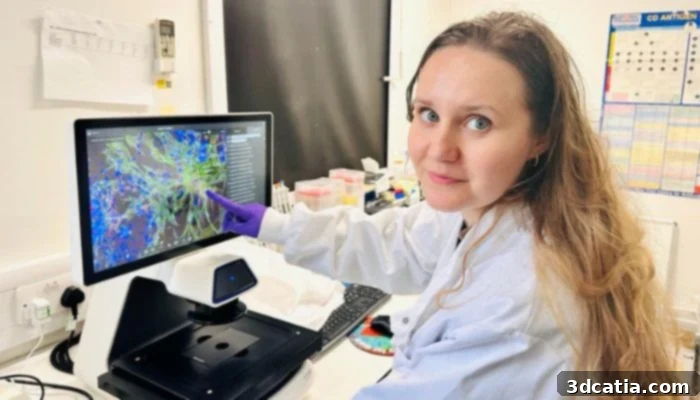
Clarisse Beurrier, the CEO of AAT, leading the charge in cellular agriculture.
The Genesis of AAT: Addressing the Environmental and Ethical Imperative
Clarisse’s motivations for founding Animal Alternative Technologies are deeply rooted in addressing the severe drawbacks of conventional livestock farming. “Livestock agriculture represents the largest land use on our planet,” she highlights, “it’s a primary source of greenhouse gas emissions, a leading cause of deforestation, a major contributor to water pollution, and drives significant demand for antibiotics, which in turn fuels the emergence of new infectious diseases like swine flu.” The environmental footprint is immense, and the ethical concerns surrounding animal welfare are equally pressing. Cultured meat offers a compelling solution: “It can be a truly sustainable, ethical, and safe alternative to traditional animal husbandry,” Clarisse asserts.
However, the path to widespread adoption of cultured meat is fraught with significant challenges. Clarisse explains, “Currently, there isn’t a commercially viable production process widely available. Furthermore, there are extremely high barriers to entry for companies looking to enter this space, typically requiring an investment of around $100 million and approximately five years for research and development, which prevents widespread adoption.” AAT was specifically founded to dismantle these barriers. “We are addressing these hurdles by undertaking all the necessary R&D ourselves,” she elaborates, “and by offering pre-approved, end-to-end cultured meat production systems. These systems are designed to be viable alternatives, not only to conventional factory farms but also for smaller, localized production, enabling a more distributed and resilient food supply chain.”
AAT’s mission also aligns with a broader societal shift away from traditional meat consumption. Clarisse observes, “We believe we can significantly contribute to an already existing, wider trend of moving away from meat-heavy diets.” She points to countries like the UK and France, both historically high meat-consuming nations where meat has long been a symbol of social status and masculinity. “In the last two decades,” she notes, “younger generations in both these countries are increasingly reducing their meat intake, driven by growing environmental, ethical, and health consciousness.” This cultural shift has catalyzed a boom in alternative protein options, with both established food giants and innovative startups like HappyVore, as well as supermarket own-brands, introducing a diverse range of products. “In the UK,” Clarisse adds, “we see more ready-made, convenience-optimized options and a larger offering in white meats, whereas in France, there’s a traditional preference for red meats, influencing the alternative market development differently.” These trends underscore the growing consumer appetite for innovative protein solutions that align with their values.
Additive Manufacturing: A Cornerstone of Cultured Meat Development
Additive manufacturing, more commonly known as 3D printing, is indispensable to Animal Alternative Technologies’ groundbreaking work. Clarisse elucidates its applications: “At AAT, we primarily leverage additive manufacturing to produce highly specific parts for our bioreactor prototypes. These bioreactors are sophisticated machines, somewhat akin to large beer fermenters, meticulously designed to cultivate animal cells by providing them with optimal conditions – precise temperature, oxygen levels, and nutrient supply.” The ability to customize these components is critical because existing commercial bioreactors are simply not suited for the delicate and specific requirements of cellular agriculture.
“We maintain an expert team of engineers and have access to specialized workshops,” she continues, “because the 3D printing machines currently on the market, even the smallest ones, typically cost upwards of 20,000 euros and are not purpose-built for cultured meat production. They are poorly adapted, not only to the biological needs of the cells but also to the economic demands of this new industry. For cultured meat to truly succeed, its production cost must become competitive with the price of conventional meat derived from slaughterhouses.” This economic imperative drives AAT’s innovative use of 3D printing to create highly efficient and cost-effective solutions.
Beyond bioreactor components, AAT employs 3D printing in other crucial areas. “We also use it to print molds for various materials – whether plant-based or composite – which serve as scaffolds or frameworks,” Clarisse explains. “These intricate structures provide the cells with a substrate to attach themselves to, facilitating their growth and differentiation into muscle or fat tissue, ultimately forming the ‘meat.’ Furthermore, 3D printing is vital for manufacturing certain parts of our advanced biosensors, which are essential for monitoring and controlling the cell culture environment.”
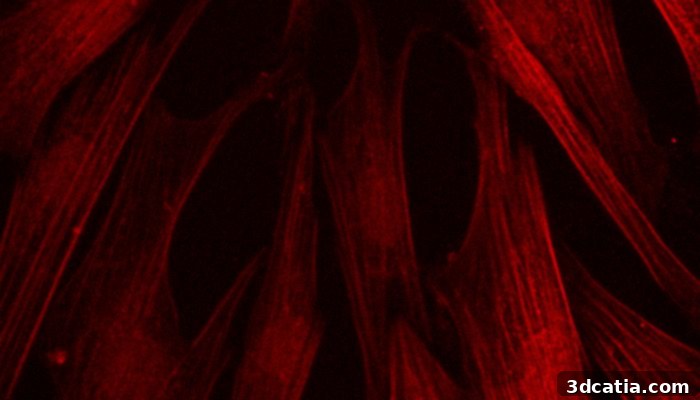
Ovine muscle cells – a crucial step in creating lab-grown meat.
3D Printing’s Transformative Impact on Meat Consumption
The potential impact of 3D printing on the way we consume meat is vast and extends beyond AAT’s direct applications. “Thanks to its wide applicability, 3D printing is poised to play a significant role across various aspects of alternative meat development and production,” Clarisse observes. While AAT primarily uses the technology for manufacturing custom components for their cultured meat systems, other innovators are exploring different facets. “Some plant-based meat companies, such as Novameat, for instance, utilize 3D printing to create more realistic and appealing meat textures and enhance taste profiles,” she elaborates. This demonstrates how the technology can improve the sensory experience of plant-based alternatives, bridging the gap with conventional meat.
In the cultured meat space, the possibilities are even more direct. “Another cultured meat startup, Aleph Farms, made headlines by directly bioprinting live cells to create a prototype ribeye steak,” Clarisse recounts. This application of bioprinting offers a glimpse into a future where complex, whole-cut meat structures can be engineered with precision. “I am particularly interested in observing how bioprinting technology continues to evolve and if it can become a viable option for at least a portion of large-scale cultured meat production processes,” she states. “Such advancements could significantly increase our options and flexibility in producing diverse meat products.” Both cellular agriculture and 3D printing are nascent fields, but their convergence hints at a powerful, symbiotic relationship that is only just beginning to unfold, promising unprecedented innovation in food production.
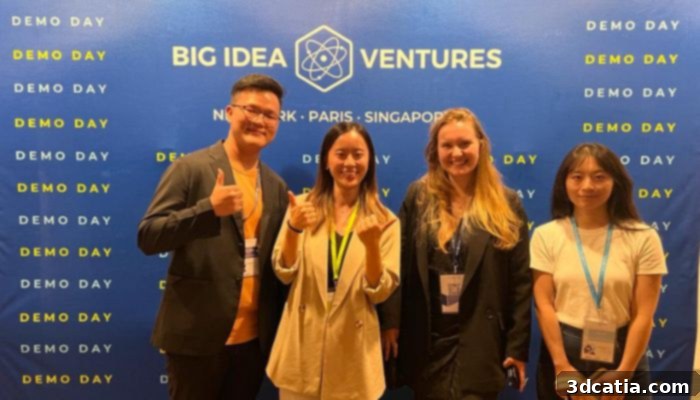
Clarisse Beurrier, center, engaging with Aaron from Fisheroo and YiTing from Big Idea Ventures/Xixi from Sono Biosciences, key figures in the cultivated fish sector (from left to right).
Understanding the Cultured Meat Consumer and Market Evolution
Gaining consumer acceptance is paramount for the success of cultured meat. Clarisse shares insights from preliminary market research: “Initial studies on prospective customers for cultured meat indicate that they are primarily traditional meat eaters. Interestingly, this demographic is more likely to be middle-aged men with higher incomes.” These early adopters are not necessarily looking for a complete dietary shift; rather, “these customers desire the same meat experience they are accustomed to,” she explains, “they are often attached to the social customs and traditions associated with meat products and, above all, prioritize taste above other factors.” Beyond this core group, a particular segment of early adopters stands out: “They are individuals who appreciate novelty and are consistently seeking an edge. They exhibit a strong curiosity about technology and often demonstrate a form of technical leadership within their own professional spheres.”
The pricing strategy for cultured meat will also play a crucial role in its market penetration. “Initially, cultured meats will likely be priced similarly to organic meats, positioning them as a premium product,” Clarisse notes. This premium pricing reflects the innovative technology and initial production costs. “However, as the technology matures and scales up, we anticipate that production costs can be significantly reduced, leading to more accessible pricing.” Over time, with a broader range of products catering to diverse tastes and more competitive pricing, Clarisse envisions a substantial expansion of the market. “I believe the cultured meat industry will be able to attract a much wider array of customer profiles, spanning different socio-economic groups, cultures, and dietary preferences, making it a truly inclusive food option.”
Fostering Public Acceptance: Transparency and Trust
Achieving broad public acceptance for cultured meat requires a concerted effort, with trust and transparency at its core. Clarisse emphasizes, “I believe that, as with any new technology, full disclosure and transparency are absolutely key to people trusting the product. This is particularly vital in our context, as we are dealing with food that will be consumed by the public.” She highlights the rigorous regulatory environment in place to ensure food safety. “The EU’s Novel Foods Regulation, for instance, represents a stringent and comprehensive process that every cultured meat company must navigate to be permitted to sell their products within the European Union. This regulatory framework provides consumers with assurance that the highest standards of quality and safety will be met and upheld.”
Beyond regulatory compliance, education and comparative transparency are essential. “Since cultured meat will most likely initially be priced at a premium compared to traditional livestock meat,” Clarisse explains, “it is also incredibly important for customers to fully understand why and how it compares. This involves holding conventional livestock meat to the same rigorous standards of transparency, especially regarding its production processes, environmental impact, and ethical considerations. By providing clear, unbiased information on both cultured and conventional meats, consumers can make informed choices, fostering greater acceptance and confidence in this innovative food category.”
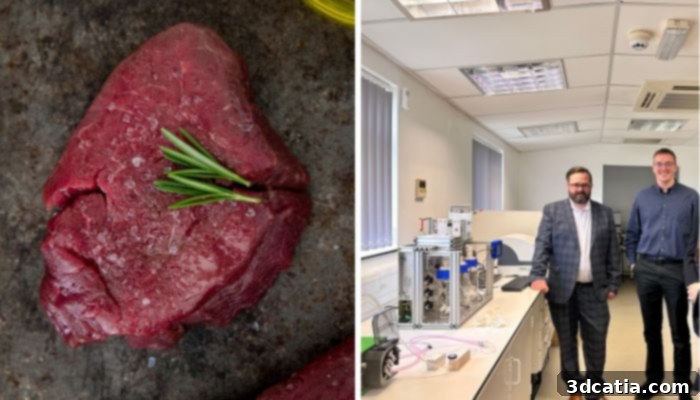
Animal Alternative Technologies’ bioreactor prototypes (right) are essential for making lab-grown meat scalable and cost-effective.
A Call to Action: Join the Future of Food
Clarisse concludes with an invitation to engage with the fascinating world of cellular agriculture and 3D printing. “Thank you for your curiosity and genuine interest in this dynamic field. We would genuinely love to hear from you!” She poses thought-provoking questions to spark further discussion: “Do you envision other impactful applications for 3D bioprinting within the broader foodtech sector? How do you believe we can effectively tackle the complex challenges of scaling up cultured meat production to achieve cost competitiveness with traditionally farmed animal meats?”
For those eager to learn more about the pioneering work being done at Animal Alternative Technologies, Clarisse directs readers to their resources: “You can discover more about Animal Alternative Technologies by visiting our official website HERE, or delve deeper into our research by clicking HERE.”
What are your thoughts on the groundbreaking work of Animal Alternative Technologies (AAT) in the realm of cultured meat? Share your insights and opinions in a comment below or connect with us on our LinkedIn, Facebook, and Twitter pages! Don’t forget to sign up for our free weekly Newsletter here to receive the latest 3D printing news directly in your inbox! You can also explore all our engaging videos on our YouTube channel.
*All Photo Credits: Animal Alternative Technologies/AAT