
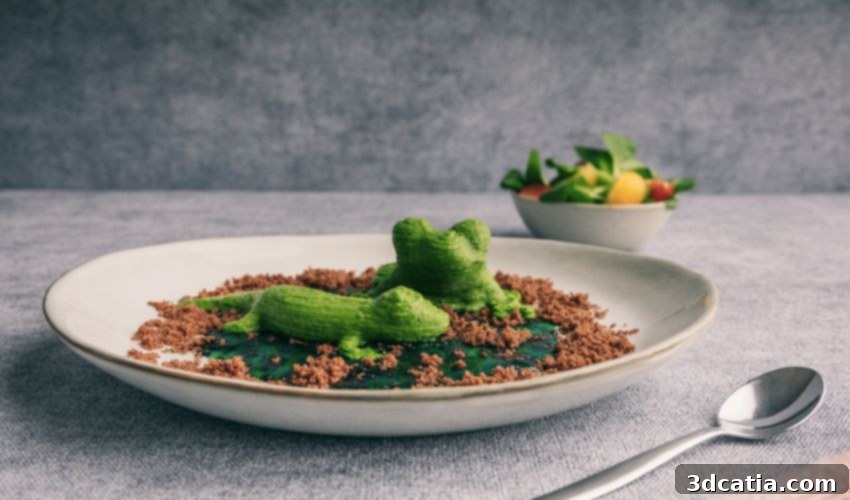
Gastronology: Revolutionizing Specialized Nutrition with Innovative 3D Printed Food for Dysphagia Patients and Beyond
Food is a fundamental aspect of human life, providing not only essential nourishment but also immense pleasure and social connection. Thanks to global trade, a vast array of cuisines and food options are readily available to many across the world. However, this rich culinary diversity remains inaccessible to everyone. For a significant portion of the population, the simple act of eating becomes a complex challenge. Patients suffering from dysphagia, the medical term for difficulty swallowing, often face significant hurdles during mealtimes. This condition can severely impact their quality of life, leading to nutritional deficiencies, social isolation, and a general loss of enjoyment from food. Existing solutions, often involving bland, blended purées, strip food of its original appeal and texture, exacerbating the problem rather than truly solving it.
Recognizing this critical need, a pioneering Dutch company named Gastronology is actively working to transform the dining experience for dysphagia patients. Founded in 2019 by Peter Nieuwkerk, Gastronology is leveraging advanced 3D food printing technology to create visually appealing and delicious meals that are easy to consume. Their innovative approach aims to replace the unappetizing blended options currently prevalent on the market with food that looks, smells, and tastes like its original form, thereby restoring the pleasure of eating. This endeavor is more than just about nutrition; it’s about dignity, enjoyment, and social inclusion. To delve deeper into Gastronology’s groundbreaking projects and their vision for the future of specialized nutrition, we had the opportunity to speak with CEO Peter Nieuwkerk.
Peter Nieuwkerk on Gastronology’s Mission and Unique Approach
3DN: Could You Introduce Yourself and Tell Us More About Gastronology?
My name is Peter Nieuwkerk, and I proudly founded Gastronology 3D Food Works in 2019. Our core mission at Gastronology 3D Food Works is to develop and produce innovative food products utilizing the sophisticated technique of 3D food printing. Our operational framework is built upon three fundamental pillars: meticulous recipe development, advanced 3D modeling, and the strategic development of industrial-scale food printing capabilities. Each of our recipes is a culinary masterpiece, expertly crafted by the renowned Masterchef Eugène Swalen, ensuring not only nutritional value but also exceptional taste and appeal.
My professional journey prior to Gastronology provided me with invaluable experience in the food industry. I have a long-standing and reputable history with the Budelpack Group, an innovative leader in the co-packing sector for food products. During my time there, I worked extensively with major multinational corporations such as Mars-Wrigley, Nestlé, Unilever, and KraftHeinz, as well as numerous highly regarded local companies. This background equipped me with a deep understanding of food production processes, quality control, logistics, and the complexities of bringing food products to market on a large scale – knowledge that is absolutely critical to Gastronology’s ambition of industrializing 3D printed food production.
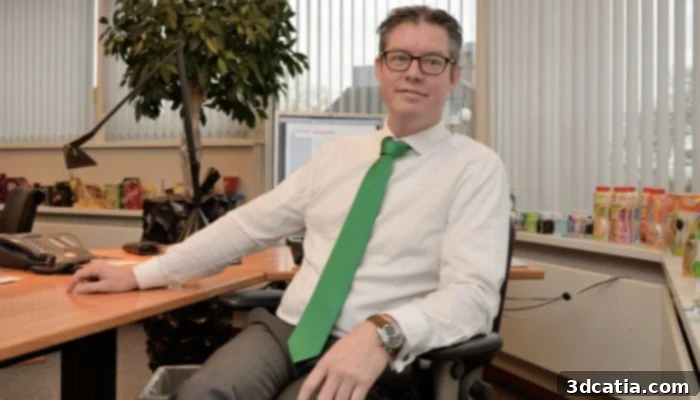
Peter Nieuwkerk is the CEO of Gastronology
Gastronology’s products are specifically designed as 3D printed food items, distributed frozen and pre-packed to ensure maximum freshness and convenience for caregivers and patients. Our production process is meticulously structured into a five-step sequence to guarantee both quality and food safety. This begins with the careful processing of raw ingredients into high-quality purées. Following this, the purées are precisely shaped using our industrial-scale 3D food printers within a strictly conditioned room maintained at a maximum of 6 degrees Celsius, preventing bacterial growth and maintaining product integrity. Immediately after printing, the products undergo a rapid shock-freeze process to lock in freshness, texture, and nutritional value. The next step involves packaging the frozen products in a similarly conditioned environment, maintaining strict hygiene standards. Finally, these products are moved to deep-freeze storage at -20 degrees Celsius, ensuring a long shelf life and safe distribution.
Food-safe production is not merely a consideration; it is a paramount factor embedded into every single step of this process. To uphold the highest standards of hygiene and safety, our entire production facility, including all machinery and contact surfaces, is equipped with a state-of-the-art Clean-In-Place (CIP) system. This automated cleaning system minimizes human intervention and guarantees thorough sanitation, reflecting our unwavering commitment to patient well-being. We are thrilled to announce that construction of our dedicated ‘3D food print’ production site in Poortvliet, the Netherlands, commenced in December 2022, and it is expected to be fully operational and open in the next few weeks. Once ready, our finished products will simply require heating, offering an effortless and enjoyable meal solution.
The Power of 3D Food Printing: Technology and Impact
3DN: What technology do you use? Why did you decide to use 3D printing for your company?
At Gastronology, we exclusively harness the transformative power of 3D food printing technology. Our Food Lab utilizes advanced desktop 3D food printers, which are essential for research, development, and iterative recipe refinement. For large-scale production, we operate a unique industrial-scale 3D food printer, capable of printing an impressive 43 kilograms of food per hour during its pilot-stage operation. This capacity is strategically planned to significantly increase to 130 kilograms per hour in the subsequent scale-up stage, demonstrating our commitment to meeting substantial market demand efficiently and effectively. This scalability is a critical factor in making our specialized food accessible to a wider patient population.
Our decision to establish this company and specifically apply 3D food printing technology was driven by a profound desire to address a long-standing and deeply impactful problem: the inadequate and often distressing dining experience for dysphagia patients who are forced to consume blended food. Dysphagia patients suffer from significant chewing and swallowing disorders, which necessitate a diet of puréed consistency. Traditionally, their daily meals are mechanically blended, rendering the food unrecognizable, devoid of natural taste, lacking enticing aromas, and utterly unappealing visually. This grim reality has severe consequences beyond mere dissatisfaction; it often leads to insufficient intake of vital nutrients, a deep-seated reluctance to eat, and, perhaps most painfully, exclusion from the social event that dining together should inherently be. The joy and communal aspect of meals are entirely lost.
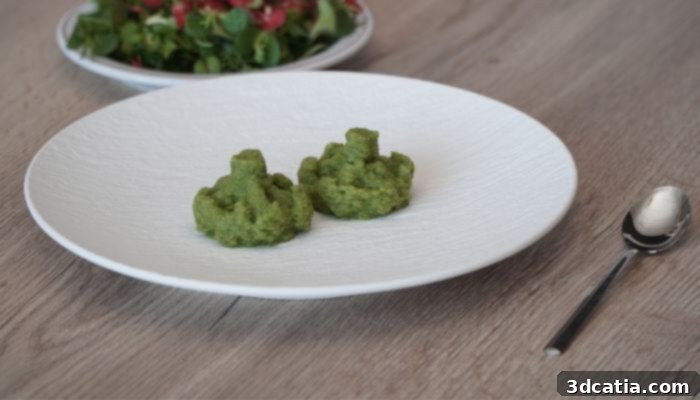
The technique of 3D food printing offers an unparalleled solution to this pervasive issue. It empowers us to present food in its original, recognizable shape, crafted from fresh, high-quality purées. Crucially, these printed foods retain their natural smell and are meticulously shaped to mimic their original form. The outcome is truly revolutionary: a 3D printed broccoli, for instance, not only looks exactly like a traditional floret of broccoli but also smells distinctly of broccoli and, most importantly, tastes precisely like fresh broccoli. Yet, it possesses a soft, smooth consistency that can be effortlessly eaten with a spoon by dysphagia patients, completely bypassing their chewing and swallowing difficulties. This is more than just an innovation; it is a true problem-solver, enhancing both the nutritional intake and the psychological well-being of those living with dysphagia.
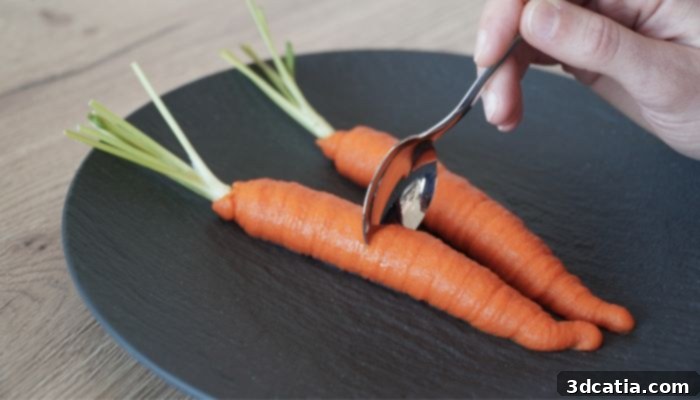
Looking ahead, the next exciting chapter for Gastronology lies in extending this innovative approach to other demographics. We envision offering beautifully 3D shaped vegetables—such as carrots, broccoli, green beans, cauliflower, peas, beetroot, and sweet potato—specifically designed for children. By creating extremely appealing and attractive shapes, combined with delicious tastes, we can make these healthy foods irresistible to children aged 3 to 12. This opens up entirely new market opportunities for promoting healthy eating habits from a young age, transforming mealtimes into an engaging and enjoyable experience for kids. Gastronology’s unique capability to print food on an industrial scale is what makes these diverse market opportunities not just conceptual, but entirely achievable.
Current Innovations and Future Horizons
3DN: Any special projects which Gastronology is currently working on?
At present, our primary focus is entirely dedicated to the meticulous preparation and launch of our initial product range for dysphagia patients. This foundational offering will start with a selection of vegetables and potatoes, encompassing a total of eight distinct products. We are working diligently towards the first industrial production run, which is slated to commence before the summer of 2023. At this initial phase, our production capacity is projected to be approximately 700 kilograms per day, a significant volume that will allow us to begin serving the market effectively.
However, our ambitions extend far beyond this initial launch. We have an extensive roadmap for future product line extensions, aiming to introduce a wider variety of options to meet diverse dietary needs and preferences. This includes the exciting prospect of adding meat and fish products, which will provide crucial protein sources and further diversify the meal options available to dysphagia patients. Furthermore, we are committed to broadening our target demographic. We plan to develop specialized products tailored for children aged 3 to 12 years, making nutritious food fun and engaging, as previously mentioned. This initiative aims to address common issues like picky eating and ensure young individuals receive adequate nutrition in an appealing format.
Our most aspirational long-term vision, our “big dream,” involves developing a comprehensive series of food products specifically for oncology patients. Cancer treatments, such as chemotherapy, often induce severe side effects, including significant taste and smell disorders, nausea, and loss of appetite. These side effects can lead to severe malnutrition and further compromise a patient’s already weakened state. By offering personalized nutrition through 3D printed food, we aim to meticulously offset these taste and smell alterations, creating meals that are palatable, nutrient-dense, and specifically designed to support the unique metabolic and dietary requirements of oncology patients. This personalized approach could dramatically improve their quality of life, aid in recovery, and help maintain strength during challenging treatment regimens, representing a truly impactful application of our technology.
Gastronology’s Strategic Path Forward
3DN: How do you see the future of Gastronology?
We have meticulously planned to go live with our first commercial offerings just before summer 2023. This will mark the official introduction of our initial range of eight specialized food products, all produced using Gastronology’s unique and proprietary 3D food printing technology. The launch will initially proceed through a critical pilot stage. During this phase, a carefully selected group of care homes and hospitals will be instrumental in offering these innovative products to their dysphagia clients. This pilot program is designed to run for a period of six months, providing a robust window for rigorous testing and comprehensive evaluation of our products. We will actively gather feedback on taste, texture, ease of consumption, packaging, and overall satisfaction from both patients and caregivers. This feedback loop is invaluable, allowing us to fine-tune our products and processes based on real-world experiences.
Upon the successful completion and thorough analysis of this pilot stage, and once we have incorporated any necessary adjustments and validated the positive impact of our products, we will then confidently transition into the commercial launch stage. This phase will involve scaling up production and distribution to make Gastronology’s 3D printed food widely available to a broader market, reaching more individuals who can benefit from our innovative solutions. Our strategic approach ensures that our products are not only technologically advanced but also clinically effective and enthusiastically received by our target audience, paving the way for sustainable growth and widespread adoption.
A Collaborative Future: Licensing Gastronology’s Innovation
3DN: Any last words for our readers?
Absolutely. Looking further into the future, Gastronology envisions expanding its impact by making its cutting-edge industrial-scale 3D food printing technique and meticulously developed 3D food recipes accessible to external manufacturers and established brand owners. This will be achieved through a strategic licensing model, enabling broader adoption and greater reach for our innovative solutions. This approach signifies our commitment to fostering a collaborative ecosystem within the specialized nutrition market.
Consider a scenario where a prominent brand owner possesses a highly reputable vegetable brand but wishes to diversify its offerings by adding a range of 3D printed food products. Under our licensing model, this brand owner would have the option to engage a contract-manufacturer. This contract-manufacturer would be formally partnered with Gastronology and thereby authorized to produce these specialized 3D printed food items on behalf of the brand owner, ensuring adherence to our quality and technological standards. This allows existing brands to seamlessly integrate our innovation without needing to develop their own 3D printing infrastructure from scratch.
Alternatively, Gastronology is also prepared to directly license its proprietary technique and expertly crafted recipes to a brand owner who possesses the internal capabilities and desire to undertake their own production. This direct licensing option provides brand owners with full control over the manufacturing process, supported by Gastronology’s expertise and proven technology. Our goal is to empower a wider network of food providers to offer delightful and nutritious 3D printed meals, ensuring that individuals with specific dietary needs, such as dysphagia patients, children, and oncology patients, can enjoy food that is both safe and immensely satisfying. We believe this collaborative model will be pivotal in revolutionizing specialized nutrition on a global scale. You can find out more about our vision and offerings HERE.
What are your thoughts on Gastronology’s pioneering 3D printed food solutions and their potential to transform the lives of those with swallowing difficulties? We invite you to share your perspectives in a comment below or engage with us on our LinkedIn, Facebook, and Twitter pages! Don’t forget to sign up for our free weekly Newsletter here to receive the latest 3D printing news straight to your inbox! You can also find all our compelling videos on our YouTube channel, showcasing the incredible advancements in additive manufacturing.
*All photos credit: Gastronology