
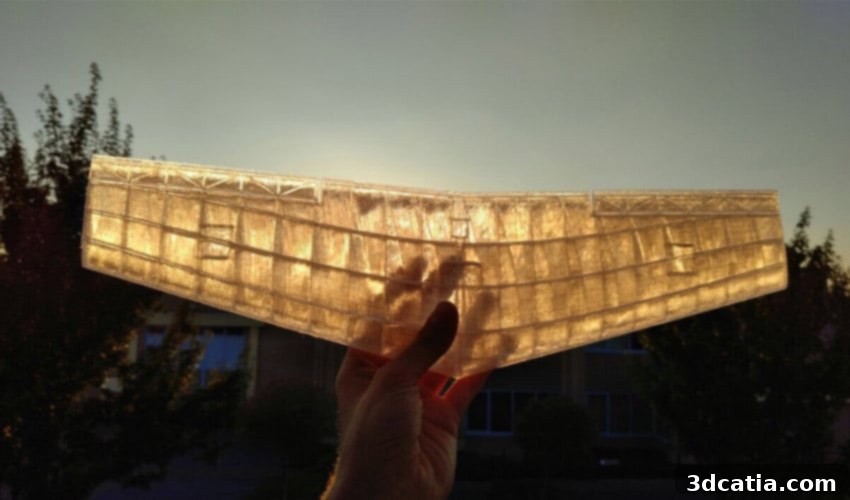
PETG 3D Printing: The Ultimate Guide to Polyethylene Terephthalate Glycol
Polyethylene Terephthalate Glycol, commonly known as PETG, stands out as one of the most widely utilized thermoplastics in the rapidly evolving world of additive manufacturing. Its widespread popularity, particularly for filaments used in fused deposition modeling (FDM), stems from its remarkable ability to blend the user-friendly characteristics of PLA 3D printing with the robust mechanical strength and durability of ABS. This unique combination offers a “best of both worlds” scenario for makers, engineers, and designers alike, making it a go-to material for a diverse array of applications.
As an amorphous plastic, PETG shares the same fundamental chemical composition as polyethylene terephthalate (PET), a polymer more famously known for its ubiquity in beverage bottles and food packaging. A significant advantage of PETG is its potential for 100% recyclability, aligning with increasing demands for sustainable manufacturing practices. This comprehensive guide aims to illuminate the intricacies of PETG, detailing its production, unique characteristics, essential considerations for successful 3D printing, its primary applications across various industries, and an overview of leading manufacturers in the market. Whether you’re a novice or an experienced user, understanding PETG will undoubtedly enhance your 3D printing capabilities.
The Genesis and Defining Characteristics of PETG
To truly appreciate PETG, it’s crucial to first examine its precursor: PET. Polyethylene Terephthalate has long been a cornerstone material in various industries. Its market value is projected to experience substantial growth, estimated to surge from USD 52.94 billion in 2024 to an impressive USD 109.63 billion by 2032. This growth is largely driven by its pervasive use in bottle manufacturing and packaging since the 1990s, where it largely replaced PVC due to its superior properties and safety profile. Beyond packaging, PET is also instrumental in the production of synthetic fibers for textiles and clothing. Despite its widespread utility, pure PET presents challenges for direct use in 3D printing due to its tendency to crystallize and become brittle when subjected to certain thermal processes, as well as its high melt viscosity which makes it difficult to extrude consistently.
The innovative solution to these limitations lies in the strategic addition of glycol (G) to PET at a molecular level, giving birth to PETG. This modification involves replacing ethylene glycol with cyclohexanedimethanol during polymerization. The presence of glycol effectively inhibits the crystallization process that makes PET brittle and prone to warping during cooling, particularly in the rapid heating and cooling cycles inherent to FDM 3D printing. The result is a material that not only boasts greater strength and impressive durability but also exhibits enhanced flexibility and ductility, making it far more suitable for additive manufacturing processes.
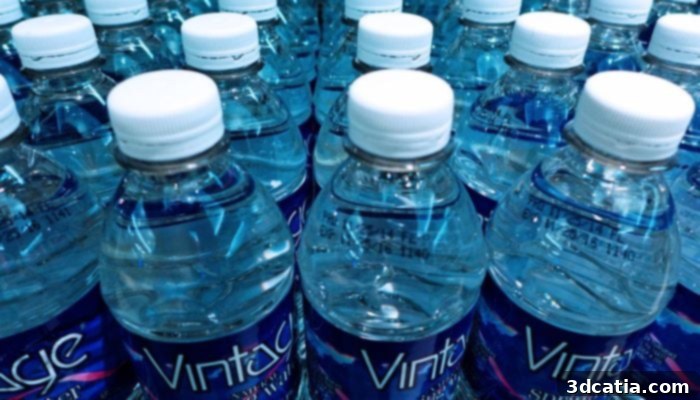
Photo Credits: Thad Zajdowicz, CC0, via Wikimedia Commons
Thus, PETG is defined as a copolymer, a material comprising two or more different monomer units, which synergistically combines the best properties of PET with the advantages conferred by glycol. The glycol modification significantly reduces common issues encountered with pure PET, such as thermal degradation and brittleness, which otherwise prevent its effective use in additive manufacturing. Its outstanding hardness, superior impact resistance, and excellent chemical resistance make it highly robust for demanding applications. Furthermore, PETG is celebrated for its clarity, often producing transparent or translucent prints, and its ductility, which allows it to bend rather than shatter under stress. It is an easily extruded material, characterized by good thermal stability throughout the printing process, and is particularly appreciated for its compliance with food contact regulations, making it a safe choice for food-related applications.
Mastering 3D Printing with PETG: Tips and Troubleshooting
While PETG offers a balance of strength and printability, achieving optimal results requires attention to specific printing parameters. Generally, PETG extrudes effectively at temperatures ranging between 220°C and 260°C. The ideal temperature within this range can vary slightly depending on your specific printer, the filament brand, and the desired print quality. Lower temperatures tend to reduce stringing but might lead to weaker layer adhesion, while higher temperatures can improve layer bonding at the risk of increased oozing and stringing. Utilizing a heated print bed is highly advisable, typically set between 75°C and 90°C. This elevated bed temperature is crucial for ensuring proper first-layer adhesion and preventing warping, especially for larger prints.
An optimal printing speed for PETG usually falls within the range of 40-60mm/s. Printing too fast can compromise layer adhesion and surface finish, while printing too slowly might increase the chances of oozing and stringing. One notable characteristic of PETG is its tendency to stick very well to itself, which can make removing support structures particularly challenging. Therefore, it is generally not recommended to use extensive supports unless absolutely necessary. If supports are unavoidable, consider increasing the Z-gap between the support and the part, or using a support interface layer with a different material if your printer supports dual extrusion, to facilitate easier removal. Despite these considerations, PETG is still considered relatively easy to print, arguably a bit more demanding than PLA but offering significantly superior mechanical properties, making the learning curve worthwhile.
However, like any material, PETG does come with its own set of challenges that users should be aware of. As mentioned, a heated print plate is often essential to mitigate warping effects. Although PETG generally exhibits a lower warping rate compared to ABS, ensuring excellent bed adhesion is paramount. Using build surfaces such as PEI sheets, Kapton tape, or glass beds treated with an adhesive like a glue stick or hairspray can greatly enhance success. Moreover, PETG is more prone to surface scratches than PLA, which can affect the aesthetic appeal of parts requiring a smooth, pristine finish. Proper handling and post-processing techniques are key to preserving its surface quality. Finally, PETG is highly hygroscopic, meaning it readily absorbs moisture from the air. This absorbed moisture can lead to a host of printing issues, including bubbling, excessive stringing, inconsistent extrusion, and ultimately, weaker prints. To counteract this, PETG filament must be stored in a cool, dry environment, preferably in an airtight container with desiccant. Using a filament dryer before printing is also highly recommended, especially if the filament has been exposed to humid conditions. Furthermore, PETG’s high viscosity in its molten state can sometimes lead to print head clogging, particularly with smaller nozzle diameters or improper retraction settings. Fine-tuning retraction distance and speed, along with ensuring the hotend temperature is within the optimal range, can help prevent this.
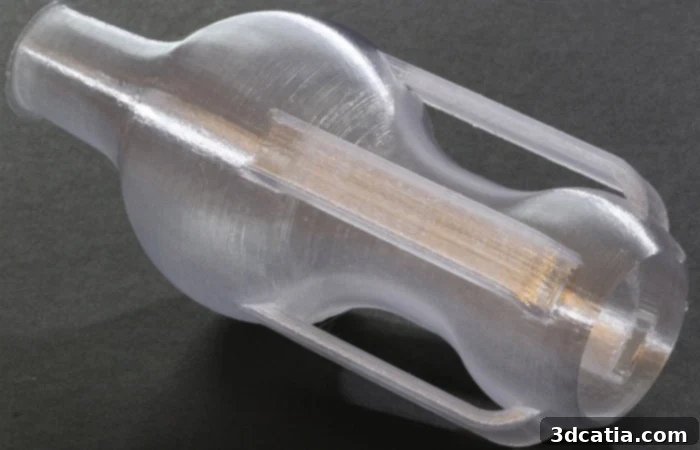
PETG is known for its hardness and transparent appearance (Photo credits: Taulman3D)
Versatile Applications Across Industries with PETG
The unique combination of properties offered by PETG—including strength, flexibility, chemical resistance, and food safety—makes it suitable for an extensive range of applications across numerous industries. One of the most prominent sectors benefiting from PETG is the food industry. Due to its close relation to PET, PETG exhibits excellent water resistance and is widely recognized as safe for contact with food products by regulatory bodies such as the FDA. This makes it an ideal material for creating custom food packaging, containers, kitchen utensils, and even specialized components for food processing machinery. Its inert nature ensures that it does not leach harmful substances into food, providing a safe and reliable solution.
Beyond the culinary world, PETG’s biocompatibility and sterilizability open doors to critical applications in the medical and dental fields. It is frequently employed for manufacturing dental aligners, orthodontic models, custom prostheses, and a variety of medical equipment components. Its ability to withstand sterilization processes without degrading its mechanical properties is invaluable in healthcare environments where hygiene and safety are paramount. Furthermore, its flexibility makes it suitable for parts that need a degree of give, such as medical device housings or ergonomic grips.
As anticipated, PETG is also a favored material for prototyping. Its relative cost-effectiveness, coupled with its robust mechanical properties, makes it an excellent choice for creating functional prototypes that need to withstand more rigorous testing than a typical PLA prototype. Designers and engineers can quickly iterate on designs, producing parts that closely mimic the final product’s performance. Moreover, PETG’s heat and chemical resistance allow it to venture beyond mere prototyping into more demanding, durable applications. This includes the creation of tooling components, manufacturing jigs and fixtures, custom testing components, and even end-use parts for machines that operate in challenging environments. Its ability to resist a wide array of chemicals makes it suitable for laboratory equipment or parts exposed to cleaning agents and solvents. For example, its impact resistance makes it ideal for protective covers, housings, and components that might experience intermittent stress or vibrations.
Leading PETG Filament Manufacturers and Innovations
The growing demand for PETG has led virtually all major filament manufacturers to include this versatile material in their product portfolios. Established brands such as Formfutura, ColorFabb, 3DXTech, Innofil3D, and Polymaker are well-known for offering high-quality PETG filaments. Additionally, proprietary brands like Zortrax also provide PETG optimized for their own 3D printing ecosystems, ensuring seamless integration and consistent results. These manufacturers typically offer PETG in standard filament diameters, 1.75mm and 2.85mm, to accommodate the vast majority of FDM 3D printers on the market. Spool weights also vary, commonly available in 750-gram, 1kg, or even larger industrial-sized spools to meet diverse consumer and professional needs.
Beyond standard PETG, innovation in material science has led to the development of enhanced PETG variants. Notably, PETG is often reinforced with various additives, most commonly carbon fibers. Carbon fiber-reinforced PETG (CF-PETG) significantly boosts the rigidity and stiffness of the printed part while simultaneously optimizing its final weight. This makes CF-PETG an excellent choice for applications requiring high strength-to-weight ratios, such as drone components, automotive parts, or industrial tooling where precision and minimal flex are critical. Brands like Nanovia, for instance, offer such advanced solutions within their filament ranges. Nanovia has also pioneered an aramid-fiber reinforced PETG, which addresses a common trait of standard PETG – its tendency to appear somewhat “soft” or pliable under certain stresses. The addition of aramid fibers not only reduces this perceived fragility but dramatically increases the material’s stiffness and overall strength, making it suitable for even more demanding structural applications.
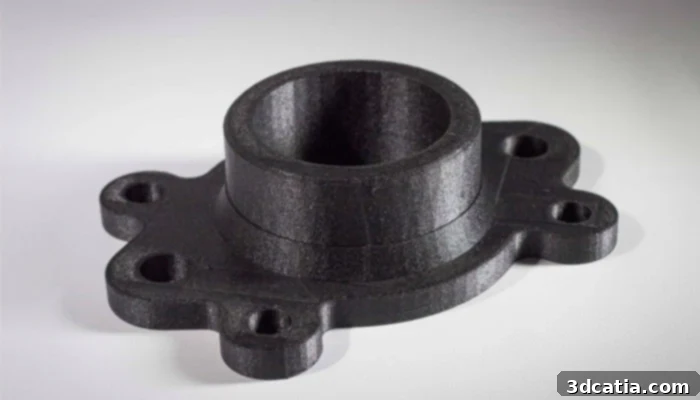
PETG can be reinforced with carbon fibers, enhancing rigidity and strength (Photo credits: Fusion3 Design)
In terms of cost, PETG generally falls into a mid-range category, positioning itself as slightly more expensive than entry-level PLA but often more affordable than specialized engineering plastics like Nylon or Polycarbonate. A classic 750-gram PETG spool typically ranges between $35 and $40, though prices can fluctuate based on brand reputation, color options, and specific material blends. As expected, specialized variants, such as carbon fiber-reinforced PETG, will command a higher price point due to the added cost of the reinforcing fibers and the more complex manufacturing processes involved. Despite the slightly higher investment compared to PLA, the enhanced mechanical properties, durability, and versatility of PETG often provide superior value for functional and demanding applications, justifying its cost for many users.
In conclusion, PETG has firmly established itself as an indispensable material in the 3D printing landscape. Its ability to bridge the gap between the ease of use of PLA and the mechanical robustness of ABS makes it an incredibly versatile and powerful choice for a vast array of projects. From food-safe containers and medical devices to durable prototypes and functional end-use parts, PETG continues to empower innovators across various industries. By understanding its unique characteristics, mastering its printing nuances, and exploring the advancements in reinforced blends, users can unlock the full potential of this exceptional thermoplastic.
Did you learn something valuable about using PETG for 3D printing from this guide? We’d love to hear your thoughts! Let us know in a comment below or join the conversation on our Facebook and Twitter pages! And for all the latest news, trends, and breakthroughs in 3D printing delivered straight to your inbox, don’t forget to sign up for our free weekly Newsletter!
*Cover Image Credits: BlackBelt3D