
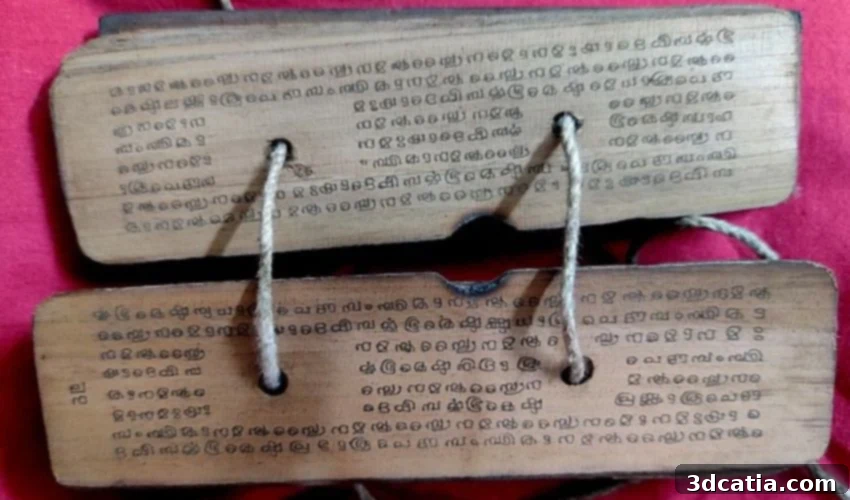
3D Printing Revolutionizes Cultural Heritage: Safeguarding Ancient Indian Palm Leaf Manuscripts
The confluence of 3D printing and scanning technologies has ushered in a new era for the preservation of global cultural heritage. These advanced digital fabrication methods are rapidly becoming indispensable tools for protecting and replicating invaluable historical artifacts, ensuring their longevity for future generations. From creating intricate replicas of ancient statues to crafting durable facsimiles of delicate objects, 3D printing offers an inexpensive yet highly detailed means to capture and safeguard the essence of our past. This capability has proven instrumental in securing the legacy of countless cultural and world heritage items, transforming how we interact with and learn from history. A recent groundbreaking initiative in India further underscores this technological impact, bringing a vast collection of historic works into the 21st century through the innovative application of 3D printing.
Based in Bengaluru, the Tara Prakashana nonprofit trust has embarked on a pioneering pilot program designed to preserve the profound knowledge encapsulated within over 3,300 ancient palm leaf manuscripts. Their mission involves utilizing 3D printing to produce resilient replica palm leaves that are significantly more resistant to the ravages of time and environmental degradation than their original counterparts. This ambitious project not only addresses the immediate challenges of artifact deterioration but also establishes a sustainable model for the long-term protection of invaluable historical texts.
The Profound Legacy of Vedic Literature on Palm Leaves
The extensive collection of palm leaf manuscripts under the careful stewardship of the Tara Prakashana organization primarily comprises Vedic literature and teachings. These sacred texts, some dating back many centuries, represent a cornerstone of ancient Indian spirituality and philosophy. Vedicism, recognized as one of the subcontinent’s most ancient religions, played a pivotal role in shaping the early development of Hinduism, profoundly influencing its rituals, philosophical underpinnings, and spiritual practices. The teachings contained within these manuscripts offer an unparalleled window into the intellectual and religious landscape of ancient India, providing insights that continue to resonate in contemporary spiritual traditions.
Established in 2006 by the esteemed Dr. P.R. Mukund, the Tara Prakashana trust is driven by a deep commitment to the preservation and dissemination of knowledge derived from these ancient Vedic sources. Its mission extends beyond mere conservation, aiming to ensure that the rich tapestry of religious rituals, philosophical insights, and ethical teachings embedded in these texts remains accessible and understood by present and future generations. The fragility of the original palm leaf manuscripts, susceptible to environmental factors like humidity, pests, and general decay, poses a significant threat to this heritage, making innovative preservation solutions critically necessary.
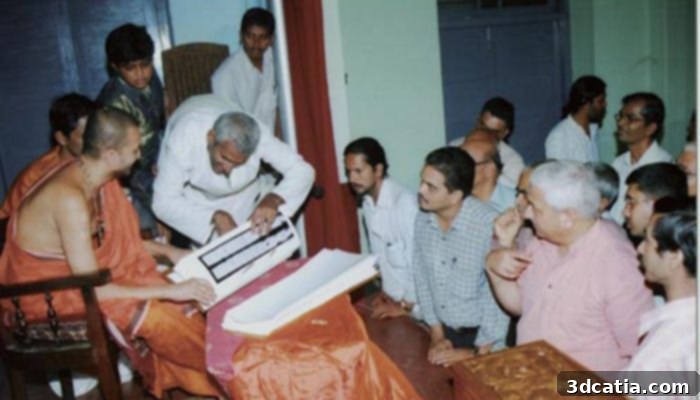
The preservation of ancient palm leaf manuscripts is the goal of Dr. Mukund and Tara Prakashana (Photo credits: Rochester Institute of Technology)
Dr. P.R. Mukund’s Vision: A Pioneer in Digital Preservation
Dr. P.R. Mukund, the visionary founder of the Tara Prakashana nonprofit organization, is a distinguished professor emeritus at the Rochester Institute of Technology in New York. His dedication to the preservation of ancient manuscripts spans many years, commencing in 2005 with a clear understanding of the challenges posed by aging texts. Dr. Mukund has long been recognized for his pioneering efforts in this field. Early in Tara Prakashana’s history, the organization garnered attention for its innovative use of digital imaging and scanning technologies. These early initiatives were crucial for archiving and preserving Vedic and Hindu writings inscribed on palm leaves, which had suffered from significant fading and deterioration over time. The application of these modern technologies allowed for the remarkable recreation and enhancement of these faded writings, bringing previously illegible or difficult-to-read texts back to life in digital form.
The initial digitization process was a monumental step, establishing a robust digital archive that formed the foundation for subsequent preservation efforts. This critical phase not only safeguarded the intellectual content but also paved the way for more advanced replication techniques. By converting the delicate physical manuscripts into high-resolution digital data, Dr. Mukund and his team created a permanent, accessible record that transcended the physical limitations of the original artifacts. This foresight proved invaluable as Tara Prakashana progressed towards more advanced methods of physical preservation.
Leveraging 3D Printing for Enhanced Durability and Accessibility
The current pilot program represents a significant leap forward, building directly upon the success of the earlier digitization process. In a strategic collaboration with Vayu Robotics, the Tara Prakashana team has transitioned to employing advanced 3D printing technology to produce physical replicas of the ancient palm leaves. These replicas are crafted from durable plastic filament, offering a multitude of advantages over the fragile original manuscripts. The material choice ensures that the replicas are not only robust but also resistant to common forms of damage, including exposure to water and the destructive activities of pests. This enhanced durability means the replicas can be more easily stored, handled, and displayed without the constant fear of degradation that plagues the original texts, making them ideal for both archival and educational purposes.
Beyond their physical resilience, the 3D printed replicas address a fundamental challenge in heritage preservation: long-term sustainability. Designed to last for centuries, these plastic facsimiles ensure that the invaluable Vedic knowledge they contain will endure for countless generations to come, largely unaffected by environmental shifts or accidental damage. This longevity is crucial for maintaining a continuous chain of knowledge transmission, allowing scholars, students, and enthusiasts alike to engage with these ancient teachings in a tangible and secure format.
Another significant benefit derived from the adoption of 3D printing in this project is the inherent automation aspect of the additive manufacturing process. Once the initial printing parameters are set and the process commences, there is a minimal need for continuous human oversight. This high degree of automation frees up valuable human resources within the Tara Prakashana organization, allowing team members to dedicate their time and expertise to other critical preservation projects simultaneously. The efficiency gained through automated 3D printing not only accelerates the replication of these thousands of manuscripts but also optimizes operational costs and resource allocation, making the entire preservation effort more scalable and sustainable.
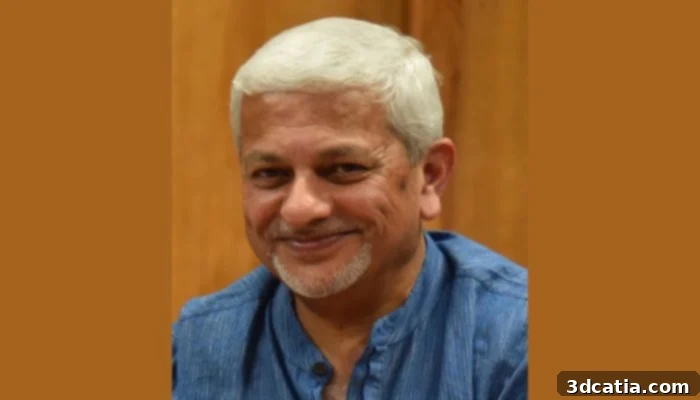
Dr. P.R. Mukund has been at the forefront of Vedic knowledge preservation and conservation efforts (Photo credits: Foundation for The Preservation of Knowledge)
The Future of Manuscript Preservation: Innovation and Expansion
While the precise 3D printing technology employed for this groundbreaking initiative has not been publicly disclosed, it is understood that Dr. Mukund holds a patent pending for the innovative technology underpinning this process. This suggests a bespoke or significantly adapted approach to 3D printing, specifically tailored to the unique requirements of replicating palm leaf manuscripts with their intricate engravings and delicate structures. Such proprietary advancements highlight the cutting-edge nature of the project and its potential to set new standards in cultural heritage preservation.
Currently, the pilot project is strategically focused on replicating the most important and vulnerable works within Tara Prakashana’s extensive collection. This targeted approach ensures that the most at-risk aspects of this invaluable heritage are secured first, mitigating immediate threats of loss. However, the success and scalability of the program suggest exciting opportunities for future expansion. There is immense potential to broaden the scope of works included in the 3D printing initiative, ultimately ensuring the enduring survival of centuries of profound information. These replicated manuscripts promise to offer future generations a clearer, more direct glimpse into the past, enabling continued study and learning from the timeless teachings of ancient India. This ongoing effort not only preserves physical artifacts but also secures the intellectual legacy of an entire civilization.
The integration of 3D printing into the preservation efforts of cultural artifacts like these ancient palm leaf manuscripts marks a pivotal moment in how we approach heritage conservation. It demonstrates a powerful synergy between ancient knowledge and modern technology, creating resilient, accessible, and enduring replicas that can withstand the test of time. This initiative by Tara Prakashana and Dr. P.R. Mukund serves as an inspiring blueprint for similar projects worldwide, proving that with innovation and dedication, even the most fragile elements of our global heritage can be safeguarded for eternity. For more information about Tara Prakashana and their vital work, you can visit their website HERE.
What are your thoughts on utilizing 3D printing to preserve ancient works of writing and cultural heritage? Share your perspectives in a comment below or join the conversation on our Linkedin, Facebook, and Twitter pages! Don’t miss out on the latest 3D printing news – sign up for our free weekly Newsletter here, delivered straight to your inbox! You can also find all our videos on our YouTube channel.
*Cover photo credits: Savithri, self-published on Wikimedia Commons CC-BY-SA-4.0