
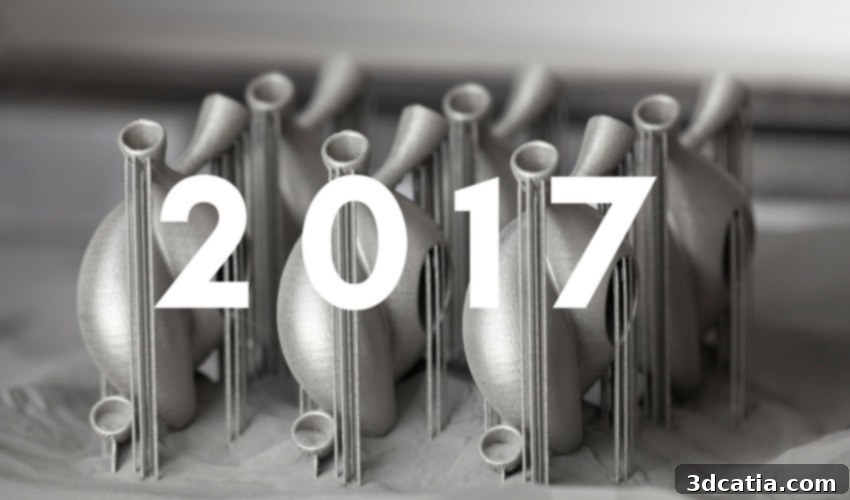
2017: A Transformative Year of Breakthroughs and Innovation in 3D Printing and Additive Manufacturing
The year 2017 truly marked a pivotal moment for the 3D printing and additive manufacturing industries, characterized by unprecedented growth, significant investment, and groundbreaking technological advancements. Startups in the sector attracted hundreds of millions of dollars in funding, signaling strong investor confidence in the future of personalized production and industrial fabrication. Beyond financial milestones, the year was filled with ambitious announcements, from plans to construct 3D printed supercars and even flying vehicles, underscoring the boundless imagination driving innovation. Concurrently, well-established industrial giants such as GE and HP made strategic and impactful moves into the 3D printing space, further validating its potential and accelerating its adoption across various sectors. Perhaps most notably, 2017 emerged as the “year of metal 3D printing,” shifting focus from the more common plastics to robust metallic materials. Numerous brands fiercely competed to develop and launch advanced metal 3D printers, aiming to unlock new possibilities for manufacturing durable, high-performance components.
January
January kicked off the year with a bang in the metal additive manufacturing sector. Markforged, a company already known for its continuous fiber composite 3D printers, made a significant entry into the metal market by announcing the Metal X. This innovative machine utilized a unique 3D printing technology known as Atomic Diffusion Additive Manufacturing (ADAM), which involves binding metal powder in a plastic matrix, printing the part, and then sintering it to achieve a dense metal object. With a generous print volume of 250 x 220 x 200 mm, the Metal X aimed to make metal 3D printing accessible at a fraction of the traditional cost, retailing for just under $100,000 – a stark contrast to the multi-million-dollar industrial machines prevalent at the time. This affordability was a game-changer, promising to democratize metal additive manufacturing for a broader range of businesses and applications. For more details, the full article can be found here.
Another remarkable scientific breakthrough came from a team of researchers at MIT, who delved into the properties of graphene, a single-atom-thick form of carbon crystal. Through a series of experiments, they discovered that by compressing graphene, they could create a novel, super-strong variant. This material boasted an astonishing strength, being 10 times stronger than steel, yet maintaining an incredibly low density of just 5%. This discovery held immense implications for various industries, potentially paving the way for the creation of ultra-lightweight and exceptionally durable materials for aerospace, automotive, and defense applications. The full article on this groundbreaking research is available here.
The Markforged Metal X
February
February saw the renowned Ferrari F1 team declare its intention to integrate 3D technologies to significantly enhance their F1 car engines. The Italian luxury performance company planned to use 3D printed plates within the pistons of their 668 engine. This strategic move aimed to leverage the advantages of additive manufacturing, such as lightweighting, complex internal geometries for improved cooling or fluid dynamics, and rapid design iteration. By implementing 3D printed components in such critical parts, Ferrari hoped to gain a competitive edge and potentially reclaim its glory days on the Formula 1 circuit, demonstrating the growing adoption of AM in elite motorsports for performance optimization.
Innovation in 3D printing speed and methodology took center stage with Daqri, an American startup that had developed a pioneering 3D printer capable of fabricating objects through holograms. Known for its work in the VR market, manufacturing smart glasses and heads-up displays, Daqri applied its expertise in optics and displays to additive manufacturing. Their revolutionary process utilized holograms combined with lasers to instantaneously transform a photosensitive monomer into solid plastic. Unlike conventional 3D printers that build objects layer-by-layer, Daqri’s technology could print an entire part in a single pass, offering a significant leap forward in printing speed and efficiency, especially for intricate designs.

Ferrari have started to adopt 3D printing in their F1 cars.
March
March highlighted the ambitious scale achievable with 3D printing in construction. Cazza Construction announced plans to embark on an unprecedented project: creating the first 3D printed skyscraper in Dubai. This initiative aligned perfectly with Dubai’s bold vision, which aimed for 25% of its new buildings to be constructed using additive manufacturing by 2030. The proposed skyscraper, with an impressive height of 750 meters, underscored the immense potential of 3D printing to revolutionize urban development, offering faster construction times, reduced labor costs, and greater design flexibility for complex architectural structures. The full article can be read here.
Further demonstrating the speed and versatility of construction 3D printing, Apis Cor, a Russian company, successfully 3D printed an entire house in an astonishing 24 hours. What made this feat even more remarkable was that the printing process occurred under extreme weather conditions. The specialized printers were designed to operate effectively even at temperatures as low as -35 degrees Celsius, showcasing their robustness and adaptability to challenging environments. This rapid, on-site construction method held significant promise for addressing housing shortages, providing emergency shelters, and enabling efficient construction in remote or harsh locations worldwide. For additional details, refer to the full article here.
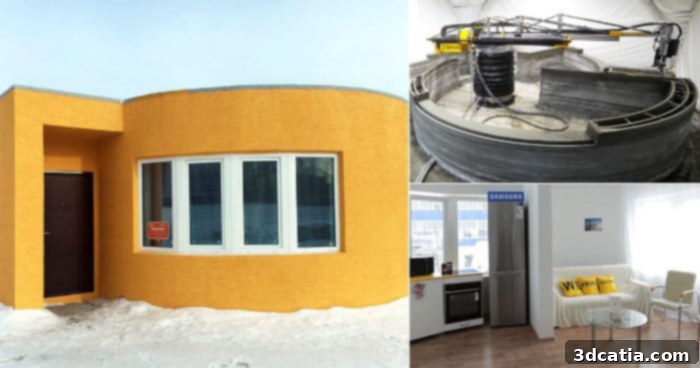
Apis Cor 3D printed this house in just 24 hours.
April
April was another strong month for metal 3D printing as Desktop Metal unveiled its first two metal 3D printers: the DM Metal Studio System and the DM Production System. The Studio System was designed for office-friendly prototyping, aiming to make metal additive manufacturing accessible to engineering teams without the need for dedicated facilities or complex safety requirements. The Production System, on the other hand, was engineered for high-volume, mass production of metal parts, promising unprecedented speed and cost-efficiency. Desktop Metal’s ambitious goal was to make metal 3D printing 10 times cheaper and significantly faster than existing technologies, effectively disrupting traditional manufacturing processes and accelerating the adoption of metal AM across industries. The full announcement can be reviewed here.
In the consumer goods sector, a major partnership between Adidas and Carbon was announced, leading to the creation of a revolutionary 3D printed shoe called the Futurecraft 4D. This innovative footwear utilized Carbon’s Digital Light Synthesis (DLS) technology, a proprietary process that employs light and oxygen to rapidly produce complex lattice structures from a liquid resin. DLS allowed for the creation of intricate, performance-optimized midsoles that offered unparalleled cushioning and support, customized to individual needs. The companies set an ambitious target to produce 100,000 pairs of these cutting-edge shoes by 2019, signaling a significant step towards mass customization in athletic footwear. Discover more about this collaboration here.
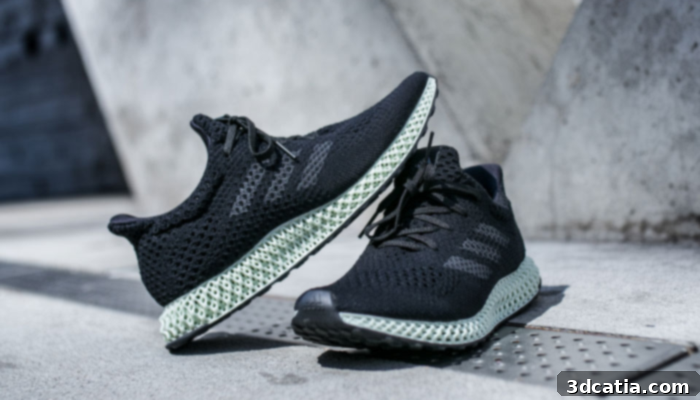
Adidas Futurecraft 4D shoes, in collaboration with Carbon.
May
May brought news from Blackbelt, the innovators behind a unique 3D printer featuring a conveyor belt as its print bed. The company successfully raised over €100,000 to fund the continued development of this ambitious project. The core innovation of the Blackbelt printer was its ability to produce parts of potentially unlimited length, as the finished print continuously moves off the conveyor belt. This design effectively turned the conveyor belt into an extended Z-axis, allowing for continuous, unattended production. A collection tray at the end of the belt gathers the completed prints, meaning the printer could operate autonomously without requiring constant supervision or aid, thus streamlining workflows and increasing throughput for industrial applications. Further insights are available here, and an interview with Blackbelt can be found here.
A significant material science breakthrough occurred at the Lawrence Livermore National Laboratory, where researchers successfully 3D-printed transparent glass. This achievement was particularly important because printing transparent glass had previously been deemed impossible using traditional additive manufacturing methods due to the material’s complex thermal and viscosity properties. Glass is an exceptionally useful material in scientific research, valued for its high chemical and heat resistance, as well as its optical clarity. This development opened new avenues for creating bespoke scientific instruments, microfluidic devices, and advanced optical components, promising to facilitate more successful experiments and innovations that benefit society. The full article is available here.
GE Additive, a major player formed by General Electric’s strategic acquisitions of Concept Laser and Arcam, demonstrated its commitment to the industry with a substantial €100 million investment in expansion. This significant capital injection was aimed at scaling up operations, with plans to increase its workforce from 200 to 300 employees by the end of the year. Furthermore, GE Additive announced its ambitious projection to sell 10,000 additive manufacturing machines in the coming years, indicating a strong belief in the widespread industrial adoption of 3D printing technologies and its aggressive strategy to lead this transformation. Read more about their expansion plans here.
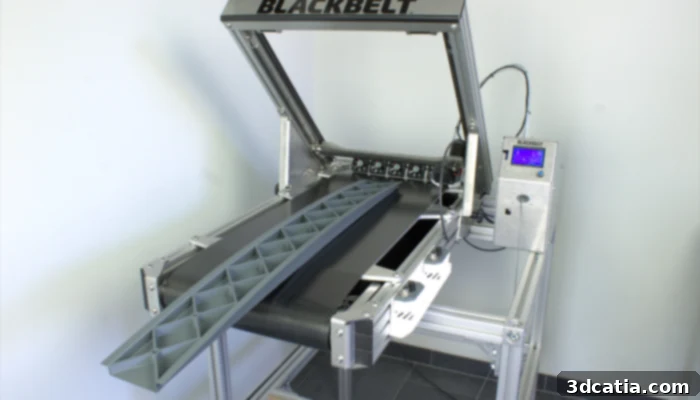
The Blackbelt 3D printer
June
June brought exciting news from the field of bioprinting. Researchers from the University of Science and Technology Pohang in South Korea announced a significant development in their efforts to 3D print human skin. They successfully demonstrated the ability to 3D print collagen-based skin, further enhanced with a polycaprolactone (PCL) membrane. This breakthrough held immense promise for medical applications, particularly for providing advanced treatment options for burn victims and revolutionizing drug testing by offering more accurate and ethical alternatives to animal testing. The ability to create functional, biologically relevant skin constructs opened new pathways in regenerative medicine. The full article is available here.
Further solidifying its commitment to industrial 3D printing, GE unveiled a colossal new printer named ATLAS. This machine boasted an enormous print area of 1000 x 1000 x 1000 mm, making it capable of producing exceptionally large metal components. Designed specifically for the rigorous demands of the aerospace industry, the ATLAS aimed to facilitate the creation of complex, lightweight parts for aircraft and spacecraft. The immediate market response was overwhelmingly positive, with GE announcing a staggering $31 million worth of orders just days after its unveiling, underscoring the high demand for large-format metal additive manufacturing solutions in critical industries. You can find the full article here.
Formlabs, a company renowned for its accessible and high-quality resin-based 3D printers, expanded its portfolio by unveiling its first Selective Laser Sintering (SLS) printer, the Fuse 1. What truly set the Fuse 1 apart was its highly disruptive price point. At a retail price of just $9,999, it was approximately 20 times cheaper than the industry average for comparable SLS machines. This move by Formlabs was poised to democratize SLS technology, making industrial-grade, functional prototyping and small-batch production accessible to a much wider audience, including small businesses, design studios, and educational institutions. Shipments for these printers were anticipated to begin in mid-2018. For more information, see the full article here.
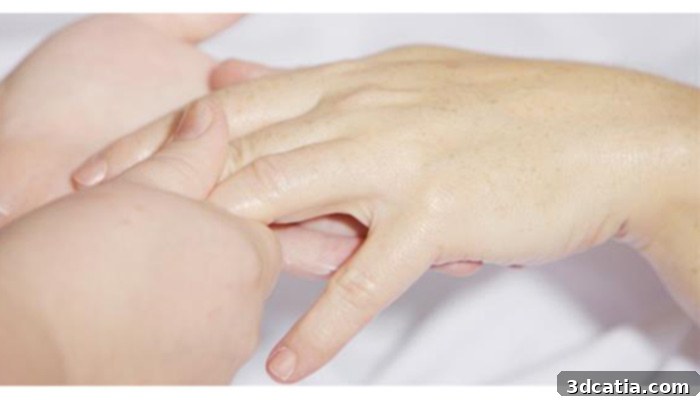
South Korean researchers have 3D printed replica human skin.
July
July saw innovative applications in the medical field. Researchers at the Zurich University of Applied Sciences achieved a remarkable feat by developing a 3D printed heart crafted from silicon. The intricate and complex internal structures of the human heart made traditional manufacturing methods impractical, thus necessitating the precision and freedom offered by 3D printing. While these prototype hearts had a limited lifespan, lasting only around 3,000 beats or approximately 30-45 minutes, they represented a crucial step forward. Such models are invaluable for surgical planning, testing medical devices, and advancing cardiovascular research. The ongoing challenge is to identify and develop materials capable of withstanding the immense pressures of human organ systems for significantly longer durations. The full article can be found here.
A unique collaboration between Snapchat and Royal Caribbean introduced the SeaSeeker, a 3D printed diving mask designed to integrate Snapchat spectacles. This innovative device allowed users to capture and share their underwater experiences directly to Snapchat, adding a new dimension to marine exploration and social media. The SeaSeeker showcased how 3D printing could enable bespoke product development for niche consumer experiences, combining cutting-edge technology with recreational activities. Discover more in the full article here.
In a testament to the creative potential of additive manufacturing, designer Martí Guixé unveiled the “Ex-Designer Bar” in Barcelona, a pioneering establishment where almost every element, from the drinking glasses to the stools, was 3D printed. What made this bar truly exceptional was the presence of three Cartesian 3D printers actively operating within the premises. These printers were not merely decorative; they continuously produced new improvements and customizations for the bar’s interior, demonstrating an agile and ever-evolving design philosophy. This unique concept transformed the bar into a living, dynamic exhibition of 3D printing capabilities in a public, commercial space. You can find out more here.
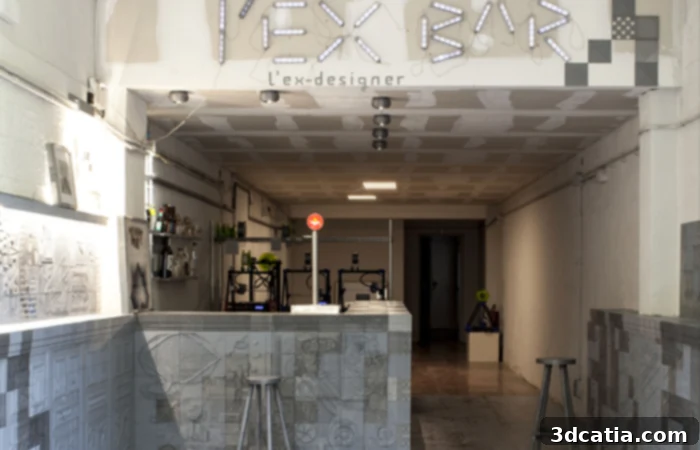
The “Ex-Designer Bar” in Barcelona
August
August highlighted humanity’s aspirations for off-world manufacturing. Made In Space unveiled ambitious plans for their Archinaut project, aiming to develop systems capable of 3D printing large structures directly in the vacuum of space. The company had already conducted successful tests of its printers in anti-gravity simulators, demonstrating the viability of additive manufacturing in challenging extraterrestrial environments. The long-term vision for Archinaut was to become a “build-to-order space platform,” where spacecraft and satellites could dock for on-demand construction, repairs, or upgrades, fundamentally changing how we approach orbital infrastructure and deep-space missions. Read the full article here.
The influential 2017 Gartner report on 3D printing offered critical insights into the future adoption and development of the technology. Gartner’s Hype Cycle for 3D Printing provided predictions, identifying key areas where mainstream adoption would occur within two years. Among these, 3D printed hearing devices and prototyping were highlighted as prime examples of applications already reaching widespread acceptance, showcasing the practical utility and growing maturity of the technology in specific niches. The report also pointed to numerous other anticipated developments, guiding industry players and investors. For a deeper dive into Gartner’s predictions, consult the full article here.
The US Army demonstrated the strategic utility of 3D printing by constructing a concrete army barracks. This impressive 512-square-foot building was rapidly fabricated using in-house 3D printing technology, developed in collaboration with NASA. This project was a crucial part of the Army’s ACES (Automated Construction of Expeditionary Structures) program, which focused on the development of semi-permanent buildings that could be 3D printed quickly and efficiently using locally available materials. Such capabilities were invaluable for military logistics, disaster relief, and rapidly establishing infrastructure in remote or austere environments. The full article can be found here.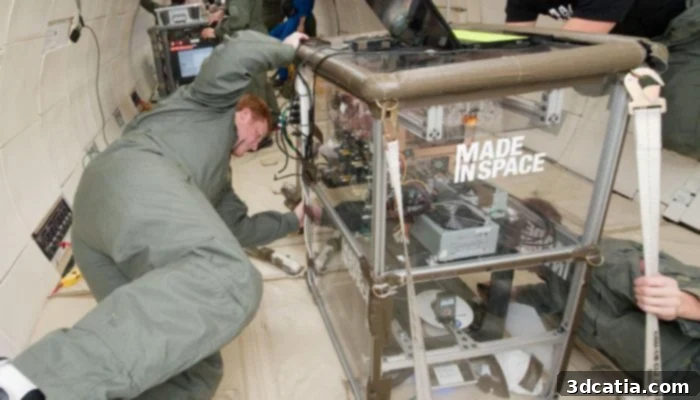
September
September brought innovations focused on user-friendliness and versatility. The new T3D mini-printer captivated attention with its impressive ability to print in multiple colors directly from a smartphone. Furthermore, its portable design allowed for convenient outdoor printing, expanding the possibilities for creative expression and on-the-go fabrication. A highly successful Kickstarter campaign validated the strong market demand for such an accessible and feature-rich device, ensuring that a significant number of these printers would begin shipping in the near future. This development signaled a move towards more consumer-centric and mobile 3D printing solutions. The full article is available here.
In a move to bridge the gap between different 3D printing technologies, manufacturer Layer One unveiled its latest machine, the Atom 3. What distinguished the Atom 3 from other printers was its innovative combination of two popular additive manufacturing methods: Fused Deposition Modeling (FDM) and stereolithography (SLA). This hybrid approach aimed to offer users the best of both worlds – the accessibility and material versatility of FDM, combined with the superior resolution and smooth surface finish typically associated with SLA. By integrating these two technologies, Layer One sought to provide a versatile solution for users who required both robust functional prototypes and highly detailed aesthetic models. The company planned to begin shipping these groundbreaking printers within the subsequent year. For more information, read the full article here.
The T3D prints directly from your smartphone.
October
October saw the UK Government publish a significant review that underscored the transformative economic potential of technologies such as 3D printing. The report concluded that investing in advanced manufacturing could add an impressive £455 billion to the economy and create 175,000 new jobs. Amidst the economic uncertainties surrounding Brexit, Britain was actively seeking new growth drivers, and this report identified substantial investment in cutting-edge technologies like 3D Printing and Artificial Intelligence as a vital pathway to improving the nation’s economic climate and fostering innovation. This highlighted the strategic recognition of additive manufacturing at the highest levels of government. The full article can be accessed here.
In a groundbreaking medical advancement, researchers at New Zealand’s Massey University developed a novel 3D printer capable of creating corneas. What made this achievement even more remarkable was that these bioprinted corneas, derived from Hoki fish scales – a material previously considered a waste product – could then be successfully transplanted into humans. With an estimated 10 million people worldwide suffering from corneal blindness and in need of transplants, this innovation held profound, far-reaching implications for global healthcare, offering a sustainable and accessible solution to a critical medical need. For further details, read the full article here.
Amazon made a notable acquisition in October, purchasing Body Labs, a startup specializing in 3D technology for scanning and modeling the entire human body. This acquisition, reportedly valued between $50-70 million, allowed Body Labs’ advanced software to create accurate 3D digital avatars from simple images, enabling applications such as virtually trying on clothes. For Amazon, this strategic move promised to revolutionize online retail by enhancing virtual fitting room experiences, potentially reducing returns, and facilitating highly personalized product recommendations in fashion and apparel. It also signaled the growing integration of 3D scanning and modeling into mainstream consumer-facing applications. The full article on this acquisition is available here.
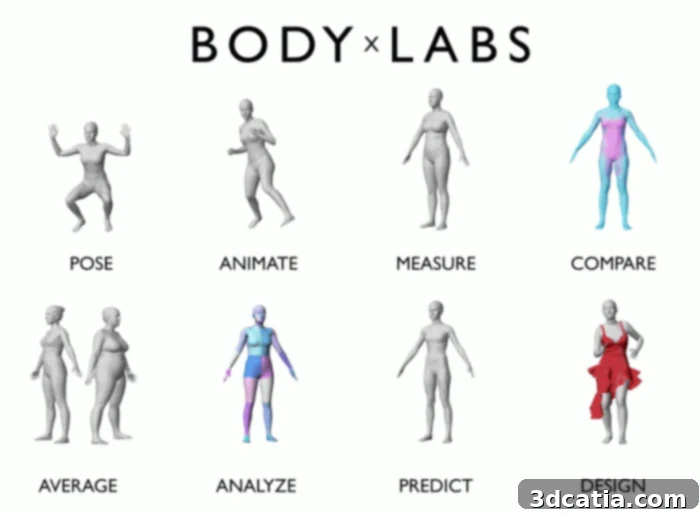
Body Labs’ 3D software
November
November highlighted both the capabilities and potential vulnerabilities associated with 3D printing. Vietnamese security experts at Bkav successfully used a 3D printed mask to bypass the highly touted Face ID facial recognition system on the newly released iPhone X. Their method involved creating a mask with a 3D printed frame combined with a silicone nose and other elements to trick the phone into recognizing it as a legitimate human face. This incident underscored the critical importance of robust security measures in an age where advanced manufacturing techniques like 3D printing can be leveraged for both legitimate and illicit purposes, posing challenges for biometric authentication systems. The full article detailing this security bypass can be found here.
HP further expanded its formidable presence in the industrial additive manufacturing market by announcing a new 3D printer, the Jet Fusion 3D 4210. This machine was specifically engineered for high-volume, industrial-scale 3D production, aiming to drastically reduce operating costs while simultaneously increasing production throughput. HP claimed that the Jet Fusion 3D 4210 could offer a remarkable 65% savings on costs per piece compared to rival technologies, positioning it as a highly competitive solution for businesses looking to transition from traditional manufacturing to additive processes for end-part production. This release solidified HP’s aggressive strategy to lead the industrialization of 3D printing. The full article is available here.
Engineers at MIT achieved a significant breakthrough in FDM technology, developing an FDM 3D printer that could print an astounding 10 times faster than the average desktop FDM machine. This extraordinary speed was made possible by integrating a new kind of extruder that utilized a laser, similar to those found in Selective Laser Sintering (SLS) systems, alongside a novel screw mechanism designed to rapidly heat and extrude material. The emphasis on speed addressed one of the primary bottlenecks in many 3D printing applications, promising to accelerate prototyping cycles and open up new possibilities for on-demand manufacturing where rapid production is paramount. More details are available in the full article here.

Bkav’s 3D printed mask which bypassed the iPhone X’s Face ID.
December
December rounded out the year with a focus on enhancing aesthetic and functional capabilities. Formlabs announced a vibrant range of colored resins for its SLA 3D printers, specifically available for the popular Formlabs Form 2 3D printer. This “Color Kit” allowed users to mix and create custom hues or choose from pre-existing options, enabling direct color printing. This innovation significantly streamlined the post-processing workflow by eliminating the labor-intensive and time-consuming need to paint parts after printing, making it ideal for visual prototyping, consumer product development, and artistic applications where color accuracy and efficiency are crucial. The full article can be found here.
Further advancements in high-speed 3D printing emerged from a collaborative study conducted by the Lawrence Livermore National Laboratory (LLNL) in partnership with MIT, the University of Rochester, and UC Berkeley. Their research demonstrated that the integration of holograms into the 3D printing process could dramatically accelerate fabrication speeds. This novel approach, building on earlier volumetric printing concepts, held immense potential for fundamentally transforming the speed of additive manufacturing, moving towards near-instantaneous part creation rather than layer-by-layer deposition. Such breakthroughs could unlock new levels of efficiency for industrial production and on-demand manufacturing. Explore the full article here.
The Zurich Institute of Technology (ETH Zurich) unveiled an extraordinary innovation in bioprinting: the development of a biocompatible ink formulated from living bacteria. This pioneering breakthrough opened entirely new frontiers in the field of biological additive manufacturing. Such living inks could potentially lead to the production of advanced biomedical cellulose for various applications or the creation of functional biological materials capable of actively destroying toxic substances in environmental or medical contexts. This research exemplified the cutting edge of integrating biology and engineering, paving the way for truly bio-interactive and smart materials.
Formlabs’ color kit for their SLA 3D printers.
Indeed, 2017 was undeniably a landmark year for 3D printing and additive manufacturing. It was a period defined by accelerating innovation, significant investments, and a clear shift towards industrial adoption and new material capabilities, particularly in metal. From groundbreaking scientific discoveries in materials like graphene and transparent glass to revolutionary applications in construction, healthcare, and consumer goods, the industry showcased its immense versatility and transformative potential. The year also saw critical developments in printing speed, cost reduction, and the introduction of advanced technologies like holographic printing and living inks, all of which laid robust foundations for future growth and impact. These milestones collectively propelled 3D printing from a niche technology into a formidable force shaping manufacturing and beyond.
What were your favorite 3D printing breakthroughs of 2017? Share your thoughts in a comment below or connect with us on our Facebook and Twitter pages! Don’t miss out on the latest advancements – sign up for our free weekly Newsletter here and get 3D printing news delivered straight to your inbox!