
Pioneering the Future: Top 10 Innovative 3D Printing Startups in the US Transforming Industries
On 3Dnatives, we frequently highlight the established titans of additive manufacturing, including prominent machine manufacturers, comprehensive 3D printing services, and advanced material suppliers. However, the true dynamism of this transformative technology is increasingly being driven by a rapidly expanding ecosystem of innovative startups. These ambitious entrepreneurs recognize 3D printing not just as a tool, but as the foundational future of their respective industries. They are venturing into remarkably diverse sectors, ranging from critical medical applications and sustainable construction solutions to high-performance sports equipment and cutting-edge aerospace engineering. To offer a deeper insight into the visionary companies pushing the boundaries of what 3D printing can achieve across an array of applications, we’ve compiled a list of 10 truly innovative 3D printing startups making significant strides in the United States.
ICON – Revolutionizing Construction with 3D Printed Houses
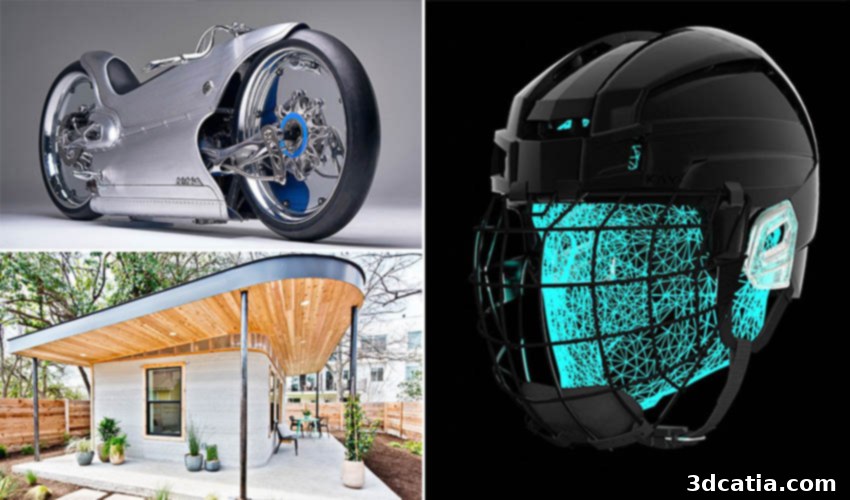
ICON, a groundbreaking construction technologies company headquartered in Austin, Texas, is at the forefront of tackling persistent challenges within the building industry. They achieve this through the sophisticated integration of proprietary 3D printing robotics, advanced software, and specialized materials. ICON has made significant headlines by demonstrating that the cost of 3D printing a house can be almost 50% cheaper than traditional construction methods, offering a compelling solution to affordable housing. Furthermore, they hold the distinction of being the first company in America to successfully secure a building permit for a 3D printed home, marking a pivotal moment for mainstream adoption. Their commitment to global impact is evident in their upcoming project: a pioneering initiative aimed at providing housing for 50 families in a remote region of Southern Mexico, creating what will be the world’s first large-scale 3D-printed community. This endeavor highlights not only their technological prowess but also their dedication to addressing critical societal needs through innovation.

Image credits: ICON
To underpin their ambitious activities in the construction sector, ICON developed a colossal 3D printer capable of additively manufacturing entire building walls in under 24 hours. This marvel of engineering, known as the Vulcan, represents ICON’s next-generation construction 3D printer. It is meticulously designed to produce resilient, single-story buildings with unprecedented speed, greater affordability, and significantly enhanced design freedom. For their building material, ICON utilizes Lavacrete, a proprietary cement-based mix that offers superior properties compared to conventional materials. Unlike traditional concrete, Lavacrete is specifically engineered to withstand extreme weather conditions, thereby minimizing the impact of natural disasters and offering increased durability and safety for future residents. This combination of advanced robotics, innovative materials, and a clear social mission positions ICON as a leader in transforming global housing solutions through additive manufacturing.
KAV – Custom 3D Printed Helmets for Enhanced Safety
KAV, a dynamic startup based in California’s Silicon Valley, has channeled the power of 3D printing technology into revolutionizing protective headgear, starting with helmets for hockey players. Recognizing a significant gap in the market for personalized safety equipment, KAV employs advanced polymers, such as robust TPU (Thermoplastic Polyurethane), in conjunction with sophisticated machine learning algorithms. This innovative approach allows them to create custom-fit helmets not only for professional athletes but for every individual. Their primary objectives are to overcome the pervasive lack of personalization and size variation inherent in traditionally manufactured hockey helmets, while simultaneously making these superior protective solutions more accessible and affordable. KAV strategically leverages Fused Deposition Modeling (FDM) 3D printing, a cost-effective method for producing products of this size, making it a more viable option compared to alternatives like Selective Laser Sintering (SLS) for their specific application.
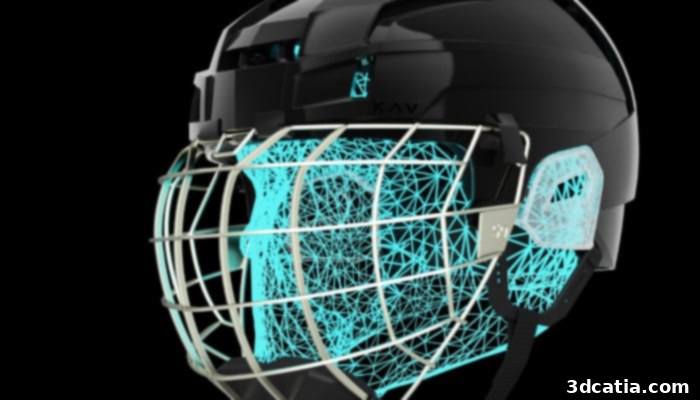
When it comes to the intricate design and construction of their helmets, KAV’s innovation truly shines. The interior components are meticulously crafted from advanced carbon polymers. By integrating machine learning algorithms into their design process, KAV can precisely optimize material placement throughout the helmet’s structure. This intelligent optimization results in a significant reduction in the helmet’s overall weight, enhancing player comfort and agility without compromising protection. Furthermore, KAV has ingeniously simplified the helmet design by eliminating the standard two-shell mechanism, common in traditional helmets. This streamlined approach not only contributes to the weight reduction but also allows for a more integrated and potentially safer single-structure design. By offering superior protection through custom fit and optimized material use, KAV is setting new standards for safety in sports equipment through the power of additive manufacturing.
Multiply Labs – Pioneering Personalized Medication with 3D Printed Pills
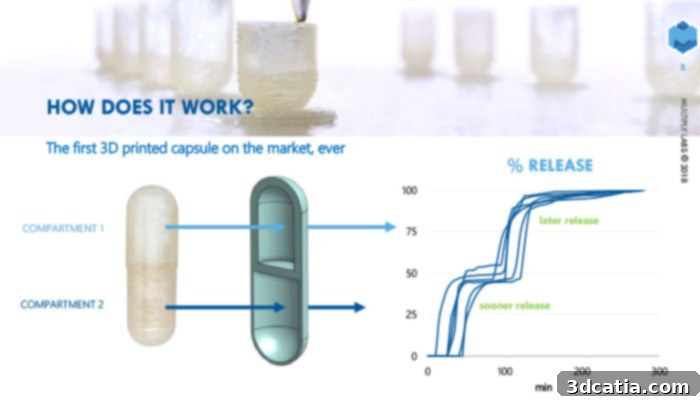
Multiply Labs represents a groundbreaking evolution in personalized pharmaceutical solutions. This innovative company specializes in producing unique 3D printed capsules designed to fundamentally change how patients manage their medication. What sets their capsules apart is their ability to deliver all the medication a patient requires throughout an entire day within a single, convenient pill. Imagine a scenario where a patient could consolidate multiple prescriptions into one unified dose – this is the future Multiply Labs is building. The magic lies in the programmed release mechanism of these capsules; they are engineered to precisely control the release of various pharmaceutical ingredients over specific periods throughout the day. The capsules themselves are crafted from Hydroxypropyl Cellulose (HPC), a very specific and safe pharmaceutical polymer. HPC is water-soluble, ensuring it can be consumed without harm and dissolves naturally within the human body. Multiply Labs employs FDM (Fused Deposition Modeling) technology for the precise and consistent printing of these advanced capsules, paving the way for truly individualized and effective drug delivery.
BIOLIFE4D – The Future of Organ Transplants Through Bioprinting
BIOLIFE4D, a pioneering biotech company headquartered in Chicago, US, is dedicated to overcoming one of medicine’s most pressing challenges: the critical shortage of organs for transplant. The company has developed a suite of proprietary technologies, notably including its advanced bioinks. These bioinks are not merely printing materials; they are revolutionary compositions made from living cells, enabling specialized 3D bioprinters to create complex tissue models and, ultimately, functional organs. BIOLIFE4D garnered international attention for a significant breakthrough: 3D printing a tiny human heart. While currently smaller than a full-sized adult heart, the profound importance of this achievement lies in the fact that this 3D bioprinted organ exhibits the exact same cellular structure and intricate biological components as a real, human heart. This monumental step demonstrates the feasibility of creating complex organ structures using patient-specific cells.
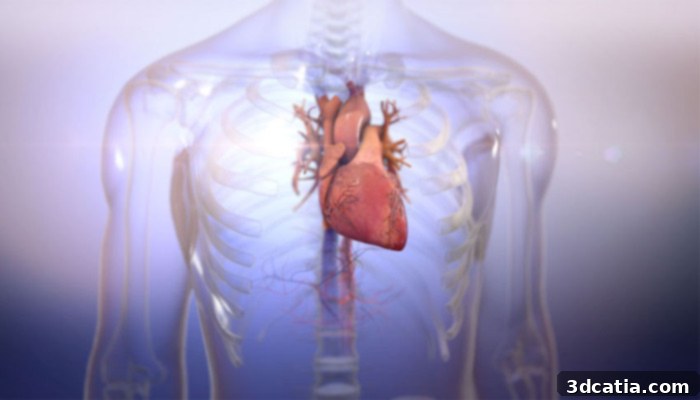
At its core, BIOLIFE4D envisions a future where they can bioprint hearts that are fully viable for transplant, effectively addressing the severe global organ supply crisis. A key aspect of their groundbreaking methodology is the use of the patient’s own cells for the bioprinting process. This eliminates the risk of organ rejection, a pervasive and life-threatening complication in traditional organ transplantation. Consequently, patients would no longer require the intensive and often debilitating immunosuppressant therapy that current donor recipients must endure – a therapy known to contribute to various adverse health conditions and significantly impact quality of life. By harnessing the power of patient-specific bioprinting, BIOLIFE4D promises a future of personalized medicine, offering hope for countless individuals awaiting life-saving organ transplants.
FossiLabs – Advancing Medical Implants with Porous PEEK 3D Printing
FossiLabs, a forward-thinking startup based in the US, is making significant strides in the field of medical implant devices. Their core focus lies in developing advanced FDM 3D printers specifically engineered to produce these critical components. A key aspect of their innovation revolves around the PEEK material (Polyether Ether Ketone), a high-performance thermoplastic that has garnered considerable attention in the medical sector over recent years. PEEK’s appeal for implants stems from its exceptional biocompatible properties, which allow it to interact harmoniously with the human body, reducing the risk of adverse reactions and promoting long-term integration. FossiLabs is specifically leveraging these advantages to enhance bone growth and integration within patients receiving implants.
FossiLabs’ overarching aim is to proactively promote superior bone growth and stability around medical implants. To achieve this, the company has developed a proprietary manufacturing process that enables the creation of a first-of-its-kind 3D printed PEEK porous medical implant. What truly differentiates FossiLabs’ implants from others on the market is the extent of their porosity. While some 3D printed PEEK implants may feature surface porosity, FossiLabs has engineered their entire implant structure to be porous. This comprehensive porous architecture provides an ideal scaffold for bone cells to grow into and through, facilitating faster osseointegration and potentially leading to more stable and long-lasting implant solutions for patients. This innovation holds immense promise for improving patient outcomes in orthopedic and reconstructive surgeries, marking FossiLabs as a key innovator in additive manufacturing for healthcare.
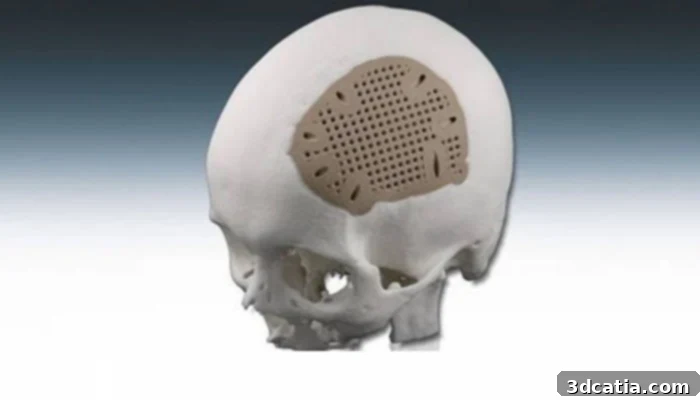
Cranial implant example made from PEEK.
Tarform – Crafting Sustainable 3D Printed Motorcycles
Tarform Motorcycles is a visionary startup operating out of Brooklyn and Stockholm, specializing in the development of high-performance motorcycles through the innovative application of additive manufacturing. Beyond just performance, Tarform is deeply committed to environmental responsibility, utilizing eco-friendly and sustainable materials throughout the fabrication of its vehicles. A prime example of their dedication was last year’s release of their groundbreaking zero-emission electric motorcycle, which extensively integrated additive manufacturing processes. Numerous internal mounts, the headlight lens, and the lens bucket were precisely 3D printed using biodegradable PLA, significantly reducing their ecological footprint. Furthermore, for the body and side panels, they opted for ECO flax fiber reinforcement instead of the more common carbon fiber, showcasing a commitment to sustainable yet robust construction. The exterior aesthetic parts of the motorcycle were produced using a versatile combination of various 3D printing technologies, including FDM, SLA (Stereolithography), and SLS (Selective Laser Sintering), allowing for optimal material properties and design complexities for each component. This blend of cutting-edge technology and environmental consciousness positions Tarform as a trailblazer in the future of sustainable mobility.

Image credits: Tarform Motorcycles
Fuller Moto – Artistic and High-Performance Custom Motorcycles
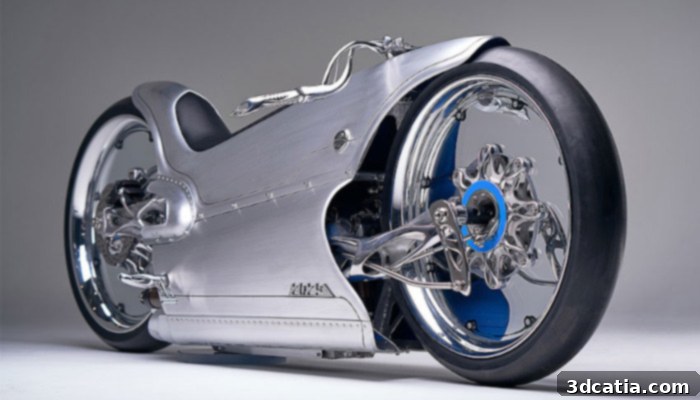
Given that additive manufacturing provides the unparalleled capability to construct highly optimized, aesthetically striking, and significantly lighter components compared to those produced by traditional methods, it’s hardly surprising that a growing number of vehicle manufacturers are eager to leverage 3D printing technologies. Among these innovators, Fuller Moto stands out as a particularly noteworthy startup. Based in Georgia, this American company has rapidly ascended to become one of the premier workshops globally for the bespoke design and intricate customization of both cars and motorcycles. One of their most recent and undeniably impressive projects is the Fuller Moto 2029. This futuristic motorcycle is a captivating tribute to the iconic style of the legendary French bike, the Majestic 1929. The Fuller Moto 2029 is an all-electric marvel, featuring a meticulously sculpted, fully enclosed aluminum body, striking transparent polycarbonate wheels, and, crucially, a host of intricately designed 3D printed titanium parts. The integration of 3D printing allows for unique geometries, superior strength-to-weight ratios, and unprecedented levels of customization, pushing the boundaries of vehicle design and engineering. This project perfectly exemplifies how additive manufacturing can merge art with advanced engineering to create truly unique and high-performance machines.
Relativity Space – 3D Printing the Future of Space Exploration
The American startup Relativity Space is wholly dedicated to pioneering the design and manufacturing of 3D printed rockets, aiming to transform the aerospace industry. Before co-founding and becoming CEO of Relativity, Tim Ellis gained invaluable experience as a development engineer at Jeff Bezos’ formidable space company, Blue Origin. In 2015, Ellis joined forces with Jordan Noone, previously from SpaceX, to launch Relativity Space. Since its inception, the company has attracted substantial investment, successfully raising over $185 million in total from a diverse group of investors, including prominent individuals like former Disney president Michael Ovitz and acclaimed artist Jared Leto. With this significant capital, the California-based company is steadfastly determined to complete the production of Terran 1, poised to become the world’s first entirely 3D printed rocket. This ambitious endeavor promises to drastically reduce lead times, costs, and complexity in rocket manufacturing.
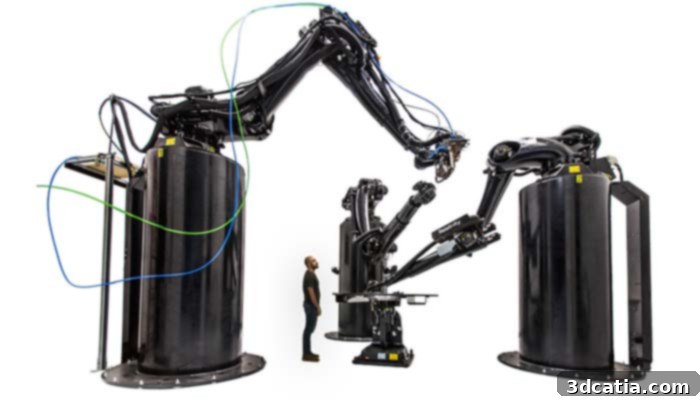
The Stargate metal 3D printer that prints rockets. (Image credits: Relativity)
To enable the creation of extremely large, monolithic structures essential for rockets, such as expansive fuel tanks and airframes, Relativity ingeniously developed its own proprietary robotic 3D printing technology, aptly named Stargate. Stargate holds the distinction of being the largest metal 3D printer in the world. It operates with sophisticated robotic arms, a custom-designed print head, advanced sensors, and specialized software to precisely deposit high-strength aluminum, forming the robust backbone of their rocket structures. Following the creation of these large primary components, smaller, highly detailed parts fabricated using traditional powder-bed metal 3D printers are meticulously integrated into the rocket’s overall assembly. This innovative approach allows Relativity to rapidly iterate designs, reduce component count, and ultimately make space access more efficient and affordable, paving the way for future lunar and Martian missions.
Gantri – Sustainable and Designer 3D Printed Consumer Goods
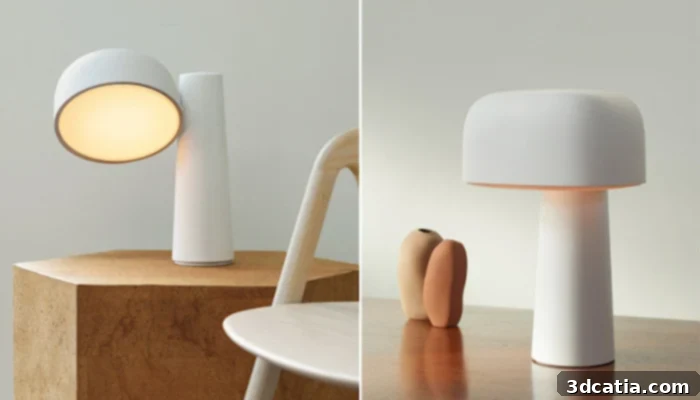
Gantri, a cutting-edge digital manufacturing company based in San Francisco, is redefining the landscape of consumer goods, with a particular focus on designer lighting. All of Gantri’s exquisite products – encompassing a wide range of table lamps, floor lamps, and wall fixtures – are produced through the innovative application of 3D printing. To foster their unique and diverse collection, the company collaborates with top designers from across the globe, transforming their creative visions into tangible products. In terms of 3D printing technology, Gantri operates a sophisticated fleet that includes a mix of highly modified desktop FDM (Fused Deposition Modeling) printers, alongside their own proprietary Dancer 3D printer, optimized for their specific production needs. A core tenet of Gantri’s philosophy is sustainability; they are deeply committed to producing lighting from environmentally responsible materials. Consequently, their proprietary blends of PLAs (Polylactic Acid) are primarily derived from renewable resources such as corn, and also incorporate starch sourced from sugar beets or sugar cane. This dedication to eco-friendly production, combined with high-quality design and advanced manufacturing, allows Gantri to offer uniquely stylish and sustainable home decor solutions to a discerning market.
Twindom – Preserving Memories with 3D Printed Figurines
Twindom is a pioneering startup that masterfully utilizes the very latest 3D technologies to create incredibly detailed miniature figurines of real people, pets, and cherished moments. The company’s heartfelt vision is to empower anyone to transform their most important memories into physical keepsakes that can be shared and held for generations. At the core of Twindom’s offering is their innovative full-body 3D scanner. This advanced system allows for the rapid and accurate capture of a person’s likeness, generating a vibrant, full-color 3D rendering. The business strategically targets demographics such as families, parents, and pet owners – essentially, anyone who wishes to preserve “a piece” of someone or something dear to them in a tangible, lasting form. Twindom’s exquisite full-color 3D prints are predominantly produced using high-quality Nylon, leveraging the advanced capabilities of HP Multi-Jet Fusion 580 full-color 3D printers. This particular additive manufacturing technology is renowned for its ability to produce parts with fine detail and robust mechanical properties, alongside vibrant and accurate coloration. The additively manufactured figurines are available in a variety of convenient sizes, including full-body, half-body, and bust options, ensuring that every memory can be perfectly encapsulated and treasured.

The 3D printed Twindom figurines in different sizes.
The landscape of additive manufacturing is continuously evolving, driven by the ingenuity and ambition of startups like these. From constructing affordable homes and crafting personalized medical solutions to launching rockets into space and preserving precious memories, 3D printing is proving its transformative power across an incredibly diverse range of industries. These US-based companies are not just developing new products; they are shaping the future of how we live, build, heal, and explore. Their innovations underscore the immense potential of 3D printing to create more efficient, customized, and sustainable solutions for the challenges of tomorrow.
Find more startups that we have interviewed HERE!
What are your thoughts on these groundbreaking US 3D printing startups? We encourage you to share your insights in a comment below or join the conversation on our Facebook and Twitter pages. Don’t forget to sign up for our free weekly newsletter, to receive all the latest news and developments in the world of 3D printing delivered directly to your inbox!