How 3D Printing Shaped Sagrada Familia’s Jesus Tower

featured 70872

At 172.5 meters, the Tower of Jesus Christ makes the Sagrada Família the tallest Catholic church in the world. Pope Leo XIV blessed it on June 10, 2026, 144 years after the cornerstone was laid. Crowning the tower is a cross that measures 17 meters tall, 13 meters wide and weighs more than 12 tons. … Read more
MIT Researchers 3D Print Electrospray Emitters for Wider Access

featured 70833

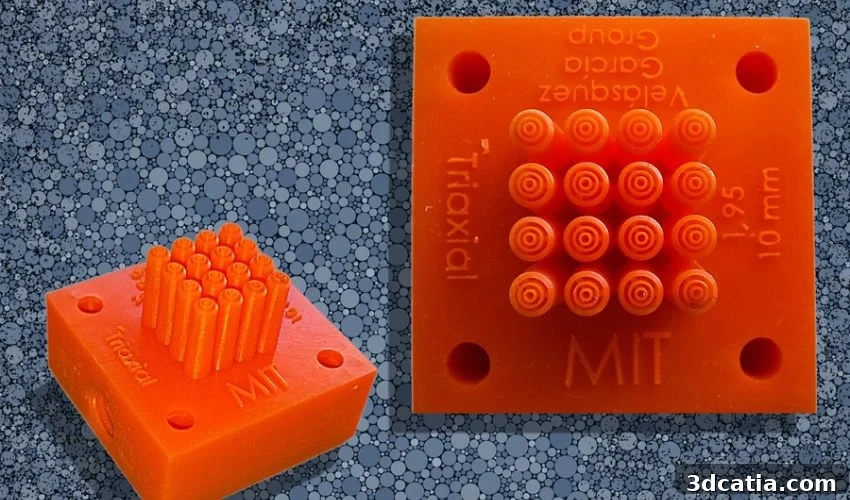
Researchers at the Massachusetts Institute of Technology (MIT) have developed low-cost 3D printed electrospray emitters, also known as triaxial electrospray emitters. These miniature electronic nozzles are designed to produce highly controlled microscopic droplets. In the past, devices of this kind typically required several days of fabrication inside expensive semiconductor cleanrooms, the same specialized facilities used … Read more

Support Free 90 Degree Overhangs on FDM 3D Printers

featured 70858

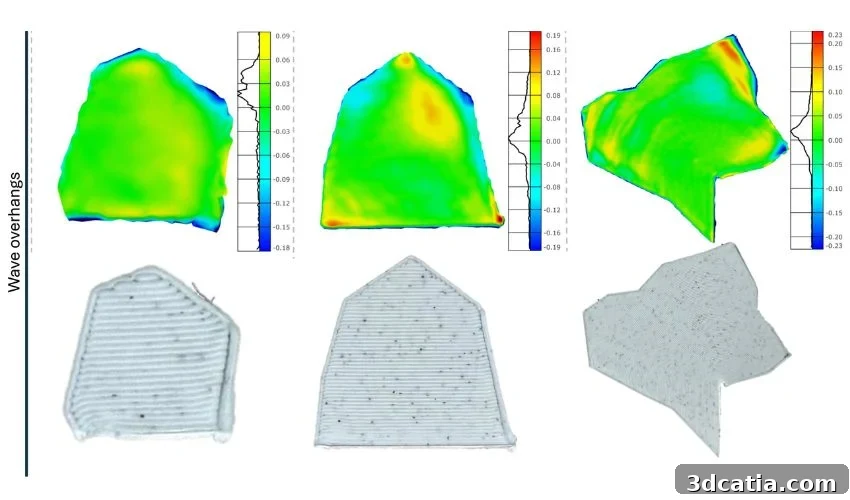
For years, users of standard 3-axis fused deposition modeling (FDM) 3D printers have worked around the same limitation: horizontal overhangs usually require support material. Without a sacrificial structure beneath the feature, the freshly extruded thermoplastic can droop, stretch, or collapse before it cools. This rule has shaped the way parts are designed, sliced, printed, and … Read more

How Volumetric 3D Printing Became Cell Compatible

featured 70867

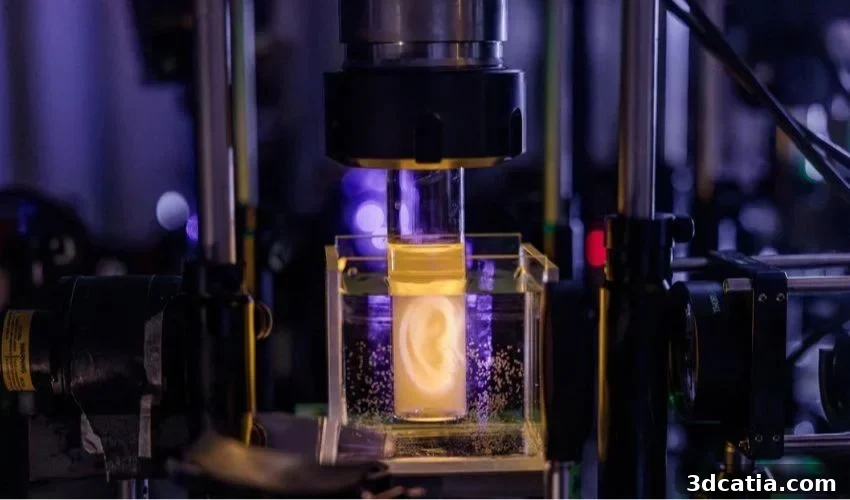
Researchers at the Swiss Federal Institute of Technology in Lausanne (EPFL) have reported a major advance in volumetric 3D printing, improving a technology that has been under development since 2017. The latest version of the method is significantly more energy-efficient than earlier approaches and, for the first time, has been used to print structures containing … Read more

Could the Next Breakthrough 3D Printing Material Come from Your Kitchen?

featured 70812

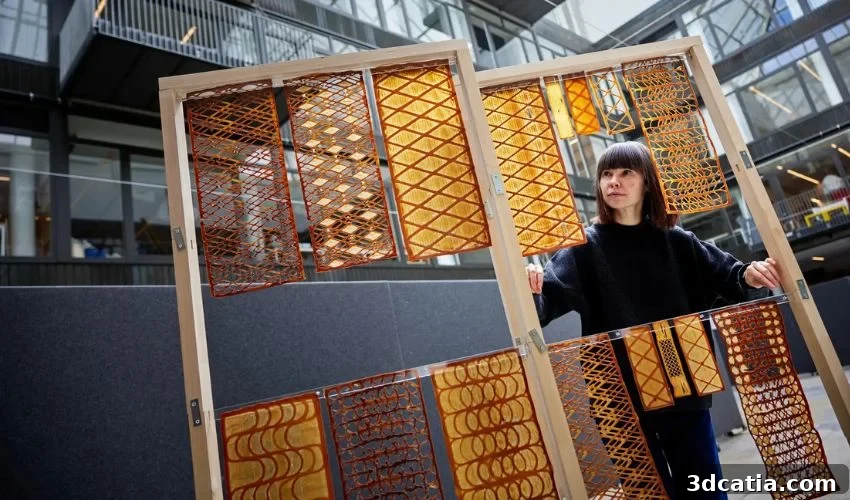
Researchers at Chalmers University in Sweden have developed a biodegradable 3D printing material made from baker’s yeast, wood cellulose fibers, seaweed alginate, vegetable glycerol, and water. The goal is to create an alternative to conventional construction and interior materials—such as plastics, plaster, or synthetic textiles—using organic and industrial byproducts. Each component has a clear purpose. … Read more

Formnext 2026: Key Trends, Innovations, and What to Expect

featured 70808

The countdown to Formnext 2026 has officially begun. On June 9, Formnext vice presidents Sascha F. Wenzler and Christoph Stüker presented the upcoming edition in Paris. The event will take place in Frankfurt from November 17 to 20. This article summarizes the key announcements and developments to expect at the eleventh edition of the trade … Read more

Top 3D Prints to Celebrate the 2026 World Cup

featured 70775

The wait is over: the World Cup starts today. As the world’s biggest football tournament kicks off, bring that stadium energy into your home and celebrate your team with standout 3D prints. From custom player figurines and home decor to snack bowls for watch parties, these printable projects will upgrade your match-day setup. Load your … Read more

Formlabs Fuse X1: Affordable Industrial Large-Format SLS 3D Printer

featured 70795

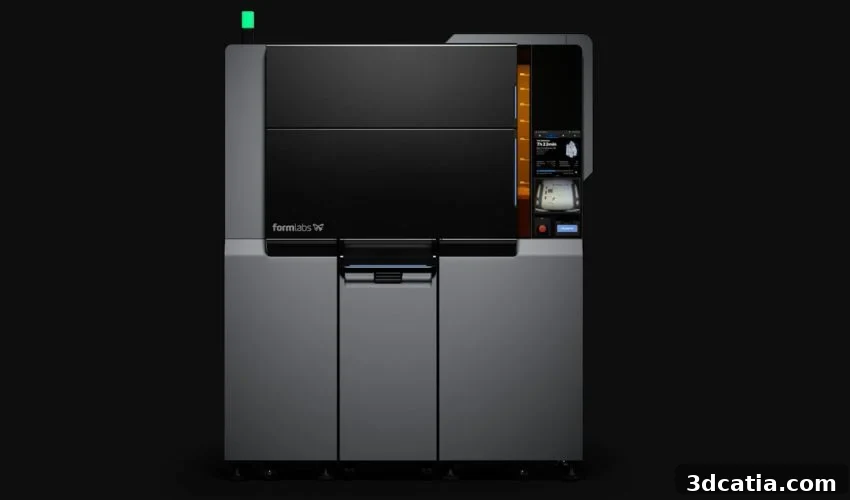
Today, Formlabs announced a new large-format SLS ecosystem, delivering production-quality parts the same day at up to 50% lower cost and three times the throughput of competing systems. The Fuse X1 ecosystem is available starting at $84,999 and open for orders with deliveries beginning in Q4 2026. This selective laser sintering system is aimed at … Read more

Digital Dentistry and Ethics: Ben Wynne on Automation’s Future

featured 70692

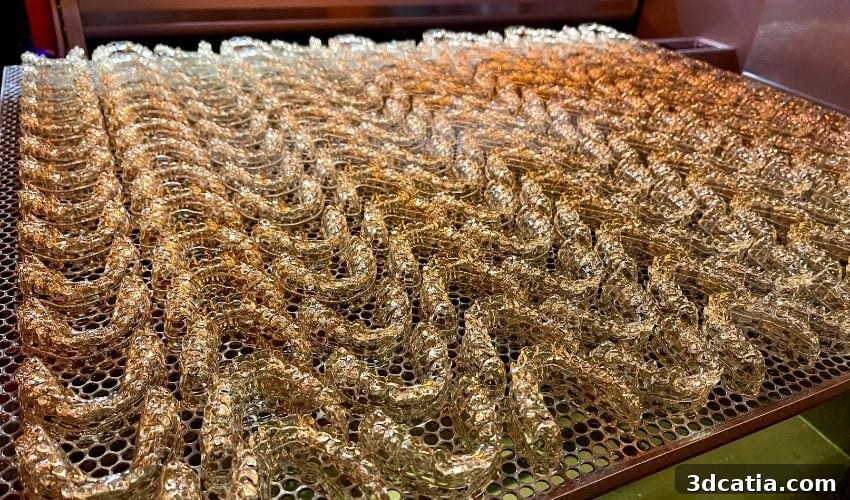
Anyone who has replaced traditional braces with clear dental aligners understands the appeal: aligners are more comfortable and far less conspicuous than metal wires. This growing preference for a discreet orthodontic experience is driving a major market shift and accelerating dental 3D printing, a sector forecast to expand from roughly $3 billion today to more … Read more

Resonant Mixing for AM Materials: Boost Development and Production Consistency

featured 70761

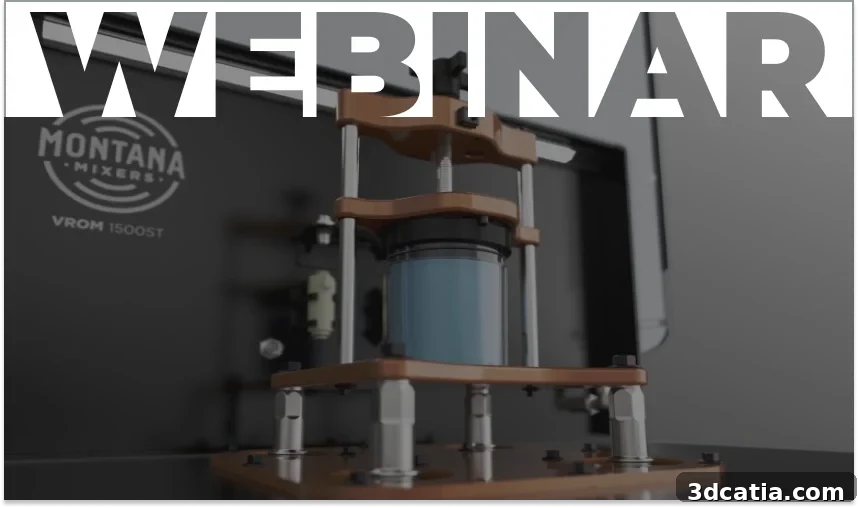
We’ve all shaken a jar to mix something. Now imagine doing it 60 times per second, at accelerations reaching 100G, applied to advanced materials used in additive manufacturing. This is Vertical Resonant Oscillatory Mixing (VROM), a technique that many AM teams are adopting to address a frequently overlooked variable: material preparation before a feedstock ever … Read more