
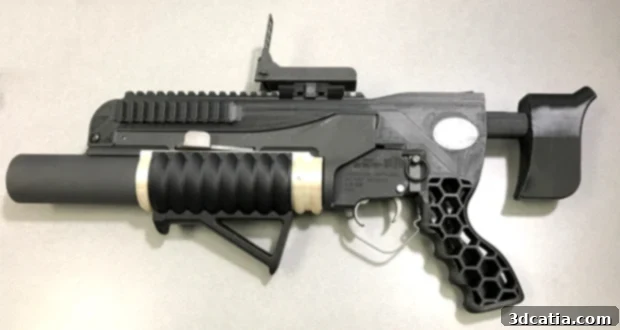
The Growing Threat: 3D-Printed Weapons, the Dark Web, and Global Security Implications
The advent of 3D printing technology, while heralding a new era of innovation and accessibility across countless industries, has concurrently ignited a profound and complex debate regarding its potential for misuse, particularly in the realm of weapon manufacturing. Since 2013, the controversy surrounding 3D-printed weapons has escalated, becoming a critical point of discussion within international security and law enforcement circles. A pivotal moment in this unfolding narrative occurred on May 6, 2013, when Cody Wilson, representing the organization Defense Distributed, publicly unveiled and subsequently distributed the digital blueprints for the “Liberator” – a fully functional handgun primarily produced using a 3D printer. This event sent shockwaves globally, demonstrating the alarming ease with which firearms could potentially be manufactured outside traditional regulatory frameworks.
The rapid dissemination of these digital files underscored the unprecedented challenges posed by this new technology. Within a mere two days of its release, the Liberator’s blueprints were downloaded and circulated across various online networks more than 100,000 times. This viral spread prompted swift action from authorities, with the U.S. Department of State issuing a cease and desist order to Defense Distributed, demanding an immediate halt to the distribution of these files. While Defense Distributed complied with the order, the inherent nature of digital information meant that the files, once released into the public domain, continued to be shared and accessed on other, less regulated networks. This unchecked proliferation of weapon designs presented a formidable new challenge to national security and global arms control efforts, raising urgent questions about how to manage technologies with dual-use potential.
It is precisely because of these significant and evolving risks, exemplified by the “Liberator” incident and the subsequent unchecked sharing of digital firearm designs, that prominent research institutions have committed to in-depth investigations. Recognizing the urgent need to understand the scope of this emerging threat, Rand Europe and the University of Manchester embarked on a joint study. The primary objective of their comprehensive research was to meticulously highlight and analyze the potential dangers that 3D printing technology could pose, particularly as access to designs for homemade 3D-printed firearms became increasingly effortless and alarmingly inexpensive. Their findings revealed that individuals could procure blueprints for their own 3D-printed guns on the dark web for prices as low as $12, underscoring the accessibility and affordability that significantly lower the barrier to entry for illicit weapon manufacturing. This accessibility transforms theoretical threats into tangible concerns, demanding immediate attention from policymakers and security agencies worldwide.
https://www.youtube.com/watch?time_continue=20&v=drPz6n6UXQY
A significant aspect of the study focused on the “Dark Web,” a hidden portion of the internet inaccessible through standard search engines like Google. This obscure digital landscape is notoriously home to numerous black markets, often referred to as “Cryptomarkets,” where illicit goods and services are traded with a high degree of anonymity. To gain a deeper understanding of this clandestine ecosystem, the researchers meticulously observed and collected data from 12 of these Cryptomarkets over the course of a week in September 2016. This intensive period of surveillance allowed them to identify patterns, monitor transactions, and analyze the types of products and services being offered in these shadowy online marketplaces. The study’s methodology provided an unprecedented look into the inner workings of an area of the internet that actively facilitates illegal activities, including the trade of sensitive digital files and physical contraband.
The findings from their comprehensive research within these dark web markets revealed a particularly disturbing trend related to firearms. Instructions for manufacturing various types of firearms were identified as the second most popular category of firearm-related purchases. The study cataloged an astonishing 222 active listings for digital and CAD (Computer-Aided Design) files explicitly detailing how to produce weapons using 3D printing technology. This prevalence indicates a significant demand within the dark web community for the means to create untraceable, homemade firearms. While these digital sales were substantial, they were only surpassed in volume by the sale of actual physical firearms, which accounted for approximately 339 active listings during the study period. This hierarchy highlights the dual threat posed by the dark web: not only does it facilitate the trade of existing weapons, but it also actively provides the blueprints for creating new, potentially unregulated ones, further complicating law enforcement efforts to curb illegal arms proliferation globally.
3D Model of a Firearm
Elaborating on the stark reality of this digital underground, Judith Aldridge, a distinguished Professor of Criminology at the University of Manchester and a key contributor to the study, underscored the ease with which individuals can access these illicit networks. “In very simple terms,” Professor Aldridge explained, “anyone can connect to the dark web and within minutes have access to a variety of vendors offering their products, which are most often illegal.” Her statement highlights the low technical barrier to entry, enabling a wide array of individuals to participate in activities that would otherwise be difficult or dangerous in the physical world. She further detailed how “The dark web enables illegal trade at a global level, removing some of the geographical barriers between vendors and buyers while increasing the personal safety of both buyers and sellers through a series of anonymizing features that obscure their identities.” This veil of anonymity, provided by sophisticated encryption and routing technologies, allows transactions to occur with minimal risk of identification for either party, fostering an environment ripe for illicit trade. The combination of ease of access, global reach, and robust anonymity features makes the dark web an incredibly attractive and challenging environment for a diverse range of sellers dealing in illegal commodities, including digital blueprints for 3D-printed firearms.
While 3D printing undeniably represents a monumental technological revolution, offering unparalleled efficiencies and cost reductions across numerous legitimate industries, its dual-use nature poses significant ethical and security dilemmas. The development and proliferation of 3D-printed weapons, in particular, have been globally recognized as an escalating threat to international peace and security, demanding urgent and concerted preventive measures. The Rand Europe and University of Manchester report acknowledges the commendable efforts currently being undertaken by law enforcement agencies worldwide to monitor and combat this nascent threat. However, the report strongly advocates for a more proactive and integrated approach, emphasizing the critical need to reinforce existing national and international policies. This includes updating legislation to specifically address digital weapon designs, improving intelligence sharing protocols, and enhancing forensic capabilities to trace and intercept these materials. Moreover, the study stresses the indispensable requirement for intensified national and international cooperation. Addressing the complex challenges posed by untraceable, homemade firearms necessitates a unified front, involving governments, technology companies, security agencies, and academic institutions, working collaboratively to develop robust strategies, share best practices, and establish common regulatory frameworks to effectively mitigate the profound potential dangers that this technology presents to societies worldwide.
The 3D printed Liberator with all its parts
Despite the critical insights provided by this pioneering study, the authors cautiously note that, as of the report’s publication, these illicit markets for 3D-printed weapon designs appeared to remain somewhat limited in terms of their overall scale, the diversity of their offerings, and the breadth of their appeal. However, given that this was one of the first comprehensive reports specifically addressing the interplay between 3D-printed weapons and the dark web, the researchers firmly believe that extensive further investigation is not only warranted but absolutely essential. A more profound and well-rounded understanding of the multifaceted role the dark web plays in facilitating illegal sales, particularly concerning emerging technologies, is crucial for developing effective countermeasures. Future research endeavors should aim to delve deeper into evolving market trends, track the development of new weapon designs, analyze the demographic profile of buyers and sellers, and assess the broader societal impacts. Such ongoing and iterative research will be vital in anticipating future threats, informing policy adjustments, and ensuring that regulatory frameworks remain agile and responsive to the rapidly evolving landscape of digital arms proliferation.
For those interested in delving deeper into the specifics of this critical issue, you can access the full study and its detailed findings by following the link here. This comprehensive report offers invaluable data and analyses for policymakers, law enforcement, and technology ethicists alike.
Do you believe that 3D-printed guns represent a significant and escalating danger for the future? We invite you to share your thoughts and perspectives by leaving a comment below or engaging with us on our social media platforms, including Facebook and Twitter pages. Stay informed about the latest developments in 3D printing and its societal implications by signing up for our free weekly Newsletter, delivering all essential news straight to your inbox!