
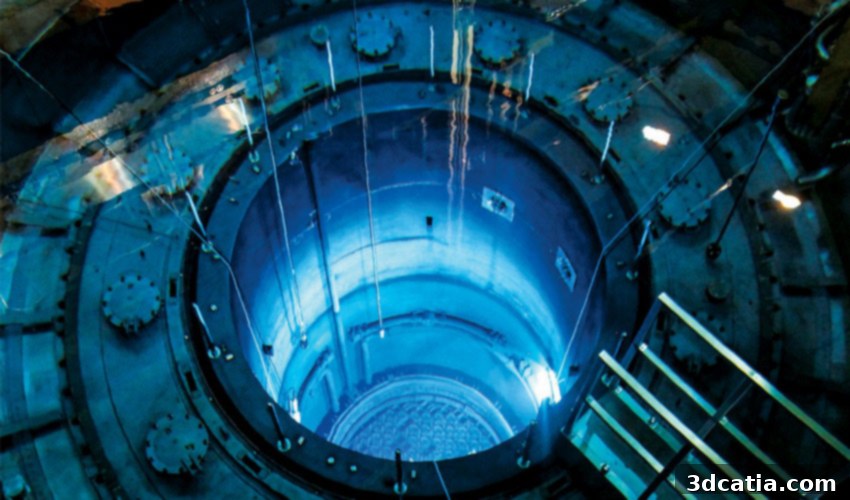
Revolutionizing Nuclear Energy: 3D Printing High-Performance Reactor Components
The future of clean energy hinges on innovation, and a groundbreaking collaboration between BWX Technologies (BWXT) and the U.S. Oak Ridge National Laboratory (ORNL) is spearheading this transformation. Together, they are at the forefront of developing advanced metal additive manufacturing technology specifically tailored for nuclear component design. This ambitious initiative aims to fabricate critical parts for next-generation nuclear reactors from high-temperature alloys and refractory metals, materials indispensable for enduring the extreme conditions within a reactor core. By leveraging sophisticated 3D printing methods, researchers can meticulously optimize these components, enabling them to withstand extraordinary temperatures of up to 1,482°C (2,700°F) and ultimately paving the way for overall plant efficiencies nearing an impressive 50%. This partnership not only promises to enhance the performance and safety of nuclear power but also significantly accelerates the development timeline for advanced reactor technologies.
This pioneering work builds upon significant achievements in the field. Just months prior, in May, Oak Ridge National Laboratory garnered international attention by showcasing its initial breakthroughs in the fabrication of a 3D printed nuclear core, with an ambitious target of bringing it into service by 2023. This remarkable demonstration unequivocally underscored the profound benefits of additive manufacturing within the demanding energy sector. A key enabler in this domain is the directed energy deposition (DED) process. DED, a robust and versatile metal additive manufacturing technique, excels at repairing damaged metal parts, adding material to existing high-value components, and creating complex geometries from scratch. Recognizing the immense potential of this technology and the need for a reliable, sustainable manufacturing method for broader adoption, ORNL subsequently engaged BWXT to advance the project further, combining their respective expertise to push the boundaries of nuclear innovation.
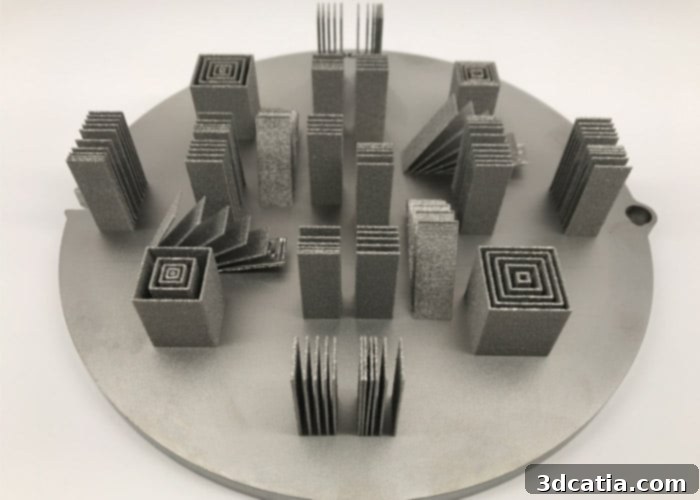
Advanced manufacturing techniques are transforming the design and production of nuclear reactor parts.
Optimizing Nuclear Reactor Components with Advanced 3D Printing
The heart of this collaborative effort lies in the meticulous selection and application of advanced materials. The engineering teams at BWXT and ORNL strategically opted for nickel-based superalloys and refractory metal-based alloys. These materials were chosen not just for their inherent strength and heat resistance, but because they are uniquely capable of meeting the exceptionally strict requirements and stringent constraints inherent to the nuclear industry, where operational reliability and safety are paramount. Additive manufacturing, in this context, has proven to be a game-changer. It has endowed the researchers and designers with unprecedented freedom to conceptualize and develop models featuring significantly enhanced thermal energy management capabilities. This includes intricate internal cooling channels and optimized heat transfer pathways that are virtually impossible to achieve with conventional manufacturing methods. Furthermore, these 3D printed components offer increased safety margins and integrate advanced accident-tolerant features, crucial for the next generation of nuclear power plants.
The ability to develop a novel method for modeling and 3D printing such complex nuclear components represents a monumental leap forward. This advanced capability allows the team to deploy these high-performance parts with remarkable speed and efficiency, effectively shortening development cycles that traditionally span years. This rapid iteration and deployment capability is directly built upon the inherent environmental and design benefits offered by additive manufacturing. Fewer material waste, optimized designs requiring less material, and localized production capabilities all contribute to a more sustainable manufacturing footprint. Speaking to the impact of their work, Ken Camplin, President of BWXT’s Nuclear Services Group, emphasized the critical role of their expert personnel: “We have a uniquely talented group of engineers and designers at BWXT. Their work will make it far easier for advanced reactor developers to move forward in dealing with a number of critical technical challenges inherent in many of these designs.” His statement underscores the strategic importance of this collaboration in addressing complex engineering hurdles that have historically slowed the progress of advanced nuclear technologies.
Breakthroughs in Performance, Efficiency, and Cost-Effectiveness
The early results emerging from this research are profoundly encouraging, signaling a new era for nuclear energy generation. According to detailed reports from BWXT, the strategic implementation of these cutting-edge 3D printed components, particularly those incorporating refractory metals, can facilitate reactor core exit temperatures reaching an astounding 1,482°C. To put this in perspective, conventional nuclear reactors typically operate at significantly lower temperatures, often around 300-400°C. This dramatic increase in operational temperature directly correlates with a substantial boost in overall plant efficiencies, projected to achieve an remarkable 50%. Such high efficiencies are not merely incremental improvements; they represent a fundamental shift in the thermodynamic performance of nuclear power plants, translating to more electricity generated per unit of nuclear fuel, and thus, a more sustainable and economically viable energy source.
Beyond the impressive gains in thermal performance and efficiency, this additive manufacturing approach offers compelling advantages in terms of long-term operational costs. By significantly improving both the energy production capabilities and, crucially, the longevity and resilience of individual reactor parts, the entire nuclear system is expected to demand substantially less maintenance and require fewer repairs over its operational lifespan. This reduction in downtime and costly component replacements translates directly into significant economic savings for power plant operators. Furthermore, additive manufacturing inherently streamlines and accelerates the prototyping stage for new designs. What traditionally took months or even years of iterative development using conventional methods can now be achieved in a fraction of the time, allowing for rapid design optimization and validation. This agility fosters quicker innovation cycles, enabling advanced reactor concepts to move from drawing board to functional prototype with unprecedented speed. More comprehensive information regarding these pivotal breakthroughs and their potential to hasten advanced reactor development can be found HERE on BWXT’s official news portal.
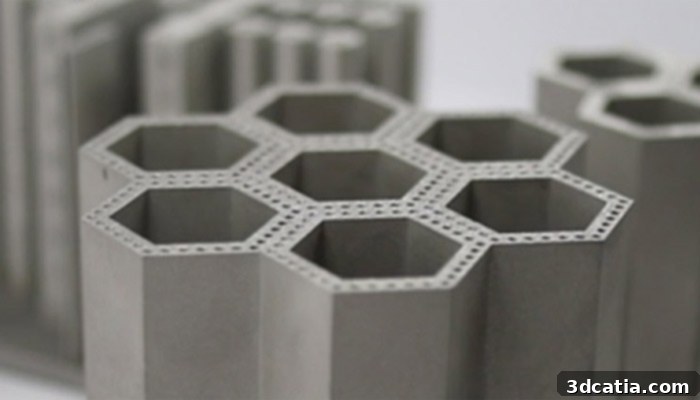
Metal additive manufacturing is poised to dramatically improve the design, safety, and operational efficiency of nuclear components.
The Future of Advanced Reactor Development Powered by 3D Printing
The collaborative efforts between BWX Technologies and Oak Ridge National Laboratory represent more than just an engineering project; they signify a crucial step towards realizing the full potential of advanced nuclear reactor designs. The limitations of conventional manufacturing often constrain the innovative geometries and material combinations desired for next-generation reactors, such as Small Modular Reactors (SMRs), molten salt reactors, or high-temperature gas-cooled reactors. Additive manufacturing shatters these constraints, offering unparalleled design freedom. This enables engineers to create highly complex, integrated components that can, for instance, incorporate internal cooling channels precisely where needed, optimize neutronics, and withstand more aggressive operating environments. This level of design flexibility is paramount for enhancing inherent safety features, improving fuel utilization, and reducing the overall footprint and construction time of future nuclear power plants.
Furthermore, the ability to rapidly prototype and test these advanced components through 3D printing dramatically de-risks the development process. In a highly regulated industry like nuclear, demonstrating the reliability and safety of new designs is a lengthy and costly endeavor. By accelerating the iteration and validation phases, additive manufacturing helps overcome significant technical and financial hurdles. It allows for faster design adjustments based on experimental data, leading to more robust and optimized final products. This synergy between advanced materials, cutting-edge manufacturing techniques, and meticulous design is not only pushing the boundaries of what is technically possible but is also creating a viable pathway for the commercial deployment of advanced reactors, which are critical for meeting global clean energy demands and reducing carbon emissions in the coming decades.
Conclusion: A New Horizon for Sustainable Nuclear Power
The pioneering collaboration between BWX Technologies and Oak Ridge National Laboratory marks a pivotal moment in the history of nuclear energy. By harnessing the transformative capabilities of metal additive manufacturing, particularly the directed energy deposition process, these institutions are not merely optimizing existing nuclear components but are actively inventing the building blocks for a safer, more efficient, and ultimately more sustainable nuclear future. The ability to fabricate reactor parts from superalloys and refractory metals, capable of enduring temperatures up to 1,482°C and delivering 50% plant efficiencies, represents a significant leap forward in thermodynamic performance and economic viability. This innovation promises reduced maintenance costs, extended component lifespans, and an accelerated development cycle for advanced reactor designs. As the world seeks reliable, carbon-free energy solutions, the advancements made by BWXT and ORNL through 3D printing illuminate a clear path towards a new horizon for nuclear power, solidifying its role as an indispensable pillar of global energy security and environmental stewardship.